Does the room spin when you turn in bed or bend down? Have you been diagnosed with BPPV? Here is a vertigo specialist's overview of all you need to know about this condition.
BPPV is the most common cause of vertigo. It can occur at any age but is more common in the middle-aged and elderly. The acronym stands for:
● Benign -- the underlying cause of dizziness is not serious.
● Paroxysmal -- it occurs in sudden, recurrent spells.
● Positional -- it is provoked by certain body or head positions.
● Vertigo -- refers to the spinning sensation.
What Happens in BPPV?
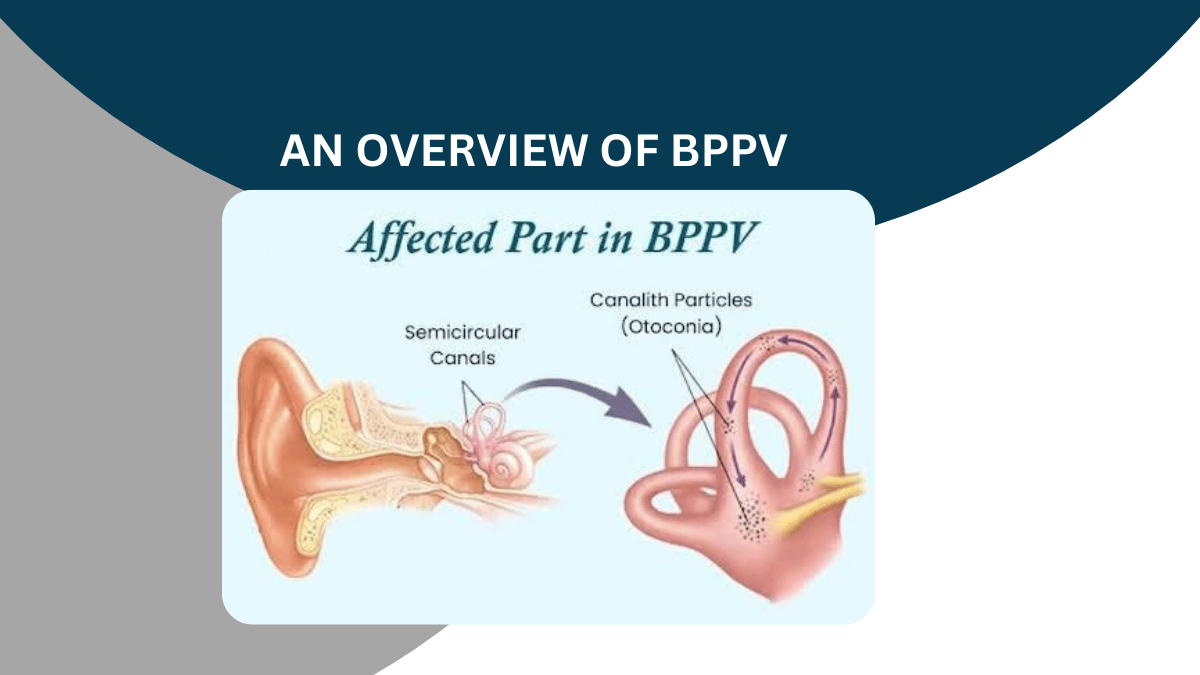
The inner ear is a tiny fluid-filled structure responsible for hearing and balance.
There is a collection of microscopic crystals called otoconia in certain parts of the inner ear called the utricle and saccule. BPPV occurs when these crystals get dislodged from the utricle and move into one or more of the semi-circular canals. With certain head movements, these crystals shift inside the canals and cause dizziness.
BPPV usually occurs for no specific reason, although sometimes it can follow a head injury or an inner ear inflammation.
What Are the Symptoms of BPPV?
● Vertigo or dizziness: This begins suddenly after a certain head movement and generally lasts for less than a minute. It may be an intense spinning sensation or just a mild dizzy feeling. Most episodes occur while lying down or getting up from bed, turning in the bed, bending down or looking up.
● Feeling light-headed: Sometimes, you can continue to feel light-headed or unsteady even after the initial episode.
● Nausea and vomiting
How Is BPPV Diagnosed?
A detailed description of your symptoms and what triggers them is essential. Apart from a routine examination, the doctor will perform certain diagnostic tests -- attempting to recreate the positions that trigger the vertigo. Your eye movements will be recorded through a special goggle using software called VNG (videonystagmography), which aids in identifying the type of BPPV.
Treatment
● Repositioning manoeuvres: The main treatment involves specific manoeuvres performed by the doctor to guide the crystals back to where they belong. Multiple sessions may be necessary.
● Medications: If necessary, medications are generally given for a short duration. Vertigo often improves on its own. Medications can temporarily help with vertigo and nausea but will not prevent further attacks.
After Undergoing the Manoeuvre
Follow these guidelines to support your recovery:
● Avoid sleeping on the affected side for 24 hours.
● Avoid sudden or fast head movements for a few days.
● Sleep with an extra pillow under the head. Do not lie down flat.
● Do not attempt to self-treat or perform exercises at home unless you have specific instructions from your doctor.
● Take prescribed medications as directed.
What If BPPV Returns?
BPPV is known to recur, sometimes months or years later. If symptoms reappear, do not panic. Before seeking medical attention, you can:
● Avoid head positions that provoke an attack.
● Get up from the bed slowly and sit for a minute before walking.
● Take SOS medications if previously prescribed by your doctor.
Frequently Asked Questions
Is BPPV dangerous?
BPPV is benign, meaning the underlying cause is not serious. However, the dizziness it causes can increase the risk of falls, particularly in older adults. Prompt evaluation and treatment are therefore recommended.
How long does BPPV last?
Individual vertigo episodes typically last less than a minute. With appropriate repositioning manoeuvres, many patients experience significant improvement. Some cases resolve on their own over time, while others may require more than one session of treatment.
Can I exercise or carry on normal activities during BPPV?
During an active episode, avoid sudden head movements and activities that increase fall risk. Your doctor will advise when it is appropriate to resume specific activities after treatment.
Will I need to take medication for BPPV long-term?
Medications for BPPV are usually given for short periods to manage symptoms such as nausea or dizziness. The primary treatment is the repositioning manoeuvre, not long-term medication.
When should I see a specialist for vertigo?
If you experience sudden episodes of room-spinning dizziness, particularly triggered by head or body position changes, a specialist assessment is recommended to confirm the diagnosis and begin appropriate treatment.
For evaluation and treatment of BPPV, vertigo and other balance disorders, consult Dr. Deepika Dixit at Samarth ENT & Allergy Centre, JP Nagar, Bengaluru.



Add a Comment