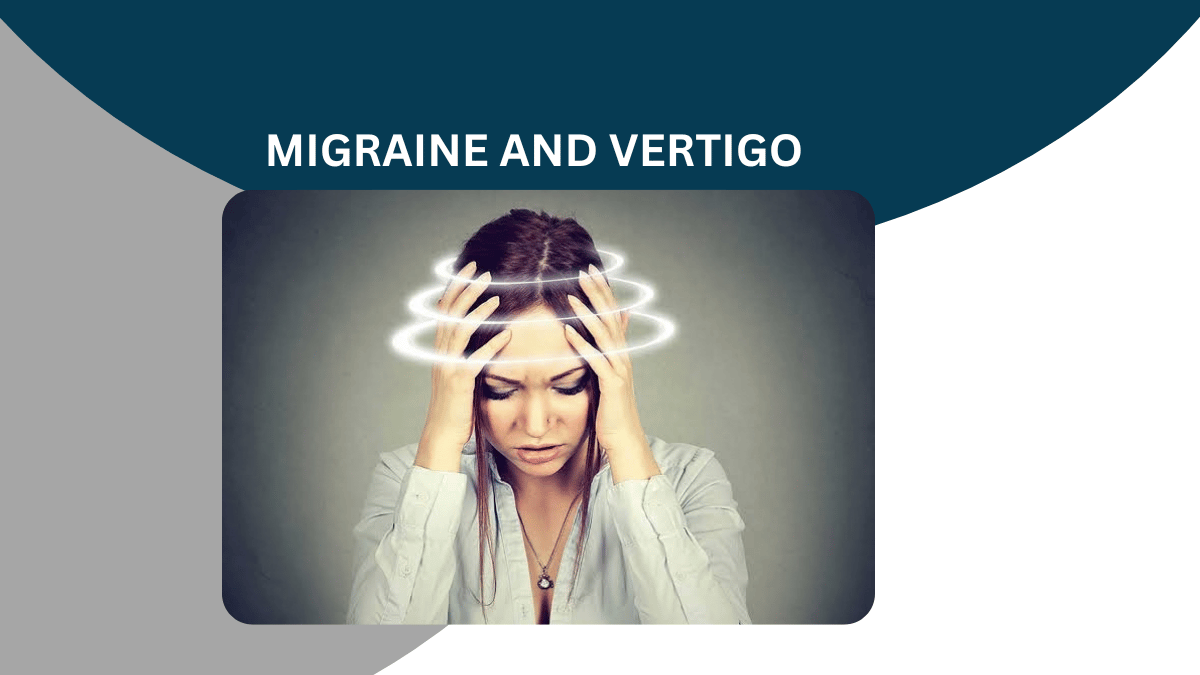
Vestibular migraine -- also called migrainous vertigo or migraine-associated vertigo -- is a type of migraine that mainly presents with dizziness. Approximately 40% of people who have had migraine headaches experience balance problems at some point. This can occur before, during, after, or independent of the headache itself.
The most common symptoms of migraine include an intense headache, nausea and vomiting, and intolerance to loud sounds or bright lights.
Vertigo in migraine can manifest in various ways -- from bouts of intense spinning sensation to a vague dizzy feeling, unsteadiness or imbalance while walking.
The duration and nature of episodes varies from person to person and may last from minutes to days. It is also common to feel fatigued for a few days after a migraine episode.
What Causes Migraines?
The exact cause of migraine is not fully understood. Both environmental and genetic factors play a role. Migraines tend to run in families, and women are more likely to experience them. A range of factors can trigger migraine episodes.
What Are the Common Triggers for Migraines?
Note that triggers vary from person to person. Common examples include:
● Physical and emotional triggers, including stress or anxiety
● Lack of sleep or irregular sleep habits
● Irregular food habits
● Dietary triggers such as caffeine, chocolates, cheese and similar foods
● Food additives such as monosodium glutamate, aspartame, tyramine or nitrates
● Hormonal changes
● Eye strain
● Environmental triggers including bright lights, glare and flicker, loud noises and strong smells
● Alcohol and smoking
What Are the Treatment Options for Vestibular Migraine?
Prevention and Avoidance of Triggers
If you are able to identify particular factors that trigger your migraines, avoiding them can help prevent episodes from occurring. Keeping a diary to record identifiable triggers -- including what you eat and the symptoms experienced each day -- can be especially useful.
Medications
Medications for vestibular migraine fall into two broad categories: prophylactic medications (taken daily to prevent migraines) and abortive medications (such as pain relief tablets taken at the onset of an attack). Your doctor will prescribe suitable medications tailored to your specific needs.
Physical and Mental Wellbeing
Maintaining a healthy, balanced diet and an active lifestyle plays an important role in managing vestibular migraine. Sleeping and eating on time, reducing screen time, and practising meditation and mindfulness techniques have been shown to reduce the burden of migraine over time.
Frequently Asked Questions
Is vestibular migraine the same as regular migraine?
Vestibular migraine shares many features with classical migraine but is distinguished by prominent dizziness or vertigo, which may occur with or without headache. It is considered a subtype of migraine.
Can vestibular migraine occur without a headache?
Yes. In some people, the vertigo or dizziness episodes occur independently of the headache. This can make diagnosis more challenging, which is why a specialist assessment is important.
How long does a vestibular migraine episode last?
Episodes can vary significantly in duration -- from a few minutes to several days. The pattern differs between individuals and may change over time.
Can lifestyle changes reduce vestibular migraine episodes?
Yes. Identifying and avoiding personal triggers, maintaining regular sleep and meal routines, reducing stress and limiting screen time can all help reduce the frequency and severity of episodes.
When should I see a specialist for dizziness or vertigo?
If you experience recurrent dizziness, vertigo, or balance problems -- particularly alongside headache, nausea or sensitivity to light or sound -- a specialist evaluation is recommended to determine the underlying cause and appropriate management.
For evaluation and management of vestibular migraine, vertigo and balance disorders, consult Dr. Deepika Dixit at Samarth ENT & Allergy Centre, JP Nagar, Bengaluru.

Add a Comment