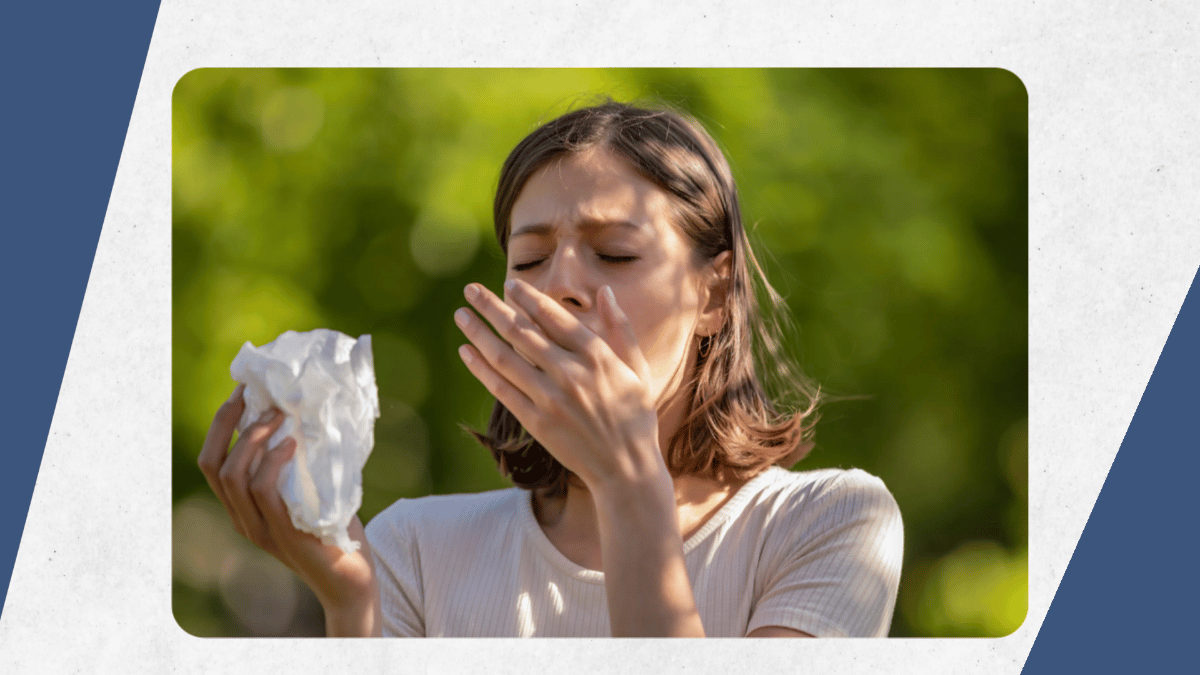
Goa's climate, characterised by high coastal humidity throughout the year, a monsoon season of exceptional intensity, and the specific vegetation and indoor environment of a coastal state, produces an allergen profile that is distinct from what a patient with asthma or allergic rhinitis would encounter in Pune, Bengaluru, or Delhi. This matters clinically, because the allergen driving a patient's disease determines the environmental control measures that will help, the allergy test panel that is most informative, and the specific immunotherapy protocol that is most likely to produce durable improvement. With 35 years of allergy practice in Goa, Fellowship in Allergy and Clinical Immunology, and as co-author of the IAP Rational Allergy Practice Guidelines published in Indian Pediatrics in 2026 and the Food Allergy in India Delphi Consensus in Clinical and Experimental Allergy in 2026, my understanding of the Goa allergen environment is built on decades of clinical observation, national guideline development, and evidence-based allergy practice.
The Goa Allergen Environment: What Drives Allergic Disease Here
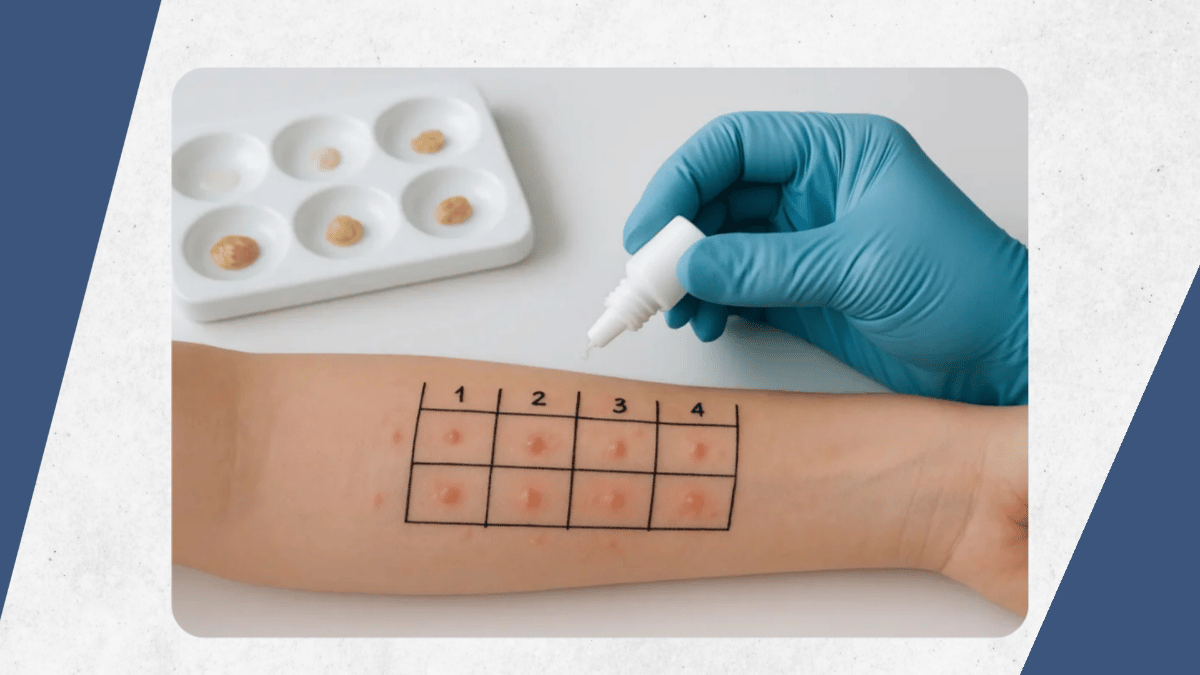
House dust mite is the dominant perennial indoor allergen in Goa, as it is across the humid coastal regions of India. The combination of warm temperatures and high humidity, particularly during and after the monsoon, creates optimal conditions for house dust mite population density in mattresses, bedding, soft furnishings, and carpets. A patient in Goa whose nasal symptoms or asthma are worse in the morning immediately after waking, and who experiences relief when spending time outside the home or in air-conditioned environments, is very likely to have house dust mite as a primary driver. Mould spore allergens, produced in abundance during Goa's prolonged and intense monsoon season, are the second major contributor. Aspergillus, Alternaria, and Cladosporium are the mould genera most frequently implicated in allergic respiratory disease, and their spore counts in coastal humid environments peak during monsoon in patterns that closely correlate with the seasonal worsening of asthma and rhinitis that many Goa patients experience. Seafood allergy deserves particular mention in the Goa context: with fish, prawns, crab, and other shellfish forming a substantial part of the dietary culture in Goa, food allergy to seafood is more prevalent and more clinically significant here than in many other Indian states. Accurate allergy testing using panels relevant to the Goa allergen environment, interpreted in the clinical context of each patient's specific symptoms, is the foundation of effective allergy management in Goa.
What Evidence-Based Asthma and Allergy Management Looks Like in 2026
The IAP Rational Allergy Practice Guidelines, which I co-authored for publication in 2026, reflect the current evidence base for allergy management in the Indian context: precision diagnosis through appropriate testing, personalised allergen avoidance guidance based on confirmed sensitisation, correct pharmacotherapy for the degree of disease, and allergen immunotherapy for selected patients where the natural history of the disease, the severity of symptoms, and the confirmed allergen sensitisation make it the most effective long-term strategy. Allergen immunotherapy for house dust mite sensitisation, given in selected patients by either subcutaneous injection or sublingual drops or tablets over a three to five year course, is the only treatment that progressively reduces the immune system's reactivity to the allergen rather than suppressing the downstream allergic reaction with antihistamines or steroids. As a National Trainer for IAP allergy educational programmes covering allergic rhinitis, asthma, and wheezing, I bring the same evidence-based framework to my clinical practice in Goa that I teach to paediatricians and physicians across India. At Dr. Dhanesh Volvoikar's Allergy Clinic, Porvorim, Goa, patients receive an allergy assessment grounded in 35 years of clinical experience, national guideline authorship, and the specific knowledge of what allergens drive disease in the Goa coastal environment.
To book a consultation with Dr. Dhanesh Volvoikar at Dr. Dhanesh Volvoikar's Allergy Clinic, Shree, Oval Park, Azad Bhavan Road, Porvorim, Goa 403521 (Monday to Saturday, 10:00 AM to 1:00 PM and 5:00 PM to 8:00 PM), call +91 86695 52679 or visit linqmd.com/doctor/dhanesh-volvoikar
Written by Dr. Dhanesh Volvoikar, MBBS, DPH, DCH, Fellowship in Allergy and Clinical Immunology (Saveetha Medical College, Saveetha University, Chennai, 2016), Advanced Course in Diagnosis of Allergy and Immunotherapy (Bengaluru, accredited by Karnataka Medical Council), Consultant Allergy Specialist, Dr. Dhanesh Volvoikar's Allergy Clinic, Shree, Oval Park, 15, Azad Bhavan Marg, Pundalik Nagar, Alto Porvorim, Porvorim, Goa 403521. Monday to Saturday, 10:00 AM to 1:00 PM and 5:00 PM to 8:00 PM. 35+ years. 30,000+ patients. Phone: +91 86695 52679.
Related reading
Know Your Doctor: Dr. Dhanesh Volvoikar, Allergist and Allergy Specialist in Goa
Allergy Testing: What the Results Actually Mean and How They Guide Treatment


Add a Comment