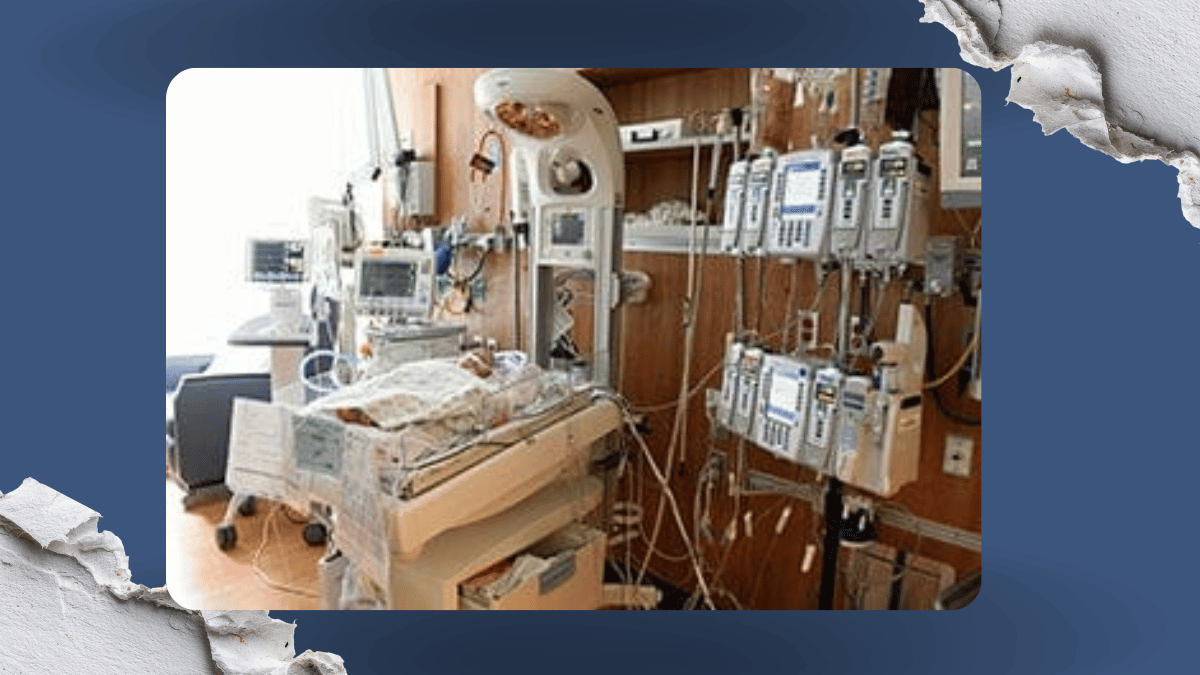
The heart is the engine of life, and in children, especially those with congenital or acquired heart conditions, its care requires the highest level of precision and expertise. Dr. Divyank Pathak, a pediatric intensivist, emphasizes that the Pediatric Cardiac Intensive Care Unit (PCICU) plays a vital role in ensuring that children with complex heart conditions receive life-saving care in a safe, monitored environment.
What is a Pediatric Cardiac ICU?
A Pediatric Cardiac ICU is a specialized intensive care unit dedicated to children with heart problems. This includes newborns with congenital heart defects, infants recovering from cardiac surgery, or older children experiencing severe cardiac illnesses. Unlike general pediatric ICUs, PCICUs have specialized staff, advanced monitoring systems, and equipment designed to meet the unique needs of children’s hearts.
Common Conditions Treated in PCICU
Children admitted to the PCICU often present with a variety of cardiac issues, including:
- Congenital Heart Defects (CHD): Structural abnormalities present at birth, such as ventricular septal defects, atrial septal defects, or complex conditions like hypoplastic left heart syndrome.
- Post-Operative Cardiac Care: Close monitoring after open-heart surgery or catheter-based procedures to ensure proper heart function and recovery.
- Heart Failure: Due to congenital defects or acquired conditions, requiring medications, mechanical support, or close observation.
- Arrhythmias: Irregular heart rhythms that can be life-threatening if not managed promptly.
- Pulmonary Hypertension and Critical Illness: Children with severe lung-heart interactions or complications from other illnesses.
Care and Monitoring in PCICU
In the Pediatric Cardiac ICU, care is highly specialized and includes:
- Advanced Hemodynamic Monitoring: Continuous observation of blood pressure, heart rate, oxygen levels, and cardiac output.
- Respiratory Support: Mechanical ventilation and oxygen therapy for children struggling to breathe.
- Medication Management: Inotropes, diuretics, anti-arrhythmic drugs, and other heart medications tailored to the child’s condition.
- Nutritional and Developmental Support: Proper nutrition, hydration, and family-centered care to promote healing and growth.
- Emergency Interventions: Rapid response to sudden changes in heart rhythm, blood pressure, or oxygen levels.
Importance of Early Intervention and Specialized Care
Dr. Pathak stresses that early detection and intervention are crucial for children with cardiac conditions. Children with congenital heart disease may not show obvious symptoms initially, but timely diagnosis through echocardiography and regular monitoring can prevent complications and reduce the need for emergency interventions.
Supporting Families During Critical Care
The PCICU is not only about medical care but also about supporting families. Parents are guided through the treatment process, taught how to manage their child’s condition, and included in care decisions. Emotional support, education, and clear communication are as important as medical interventions in ensuring positive outcomes.
Key Takeaway: The Pediatric Cardiac ICU combines advanced technology, specialized expertise, and compassionate care to give children with heart conditions the best chance at recovery and a healthy life. With early intervention, skilled monitoring, and family-centered support, young hearts can thrive.

Add a Comment