





divyank-pathak

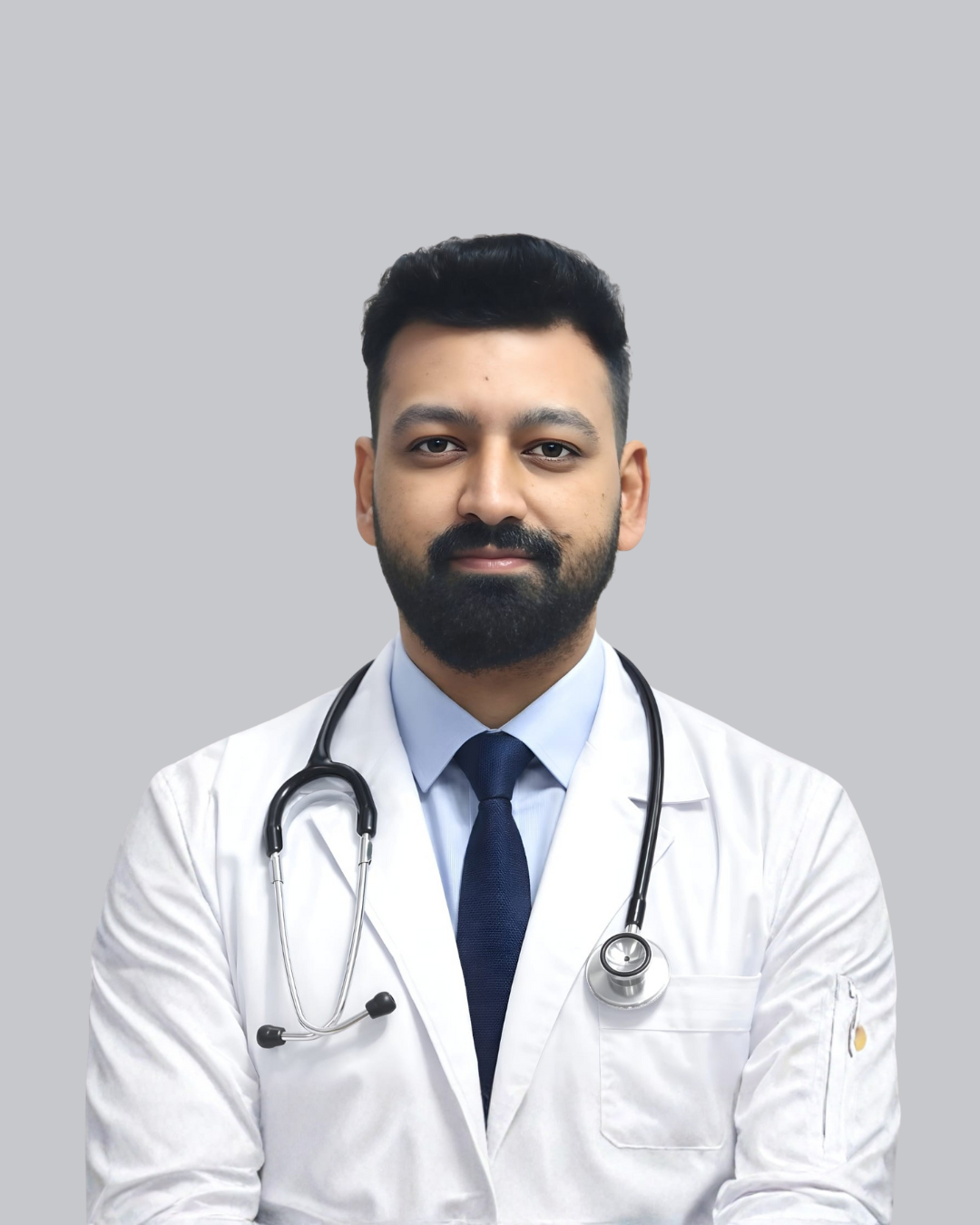
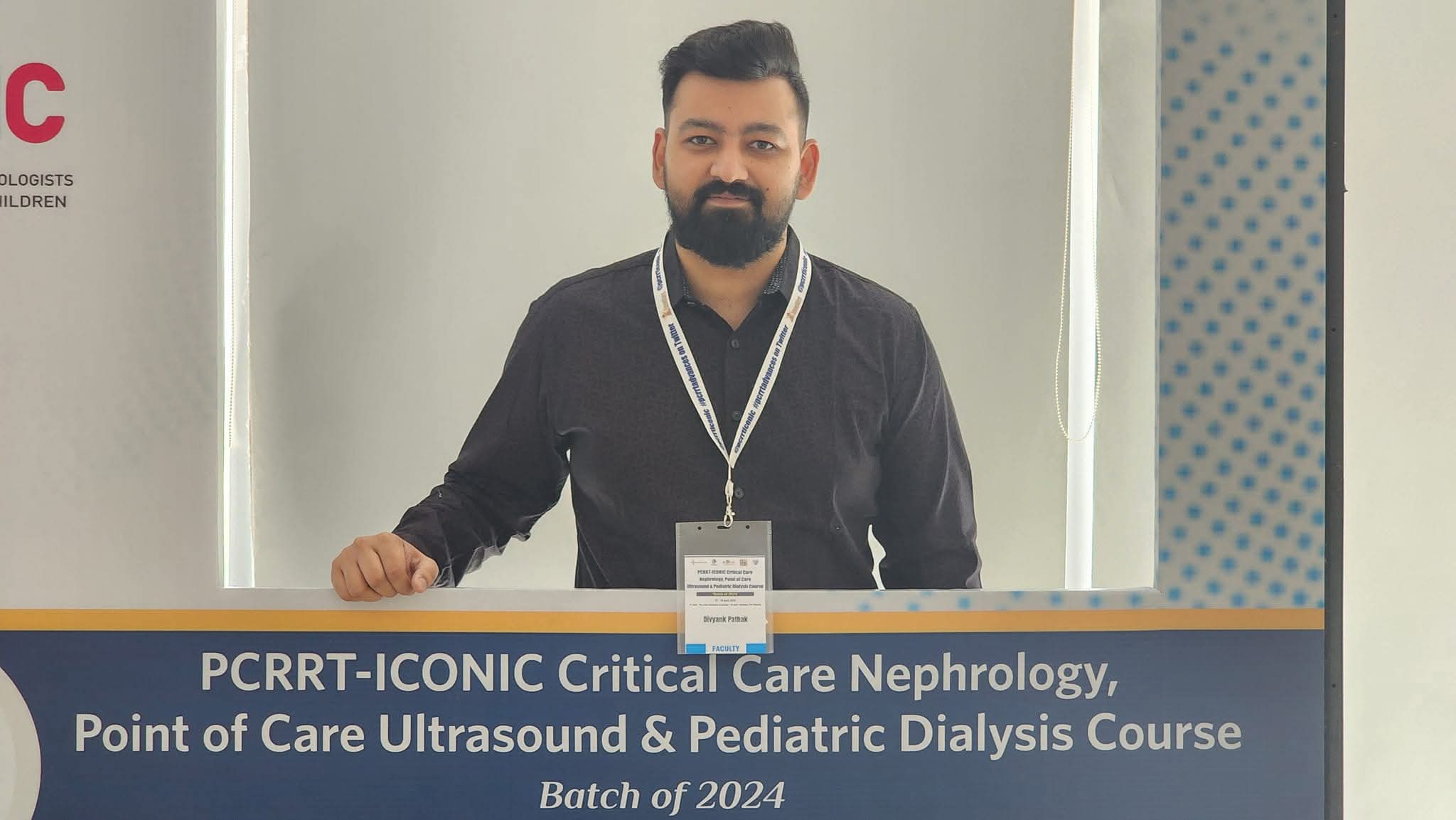
Dr. Divyank Pathak

Expert in Pediatric Critical Care, Sleep Medicine, Allergy, Asthma & Pediatric Pulmonology

MBBS, MD (Pediatrics), IFPCCM (Delhi), DPAA, FAAP, DPSM (USA)

10+years Experience

25,000+Patients

10+years Experience

25,000+Patients

divyank-pathak
LinQ Card

About Dr. Divyank Pathak

Dr. Divyank Pathak is a highly respected Senior Consultant Pediatrician and Pediatric Critical Care Specialist with over a decade of experience in managing complex pediatric, neonatal, and intensive care cases, with a special focus on pediatric allergy and asthma care. Trained at premier institutions in India and abroad, including Sir Ganga Ram Hospital, New Delhi, and the University of Colorado, USA, he brings a globally informed, evidence-based approach to childhood respiratory and allergic disorders. As the Director and Senior Consultant at Vatsalya Superspeciality Children Hospital, Varanasi, Dr. Pathak leads one of Uttar Pradesh’s few dedicated pediatric allergy and asthma centers, offering comprehensive facilities for allergy testing, pulmonary function testing, asthma education, and long-term disease management under one roof. He has successfully treated thousands of children, ranging from routine pediatric illnesses to life-threatening conditions requiring advanced ICU support. Known for his compassionate, family-centred care and clinical precision, Dr. Pathak is also a prolific academician, speaker, and published author, earning the trust of patients, families, and the medical fraternity alike.


https://d2vvc091k8tmib.cloudfront.net/s3fs-public/2026-01/WhatsApp%20Image%202026-01-17%20at%2014.23.05%20%282%29%20%281%29.jpeg

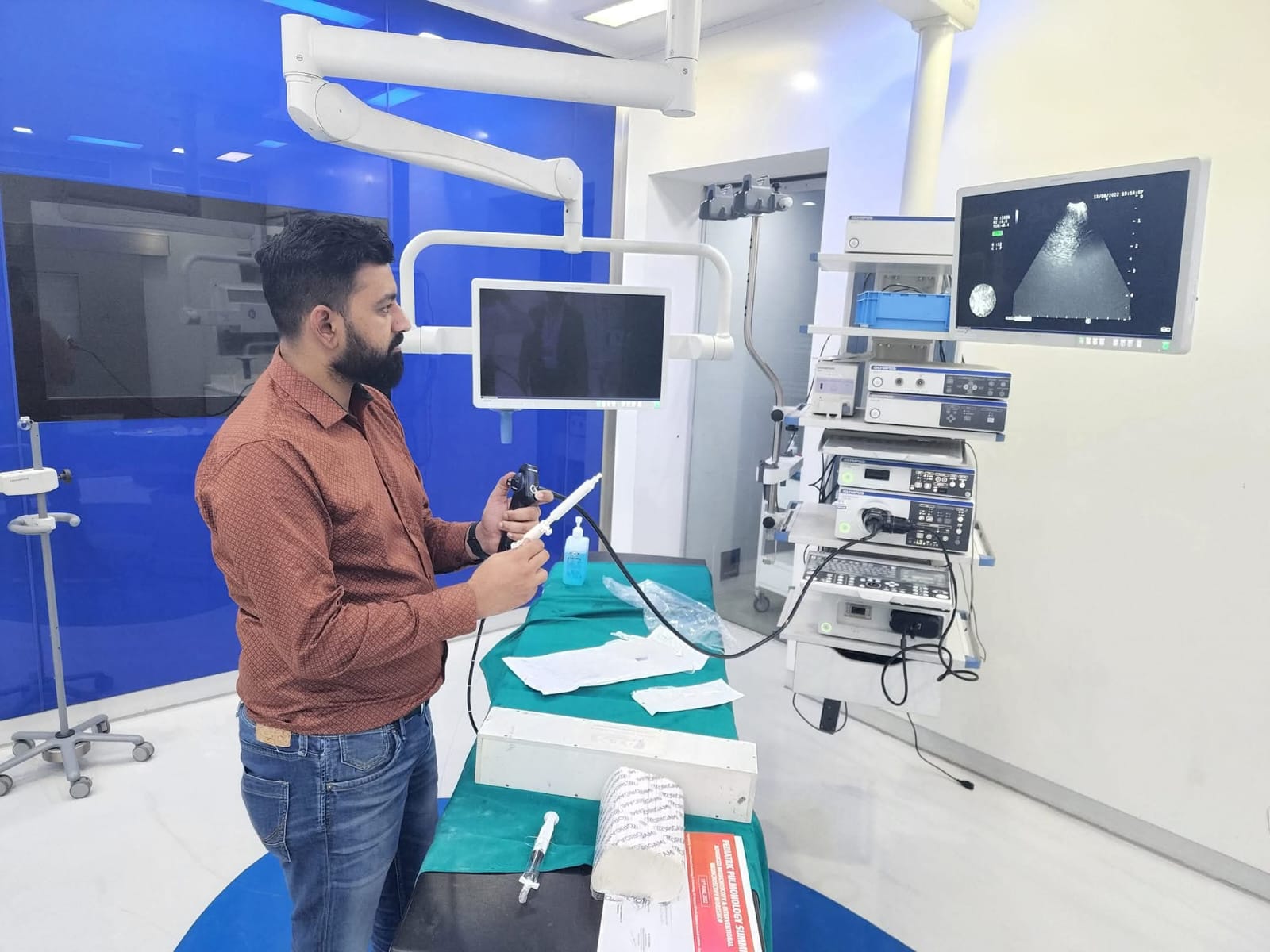
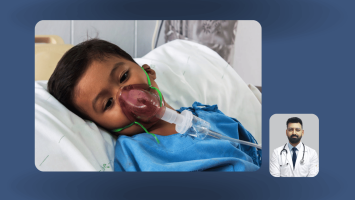
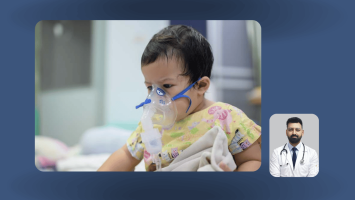
Dr. Divyank Pathak’s clinical specialty lies in the comprehensive management of pediatric pulmonology, pediatric critical care, allergy and asthma, and advanced intensive care medicine, with particular expertise in complex respiratory and allergic disorders in infants and children. He is highly skilled in treating severe and difficult-to-control asthma, recurrent wheezing, chronic cough, pneumonia, bronchiolitis, sleep-related breathing disorders, and ventilator-dependent lung diseases. As a trained Pediatric Intensivist, he expertly manages critically ill children with sepsis, shock, respiratory failure, congenital heart disease, neurological emergencies, and multi-organ dysfunction using advanced life-support modalities. His fellowship training in pediatric critical care, neonatal and pediatric pulmonology, sleep medicine, and allergy procedures enables him to deliver precise, evidence-based, and minimally invasive care. Dr. Pathak also specializes in pediatric bronchoscopy, non-invasive and invasive ventilation, comprehensive allergy testing, and structured asthma management protocols, ensuring long-term disease control and improved quality of life. His integrated, child-centred approach blends clinical excellence with compassion, making him a trusted referral specialist for complex pediatric, allergy, and ICU cases.


https://d2vvc091k8tmib.cloudfront.net/s3fs-public/2026-07/Dr.%20Divyank%20Pathak.jpeg

Dr. Divyank Pathak's Areas of expertise

  • General Pediatrics & Preventive Care: Comprehensive child healthcare focused on early diagnosis, disease prevention, and healthy growth.
  • Pediatric Critical Care & PICU: Advanced management of critically ill infants and children using state-of-the-art intensive care protocols.
  • Pediatric Pulmonology: Expert diagnosis and treatment of complex respiratory disorders in infants and children.
  • Allergy & Asthma Care: Evidence-based evaluation and long-term control of pediatric allergies and asthma using advanced procedures.
  • Neonatal & Pediatric Ventilation: Specialized expertise in invasive and non-invasive ventilation for respiratory failure and lung disease.
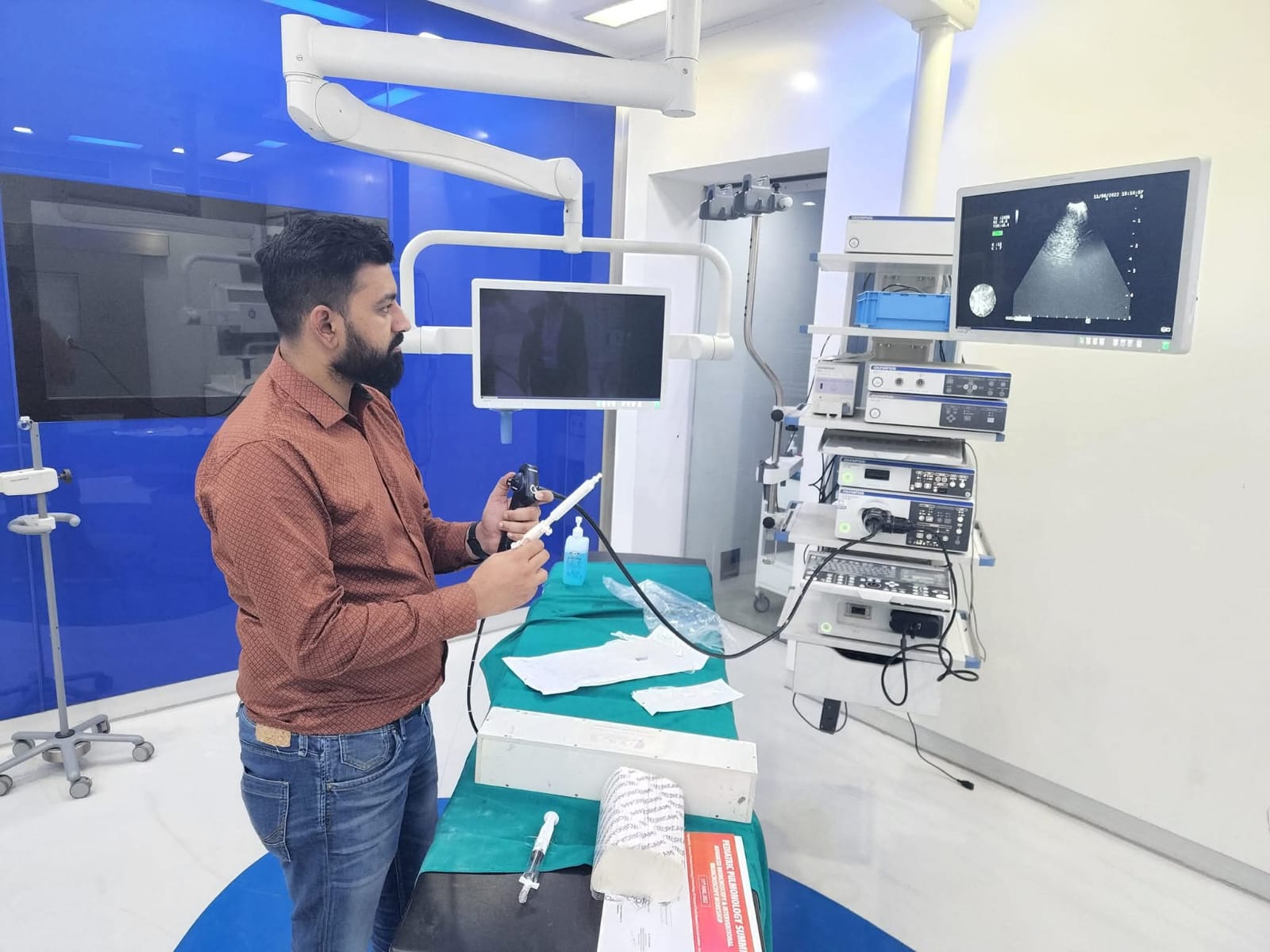
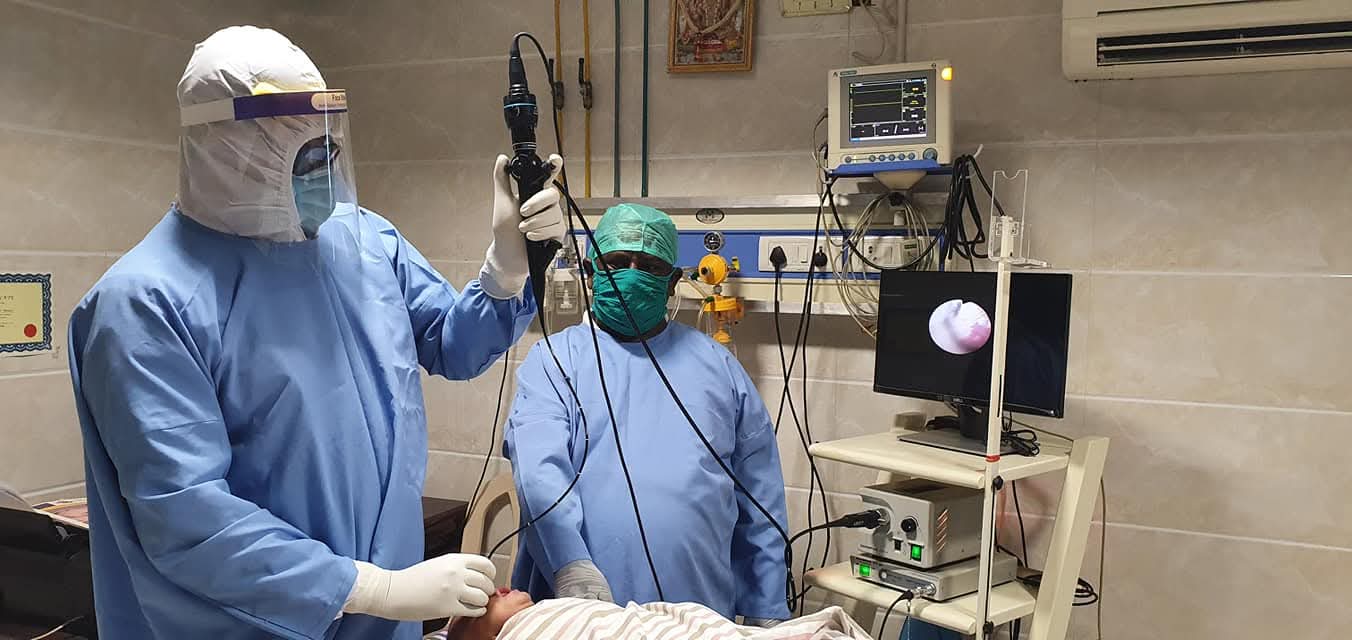
  • Pediatric Bronchoscopy: Minimally invasive airway evaluation for accurate diagnosis and targeted respiratory treatment.
  • Pediatric Sleep Medicine: Diagnosis and management of sleep-related breathing disorders affecting child growth and development.
  • Sepsis & Multi-Organ Dysfunction: High-precision care for life-threatening infections and organ failure in children.
  • Pediatric Emergency Care: Rapid stabilization and treatment of acute pediatric emergencies with clinical accuracy.
  • Pediatric Nutrition: Personalized nutritional strategies to support recovery and long-term health in critically ill children.
  • Post-ICU & Follow-Up Care: Structured rehabilitation and follow-up programs to ensure sustained recovery and quality of life.

Awards & Honors:

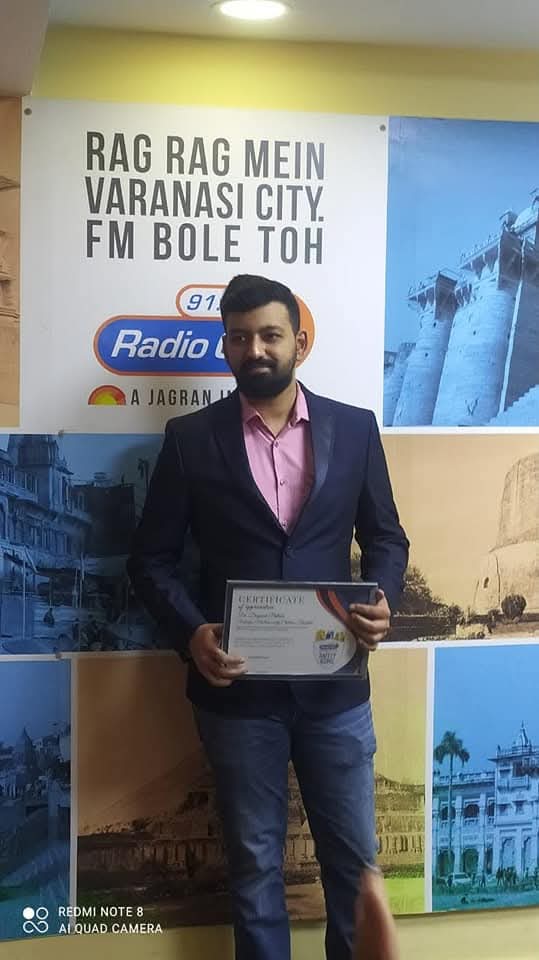
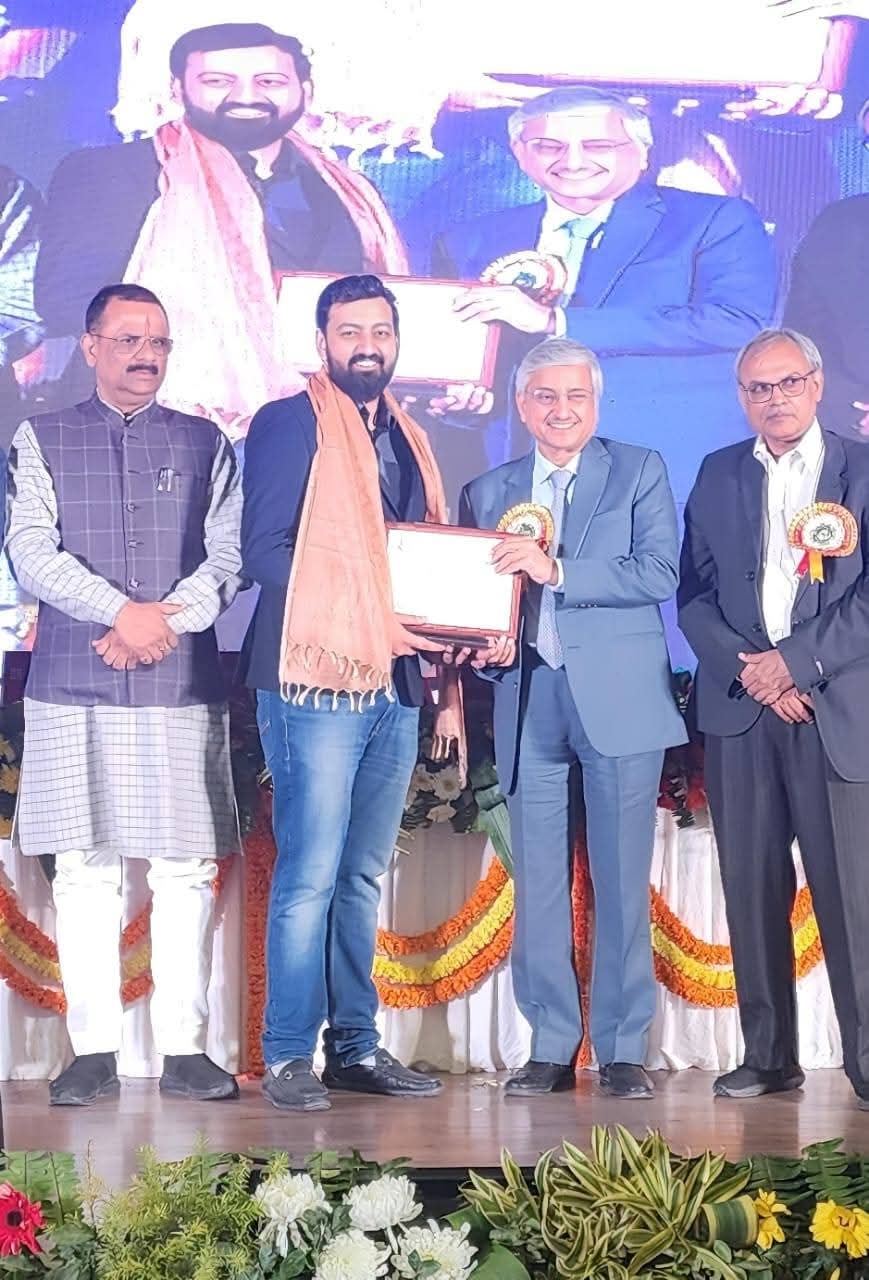
  • “UP Ke Anmol Ratan” Award (2021) – Honoured for outstanding contribution to pediatric healthcare by Shri Narayan Rane, Hon’ble Minister of MSME, Government of India.
  • “Varanasi Vikash Ka Maha Kumbh” Award (2021) – Recognised for excellence in medical service by Smt. Anupriya Patel, Hon’ble Minister of Commerce & Industry, Government of India.
  • “Shahar Banaras” Award (2021) – Conferred in appreciation of exemplary healthcare leadership by Shri Nitin Gadkari, Hon’ble Minister of Road Transport & Highways, Government of India.
  • “UP Ki Baat Kashi Se” Award (2021) – Awarded by Zee Media for distinguished professional achievements and public service.

Publications:

  • Severe Peter Plus Syndrome: A Rare Case Report – International Journal of Medical Research & Health Sciences, Vol. 2, Issue 4, Oct–Dec 2013.
  • Hypoplastic Left Heart Syndrome: A Rare Case Report – IOSR Journal of Dental and Medical Sciences, Vol. 13, Issue 3, Ver. 1.
  • Sturge–Weber Syndrome: A Rare Case Report – IOSR Journal of Dental and Medical Sciences, Vol. 13, Issue 5, Ver. 1.
  • MBBS – Rural Medical College, Pravara Institute of Medical Sciences (PIMS), Loni, Maharashtra
  • MD (Pediatrics) – Rural Medical College, Pravara Institute of Medical Sciences (PIMS), Loni, Maharashtra
  • Indian Fellowship in Pediatric Critical Care (IFPCCM) – Sir Ganga Ram Hospital, New Delhi
  • Senior Residency – Pediatric Cardiac ICU – Sir Ganga Ram Hospital, New Delhi
  • Diploma in Pediatric Allergy & Asthma (DPAA) – Sir Ganga Ram Hospital, New Delhi, in association with AAAAI & University of Colorado, USA
  • Fellowship in Pediatric Nutrition (PGPN) – Boston, USA
  • Fellowship in Neonatal & Pediatric Pulmonology (FNPP) – ISPT / StatPearls, USA & Australia
  • Diploma in Pediatric Sleep Medicine (DPSM) – University of Colorado, Denver, USA
  • Fellowship in Allergy & Asthma Procedures (FAAP) – Medtrain, Bengaluru, in association with University of Colorado, USA

Book Appointment

Mahavir Road, near Mahavir Mandir Crossing, Orderly Bazar, Varanasi, Uttar Pradesh 221002

Clinic Hours:
  • Monday - Sunday 10:00 AM - 12:00 PM 04:00 AM - 09:00 PM
Contact:

Phone: +91 983871311


Patient Reviews

Vatsalya Children Hospital

Google 4.5/5 (726 reviews)
AI

AI Summary

4 reviews • 5★

Loading...
prabhakar singh

prabhakar singh

a month ago

I had a very good experience at Vatsalya Children Hospital, Varanasi. The doctors ( Dr Divyank Pathak & Dr Chhaya Pathak) are highly experienced, caring, and take the time to explain everything clearly. The nursing staff and other team members are polite, supportive, and always ready to help. The h
Abhishek Pandey

Abhishek Pandey

2 months ago

Our baby was born prematurely and weighed only around 670 grams. Soon after birth, he developed severe breathing difficulties. We were devastated when we were told by other doctors that he might not survive. We visited several hospitals, but no one was willing to admit such a critical baby. Finally,
Vijendra Pandey

Vijendra Pandey

4 months ago

This hospital is excellent for treating children. The doctors and nurses here are doing an excellent job. Our daughter's health deteriorated significantly. We sought treatment at several places, but doctors everywhere referred us. When we came here, our daughter received proper treatment and recover
jyoti singh

jyoti singh

4 months ago

My baby condition was critical at the time of admission...now she is improving well under guidance of Dr chaya mam. all team members did great job , they r vry friendly. Now discharge happy.

Conditions and Treatments

General Pediatrics & Preventive Care

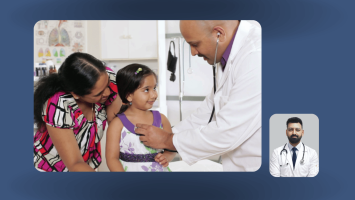
Comprehensive pediatric care focused on early diagnosis, timely intervention, and long-term child wellness is offered by Dr. Divyank Pathak, who emphasizes preventive healthcare through regular growth monitoring, immunizations, nutritional guidance, and parental counselling. With a family-centred approach, he ensures every child receives personalized care that supports healthy development from infancy through adolescence.

Severe & Difficult-to-Treat Asthma

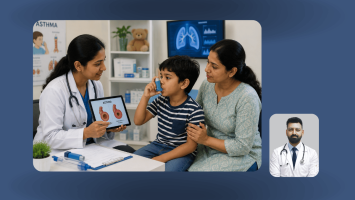
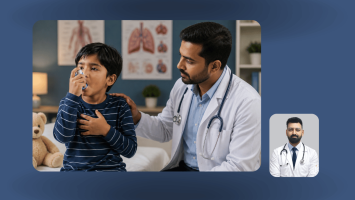
Dr. Divyank Pathak specializes in managing complex and treatment-resistant asthma in children with a structured, evidence-based approach. He focuses on detailed trigger evaluation, optimization of inhaled therapies, and personalized long-term control plans. His goal is to reduce hospitalizations, prevent flare-ups, and help children achieve sustained asthma control and better quality of life.

Allergy & Asthma Care

Comprehensive evaluation and advanced management of pediatric allergies and asthma are provided by Dr. Divyank Pathak, focusing on accurate diagnosis and long-term disease control. He specializes in allergy testing, asthma phenotyping, and individualized treatment plans tailored to each child’s needs. With an emphasis on prevention, education, and lifestyle modification, he helps children achieve better symptom control and an improved quality of life.

Allergy Evaluation & Preventive Care

Dr. Divyank Pathak provides comprehensive allergy evaluation to identify triggers contributing to asthma and recurrent respiratory symptoms in children. He emphasizes preventive strategies, environmental control measures, and early intervention to limit disease progression. His evidence-based approach helps reduce flare-ups and supports long-term respiratory health.

Sepsis & Multi-Organ Dysfunction

Dr. Divyank Pathak explains that sepsis is a life-threatening response to infection, where the body’s immune system overreacts, causing widespread inflammation and tissue damage. If not treated promptly, it can progress to multi-organ dysfunction syndrome (MODS), leading to failure of two or more organs. Early recognition, timely antibiotics, and comprehensive supportive care are critical to improving survival.

Childhood Asthma Diagnosis and Long-Term Management

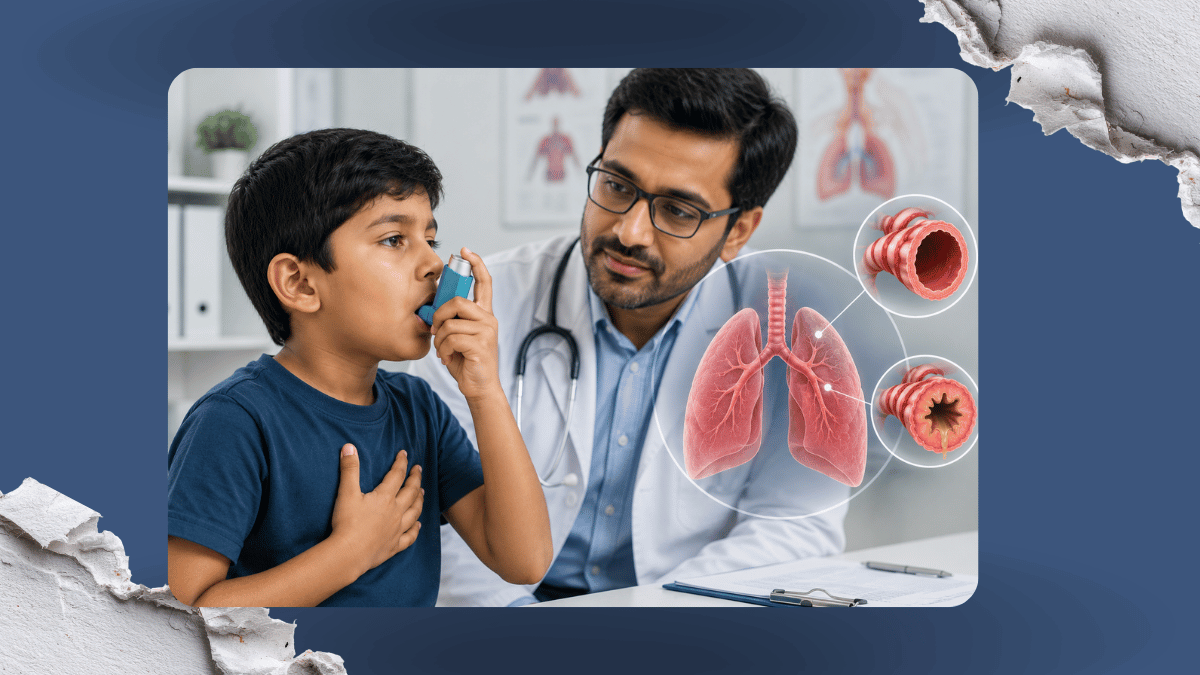
Childhood asthma is the most common chronic respiratory condition in children and remains significantly under-diagnosed in Varanasi and across Eastern Uttar Pradesh, where persistent cough is frequently attributed to recurrent infection rather than allergic airway inflammation. Dr Divyank Pathak provides expert diagnosis and long-term management of childhood asthma at Vatsalya Superspeciality Children Hospital, Varanasi, using clinical assessment, spirometry, skin prick allergy testing, and structured stepped treatment protocols. As the Director of one of Uttar Pradesh's few dedicated paediatric allergy and asthma centres, with Diploma in Paediatric Allergy and Asthma from Sir Ganga Ram Hospital in association with the University of Colorado, he evaluates each child's allergen sensitisation profile, asthma phenotype, and current treatment adequacy to build a personalised long-term management plan focused on sustained symptom control. Written by Dr Divyank Pathak, MBBS, MD (Pediatrics), IFPCCM, DPAA, FNPP, DPSM, FAAP, Director and Senior Consultant Paediatrician, Pediatric Critical Care and Allergy and Asthma Specialist, Vatsalya Superspeciality Children Hospital, Mahavir Road, Varanasi, Uttar Pradesh 221002.

Difficult-to-Treat and Severe Asthma in Children

Difficult-to-treat asthma in children is defined as persistent symptoms despite appropriate controller therapy at adequate doses with confirmed good inhaler technique, and requires systematic specialist evaluation to distinguish true severe asthma from asthma made difficult by modifiable factors such as poor inhaler technique, allergen exposure, untreated rhinitis, or non-adherence. Dr Divyank Pathak provides structured evaluation and management of difficult-to-treat and severe asthma in children at Vatsalya Superspeciality Children Hospital, Varanasi. His assessment protocol addresses all modifiable barriers to asthma control before any decision to escalate treatment is made. For children with confirmed severe asthma where standard treatment is insufficient, advanced therapeutic options including biological agents targeting specific inflammatory pathways are discussed where clinically appropriate. His IFPCCM fellowship and paediatric critical care expertise mean he is equipped to manage children whose severe asthma leads to life-threatening exacerbations requiring intensive care support. Written by Dr Divyank Pathak, MBBS, MD (Pediatrics), IFPCCM, DPAA, FNPP, DPSM, FAAP, Director and Senior Consultant Paediatrician, Pediatric Critical Care and Allergy and Asthma Specialist, Vatsalya Superspeciality Children Hospital, Mahavir Road, Varanasi, Uttar Pradesh 221002.

Allergen Immunotherapy for Childhood Allergy and Asthma

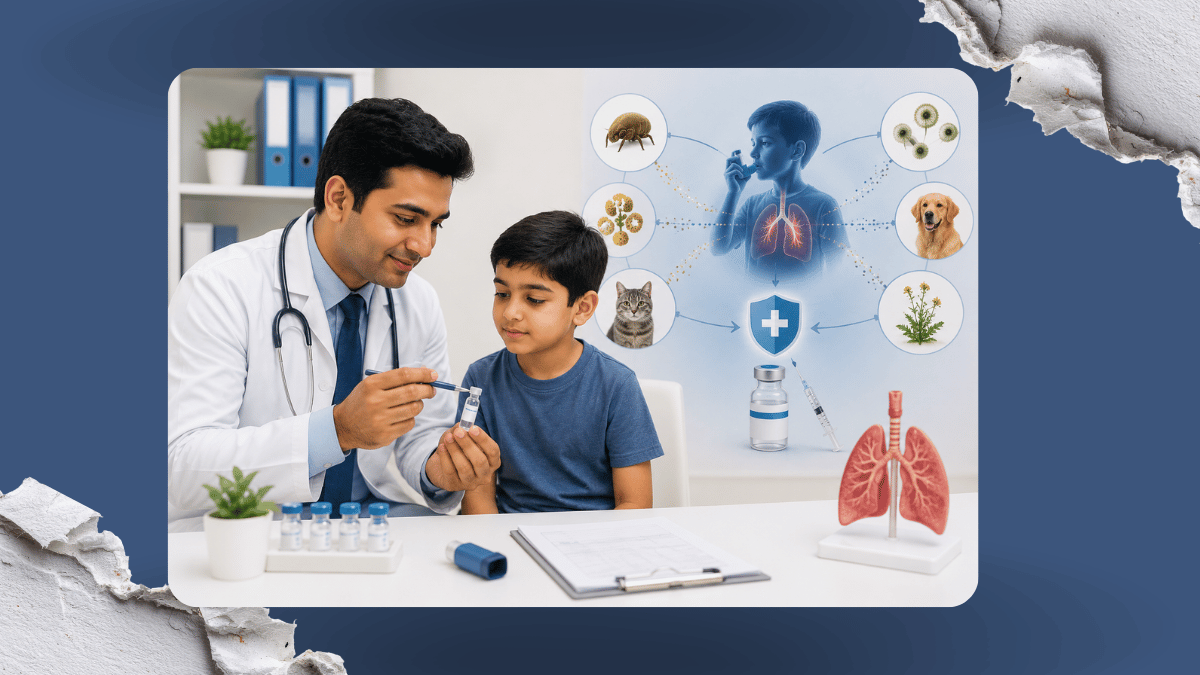
Every treatment prescribed for a child with asthma - the daily preventer inhaler, the antihistamine for rhinitis, the emollient for eczema - manages the symptoms that allergic immune dysregulation produces. None of them change the immune dysregulation itself. Allergen immunotherapy is the single exception: the only treatment that modifies the underlying allergic mechanism, training the immune system to tolerate the allergen rather than reacting to it, and producing clinical benefits that persist for years after the treatment course ends. Dr. Divyank Pathak's DPAA - Diploma in Paediatric Allergy and Asthma - provides the specialist allergy and immunotherapy training that his practice at Vatsalya Superspeciality Children Hospital, Varanasi, is built around. Allergen immunotherapy is offered for children who have: confirmed IgE-mediated allergic sensitisation through skin prick testing or specific IgE blood testing; symptoms of allergic rhinitis, asthma, or both that significantly affect quality of life, school attendance, or sleep; and inadequate disease control despite appropriate pharmacotherapy and allergen avoidance. The allergen causing the disease must be one for which effective immunotherapy preparations are available - house dust mite, cockroach, and local pollens are the most clinically relevant sensitisations in the Varanasi and Eastern UP context. Both subcutaneous immunotherapy (SCIT, administered as injections in clinic) and sublingual immunotherapy (SLIT, taken as daily drops at home) are available, with the choice between routes based on the child's age, the allergen, the family's capacity for clinic attendance, and the clinical characteristics of the child's disease. The treatment course is three to five years. Benefits - reduced rhinitis symptoms, improved asthma control, reduced medication requirement, and in children, evidence that immunotherapy may slow the progression of allergic rhinitis to asthma - become apparent within the first six to twelve months and deepen over the full treatment course.

Subcutaneous Allergen Immunotherapy (SCIT)

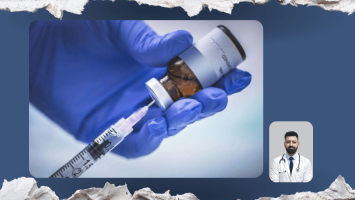
Subcutaneous allergen immunotherapy - SCIT - is the injection-route form of allergen immunotherapy and the most extensively studied form of disease-modifying allergy treatment available. It is administered as injections into the subcutaneous tissue of the upper arm, using allergen extracts standardised to the specific sensitisations identified on allergy testing, in gradually increasing doses during a build-up phase followed by a regular maintenance dose. The mechanism is the same as sublingual immunotherapy: progressive exposure to the allergen at doses that induce immune tolerance rather than immune reactivity, shifting the immune response from the allergic Th2-dominant pattern toward a tolerant Th1 and regulatory T-cell pattern. The clinical result - reduced allergic reactivity, fewer rhinitis and asthma symptoms, lower medication requirements - is durable and persists for years after the treatment course ends. Dr. Divyank Pathak administers SCIT at Vatsalya Superspeciality Children Hospital, Varanasi, for children with confirmed allergen sensitisation - house dust mite, cockroach, and relevant local pollens from the Eastern UP environment - who meet the criteria for immunotherapy. The build-up phase involves clinic visits, typically weekly or fortnightly, during which the allergen dose is gradually increased to the maintenance level. After maintenance is reached, injections are administered monthly. The full course is three to five years. SCIT requires the child to remain in the clinic for 20 to 30 minutes after each injection for observation - a requirement that is the principal difference from SLIT, which is taken at home. For families in Varanasi who can attend regularly, SCIT is the treatment with the longest evidence base and the most rigorous clinical trial data for efficacy in allergic rhinitis and asthma.

Dr. Divyank Pathak's Expert Tips & Health Insights

Latest

Articles by Dr. Divyank Pathak

https://d2vvc091k8tmib.cloudfront.net/s3fs-public/2026-09/Allergen%20Immunotherapy%20for%20Children_0.png
https://d2vvc091k8tmib.cloudfront.net/s3fs-public/2026-01/Dr.%20Divyank%20Pathak_0.png
By: Dr. Divyank Pathak
05 September 2026

Allergen Immunotherapy for Children: How It Works, Who It Helps, and What the Treatment Involves

A Pediatric Allergy and Asthma Specialist trained at Sir Ganga Ram Hospital and the University of Colorado explains allergen immunotherapy for children: what it is, how injections and sublingual drops work, who is a candidate, and what a 3 to 5 year treatment course involves, at Vatsalya Hospital, Varanasi.
Read More
https://d2vvc091k8tmib.cloudfront.net/s3fs-public/2026-08/Breastfeeding%20Every%20Mother%27s%20Superpower.png
https://d2vvc091k8tmib.cloudfront.net/s3fs-public/2026-01/Dr.%20Divyank%20Pathak_0.png
By: Dr. Divyank Pathak
07 August 2026

Breastfeeding: Every Mother's Superpower

A complete parent education guide on breastfeeding - benefits, correct latch, how to know baby is getting enough, solving common problems, myths versus facts, and when to consult a paediatrician.
Read More
https://d2vvc091k8tmib.cloudfront.net/s3fs-public/2026-08/Allergen%20Immunotherapy%20for%20Childhood%20Asthma.png
https://d2vvc091k8tmib.cloudfront.net/s3fs-public/2026-01/Dr.%20Divyank%20Pathak_0.png
By: Dr. Divyank Pathak
05 August 2026

Allergen Immunotherapy for Childhood Asthma: The Treatment That Changes the Disease, Not Just the Symptoms

Allergen immunotherapy is the only treatment that modifies the underlying allergic disease in children with asthma — a specialist explains SCIT vs SLIT, who qualifies, and what to expect.
Read More
https://d2vvc091k8tmib.cloudfront.net/s3fs-public/2026-07/Childhood%20Asthma_%20A%20Complete%20Guide%20to%20Diagnosis%2C%20Treatment%2C%20and%20Long-Term%20Control.png
https://d2vvc091k8tmib.cloudfront.net/s3fs-public/2026-01/Dr.%20Divyank%20Pathak_0.png
By: Dr. Divyank Pathak
02 July 2026

Childhood Asthma: A Complete Guide to Diagnosis, Treatment, and Long-Term Control

Learn about childhood asthma symptoms, diagnosis, allergy testing, and treatment. Expert asthma care by Dr. Divyank Pathak in Varanasi.
Read More
https://d2vvc091k8tmib.cloudfront.net/s3fs-public/2026-07/1_0.png
https://d2vvc091k8tmib.cloudfront.net/s3fs-public/2026-01/Dr.%20Divyank%20Pathak_0.png
By: Dr. Divyank Pathak
17 January 2026

Pediatric Cardiac ICU: Specialized Care for Young Hearts

Expert Pediatric Cardiac ICU care in Varanasi for children with congenital heart defects, post-surgery recovery & heart failure. Advanced monitoring & life-saving treatment by Dr. Divyank Pathak.
Read More
https://d2vvc091k8tmib.cloudfront.net/s3fs-public/2026-07/2.png
https://d2vvc091k8tmib.cloudfront.net/s3fs-public/2026-01/Dr.%20Divyank%20Pathak_0.png
By: Dr. Divyank Pathak
17 January 2026

Pediatric and Neonatal Pulmonology: Breathing Life into Healthy Childhood

Expert pediatric & neonatal pulmonology care in Varanasi for asthma, bronchiolitis, RDS & lung disorders. Early diagnosis & treatment for healthy child breathing by Dr. Divyank Pathak.
Read More
https://d2vvc091k8tmib.cloudfront.net/s3fs-public/2026-07/3_0.png
https://d2vvc091k8tmib.cloudfront.net/s3fs-public/2026-01/Dr.%20Divyank%20Pathak_0.png
By: Dr. Divyank Pathak
17 January 2026

Pediatric Allergy and Asthma: Symptoms, Causes, and Care Tips

Expert care for pediatric allergy & asthma in Varanasi — symptoms, causes, triggers & treatment for wheezing, skin rashes & anaphylaxis in children by Dr. Divyank Pathak.
Read More

Podcasts by Dr. Divyank Pathak

Frequently Asked Questions

Frequently Asked Questions

View all

Can allergen immunotherapy prevent my child from developing asthma if they currently only have allergic rhinitis?

This is one of the most important and clinically exciting questions in allergy medicine, and the answer based on current clinical evidence is: yes, allergen immunotherapy in children with allergic rhinitis appears to reduce the risk of progressing to asthma. This evidence is one of the most compelling arguments for considering immunotherapy in a child whose disease is currently limited to rhinitis, particularly in children with a strong family history of asthma, significant allergen sensitisation, and rhinitis that is poorly controlled despite pharmacotherapy. The allergic march - the progression from eczema to rhinitis to asthma - is not universal and not inevitable. The immune mechanisms driving rhinitis and those driving asthma are closely related, and interrupting the immune dysregulation at the rhinitis stage with immunotherapy appears, in several well-conducted studies, to reduce the probability of the next step in the march occurring. The mechanism is the same as for symptom reduction: immunotherapy shifts the immune response from allergen reactivity toward tolerance, and this shift at the mucosal immune level affects both the nasal and bronchial surfaces of the unified airway. For a child in Varanasi with confirmed house dust mite sensitisation and allergic rhinitis who has not yet developed asthma, considering immunotherapy at this stage - rather than waiting for asthma to develop and then treating both conditions - represents an opportunity to intervene at a point in the disease trajectory where the intervention may change what the next ten years of that child's respiratory health look like.

To book a consultation with Dr. Divyank Pathak at Vatsalya Superspeciality Children Hospital, Mahavir Road, Varanasi, call +91 9838713111 or visit linqmd.com/doctor/divyank-pathak

Written by Dr. Divyank Pathak, MBBS, MD (Pediatrics), IFPCCM, DPAA (Diploma in Paediatric Allergy and Asthma), FNPP, DPSM (USA), FAAP, Director and Senior Consultant Paediatrician, Pediatric Critical Care and Allergy and Asthma Specialist, Vatsalya Superspeciality Children Hospital, Mahavir Road, Orderly Bazar, Varanasi, Uttar Pradesh 221002. Phone: +91 9838713111.

What happens if we stop allergen immunotherapy before the full course is completed?

Stopping allergen immunotherapy before the full three to five year course is completed is the most common cause of relapse and one of the most preventable reasons for treatment failure. The immune tolerance that immunotherapy produces is not an immediate switch it is a gradual process of immune re-education that takes time to consolidate into durable, self-sustaining tolerance. In the first year or two of treatment, symptoms improve significantly, and this improvement is real. But at this stage, the immune system has not yet fully consolidated the tolerant state it has learned to respond less aggressively, but this learning is not yet stable enough to persist without continued allergen presentation. When immunotherapy is stopped at this point, typically because the improvement in symptoms has made the family feel that treatment is no longer needed, the immune system gradually reverts toward its original allergic response pattern. Symptoms return sometimes quickly, sometimes over months and the family then faces the choice of restarting a full course or managing symptoms pharmacologically indefinitely. In contrast, children who complete the full recommended course consistently show more durable benefit the immune tolerance they have developed persists for years after the last dose. The clinical message I give every family starting immunotherapy is: the symptom improvement you see at one or two years is real, it is the treatment working, and it is also the reason to continue because completing the course is what turns a temporary improvement into a lasting one.

To book a consultation with Dr. Divyank Pathak at Vatsalya Superspeciality Children Hospital, Mahavir Road, Varanasi, call +91 9838713111 or visit linqmd.com/doctor/divyank-pathak
Written by Dr. Divyank Pathak, MBBS, MD (Pediatrics), IFPCCM, DPAA (Diploma in Paediatric Allergy and Asthma), FNPP, DPSM (USA), FAAP, Director and Senior Consultant Paediatrician, Pediatric Critical Care and Allergy and Asthma Specialist, Vatsalya Superspeciality Children Hospital, Mahavir Road, Orderly Bazar, Varanasi, Uttar Pradesh 221002. Phone: +91 9838713111.

Can my child take SLIT (sublingual immunotherapy) drops at home or does every dose need to be given in the clinic?

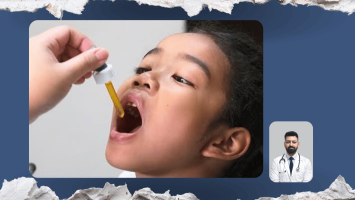
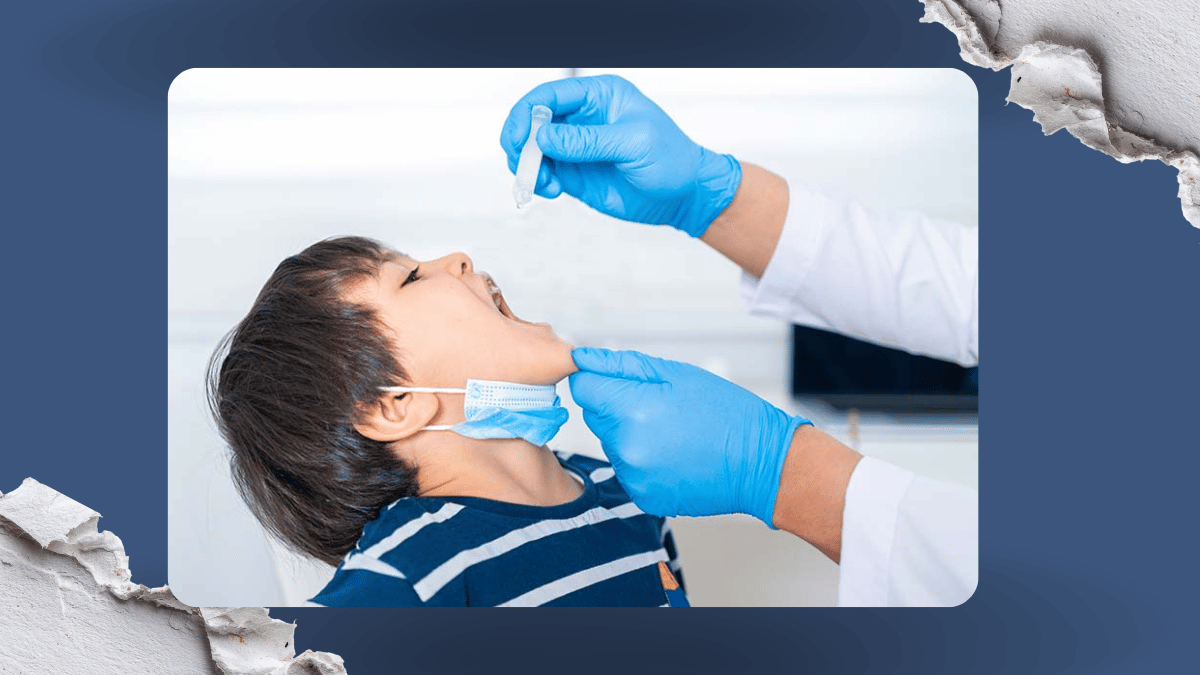
Sublingual immunotherapy - SLIT - is specifically designed for home administration, and this is the feature that distinguishes it most practically from SCIT and that makes it the immunotherapy route I most often recommend for families in Eastern Uttar Pradesh who live at significant distances from Varanasi or whose children cannot attend clinic weekly. After the initial consultation at Vatsalya Superspeciality Children Hospital, where allergy has been confirmed and the decision to proceed with SLIT has been made, the first few doses may be administered under observation in the clinic to ensure there are no significant early reactions. After this initial period, the remainder of the course is taken at home - daily drops placed under the tongue, held there for one to two minutes without swallowing, then swallowed. The drops are taken every day, including weekends, without clinic attendance. The family is given clear instructions for what to do if a reaction occurs (very rare with SLIT), and there are regular follow-up appointments at the clinic to assess symptom response, adjust the allergen schedule, and monitor progress. The most common side effect is a mild local reaction under the tongue - tingling, mild swelling - particularly in the early weeks, which typically resolves quickly and does not require treatment. Serious systemic reactions to SLIT are significantly less frequent than with SCIT. The critical factor for SLIT success is daily consistency - gaps in administration reduce efficacy, so the drops must be taken every day throughout the treatment course.

To book a consultation with Dr. Divyank Pathak at Vatsalya Superspeciality Children Hospital, Mahavir Road, Varanasi, call +91 9838713111.


Written by
Dr. Divyank Pathak, MBBS, MD (Pediatrics), IFPCCM, DPAA (Diploma in Paediatric Allergy and Asthma), FNPP, DPSM (USA), FAAP, Director and Senior Consultant Paediatrician, Pediatric Critical Care and Allergy and Asthma Specialist, Vatsalya Superspeciality Children Hospital, Mahavir Road, Orderly Bazar, Varanasi, Uttar Pradesh 221002. Phone: +91 9838713111.


Related: 

Allergen Immunotherapy for Childhood Asthma: The Treatment That Changes the Disease, Not Just the Symptoms

Childhood Asthma: A Complete Guide to Diagnosis, Treatment, and Long-Term Control

How long does allergen immunotherapy take before my child's symptoms improve?

Allergen immunotherapy works progressively rather than immediately - which is one of the most important things for families to understand before starting treatment, because setting realistic expectations about the timeline prevents early discontinuation of a treatment that will eventually produce significant benefit. The first changes families typically notice are a reduction in the frequency and severity of allergic rhinitis symptoms - less sneezing, less nasal congestion, less morning misery - beginning within the first six months of treatment. Asthma symptoms and reliever inhaler use tend to improve somewhat later, with meaningful reductions in exacerbation frequency and severity becoming more evident by the end of the first year. Over the second and third years of treatment, the improvement deepens: medication requirements reduce progressively, and the seasonal peaks that previously produced significant disease exacerbation become less pronounced. The greatest clinical benefit is seen after completing the full three to five year course, and the durability of benefit - the persistence of improved allergen tolerance after treatment ends - is strongest in children who complete the full course rather than stopping once symptoms have improved. Stopping immunotherapy early because symptoms have improved is one of the most common reasons for relapse: the immune tolerance is still being consolidated at the point where symptoms have reduced, and completing the full course is what makes the benefit last beyond the treatment period.

To book a consultation with Dr. Divyank Pathak at Vatsalya Superspeciality Children Hospital, Mahavir Road, Varanasi, call +91 9838713111.


Written by Dr. Divyank Pathak, MBBS, MD (Pediatrics), IFPCCM, DPAA (Diploma in Paediatric Allergy and Asthma), FNPP, DPSM (USA), FAAP, Director and Senior Consultant Paediatrician, Pediatric Critical Care and Allergy and Asthma Specialist, Vatsalya Superspeciality Children Hospital, Mahavir Road, Orderly Bazar, Varanasi, Uttar Pradesh 221002. Phone: +91 9838713111.

Link copied to clipboard!

Reach Dr. Divyank Pathak

Vatsalya Children Hospital

Mahavir Road, near Mahavir Mandir Crossing, Orderly Bazar, Varanasi, Uttar Pradesh 221002