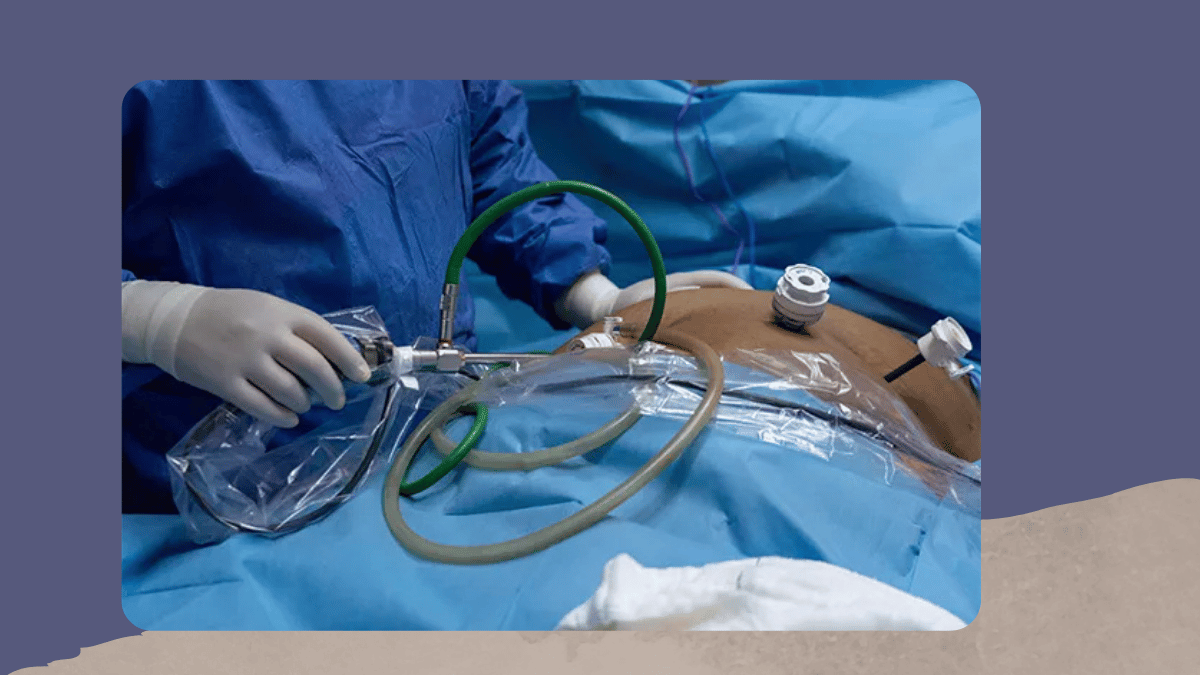
Over the past two decades, gastrointestinal surgery has been transformed in ways that most patients who undergo an operation today never fully appreciate, because the transformation is precisely what makes the experience so different from what earlier generations faced. What was once major open surgery, requiring a long incision through the abdominal wall, weeks of recovery, and significant post-operative pain, can now be performed through a few incisions smaller than a fingertip, with patients going home the same day or the next morning and returning to their normal routines within days. My name is Dr. Lokesh H M, and I am a Senior Consultant Surgical Gastroenterologist at Narayana Multispeciality Hospital and RK Speciality Clinic, Mysuru. Over 23 years and more than 10,000 gastrointestinal surgical procedures, I have witnessed this transformation from the inside. I trained in advanced laparoscopic and minimally invasive surgery specifically because I believe that how a surgeon operates matters as much as whether they operate. The technique, the precision, and the experience of recovery all form part of the patient's outcome, not just the pathology report.
This guide is for anyone who has been told they need gastrointestinal surgery in Mysuru, or who is experiencing symptoms and wants to understand what modern GI surgery actually involves. I will take you through the most common conditions that require surgical treatment, explain what laparoscopic surgery is and how it compares to open surgery, and describe what you can realistically expect from recovery. My goal is that by the time you finish reading, the prospect of GI surgery feels considerably less frightening than when you started.
What Is Laparoscopic Gastrointestinal Surgery?
Laparoscopic surgery, often called keyhole surgery or minimally invasive surgery, involves operating through small incisions, typically between five and twelve millimetres in diameter, rather than making the larger opening required in traditional open surgery. Through these small incisions, a surgeon introduces a thin camera (the laparoscope) that transmits a magnified, high-definition image of the operative field to a monitor, along with specialised instruments designed to operate precisely in the confined space inside the abdomen. For the patient, this means several things: less trauma to the abdominal wall muscles, significantly reduced post-operative pain, a much lower risk of wound complications and infection, a shorter hospital stay, and faster return to normal activity. For many procedures, the benefits of laparoscopic surgery also include better visualisation of the operative site than open surgery provides, as the magnified camera view allows the surgeon to see structures with a level of detail that the naked eye cannot achieve through a large open incision.
It is important to understand that laparoscopic surgery is not a simpler form of the same procedure. It requires specific training, advanced instrument skills, and a significant volume of cases to develop the technical mastery that makes it safe and effective. My training at PGIMER Chandigarh and SGPGIMS Lucknow, followed by dedicated fellowship training in minimally invasive surgery, specifically equipped me for this approach across the full range of gastrointestinal procedures.
Common GI Conditions That May Require Surgery - and When the Decision Is Right
One of the most frequent questions I hear in clinic is: 'Do I really need surgery?' It is a reasonable question, and the honest answer is that it depends entirely on the specific condition, its severity, and how it has responded to non-surgical management. I never recommend surgery as a first step when a condition can be safely managed in other ways. But there are conditions where surgery is the definitive treatment, and delay carries real risk.
Gallbladder Disease and Gallstones
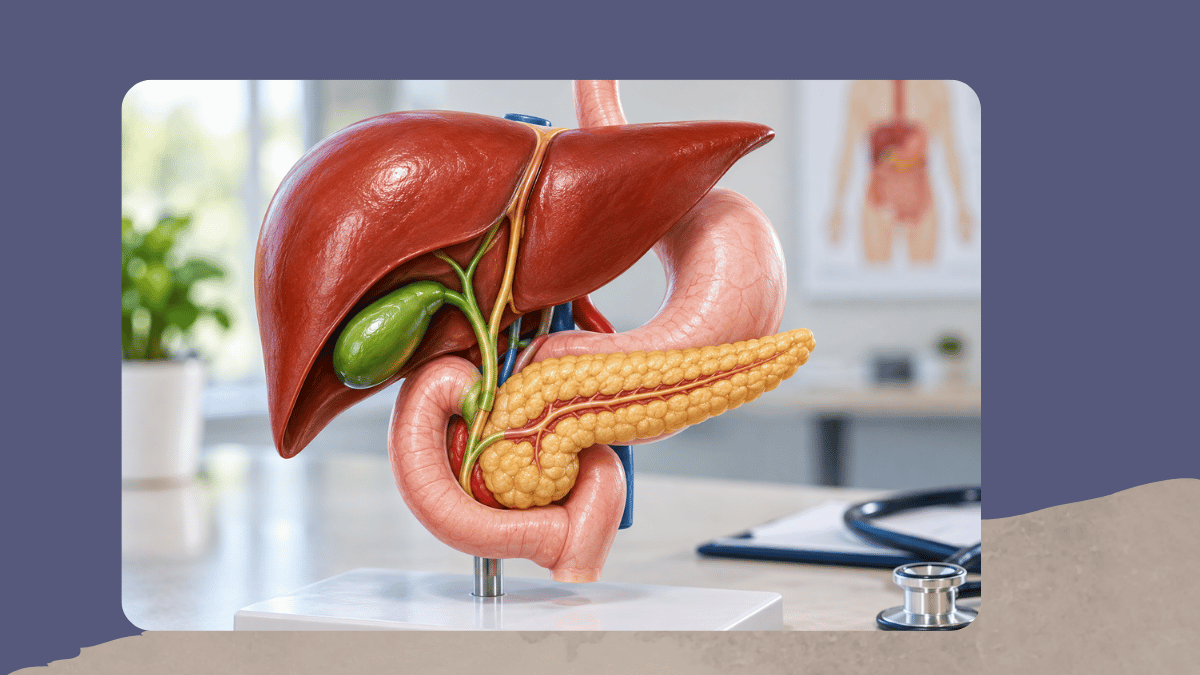
Gallstone disease is the single most common reason I perform laparoscopic surgery in Mysuru. Gallstones form when bile in the gallbladder becomes concentrated and solidifies. Many people carry gallstones without symptoms, these are often discovered incidentally on ultrasound and generally do not require treatment. The picture changes when gallstones cause symptoms: biliary colic (a characteristic cramping pain in the upper right abdomen, often after fatty meals), cholecystitis (inflammation of the gallbladder), or complications such as pancreatitis or bile duct obstruction. Laparoscopic cholecystectomy, keyhole removal of the gallbladder, is the standard treatment for symptomatic gallstone disease and is one of the most commonly performed surgical procedures in the world. In experienced hands, it takes approximately 30 to 45 minutes, the patient goes home the same day or the following morning, and most people return to desk work within a week and full activity within two to three weeks. The gallbladder is not essential to normal digestive function, and most patients notice no difference in how their digestion works after removal.
Hernia
A hernia occurs when tissue or part of an organ pushes through a weakness in the surrounding muscle or connective tissue wall. Inguinal hernias (in the groin) are the most common type I see, followed by umbilical hernias (at the navel), incisional hernias (at the site of a previous surgical wound), and epigastric hernias (in the upper abdomen). Hernias do not resolve on their own. Most require surgical repair when symptomatic, and the principal reason for timing the procedure carefully is to avoid the serious complication of strangulation, where the herniated tissue loses its blood supply, creating a surgical emergency. Laparoscopic hernia repair in Mysuru has become the preferred approach for most inguinal hernias and many other hernia types. It allows placement of a mesh through small incisions with lower risk of chronic pain and faster recovery than open repair, and it provides better visualisation of the anatomy. For bilateral inguinal hernias, where both sides need repair, laparoscopy is particularly advantageous because both sides can be repaired through the same small incisions in the same procedure. The laparoscopic approach delivers consistently good outcomes for patients across all hernia types.
Appendicitis
Appendicitis, inflammation of the appendix, is one of the most common acute surgical emergencies. The appendix is a small finger-shaped pouch attached to the large intestine and has no essential digestive function. When it becomes blocked, usually by a hardened deposit of stool or mucus, it can become infected and inflamed. Symptoms include pain that typically starts around the navel and migrates to the lower right abdomen, accompanied by nausea, fever, and loss of appetite. Without treatment, the appendix can rupture, spreading infection throughout the abdominal cavity. Laparoscopic appendectomy is the standard treatment and can usually be performed within one to two hours of the decision to operate. Hospital stay is typically one to two days, and most patients are back to light activity within a week. In cases of early, uncomplicated appendicitis, laparoscopy offers a clear advantage in terms of infection risk, recovery speed, and cosmetic outcome.
Colorectal Surgery
Conditions of the colon and rectum cover a spectrum from benign to serious, and this is an area where the decision to operate requires careful, individualised evaluation. Common conditions requiring colorectal surgery include colorectal cancer, diverticular disease (where small pouches in the colon wall become inflamed or perforated), rectal prolapse, and conditions such as familial polyposis where the risk of cancer development makes surgical intervention appropriate. For many colorectal procedures, a laparoscopic colorectal surgery approach is now standard in experienced centres. This includes resection of segments of the colon or rectum for cancer, with the principle that a laparoscopic approach achieves the same oncological result as open surgery while reducing complications, shortening recovery, and in the specific case of rectal surgery, sometimes preserving continence when open surgery would not. Training and volume matter enormously in this area of surgery.
Complex GI Surgery - Oesophageal, Gastric, and Small Bowel Conditions
Beyond the common procedures described above, my surgical practice includes the full range of complex gastrointestinal surgery: anti-reflux procedures for gastro-oesophageal reflux disease (GORD), surgery for achalasia, gastric resection for conditions including early gastric cancer, small bowel surgery for obstruction and ischaemia, surgery for Crohn's disease, and procedures for gastrointestinal bleeding. These are operations where the experience of the surgeon and the volume of procedures performed at the centre are directly related to outcomes. Each of these conditions has a specific set of indications for surgery, and each requires a different level of pre-operative evaluation, intraoperative planning, and post-operative management. Many can now be approached laparoscopically or through hybrid techniques. The choice of approach depends on the specific anatomy, the urgency of the situation, and the best available evidence-based approach for that particular condition.
When Is GI Surgery Recommended? The Decision-Making Process
Patients sometimes assume that a surgeon's default recommendation is surgery. In my practice, it is not. My recommendation is always the intervention, or non-intervention, that gives that specific patient the best outcome, the least risk, and the fastest return to their normal life. Sometimes that is surgery immediately. Often it begins with a period of conservative management, monitoring, or investigation. Surgery is generally recommended when:
- A condition will not resolve or improve without surgical treatment, and non-surgical options have either been exhausted or are not appropriate for the specific presentation
- A condition carries the risk of serious complication, including perforation, haemorrhage, strangulation, or cancer, if surgery is delayed
- The patient's quality of life is significantly impaired and surgical treatment offers a realistic prospect of meaningful improvement
- A cancer diagnosis has been made where surgery is the primary curative or disease-controlling treatment
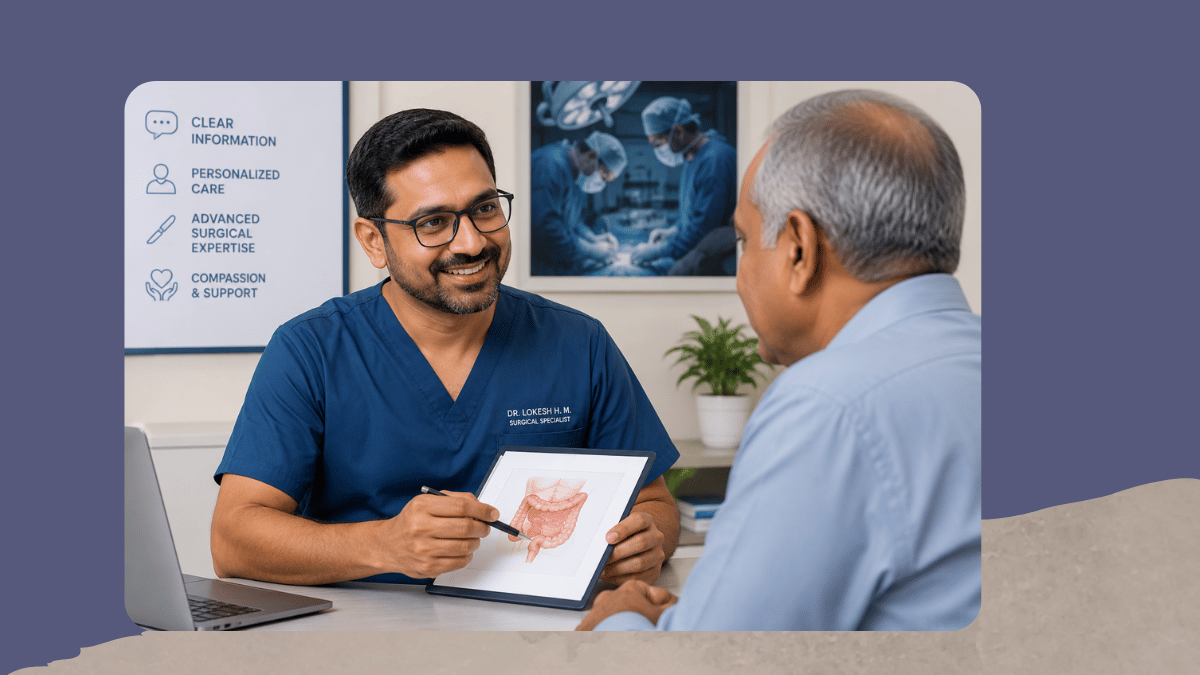
When I sit down with a patient to discuss the recommendation for surgery, I try to answer four questions clearly: What is the specific problem? What will surgery achieve? What are the risks? And what happens if we do not operate? That conversation should leave the patient feeling informed and genuinely part of the decision, not simply told what to do.
What to Expect: Before, During, and After Laparoscopic GI Surgery
Before Surgery
Pre-operative assessment for laparoscopic GI surgery typically includes blood tests, an ECG, and any specific investigations relevant to the condition, including ultrasound for gallstone disease, CT scan or colonoscopy for colorectal conditions, and so on. For most elective laparoscopic procedures, patients are admitted on the day of surgery and go home the same day or the following morning. Fasting from the midnight before surgery is standard, and patients are given clear instructions about any medications to continue or pause.
During Surgery
Most laparoscopic GI procedures are performed under general anaesthesia, which means the patient is completely asleep and unaware throughout. After the anaesthetic is established, small incisions are made, the abdomen is inflated with carbon dioxide gas to create the working space, and the camera and instruments are introduced. The surgeon operates using the monitor image, which provides a magnified, high-definition view of the abdominal contents. Depending on the procedure, operative time ranges from 30 minutes for a straightforward laparoscopic appendectomy to two to three hours for more complex colorectal work.
After Surgery and Recovery
Recovery from laparoscopic gastrointestinal surgery is one of the areas where the advantage over open surgery is most clearly felt by patients. Most people who undergo a laparoscopic cholecystectomy or hernia repair are walking the same evening, tolerating fluids the same day, and eating normally within 24 to 48 hours. Pain is managed with oral analgesics in the vast majority of cases, as the small incisions cause significantly less pain than a traditional open wound. Return to light activity, including desk work and walking, is typically possible within one to two weeks for most laparoscopic procedures. Return to heavy lifting and vigorous physical activity is generally appropriate after four to six weeks, depending on the specific procedure. Post-operative follow-up appointments allow the surgical team to confirm that healing is progressing normally and to address any concerns. For more complex procedures such as laparoscopic colorectal resection, recovery takes longer, and the return to normal diet follows a more gradual pathway as the bowel recovers its function. Even for these procedures, the laparoscopic approach reduces the length of ileus, the period when the bowel is temporarily inactive after surgery, and shortens hospital stay compared to open surgery.
Red Flags: When to Seek Immediate Surgical Evaluation
Not all GI surgical presentations are elective. Certain symptoms indicate a potentially serious or time-critical situation that requires urgent assessment rather than a routine outpatient appointment. Seek immediate evaluation if you experience:
- Severe abdominal pain that comes on suddenly or progressively worsens over hours
- Abdominal pain accompanied by fever, vomiting, or inability to pass wind or stool
- Signs of gastrointestinal bleeding, including blood in vomit, black or tarry stools, or significant fresh blood in the stool
- A hernia that becomes suddenly painful, hard, or unable to be pushed back in, as this may indicate strangulation
- Severe jaundice (yellowing of the skin and eyes) combined with fever and abdominal pain, which is a potential sign of bile duct obstruction with infection
These presentations can represent surgical emergencies. Early evaluation and timely intervention significantly reduce the risk of serious complications.
Why the Surgeon's Experience Matters in Minimally Invasive GI Surgery
Laparoscopic surgery is not simply open surgery performed through smaller holes. It requires a different set of technical skills, a different spatial understanding of anatomy, and a significantly larger volume of specific training and practice to achieve consistently safe outcomes. The rate of complications in laparoscopic surgery, including the risk of bile duct injury during cholecystectomy or conversion to open surgery when anatomy is difficult, is directly related to the surgeon's experience and the volume of procedures they have performed. Over more than two decades, I have performed 10,000 gastrointestinal surgical procedures at Narayana Multispeciality Hospital and RK Speciality Clinic, Mysuru. The breadth of that experience across the full spectrum of minimally invasive GI surgery in Mysuru, from straightforward cholecystectomies to complex HPB and colorectal surgery, means that when a case presents unexpected anatomy or technical difficulty, I have the intraoperative experience to navigate it safely. Volume is not the only thing that matters in a surgeon, but it matters considerably. My credentials, including MS General Surgery from PGIMER Chandigarh, MCh Surgical Gastroenterology from SGPGIMS Lucknow, and Fellowship in Pancreato-Biliary Surgery, reflect a commitment to the highest level of training available in surgical gastroenterology in India.
A Final Word
If you or someone in your family has been told they need gastrointestinal surgery, I would encourage you to ask questions and to expect answers. Ask what the procedure involves. Ask about recovery. Ask about the surgeon's experience with this specific procedure. Ask what the risks are for your particular case, not just in general terms. Good surgical care begins with a good conversation. My commitment in every consultation at Narayana Multispeciality Hospital and RK Speciality Clinic, Mysuru, is that you leave with a clear understanding of your condition, the surgical plan, what to expect before and after the procedure, and what we will do together to achieve the best possible outcome. Gastrointestinal surgery has genuinely transformed what is possible for patients with digestive system conditions, and that transformation belongs to you.
To book a consultation with Dr. Lokesh H M at RK Speciality Clinic, Vijayanagar 2nd Stage, Mysuru (Monday to Saturday, 7 PM to 8:30 PM) or Narayana Multispeciality Hospital, Mysuru (Monday to Saturday, 9:30 AM to 4:30 PM), call +91 89719 08095.
Written by Dr. Lokesh H M, MBBS (Al-Ameen Medical College, Bijapur), MS General Surgery (PGIMER, Chandigarh), MCh Surgical Gastroenterology (SGPGIMS, Lucknow), Fellowship in Pancreato-Biliary Surgery (SGPGIMS, Lucknow), FMAS (Fellowship in Minimal Access Surgery), Senior Consultant Surgical Gastroenterologist, Narayana Multispeciality Hospital, Mysuru and RK Speciality Clinic, Vijayanagar, Mysuru.
Related reading
Building Trust Before Surgery: How Dr. Lokesh H. M. Helps Patients Feel Informed and Confident
Beyond the Operating Room: The Values That Define Dr. Lokesh H. M.'s Surgical Practice
Add a Comment