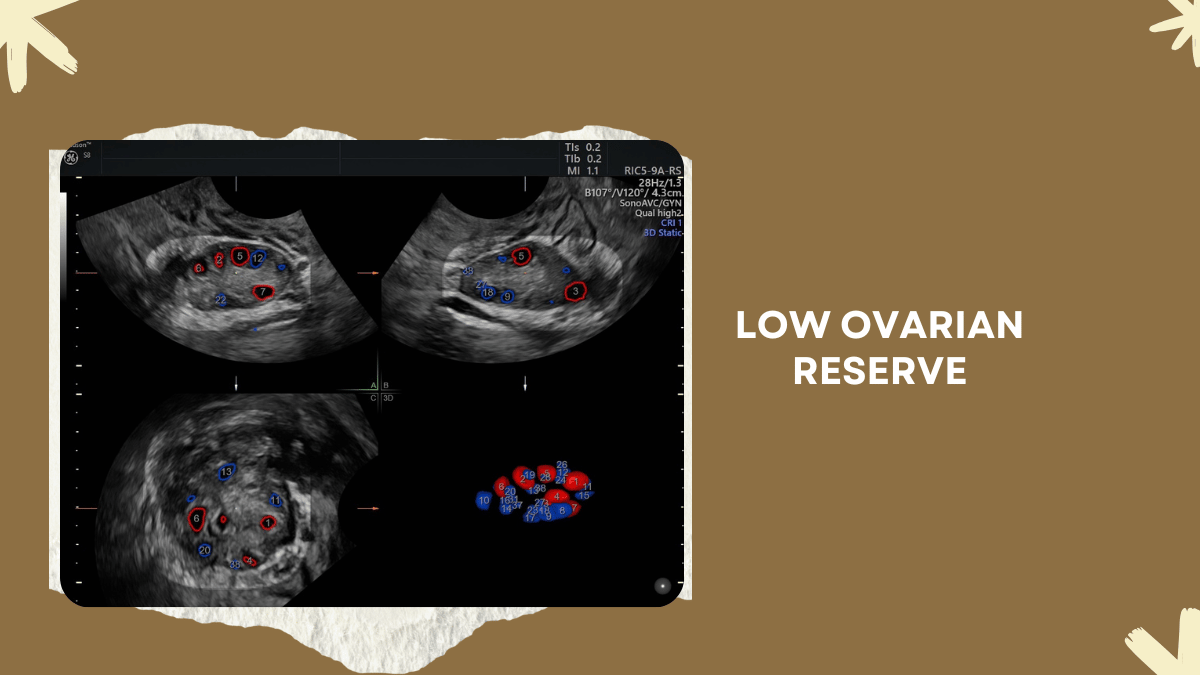
Low ovarian reserve refers to a reduced number and quality of eggs remaining in a woman’s ovaries. It is an increasingly common concern, especially as more women choose to plan pregnancy later in life. While the diagnosis can feel overwhelming, understanding the condition and seeking timely care can make a meaningful difference in fertility outcomes.
In my clinical practice, I often meet women who are deeply anxious after being told they have a low ovarian reserve, fearing it means pregnancy is no longer possible. From experience, I reassure them that low ovarian reserve does not mean zero chances it means we need timely, well-planned, and individualized care. Many patients are diagnosed during routine fertility evaluations or after delayed conception, and early intervention makes a significant difference. By understanding each woman’s age, hormonal profile, and reproductive goals, I focus on optimizing egg quality, planning fertility treatment promptly when needed, and offering realistic yet hopeful guidance. With the right approach, many women with low ovarian reserve achieve successful outcomes.
What Is Ovarian Reserve?
Ovarian reserve represents a woman’s reproductive potential, determined by both the quantity and quality of her eggs. Women are born with a fixed number of eggs, and this number naturally declines with age. When this decline happens faster than expected for a woman’s age, it is referred to as low ovarian reserve.
Causes of Low Ovarian Reserve
- Several factors can contribute to low ovarian reserve, including:
- Advancing age, particularly after 35 years
- Genetic predisposition or family history of early menopause
- Previous ovarian surgery
- Chemotherapy or radiation therapy
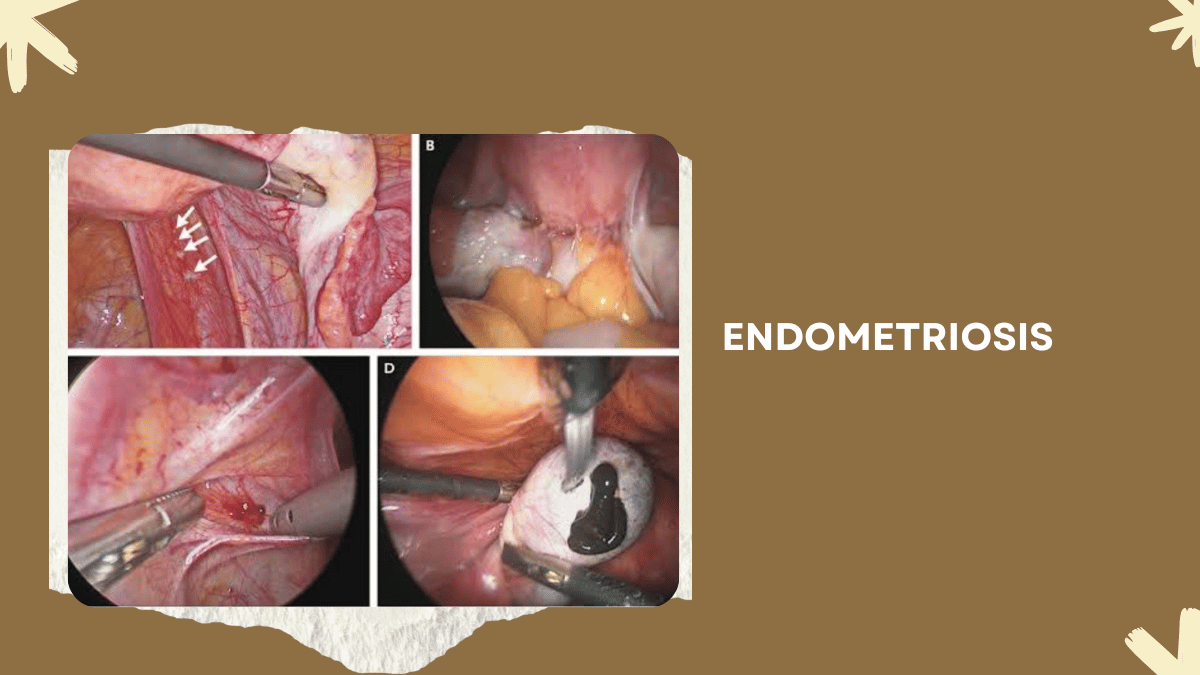
- Endometriosis or severe pelvic infections
- Autoimmune conditions
In some women, no clear cause is identified, and the condition is detected during fertility evaluation.
Signs and Symptoms
Low ovarian reserve often has no obvious symptoms. Menstrual cycles may remain regular, which is why many women are unaware of the condition until they face difficulty conceiving. In some cases, women may notice shorter menstrual cycles or poor response to fertility medications.
How Is Low Ovarian Reserve Diagnosed?
Diagnosis is based on a combination of tests and clinical assessment. Common tests include:
Anti-Müllerian Hormone (AMH) levels
Antral follicle count (AFC) on ultrasound
These tests help estimate ovarian reserve but do not predict natural conception with certainty. They guide treatment planning rather than determine absolute fertility potential.
Impact on Fertility
Low ovarian reserve can make conception more challenging due to fewer eggs available for fertilization and potentially reduced egg quality. However, it does not mean pregnancy is impossible. Many women conceive naturally or with fertility treatments, especially when intervention is timely and individualized.
Treatment and Management Options
There is no treatment to increase the number of eggs, but fertility outcomes can be optimized through:
Timely fertility planning and counselling
Lifestyle modifications to support egg quality
Medical strategies to improve ovarian response
Assisted reproductive techniques such as IVF
Fertility preservation options in selected cases
Treatment decisions are guided by age, hormone levels, fertility goals, and overall health.
Emotional Well-Being and Support
A diagnosis of low ovarian reserve can bring emotional stress, anxiety, and fear about the future. Counselling, open communication, and emotional support play an essential role alongside medical treatment. Understanding realistic expectations helps patients make confident, informed decisions.
Low ovarian reserve is a challenging but manageable fertility condition. Early diagnosis, expert guidance, and a personalized approach allow many women to achieve their reproductive goals. Seeking timely medical advice is key to navigating this journey with clarity and hope.
Add a Comment