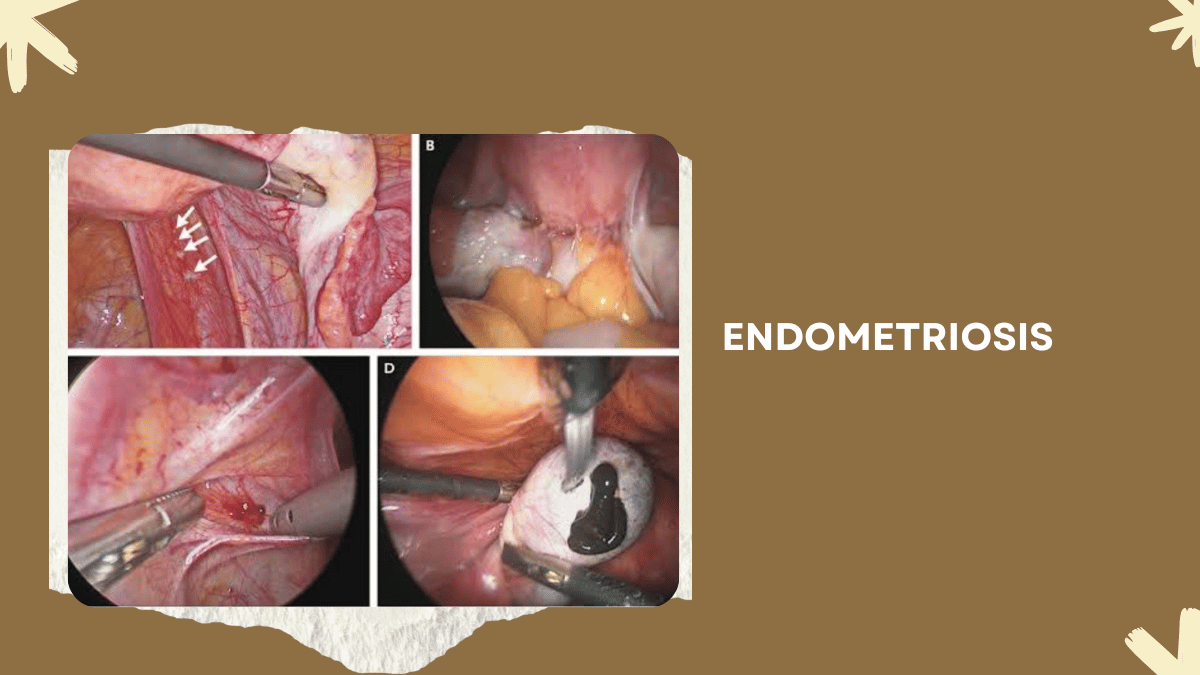
Endometriosis is a chronic gynecological condition that affects millions of women worldwide, yet it often goes undiagnosed for years. Many women are told that painful periods are “normal,” leading them to silently endure symptoms that significantly impact their daily lives, work productivity, relationships, and fertility. Understanding for endometriosis is the first step toward timely diagnosis and effective treatment.
In my clinical experience, endometriosis is one of the most underdiagnosed causes of chronic pelvic pain and infertility in women. I often meet patients who have lived for years with severe menstrual pain, discomfort during daily activities, or unexplained fertility issues, believing it to be “normal.” Endometriosis is not just a painful period it is a progressive condition that can affect the ovaries, pelvic organs, and overall quality of life. With timely diagnosis, individualized medical or surgical management, and a compassionate, long-term approach, most women experience significant symptom relief and improved fertility outcomes. Early intervention and awareness make a meaningful difference in both physical and emotional well-being.
What Is Endometriosis?
Endometriosis occurs when tissue similar to the lining of the uterus (endometrium) grows outside the uterus. These growths are commonly found on the ovaries, fallopian tubes, pelvic lining, and surrounding organs. Just like normal uterine lining, this tissue responds to hormonal changes during the menstrual cycle, but because it has no way to exit the body, it leads to inflammation, scarring, and pain.
Common Symptoms of Endometriosis
Symptoms can vary widely from one woman to another. Some may experience severe pain, while others have minimal symptoms. Common signs include:
Severe menstrual cramps that worsen over time
Chronic pelvic or lower back pain
Pain during or after intercourse
Painful bowel movements or urination during periods
Heavy or irregular menstrual bleeding
Difficulty conceiving or infertility
Endometriosis can also lead to fatigue, bloating, and emotional distress, affecting overall quality of life.
Why Is Endometriosis Often Diagnosed Late?
One of the biggest challenges with endometriosis is delayed diagnosis. Symptoms are frequently mistaken for routine menstrual pain, irritable bowel syndrome, or urinary problems. Social stigma around discussing menstrual health also contributes to women delaying medical consultation. On average, it can take several years before a correct diagnosis is made.
How Is Endometriosis Diagnosed?
Diagnosis begins with a detailed medical history and physical examination. Imaging tests such as ultrasound or MRI can help identify endometriotic cysts, but smaller lesions may not always be visible. In some cases, laparoscopy—a minimally invasive surgical procedure—is required to confirm the diagnosis. Early evaluation by a gynecologist plays a crucial role in avoiding prolonged suffering.
Impact on Fertility
Endometriosis is a known cause of infertility, as it can interfere with ovulation, egg quality, and implantation. However, many women with endometriosis can conceive naturally or with fertility treatments such as ovulation induction, IUI, or IVF. Individualized fertility planning is essential, especially for women planning pregnancy in the future.
Treatment and Management
There is no permanent cure for endometriosis, but it can be effectively managed. Treatment depends on symptom severity, age, and fertility goals, and may include:
Pain management and hormonal therapy
Lifestyle and dietary modifications
Surgical treatment in selected cases
Fertility-focused interventions when needed
A long-term, personalized approach helps control symptoms and prevent disease progression.
Living Well With Endometriosis
Endometriosis is a chronic condition, but with early diagnosis, proper medical care, and ongoing support, women can lead active, fulfilling lives. Seeking timely medical advice and understanding that severe period pain is not normal can make a life-changing difference.
Add a Comment