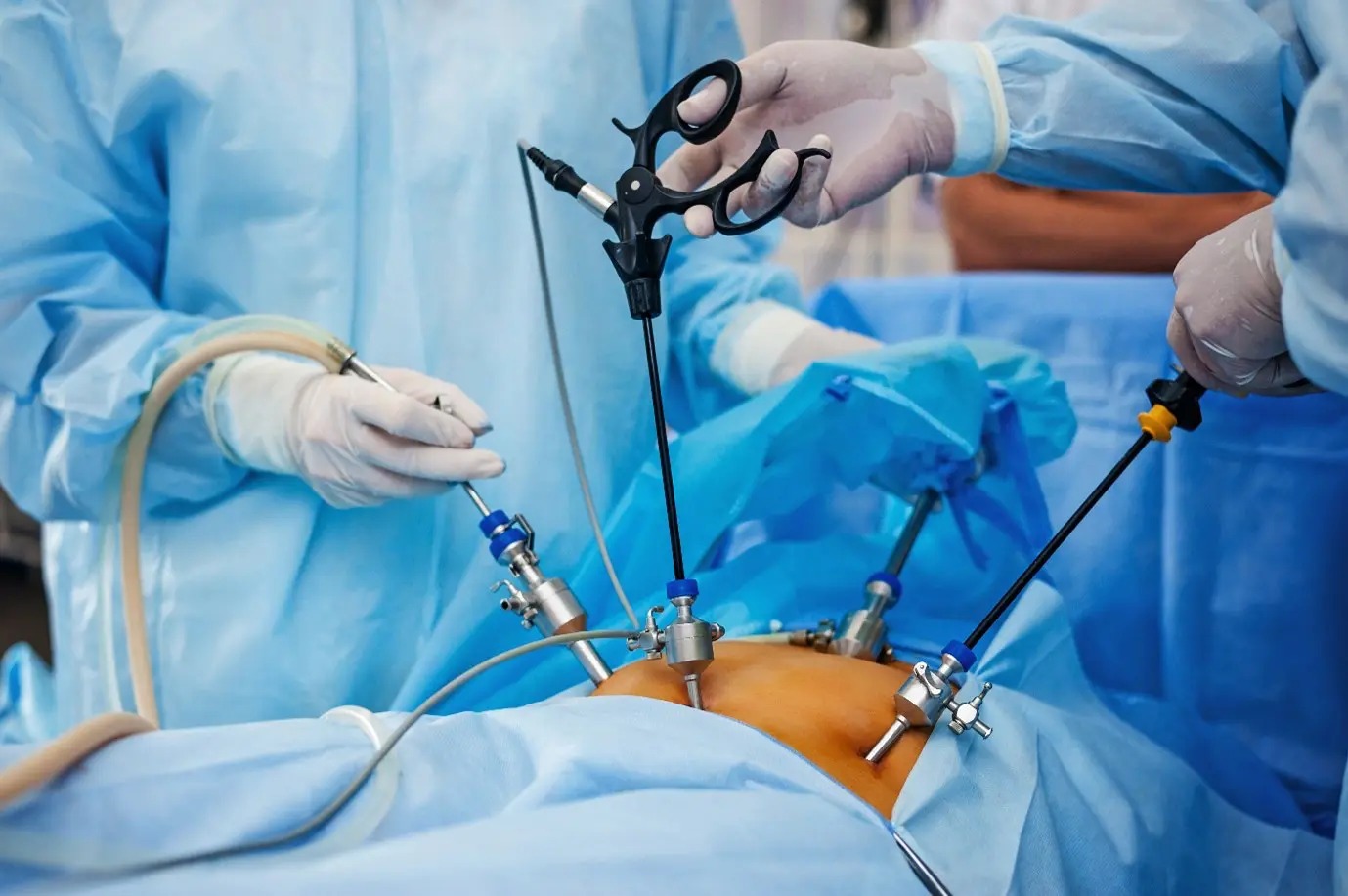
From the early days of basic laparoscopy to today’s advanced robotic systems, the field of surgery has undergone extraordinary transformation. Each breakthrough has expanded what we can achieve, allowing us to treat more complex conditions with greater precision, safety, and compassion. As a veteran gastrointestinal surgeon, I see the future of minimally invasive surgery as a landscape filled with promise one where technology continues to elevate patient care to new heights. I’d like to share my thoughts on this evolving journey, shaped by my experiences and the inspiring stories of the patients I’ve had the privilege to care for.
The Dawn of a New Era in Surgery:
When I first began practicing, open surgery was the norm. Patients would endure long hospital stays, heavy pain, and slow recoveries. The introduction of laparoscopic surgery marked a significant turning point smaller incision, quicker healing, less discomfort. I remember my first laparoscopic gallbladder removal. I was captivated by how technology allowed me to see inside the body with clarity, guiding my instruments with unprecedented accuracy.
Today, we stand at a crossroads where robotic surgery is making a profound difference. With robotic arms offering even greater dexterity and 3D visualization, complex surgeries like pancreatic tumor resections and hernia repairs have become safer and more precise. I am excited about how these advancements will translate into better quality of life for millions of patients.
Transforming Patient Care Through Technology:
In my practice, I have seen firsthand how technology elevates the standard of care. Take the case of a middle-aged man with a large ventral hernia a complex and challenging repair. Using robotic-assisted techniques, I was able to reconstruct his abdominal wall with precision, minimizing complications and reducing his recovery time from weeks to days. That patient’s gratitude reminded me that technology is a tool to serve humanity’s needs.
Looking forward, I believe artificial intelligence and machine learning will further personalize surgical planning. Imagine algorithms that analyze imaging in real-time to help surgeons make perfectly tailored decisions, minimizing risks and optimizing outcomes. The potential of these innovations is immense, and I am committed to staying at the forefront, continually updating my skills.
The Human Element: More Important Than Ever:
While the tools are advancing rapidly, I believe that the core of surgery remains rooted in compassion and understanding. My journey has reinforced that technology should never replace the human touch it should enhance it. Listening to my patients’ fears, explaining each step, and guiding them through what to expect are integral parts of healing.
One patient I remember told me, “I felt like I was part of the process, not just a patient.” That connection, built on trust and empathy, is what makes the future of surgery truly promising. Minimally invasive techniques reduce physical pain, but the emotional comfort provided by a caring surgeon makes all the difference.
The Road Ahead:
Looking ahead, I see limitless possibilities. Advances in nanotechnology, augmented reality, and smart surgical instruments will redefine what is possible. Surgeries that once lasted hours could be completed in minutes with unprecedented accuracy. The goal remains the same delivering safer, more effective care that restores health and hope faster and better.
For the next generation of surgeons and patients, my message is clear: Embrace innovation, but never forget that at the heart of every successful surgery lies compassion and integrity. The future of minimally invasive surgery is bright, and I am proud to be part of this transformative journey, guided by experience, fueled by curiosity, and driven by a steadfast commitment to healing.
👉 Together, let’s look forward to a future where technology and tenderness work hand in hand to create a better world of surgical care.

Add a Comment