

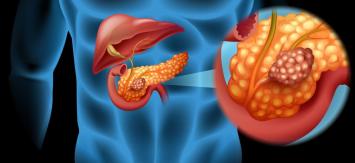
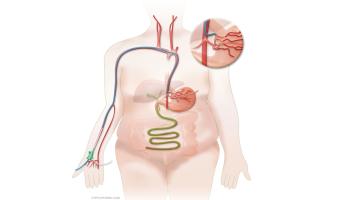




Surgery involves removing the tumor along with affected tissues, often using minimally invasive techniques to improve recovery and outcomes.
Lead Consultant - General & Gastrointestinal Surgery, Bariatric Surgery, Minimally Invasive (Laparoscopic/Robotic) Surgery & Laser Proctology
MS, DMAS, FIAGES, FALS (Robotic Surgery), FMBS (Bariatric & Metabolic Surgery), FIAS, MRCS (Training), MBA (Healthcare Management)
26 Years of Experience
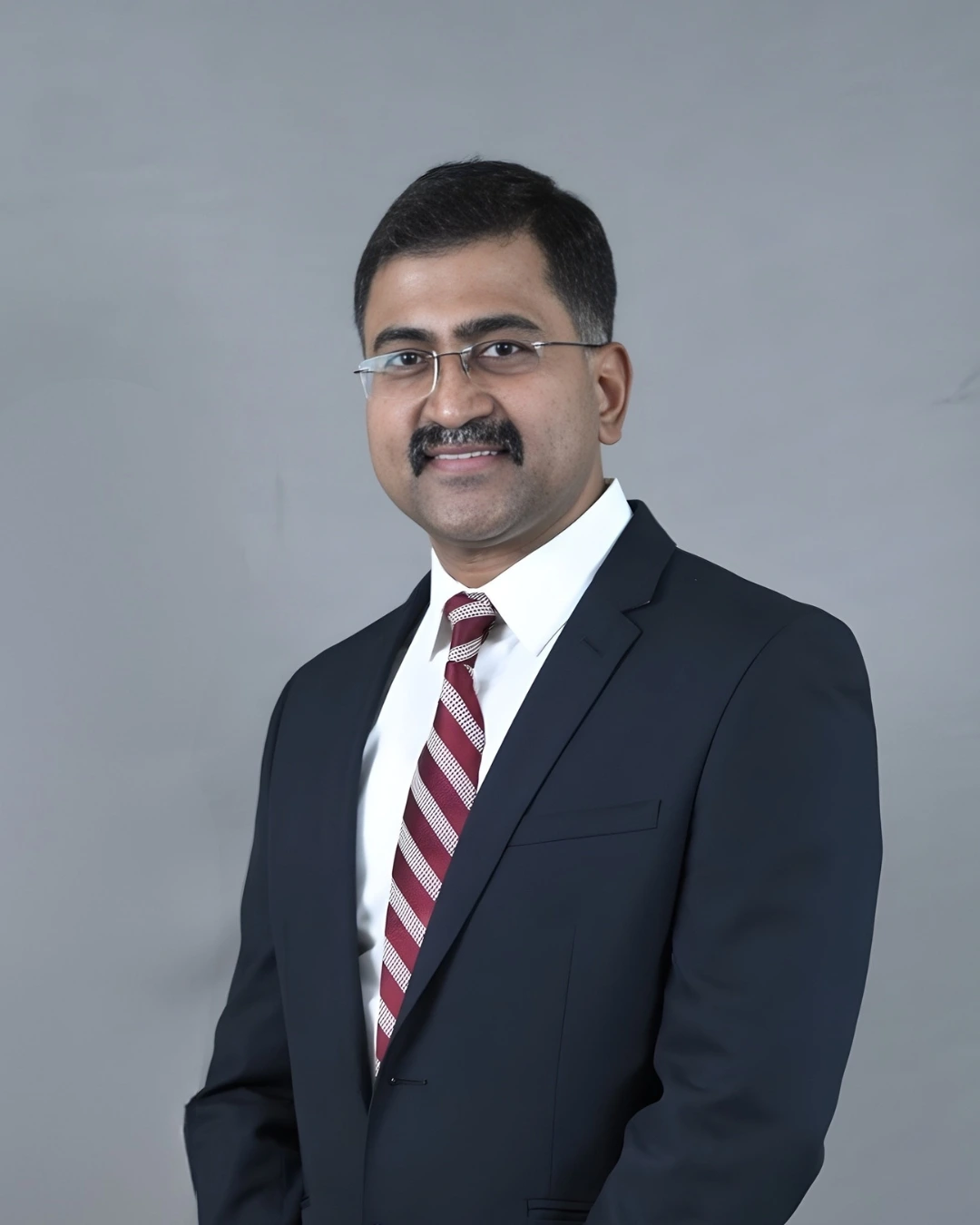
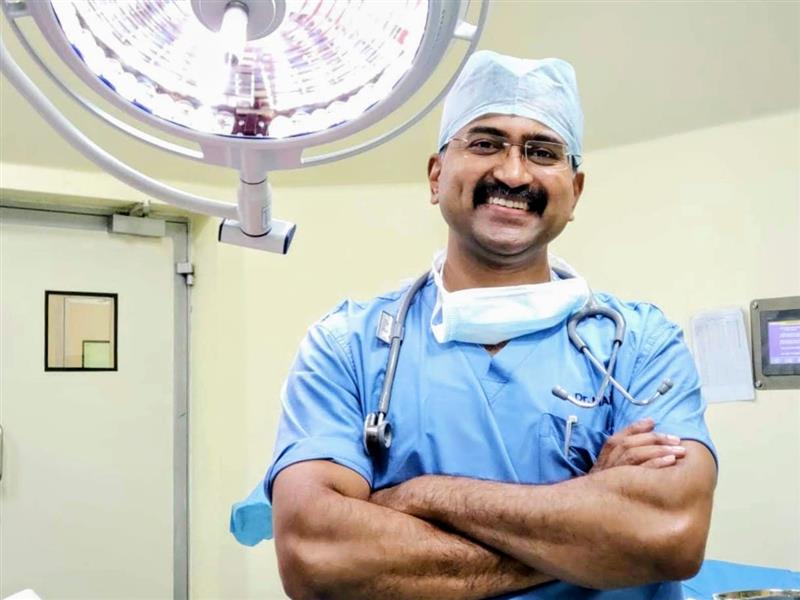
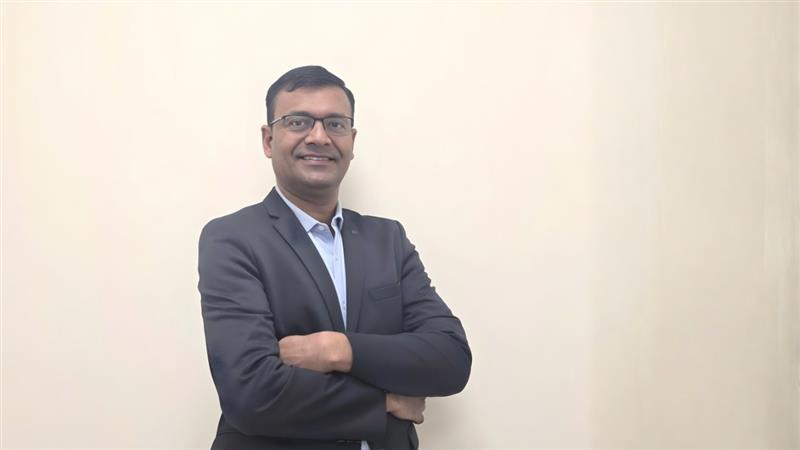
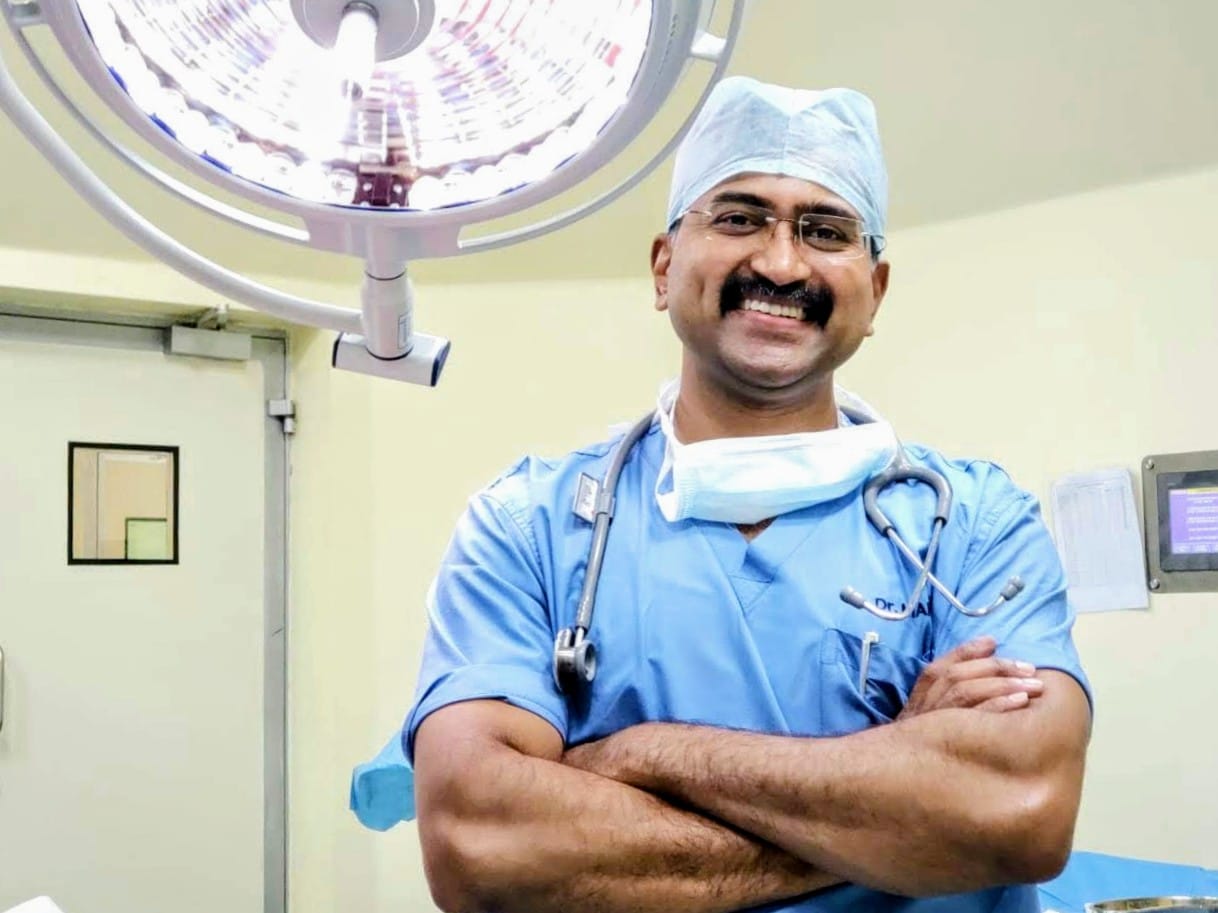
Dr. Mahesh Channappa is a seasoned surgeon with nearly 30 years of experience in General and Gastrointestinal Surgery. Based in central Bengaluru, he has trained and worked at top hospitals in India and UK, gaining extensive expertise in Minimally Invasive Gastro & General Surgeries, Robotic Surgeries, and Metabolic & Bariatric Surgeries. Known for his calm, precise, and compassionate approach, Dr. Mahesh Channappa is committed to delivering expert patient care, mentoring future surgeons, and staying at the forefront of surgical innovations. He currently serves as a Professor and Lead Consultant at Sparsh Hospital, where he specializes in advanced surgical procedures and academic excellence.
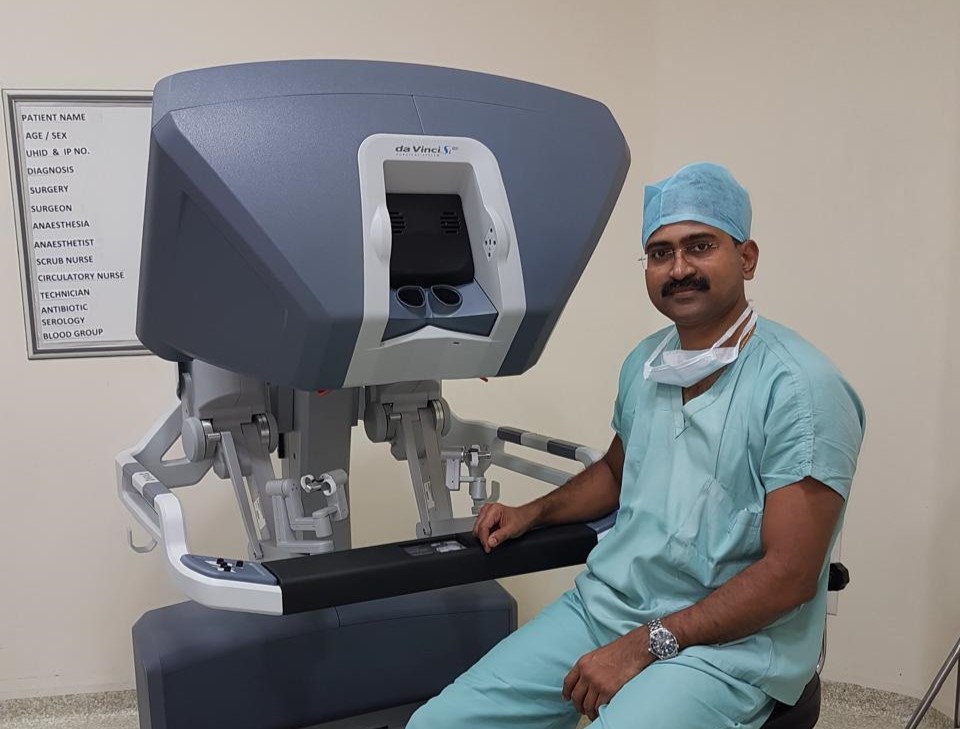
Dr. Mahesh Channappa specializes in advanced General and Gastrointestinal Surgery with a strong focus on minimally invasive, laparoscopic, and robotic procedures in Bangalore. His core areas of expertise include bariatric and metabolic surgery for weight loss, complex ventral and incisional hernia repair, colorectal surgery, and advanced laparoscopic gastrointestinal surgeries such as fundoplication, rectopexy, and Heller’s myotomy. He is also highly skilled in laser proctology for piles, fissures, and fistula, offering faster recovery and minimal discomfort. Dr. Mahesh performs non-cardiac thoracic surgeries and has extensive experience in urological and minimally invasive surgical procedures. With over 24 years of surgical experience and training in the UK National Health Service, he combines precision, safety, and innovation in every procedure. His expertise in robotic and laparoscopic surgery in Bangalore ensures reduced pain, shorter hospital stays, and excellent long-term outcomes for patients.
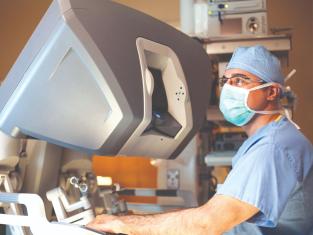
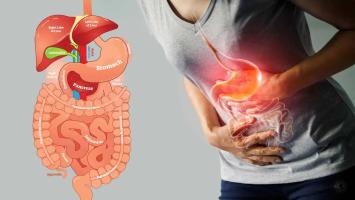
Robotic and Laparoscopic Gastrointestinal Surgeries: Minimally invasive techniques used to treat complex and routine conditions affecting the stomach, intestines, and pancreas, resulting in reduced pain and quicker recovery.
Gallbladder, Small Bowel, and Colorectal Procedures: Surgical management of gallstones, small bowel obstructions, and colorectal diseases like cancers and inflammatory conditions, often performed laparoscopically for minimal invasiveness.
Pancreatic Surgery: Treatments for pancreatic cysts, tumors, and other diseases using specialized minimally invasive techniques to improve outcomes and reduce complications.
Laparoscopic/Robotic Abdominal Wall Hernia Repairs: Advanced surgery to repair ventral, inguinal, and other abdominal wall hernias with minimally invasive methods, promoting faster healing.
Bariatric and Metabolic Surgery: Procedures like sleeve gastrectomy and gastric bypass that help with weight loss and metabolic health improvement in obese patients.
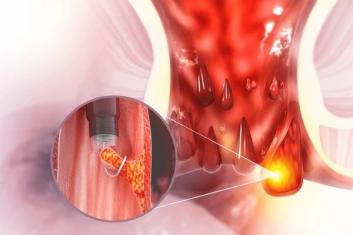
Laser Proctology: Minimally invasive laser treatments for hemorrhoids, fissures, fistulas, and pilonidal sinus, offering pain-free recovery and excellent results.
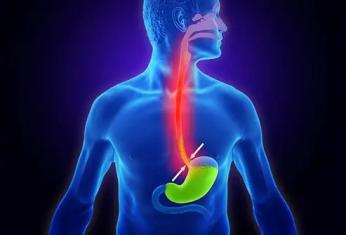
Anti-reflux Surgery: Surgical options such as fundoplication to treat acid reflux or GERD, preventing stomach acid from flowing back into the esophagus.
Upper GI, Colorectal, and Vascular Interventions: Surgical management of diseases of the upper gastrointestinal tract, colorectal system, and vascular conditions, utilizing minimally invasive approaches for better outcomes.
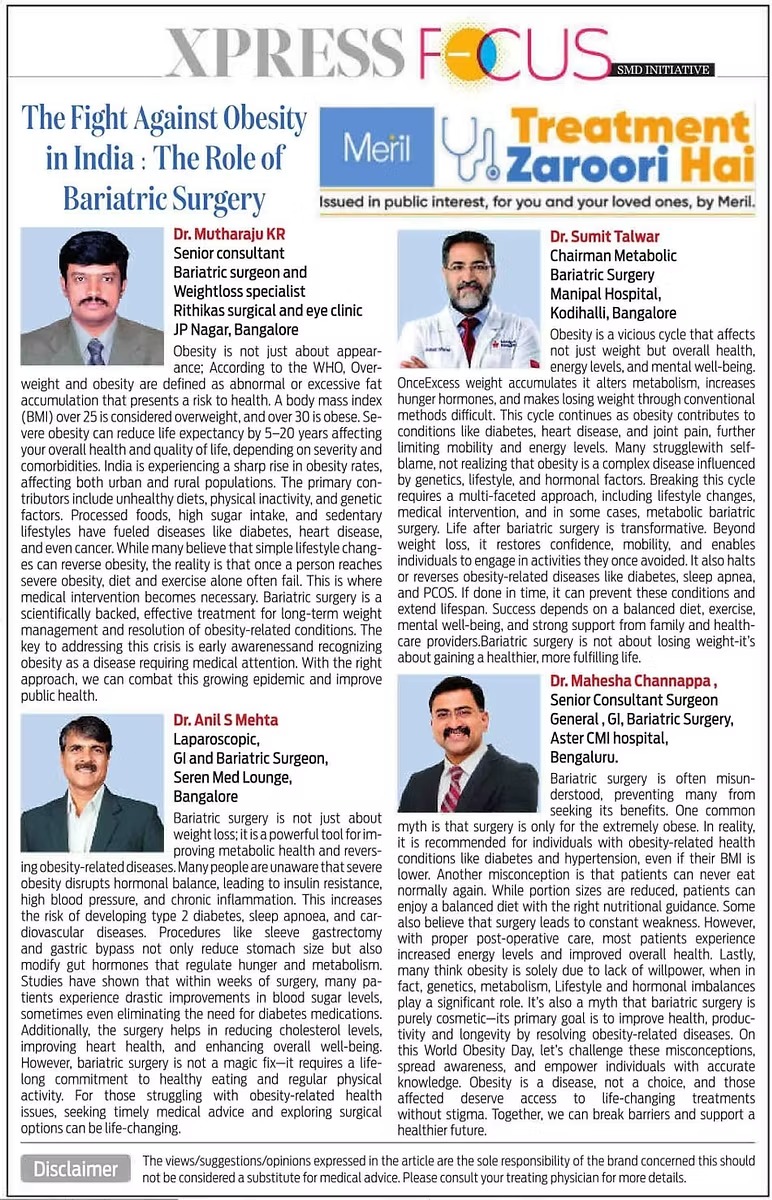
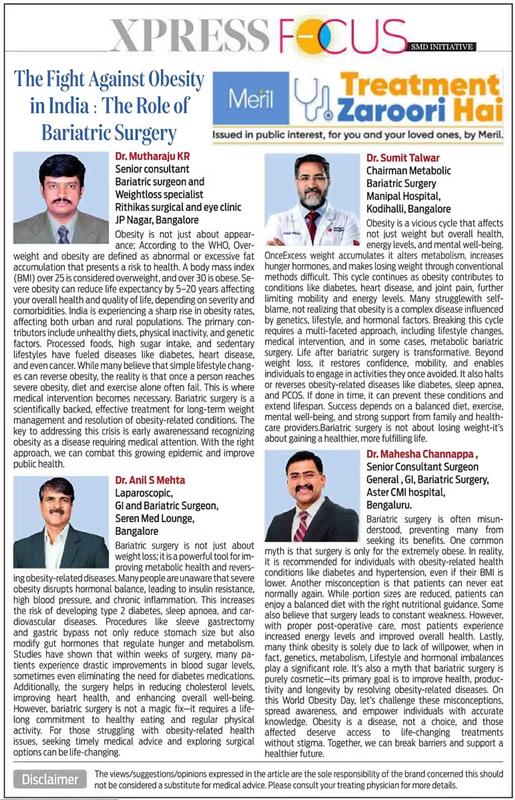
Dr. Mahesh Channappa was quoted in The New Indian Express industry feature on "Fight Against Obesity" on page 03 of the Bangalore edition.


Awards
Best Paper Award – “Sclerotherapy for Varicose Veins”, awarded by the Association of Surgeons of India (ASI), Bangalore Chapter
Publications
Laser Hemorrhoidectomy – Our Experience
Indian Journal of Surgery Science, June 2021
Management of Gallstones in Obesity Surgery – A Review
SAS Journal of Surgery, August 2021
Umbilical Endometriosis – A Case Report
International Journal of Scientific Research, September 2021
Piles & Pandemic – A Review
International Journal of Scientific Research, October 2021
M.B.B.S. – J.S.S. Medical College, Mysore University
M.S. (General Surgery) – Dr. B. R. Ambedkar Medical College, Rajiv Gandhi University of Health Sciences
MBA in Healthcare Management – Suresh Gyan Vihar University, Rajasthan
FAIS – Fellow of the Association of Surgeons of India
FIAGES – Fellow of the Indian Association of Gastrointestinal Endo Surgeons
FALS – Fellowship in Advanced Laparoscopic Surgery
FMBS – Fellowship in Bariatric & Metabolic Surgery
Robotic Surgery Training – Certified training including Da Vinci robotic systems
UK Surgical Training – Completed 3-year structured surgical training with the National Health Service (NHS), United Kingdom
43/2, NH 7, New Airport Road, Sahakar Nagar, Sanjeevini Nagar, Bengaluru, Karnataka 560092
Phone: 080 4342 0100 | +91 9620354889
Email: [email protected]
Sahakarnagar Main Rd, G Block, Sahakar Nagar, Byatarayanapura, Bengaluru, Karnataka 560092
Phone: +91 98448 16622
Charting the Future of Minimally Invasive Surgery
Navigating the Intricate World of Digestive Disorders
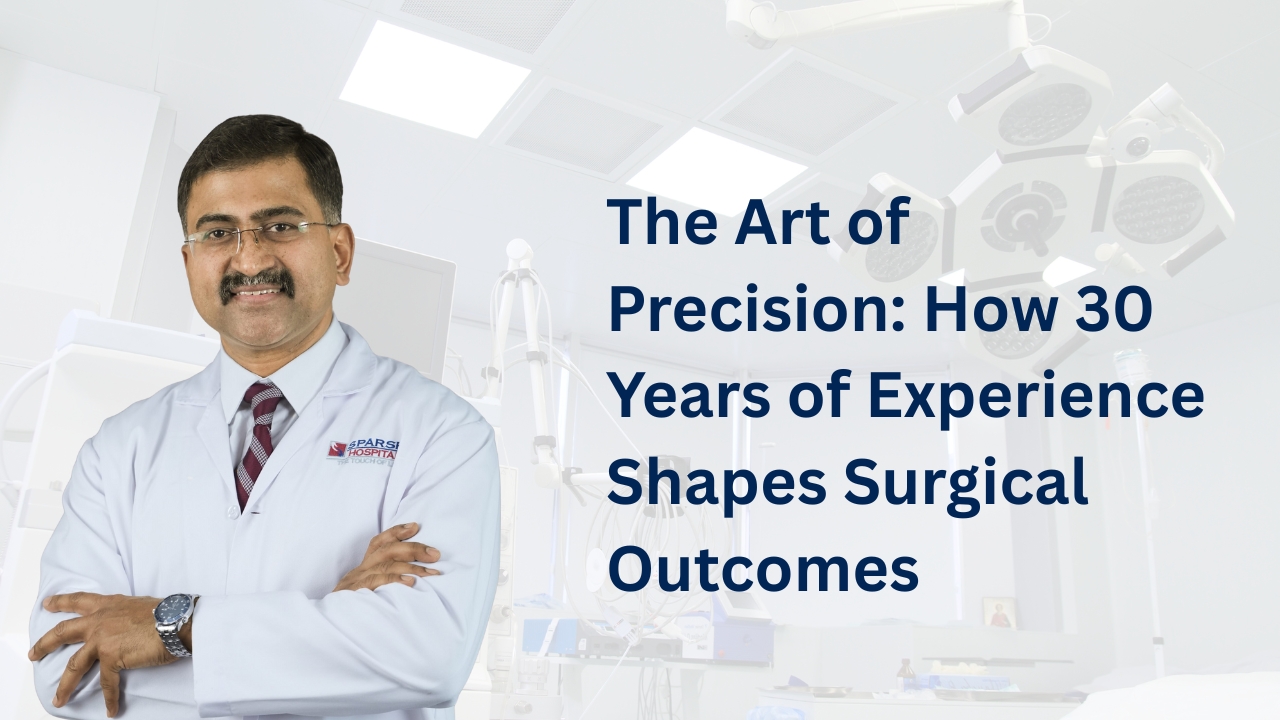
The Art of Precision How 30 Years of Experience Shapes Surgical Outcomes
Surgery involves removing the tumor along with affected tissues, often using minimally invasive techniques to improve recovery and outcomes.
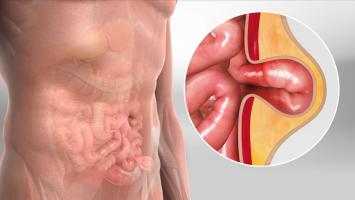
Hernias are protrusions of organs or tissues through weak spots in muscle walls, often needing surgery when they cause pain or risk strangulation.
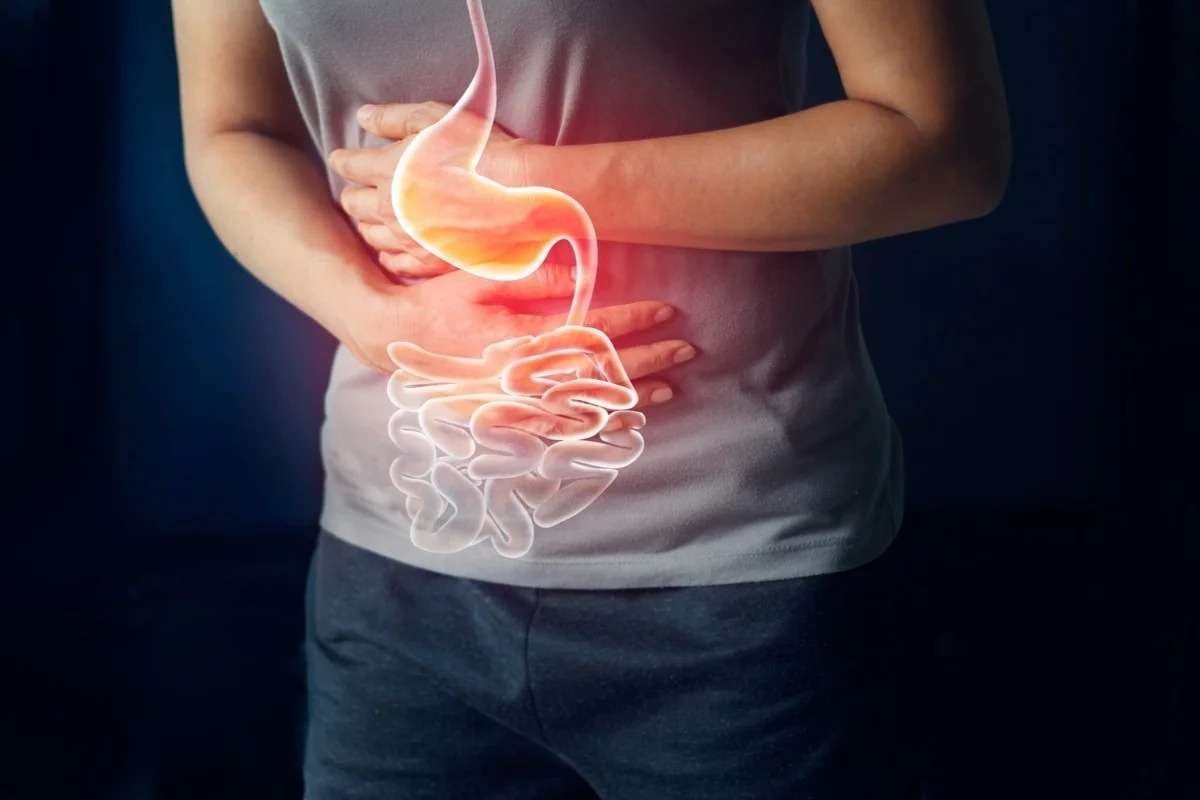
Conditions like tumors, severe blockages, perforations, inflammatory diseases, and malignant growths often require surgical intervention.
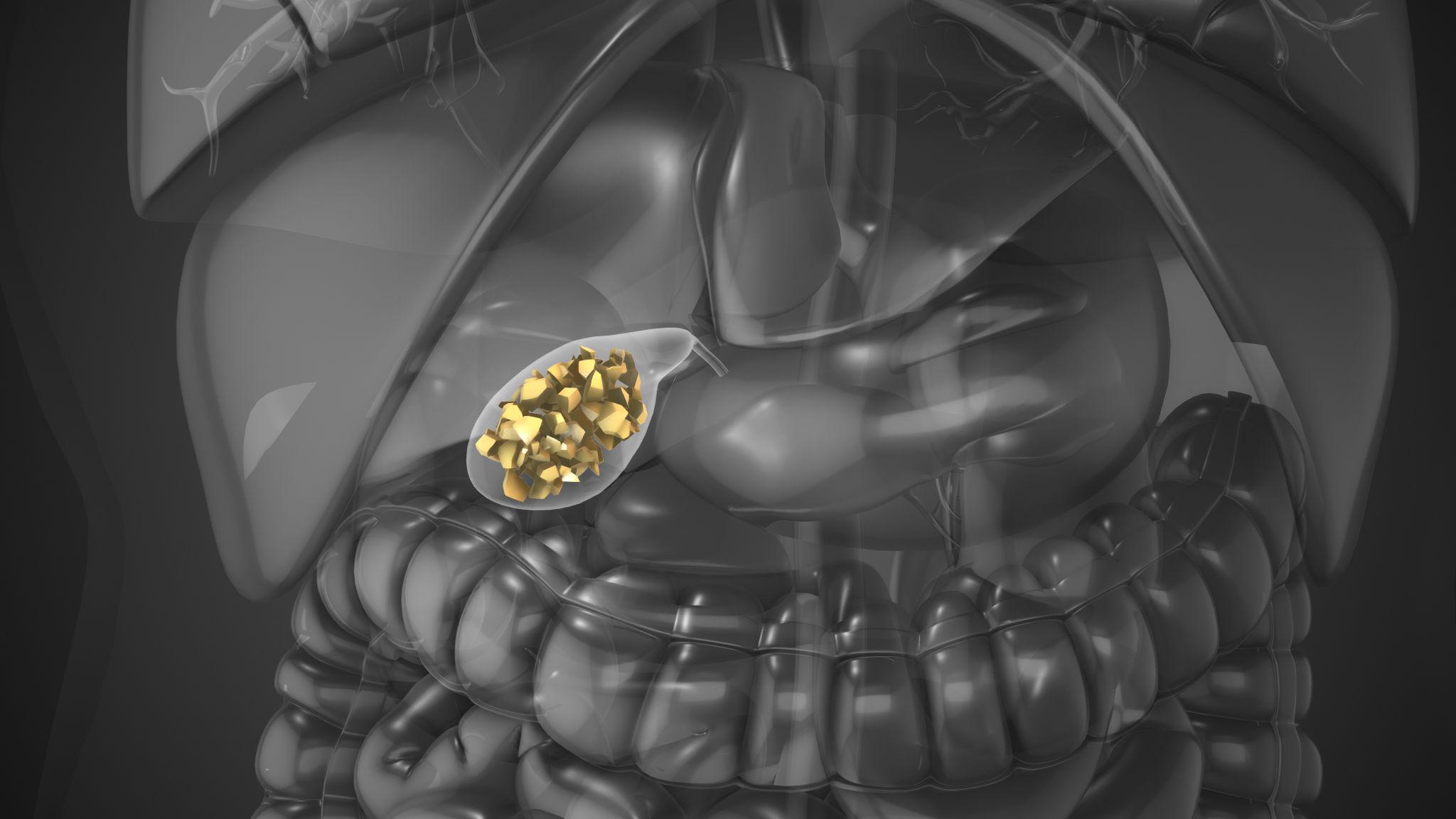
Surgery is recommended when gallstones cause persistent pain, infection, or complications like inflammation or blockage of bile ducts.
Conditions like gallstones, hernias, gastrointestinal tumors, pancreatic diseases, obesity, and complex colorectal issues can often be treated using minimally invasive techniques.
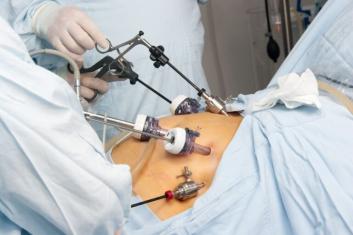
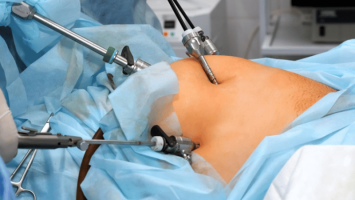
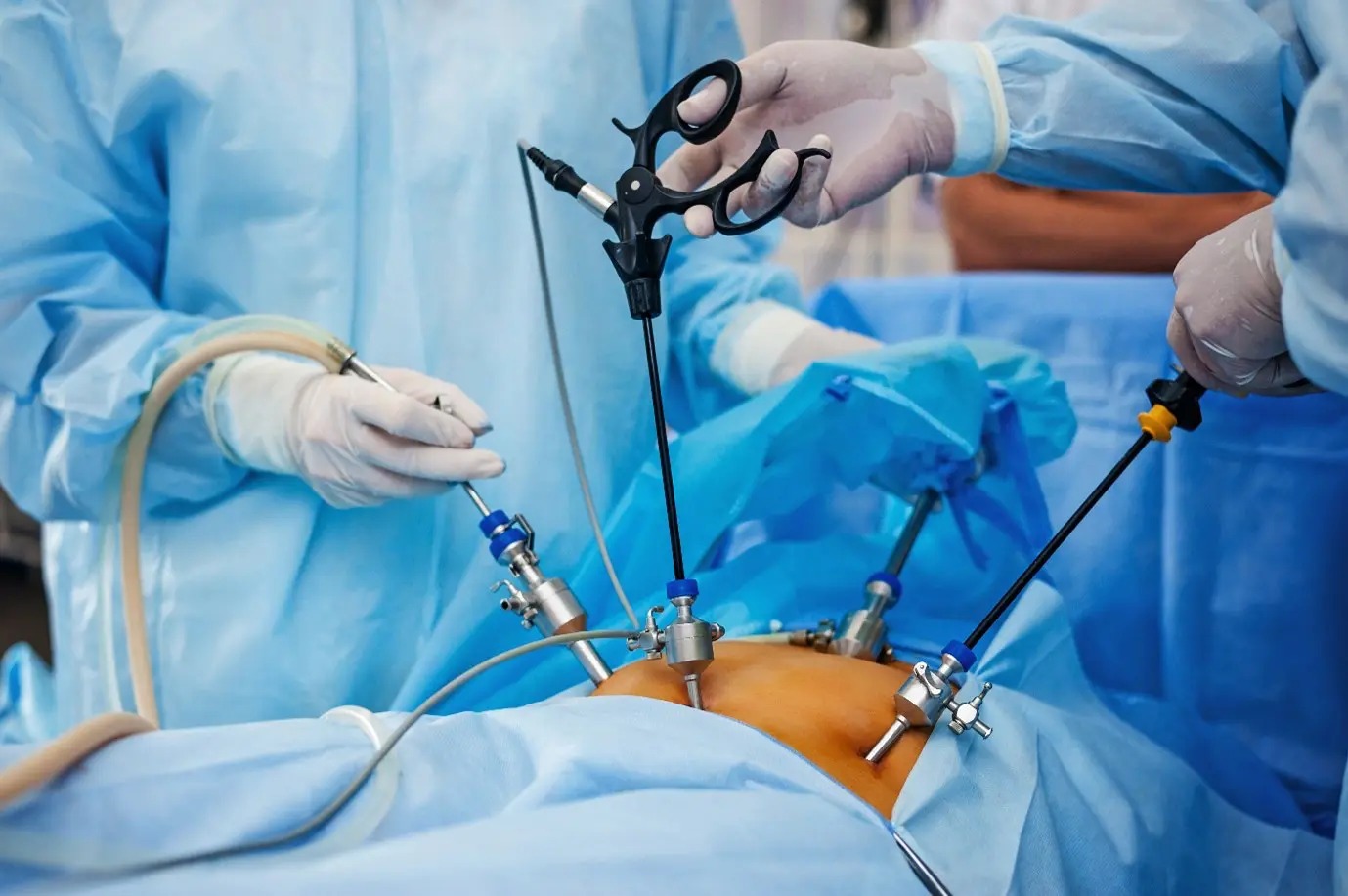
Minimally invasive surgery uses small incisions and advanced technology such as laparoscopes and robotic systems, resulting in less pain, faster recovery, and minimal scarring compared to open surgery.