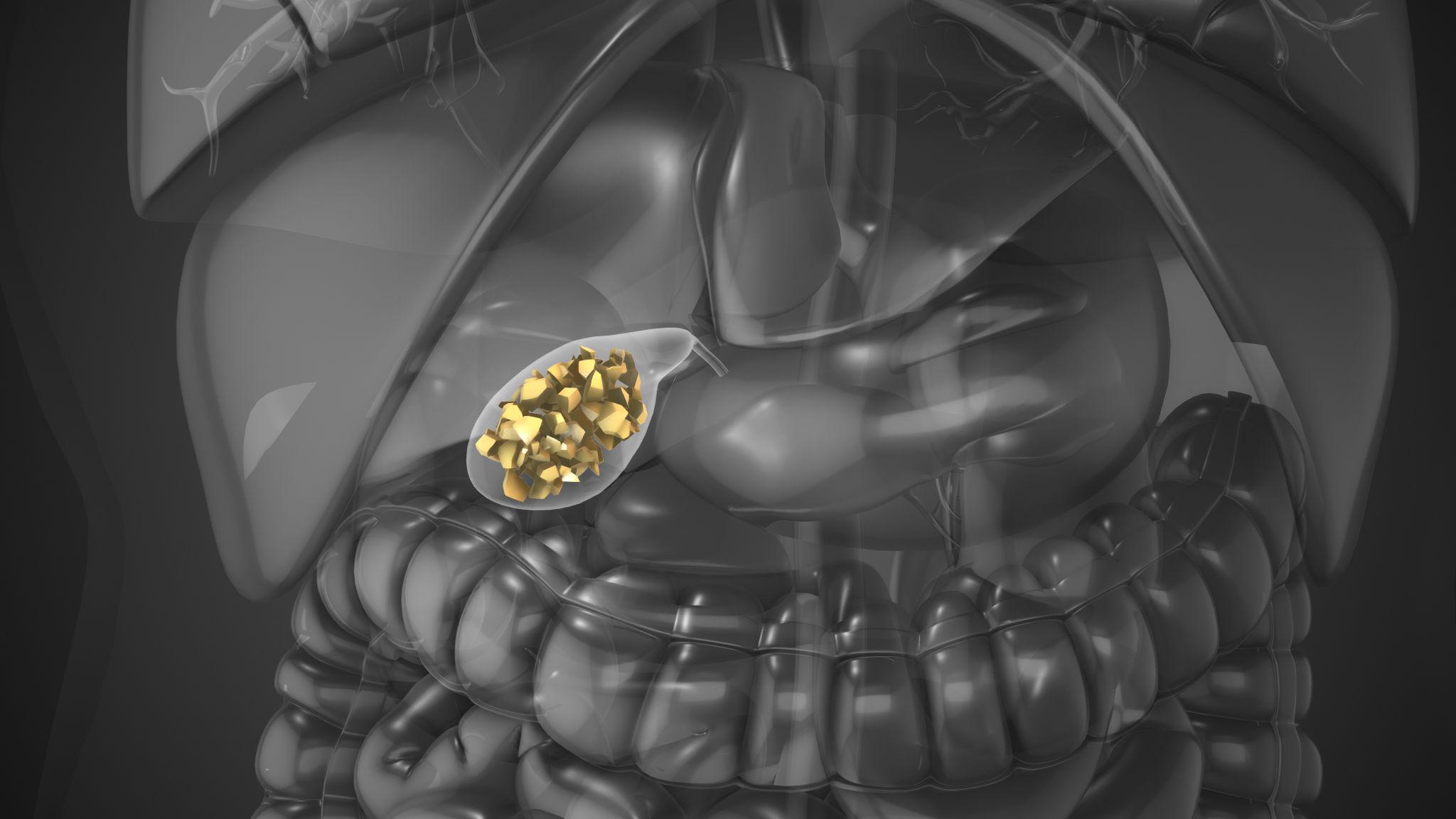
Gallstones are a common digestive problem affecting millions of people worldwide. These are hardened deposits that form in the gallbladder, often made of cholesterol or bilirubin. While many individuals with gallstones remain symptom-free, others may experience severe pain and complications. The key question most patients ask is: Do I really need surgery for gallstones? Understanding when treatment is necessary can help you make informed decisions and avoid unnecessary risks.
In my clinical practice, I often see patients who discover gallstones during routine scans and immediately worry about surgery. It’s important to know that not all gallstones require removal. However, when symptoms begin to interfere with daily life or complications arise, timely surgical intervention can prevent serious health issues. The decision is always individualized, based on symptoms, risk factors, and overall health.
What Are Gallstones?
Gallstones are solid particles that develop in the gallbladder, a small organ located beneath the liver that helps digest fats. They vary in size and number and may remain silent for years.
Common types include:
Cholesterol stones (most common)
Pigment stones (related to liver or blood conditions)
Many people are unaware they have gallstones until symptoms appear.
Symptoms That Should Not Be Ignored
You may not need surgery if your gallstones are silent. However, medical attention is necessary if you experience:
Sudden, intense pain in the upper abdomen (biliary colic)
Pain after fatty meals
Nausea or vomiting
Jaundice (yellowing of skin or eyes)
Fever with chills (possible infection)
These symptoms indicate that gallstones are causing blockage or inflammation.
When Do You Really Need Surgery?
Surgery, specifically laparoscopic cholecystectomy (minimally invasive gallbladder removal), is recommended when:
You have recurrent pain or attacks
There is infection (cholecystitis)
Gallstones block bile ducts
There are complications like pancreatitis
Symptoms significantly affect quality of life
In such cases, delaying surgery can lead to more serious complications.
When Surgery May Not Be Needed
Not all gallstones require immediate treatment. You may not need surgery if:
Gallstones are discovered incidentally (no symptoms)
You have mild, infrequent discomfort
There are no signs of complications
Regular monitoring and lifestyle modifications may be sufficient in these cases.
Benefits of Minimally Invasive Surgery
Modern techniques such as laparoscopic or robotic surgery offer several advantages:
Smaller incisions and minimal scarring
Faster recovery time
Less postoperative pain
Short hospital stay
Early return to normal activities
These advancements have made gallbladder surgery safer and more comfortable for patients.
Recovery After Gallbladder Surgery
Recovery is usually quick:
Most patients go home within 24 hours
Resume normal diet gradually
Return to work within 1–2 weeks
Avoid heavy lifting for a short period
Following your surgeon’s advice ensures smooth healing.
Conclusion
Gallstones do not always require surgery, but ignoring symptoms can lead to serious complications. The decision depends on whether the stones are causing pain or health risks. Consulting an experienced surgeon helps determine the best course of action. With modern minimally invasive techniques, gallbladder surgery is safe, effective, and offers a quick recovery—allowing you to return to a healthy, pain-free life.


Add a Comment