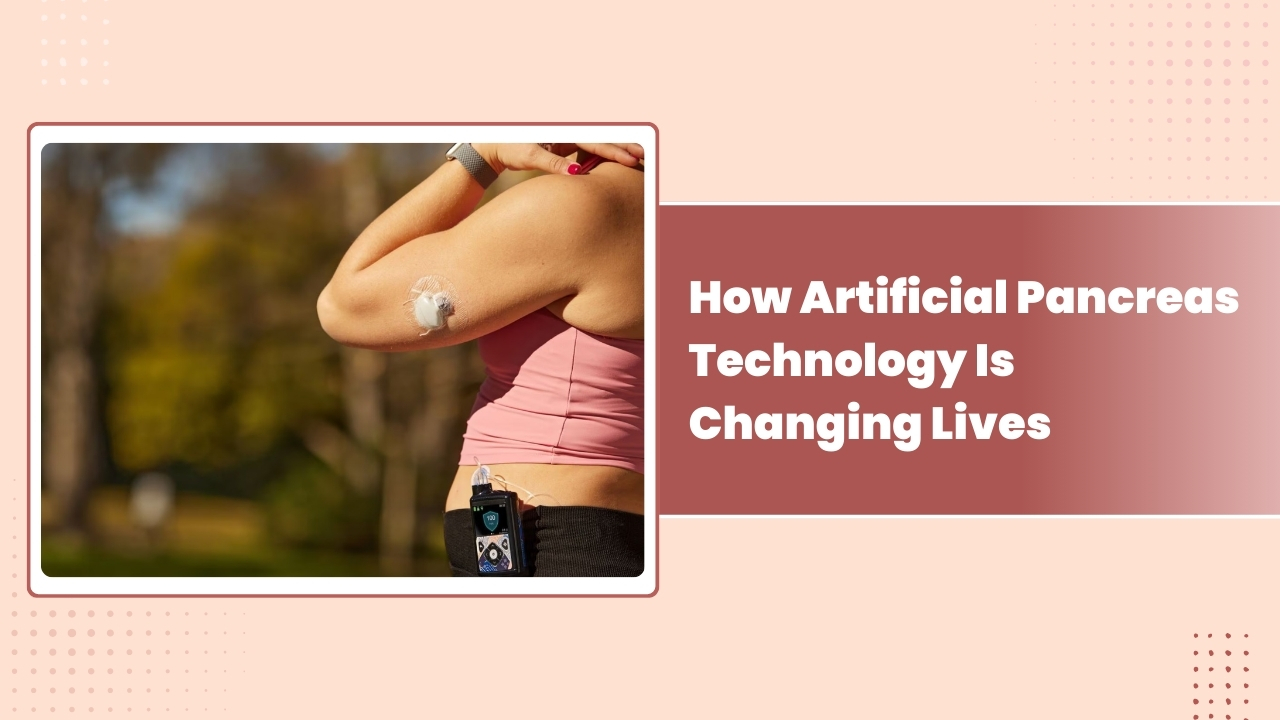
Diabetes is a condition that touches so many lives—it’s a silent yet relentless challenge that forces patients and doctors alike to navigate a complex maze of daily decisions. As an endocrinologist with decades of experience, I’ve seen how managing diabetes, especially Type 1, can feel overwhelming. The pancreas, a small but mighty gland nestled behind the stomach, plays a central role in this fight. It produces insulin—a hormone that acts like a key, unlocking cells to take in glucose from our blood. When the pancreas fails to produce enough insulin, blood sugar levels soar, and managing this imbalance becomes a lifelong battle.
The Challenges of Managing Diabetes Today:
Currently, diabetes management requires constant vigilance—monitoring blood sugar levels, administering insulin injections or pumps, carefully balancing diet and activity. For many, this routine is life-consuming. Despite advances, patients still face unpredictable swings—hyperglycemia (high blood sugar) or hypoglycemia (dangerous lows)—which can lead to serious complications over time, including heart disease, kidney failure, and nerve damage. It’s a constant balancing act, and even with the best intentions, perfect control remains elusive for many.
Enter the Artificial Pancreas: What Is It?
Over the years, I’ve watched technology step in where traditional methods sometimes fall short. The artificial pancreas is one such breakthrough—a remarkable device designed to mimic the natural functions of the pancreas. It’s not just a gadget; it’s an advanced, automated system that monitors blood sugar continuously and administers insulin precisely when needed.
Think of it as the body’s own pancreas, working tirelessly behind the scenes. The device combines a continuous glucose monitor (CGM), a miniature insulin pump, and a sophisticated algorithm that communicates between them. The system tracks real-time blood sugar levels, predicts upcoming changes, and automatically adjusts insulin delivery—be it boosting or tapering off—without patient intervention.
How It Works—A Glimpse into the Technology:
What makes the artificial pancreas revolutionary is how it replicates physiology. Instead of manual injections or insulin pumps operated by the patient, this system learns and responds. The algorithm is constantly analyzing glucose trends, factoring in activities, meals, and even stress levels. It then delivers insulin doses in real-time, maintaining blood sugar within a safe, optimal range.
This isn’t futuristic fantasy—it’s happening now. Advances in software and miniaturization have made these devices more reliable, user-friendly, and accessible. Several clinical trials and pilot programs across the world have demonstrated their safety and efficacy—an encouraging step toward mainstream use.
Real-Life Impact: A Patient’s Journey:
One patient I recently treated was a young woman with Type 1 diabetes since childhood. Despite her meticulous management, she struggled with unpredictable lows and highs, impacting her confidence and quality of life. Once she started using the artificial pancreas under close supervision, her blood sugar levels stabilized remarkably. She reported fewer anxiety episodes about lows, more freedom in her daily activities, and peace of mind. Seeing her regain her confidence reaffirmed why this technology matters profoundly.
The Promise of a Healthier Future:
Recent developments in artificial pancreas technology continue to push the boundaries. From iterative improvements in algorithms to larger clinical trials, the landscape is evolving rapidly. Countries are running successful pilot programs that demonstrate not only safety and effectiveness but also increased accessibility—making this innovation a real hope for the future.
While we’re still in the early stages of widespread adoption, the potential is immense. These devices are transforming what it means to live with Type 1 diabetes, shifting from constant managing to more automated, worry-free control. The goal is clear: empowering patients to lead healthier, more fulfilling lives—unburdened by the fear of unpredictable blood sugar swings.
The artificial pancreas is more than just technology; it is a beacon of hope—an example of how innovation, dedication, and compassion can change lives. As a doctor, I believe we are on the cusp of a new era in diabetes care—one where patients are no longer prisoners of their condition but active participants in a future of better health and greater freedom. This is just the beginning, and I am excited to witness—and be part of—the journey ahead.



Add a Comment