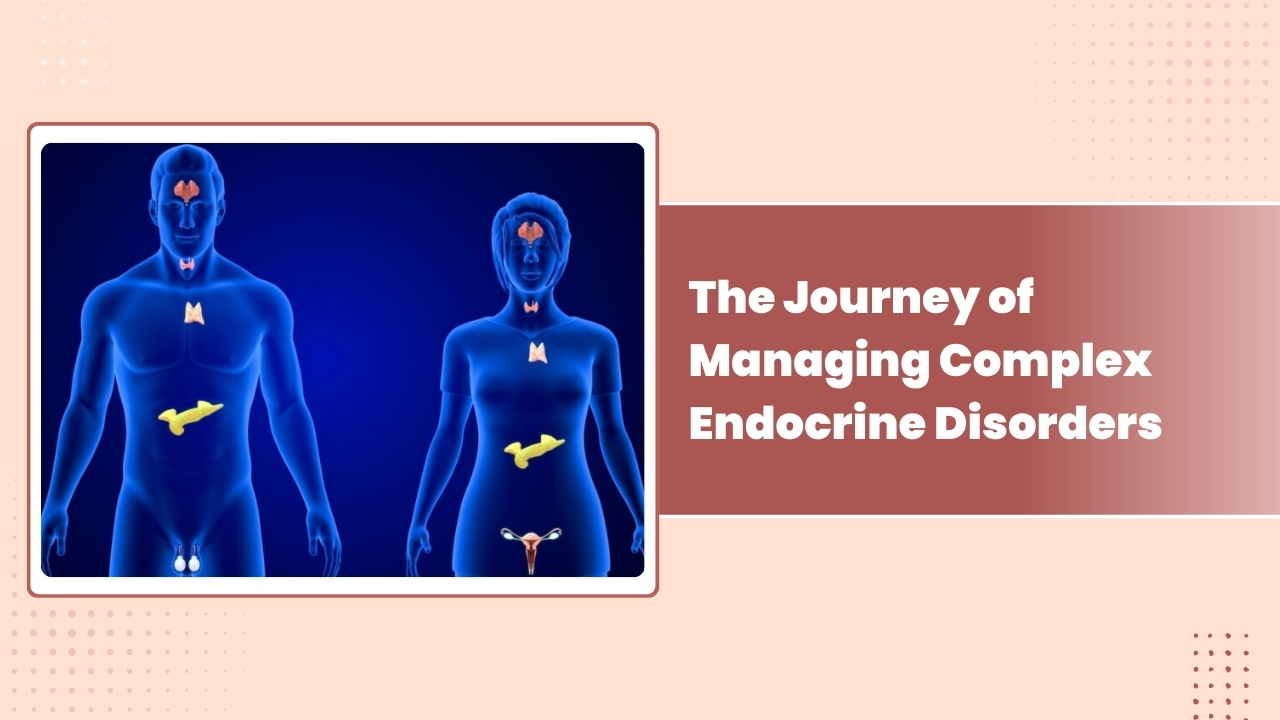
As an endocrinologist with decades of experience, I’ve seen firsthand how the road to managing complex endocrine disorders is often challenging but always filled with hope. Endocrine disorders—conditions that affect glands like the thyroid, adrenal, or pituitary—are intricate because they involve hormonal imbalances that influence almost every part of the body’s functioning. When these disturbances become complicated, they test the skills of even the most experienced doctors, and more importantly, they test the resilience of the patient.
What Is an Endocrine Disorder?
At its core, an endocrine disorder occurs when a gland produces too much or too little hormone, leading to a cascade of health issues. For most, a diagnosis prompts a clear path of treatment, but for some, these disorders become complex due to overlapping symptoms, multiple gland involvement, or associated health conditions. When the body’s hormonal balance is thrown off in these ways, it can impact everything from metabolism and growth to mood and reproductive health.
When Do Endocrine Disorders Become Complex?
Most endocrine issues can be straightforward—like hypothyroidism or Type 2 diabetes—but complexities arise when multiple glands are involved, when the disorder is resistant to standard treatments, or when symptoms are vague and difficult to diagnose. For instance, a patient might have both thyroid dysfunction and adrenal imbalance, making management far more intricate. Some patients develop resistance to medications, or their disorders coexist with autoimmune diseases, genetic predispositions, or tumors. These cases require a nuanced, individualized approach—tailoring treatments precisely to the patient’s unique hormonal profile and lifestyle factors.
The Spectrum of Complex Endocrine Disorders:
One of the most challenging cases I encountered involved a middle-aged woman with uncontrolled diabetes, persistent fatigue, and abnormal adrenal tests. It turned out she was suffering from an unusual combination of adrenal insufficiency along with resistant Type 2 diabetes—an overlap that required a delicate balance of insulin, steroid replacement, and lifestyle adjustments.
Similarly, patients with thyroid nodules that are suspected to be cancerous, coupled with hormonal imbalances from pituitary tumors, require a careful combination of surgical intervention, hormonal therapy, and ongoing monitoring. Each case involves not just treating a gland but managing the ripple effects across the body.
Adrenal and pituitary disorders are also particularly complex because these tiny glands produce hormones that regulate vital functions—like stress response and growth. When these glands malfunction, the whole body feels the impact, and treatment must be as precise as a surgeon’s scalpel. I recall a young man with sudden weight loss and severe fatigue, diagnosed with Cushing’s syndrome due to an adrenal tumor. The successful removal of the tumor transformed his life, but it was a journey that required teamwork, expertise, and compassion.
Crafting a Tailored Treatment Plan:
What makes this journey hopeful is the personalized care we can provide today. When patients walk into my clinic, I view them as unique individuals—not just a diagnosis. We begin with a comprehensive hormonal profile, combining clinical examination with advanced imaging and lab tests. Based on these insights, I craft a treatment plan that considers their lifestyle, preferences, and specific health goals.
I’ve seen patients regain their vitality, return to their passions, and rebuild their lives—despite daunting diagnoses. It’s about more than just controlling hormones; it’s about restoring hope, dignity, and a sense of normalcy.
Happy Tales:
One such story is a young woman battling both thyroid cancer and infertility. Through a careful multidisciplinary approach, we managed her cancer, balanced her hormones, and she’s now pregnant. Another patient with resistant hypothyroidism, who was told there’s little hope, now manages her condition effectively thanks to precise medication and lifestyle changes. These stories remind me daily why I chose this profession—to transform lives, one patient at a time.
Managing complex endocrine disorders is a challenge, but it’s also an extraordinary journey of collaboration, innovation, and hope. With expert care, latest advances, and a compassionate approach, we can turn formidable health hurdles into stories of resilience and renewal. My message to all patients out there is simple: no matter how complicated your condition may seem, you are not alone. Hope, combined with personalized healthcare, can open the door to a healthier, happier life.

Add a Comment