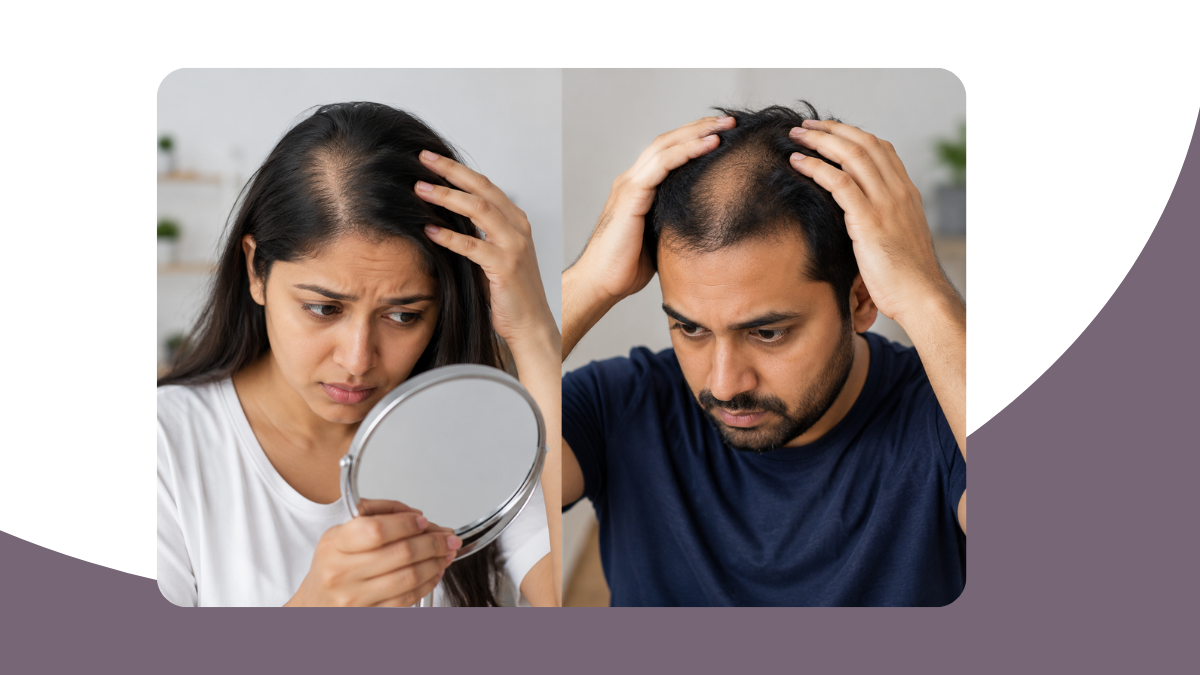
Hair loss is one of the most common reasons patients visit my clinics in Bengaluru, and it is also one of the most emotionally loaded. Whether it is a woman noticing her parting widening after a pregnancy, a man watching his hairline shift in his thirties, or a teenager finding clumps on their pillow, the experience triggers anxiety that is entirely disproportionate to how straightforwardly most forms of hair loss can be treated when the underlying cause is correctly identified. In 19 years of dermatology practice across Spectrum Diagnostics, Skin Affair Clinic, and Kaya in Bengaluru, identifying that cause accurately before starting any treatment is the most important thing I do for a patient presenting with hair loss.
Why identifying the cause matters more than starting treatment
Hair loss is a symptom, not a diagnosis. The same presentation, diffuse thinning across the scalp, can result from androgenetic alopecia, telogen effluvium following an illness or nutritional deficiency, thyroid dysfunction, iron deficiency anaemia, or polycystic ovary syndrome in women, all of which require entirely different management. Beginning treatment without a diagnosis means either treating the wrong condition, which achieves nothing, or treating a symptom while the underlying cause continues unchecked. A dermatologist evaluating hair loss causes in women or men uses the pattern and distribution of loss, the hair pull test, dermoscopy of the scalp, and targeted blood investigations to identify the diagnosis before any treatment is recommended.
Androgenetic alopecia: the most common type in both men and women
Androgenetic alopecia, also called pattern hair loss, is the most common cause of progressive hair thinning in both men and women and is driven by the effect of dihydrotestosterone (DHT) on genetically susceptible hair follicles. In men, the classic pattern involves recession at the temples and thinning at the crown, following the Norwood-Hamilton scale. In women, female pattern hair loss typically presents as diffuse thinning over the crown and widening of the central parting, with the frontal hairline often preserved, following the Ludwig classification.
The condition is progressive without treatment, meaning that early intervention produces better results than waiting until the thinning is advanced. This is one of the most important messages I give to patients who present with early pattern hair loss: the follicles that are thinning are still present and treatable. The follicles that have been lost for years are significantly harder to restore. Acting early gives the best outcomes.
Telogen effluvium: the hair loss that follows stress, illness, and hormonal change
Telogen effluvium is a form of diffuse hair shedding that occurs when a significant proportion of hair follicles shift prematurely from the growth phase (anagen) into the resting phase (telogen) and are subsequently shed two to four months later. The trigger is typically a significant physiological stressor: a febrile illness, major surgery, severe nutritional deficiency, dramatic weight loss, childbirth, or a period of intense psychological stress. The characteristic feature of telogen effluvium is the time lag: patients typically notice heavy shedding two to four months after the triggering event, which means they often cannot identify what caused it.
Post-partum hair loss is one of the most common presentations in women between 25 and 40 that I see in my practice. The hormonal shifts after delivery trigger a widespread shift into telogen, and the resulting shedding, which typically begins three to four months after delivery, can be alarming. In most cases of acute telogen effluvium, the shedding resolves naturally within six months once the trigger has resolved and the nutritional stores are replenished. Chronic telogen effluvium, lasting more than six months, requires investigation to identify a persisting underlying cause.
Alopecia areata: immune-mediated patchy hair loss
Alopecia areata is an autoimmune condition in which the immune system targets the hair follicle, producing discrete patches of smooth, non-scarring hair loss on the scalp or other hair-bearing areas of the body. The patches are typically oval or circular with no scaling, and exclamation mark hairs, short broken hairs tapering at the base, may be visible at the edges of active patches on dermoscopy. Alopecia areata treatment depends on the extent and duration of the condition: limited patchy disease may respond to intralesional corticosteroid injections, while more extensive or resistant cases may require topical immunotherapy or systemic treatment.
The psychological impact of alopecia areata is often significant, and I address this directly in my consultations. Unlike androgenetic alopecia, which is predictably progressive, alopecia areata follows an unpredictable course with spontaneous remission common in limited disease and less likely in extensive or long-standing cases. Managing patient expectations honestly is as important as managing the condition.
Hair loss in women: hormonal and systemic causes
Women present with hair loss from a wider range of causes than men, and hormonal and systemic factors deserve specific attention in the evaluation. Thyroid dysfunction, both hypothyroidism and hyperthyroidism, is a common and entirely treatable cause of diffuse hair thinning. Iron deficiency, even without frank anaemia, is one of the most frequently missed causes of hair loss in premenopausal women and responds well to correction. Polycystic ovary syndrome causes hair loss due to PCOS through elevated androgen levels, which accelerate follicular miniaturisation in genetically susceptible women, and is commonly associated with other features of androgen excess including acne and hirsutism.
The menopausal transition brings declining oestrogen levels that shift the androgenic balance and accelerate pattern thinning in women who have a genetic predisposition. Postmenopausal hair loss is increasingly common and should not be dismissed as an inevitable consequence of ageing: it is a treatable condition that responds to the same approaches used in younger women, sometimes in combination with hormonal evaluation and management.
PRP therapy for hair loss: how it works and what to expect
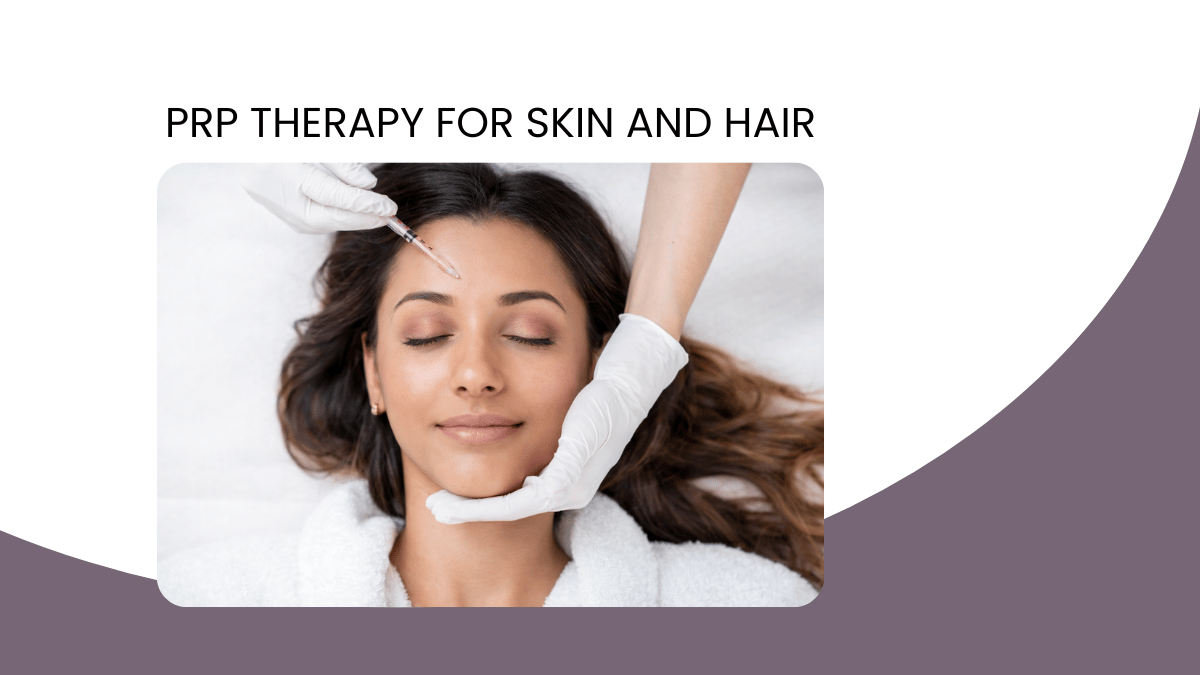
Platelet-rich plasma therapy is one of the most evidence-supported minimally invasive treatments for hair loss currently available. The procedure involves drawing a small volume of the patient's own blood, processing it by centrifugation to concentrate the platelet-rich fraction, and injecting this concentrated plasma into the scalp at the level of the hair follicles. The platelets in PRP contain growth factors including PDGF, TGF, VEGF, and IGF, which stimulate follicular cell proliferation, extend the anagen growth phase, and improve blood supply to the follicle.
The evidence base for PRP for hair loss supports its use both as a standalone treatment for early to moderate androgenetic alopecia and as a complementary treatment alongside medical therapy. Most protocols involve an initial series of three to four sessions at monthly intervals, followed by maintenance sessions every three to six months. Patients typically notice a reduction in shedding before they see new growth, and visible improvement in hair density is usually apparent after the second or third session in patients who respond. PRP works best on follicles that are miniaturising but still active rather than on areas where follicles have been completely absent for many years.
Who is a good candidate for PRP?
PRP produces the best results in patients with early to moderate androgenetic alopecia treatment, where a significant proportion of follicles are miniaturised but still present, and in patients with chronic telogen effluvium where follicular activity is reduced but not absent. It is less effective in areas of complete follicular loss where no active follicles remain, which is why early treatment consistently produces better outcomes than late treatment.
PRP is not appropriate for patients who are taking blood-thinning medications, have platelet dysfunction or blood disorders, have active scalp infection or inflammation, or are pregnant. A thorough clinical assessment before treatment ensures that patients are appropriate candidates and that the correct treatment is being chosen for the correct diagnosis. I review candidacy carefully at every initial hair consultation because PRP given to the wrong patient, or for the wrong diagnosis, will not produce the result the patient is expecting.
Medical treatments for hair loss
Medical treatment for androgenetic alopecia has two established first-line options: minoxidil and finasteride, with dutasteride also used in appropriate cases. Minoxidil, available as a topical solution or foam and more recently as a low-dose oral preparation, extends the anagen phase and increases follicular diameter. It is effective in both men and women and is used as the foundation of most hair loss treatment protocols. Minoxidil for hair loss is a long-term commitment: results are maintained only as long as treatment continues, and discontinuation leads to return of the underlying progression.
Finasteride and dutasteride are DHT-blocking medications used in men with androgenetic alopecia. They reduce DHT levels at the follicle, slow the miniaturisation process, and in some patients promote modest regrowth. They are not approved for use in premenopausal women who may become pregnant. For women with pattern hair loss associated with PCOS or other androgen excess conditions, anti-androgen medications including spironolactone may be appropriate as part of a broader hormonal management plan, discussed in coordination with a gynaecologist or endocrinologist where needed.
Scalp treatments and adjunctive care
The scalp environment has a direct bearing on follicular health, and scalp care is a genuinely important part of hair loss management rather than an optional add-on. Seborrhoeic dermatitis, dandruff, scalp psoriasis, and folliculitis can all exacerbate hair loss by creating a chronic inflammatory environment at the follicular level. Addressing these conditions with appropriate medicated shampoos, topical treatments, or procedural intervention improves the response to other hair loss treatments.
Growth factor serums applied to the scalp, and low-level laser therapy using devices such as laser combs or caps, are adjunctive treatments that have evidence supporting their use alongside PRP and medical treatment. They work through different mechanisms, growth factors directly stimulating follicular cell activity, and low-level laser improving mitochondrial function and blood flow in scalp tissue, and can be combined with the primary treatment approach to improve overall outcomes.
Cosmetic procedures for hair restoration
For patients with established hair loss where medical and PRP treatments are insufficient or where follicular loss is advanced, hair transplantation is the definitive treatment. Modern hair transplant techniques including follicular unit extraction (FUE) involve harvesting individual follicular units from the donor area of the scalp, typically the back and sides where hair is resistant to DHT, and implanting them into the thinning or bald recipient area. The transplanted follicles retain their DHT-resistant characteristics and produce permanent hair growth in the recipient site.
I work in collaboration with hair transplant surgeons for patients who are appropriate candidates. My role in this pathway is to ensure that the diagnosis is correct, that medical treatment has been optimised to protect existing hair before surgery, and that the patient's expectations of what surgery can achieve are realistic. Hair transplantation restores density in transplanted areas but does not prevent progression of loss in non-transplanted areas, which is why ongoing medical treatment after surgery is typically continued.
Questions patients ask me most often
How do I know if my hair loss is permanent or temporary?
The distinction between reversible and progressive hair loss depends on the diagnosis. Telogen effluvium, alopecia areata in limited disease, and hair loss secondary to a correctable cause such as thyroid dysfunction or iron deficiency are potentially reversible. Androgenetic alopecia is progressive without treatment but can be stabilised and partially reversed with early intervention. The only reliable way to distinguish between these is a proper dermatological assessment including a trichoscopy evaluation, which allows direct visualisation of follicular density, miniaturisation, and scalp condition to guide the diagnosis and prognosis.
At what age can PRP be started?
PRP can be started in adults from their late teens or early twenties when androgenetic alopecia is beginning to establish. Earlier treatment in younger patients who are actively shedding tends to produce better long-term outcomes than waiting until significant density has been lost. I assess each patient individually and do not have a fixed minimum age, but I do ensure that the diagnosis is confirmed and that the patient has realistic expectations about what PRP can and cannot achieve before beginning treatment.
How many PRP sessions will I need?
Most patients begin with three to four sessions at monthly intervals to establish the initial treatment effect, followed by maintenance sessions every three to six months depending on response. The total number of sessions depends on the severity of hair loss, the response to treatment, and whether PRP is being used alone or in combination with medical therapy. I review the treatment plan at each session and adjust the protocol based on the clinical response rather than following a fixed predetermined schedule.
Can I continue PRP while pregnant or breastfeeding?
PRP uses the patient's own blood and does not involve any external medication, which makes it inherently low-risk in this regard. However, the evidence base for PRP specifically in pregnancy and breastfeeding is limited, and my standard practice is to defer elective dermatology treatment during pregnancy unless there is a clear clinical indication. Post-partum hair loss, which is a very common reason women seek hair treatment, typically begins improving naturally within six months of delivery, and I generally advise waiting to assess natural recovery before beginning PRP in women who have recently given birth.
If you are experiencing hair thinning, increased shedding, or patchy hair loss and would like a proper evaluation and a personalised treatment plan, I am available at Spectrum Diagnostics, Subramanyanagar, Skin Affair Clinic, Mahalakshmipuram, and Kaya, Sadashiva Nagar, Bengaluru. To book a consultation with Dr Meenakshi K.
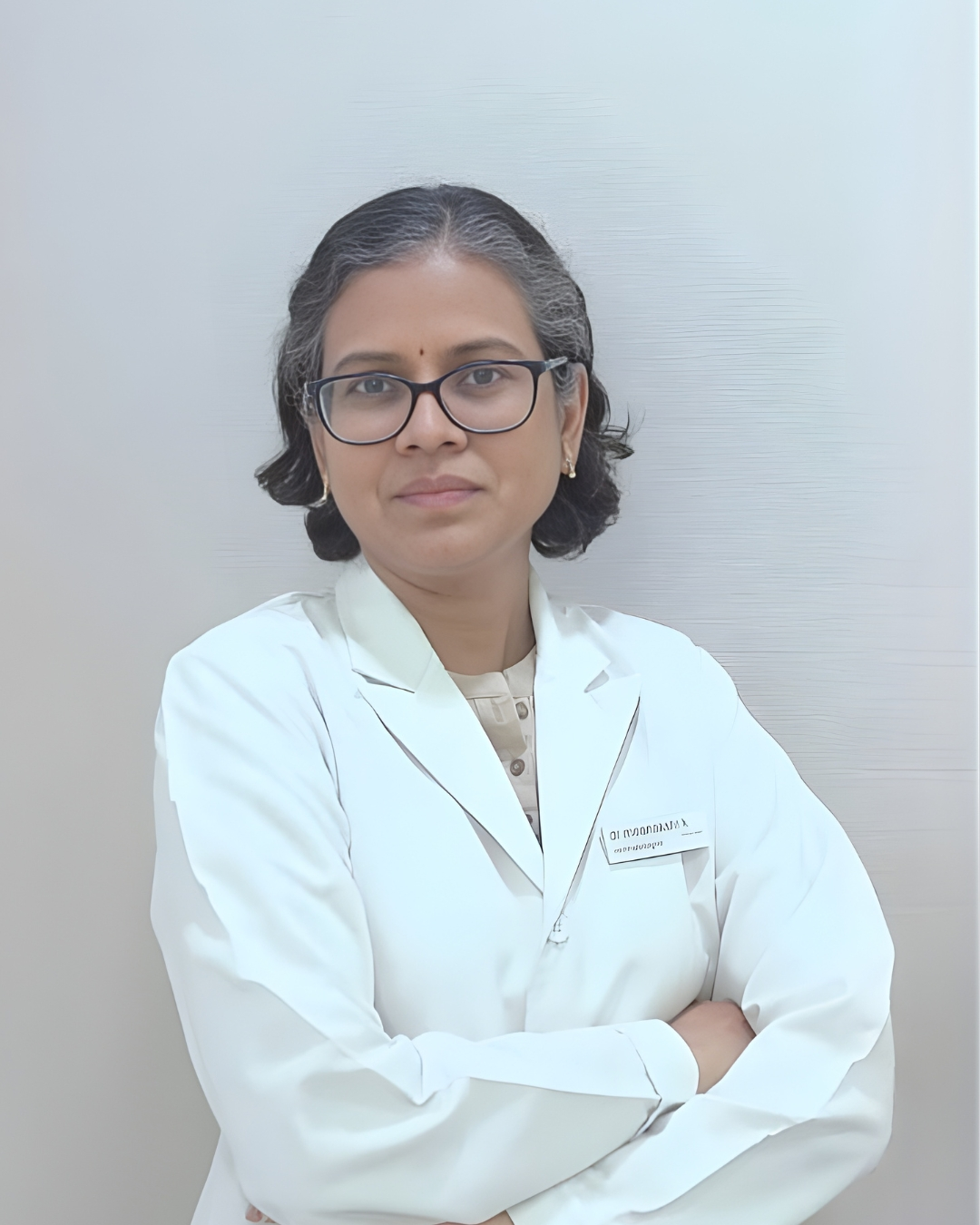
Written by Dr Meenakshi K, MBBS (M S Ramaiah Medical College), DVD (Bangalore Medical College), Consultant Dermatologist, Spectrum Diagnostics, Subramanyanagar / Skin Affair Clinic, Mahalakshmipuram / Kaya, Sadashiva Nagar, Bengaluru.
Add a Comment