














Does hair transplantation cure hair loss permanently?
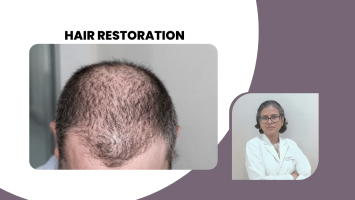
Hair transplantation produces permanent hair growth in transplanted areas — but it does not stop hair loss in the areas that were not transplanted. Understanding this distinction is essential before any patient decides to pursue surgery, and it is one of the things I spend the most time explaining during pre-transplant consultations.
What hair transplantation does: Restores hair density in the transplanted zone using DHT-resistant donor follicles that produce permanent growth
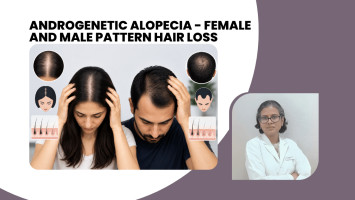
What it does not do: Stop ongoing androgenetic alopecia in non-transplanted areas. A patient who has a crown transplant but continues losing hair at the frontal hairline will still require medical treatment for the remaining hair
Good candidates: Patients who have stable hair loss, sufficient donor hair, realistic expectations, and who have optimised medical treatment first
My role: I ensure the diagnosis is correct, medical treatment is in place to protect existing hair, and that the patient understands what the surgery can realistically achieve before I refer to a hair transplant surgeon
Modern hair transplant techniques, particularly follicular unit extraction (FUE), involve harvesting individual follicular units from the donor area of the scalp — typically the back and sides, which are genetically resistant to DHT - and implanting them into the thinning or bald recipient area. Because these follicles are DHT-resistant, they continue to produce hair in the recipient site permanently. In this sense, the transplanted hair is permanent.
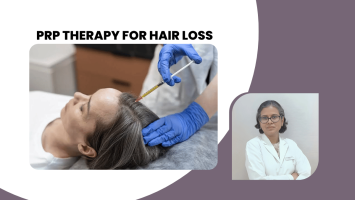
Ongoing minoxidil and PRP maintenance after hair transplantation is typically recommended to protect existing non-transplanted hair and support the long-term result. I coordinate the medical management around the surgical pathway for patients pursuing this route.