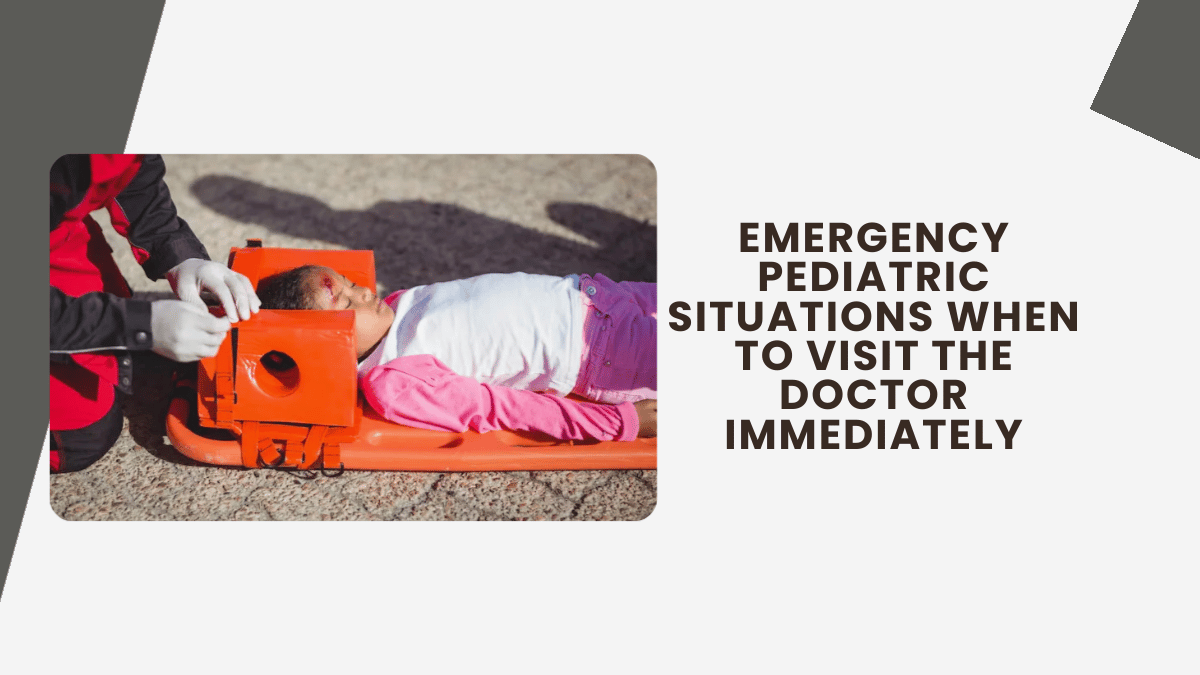
Over the past 25 years in pediatric practice, one of the most difficult challenges I’ve seen parents face is deciding whether a child’s symptoms require emergency medical care. Children can fall ill quickly, and their symptoms may escalate faster than in adults. Knowing when to seek immediate help can make all the difference in preventing complications and ensuring your child’s safety.
Not Every Fever is an Emergency But Some Are:
Fever is one of the most common reasons parents call or visit me. While a mild fever can be part of a normal immune response, a high fever in an infant under 3 months, or a fever that lasts beyond 3 days despite medication, should be evaluated urgently. If your child is also lethargic, not eating, or difficult to wake, these are red flags.
Difficulty Breathing is Always an Emergency:
As an allergy and asthma specialist, I often see children with breathing problems. But if your child is:
- Breathing rapidly
- Using muscles around the ribs to breathe
- Has a bluish tint to lips or fingernails
👉 It’s time to visit the emergency room. In cases of asthma or severe allergic reactions, every second counts. Immediate treatment can prevent the situation from becoming life-threatening.
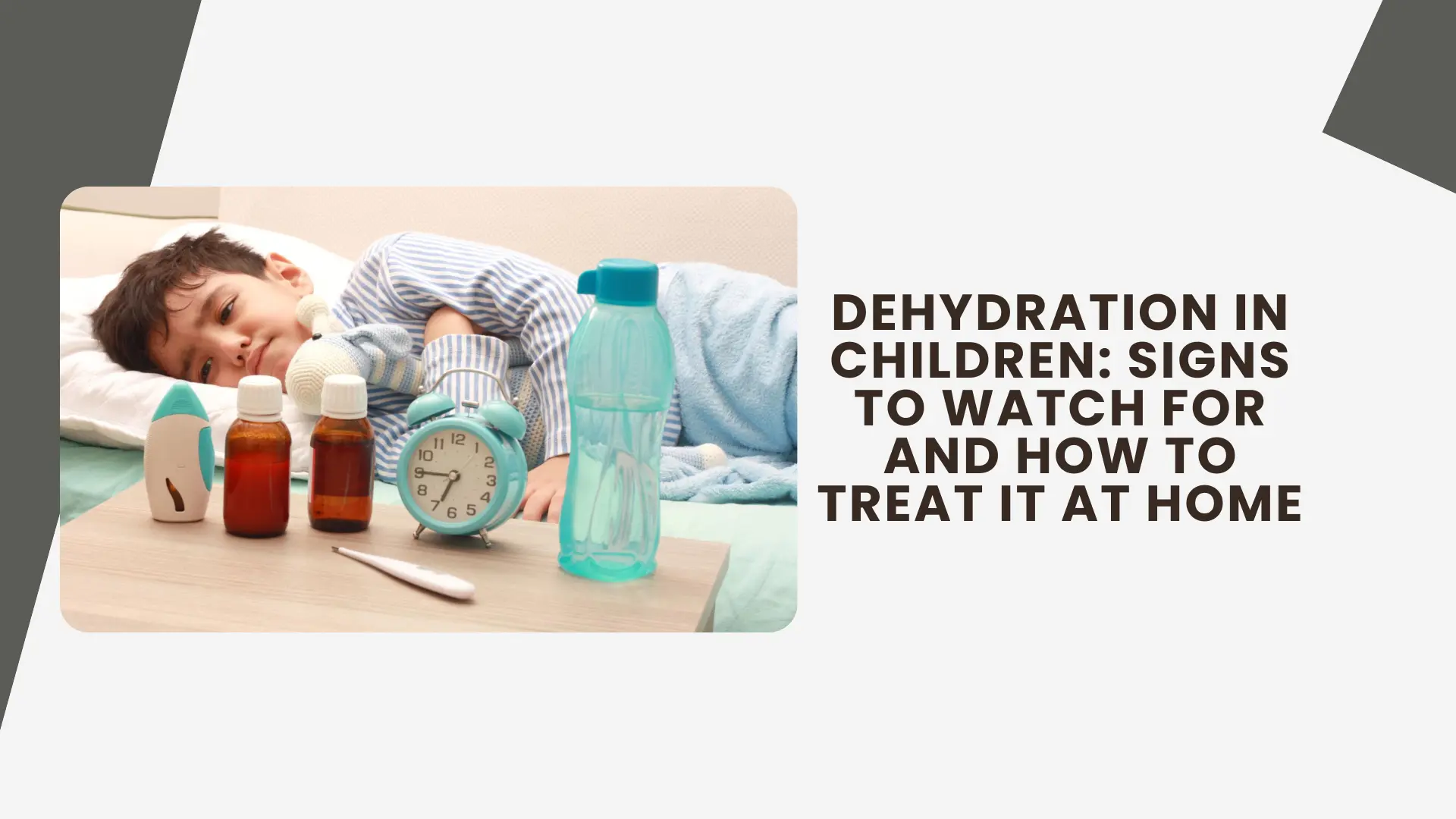
Uncontrolled Vomiting or Diarrhea Can Lead to Dehydration:
Occasional vomiting or loose stools are common in children, but persistent vomiting or diarrhea can lead to dehydration quickly especially in infants and toddlers. Warning signs include:
- Dry lips and mouth
- Sunken eyes
- No tears while crying
- Reduced urine output (dry diapers for more than 6 hours)
👉 If you notice these symptoms, don’t delay your child needs fluid replacement and care.
Head Injuries: When to Worry:
Children are naturally active, and falls are common. But after a head injury, watch for:
- Loss of consciousness
- Repeated vomiting
- Confusion or altered behaviour
- Seizures
👉 These signs may indicate a concussion or internal bleeding. It’s better to err on the side of caution and get your child checked immediately.
Rashes with Fever or Swelling:
While most rashes are harmless, if a rash is accompanied by fever, swelling of the face or lips, or difficulty breathing, it may indicate an allergic reaction or infection. Some rashes may even signal more serious conditions like meningitis. Prompt evaluation is critical in such cases.
When Your Gut Says "Go"
One piece of advice I always share with parents: trust your instincts. You know your child best. If you feel that something is seriously wrong, even if the symptoms seem subtle it's worth seeking professional help. It's always better to be cautious than regret a delay.
Final Thoughts:
Pediatric emergencies can be overwhelming. But with the right knowledge and timely action, they can often be managed safely. At my practice, I believe in equipping parents not just with treatment but with the confidence to act when it matters most.
👉 If you're ever unsure, don’t hesitate to consult your pediatrician or visit your nearest emergency center. I am always here to help guide you through these critical moments with care and experience.


Add a Comment