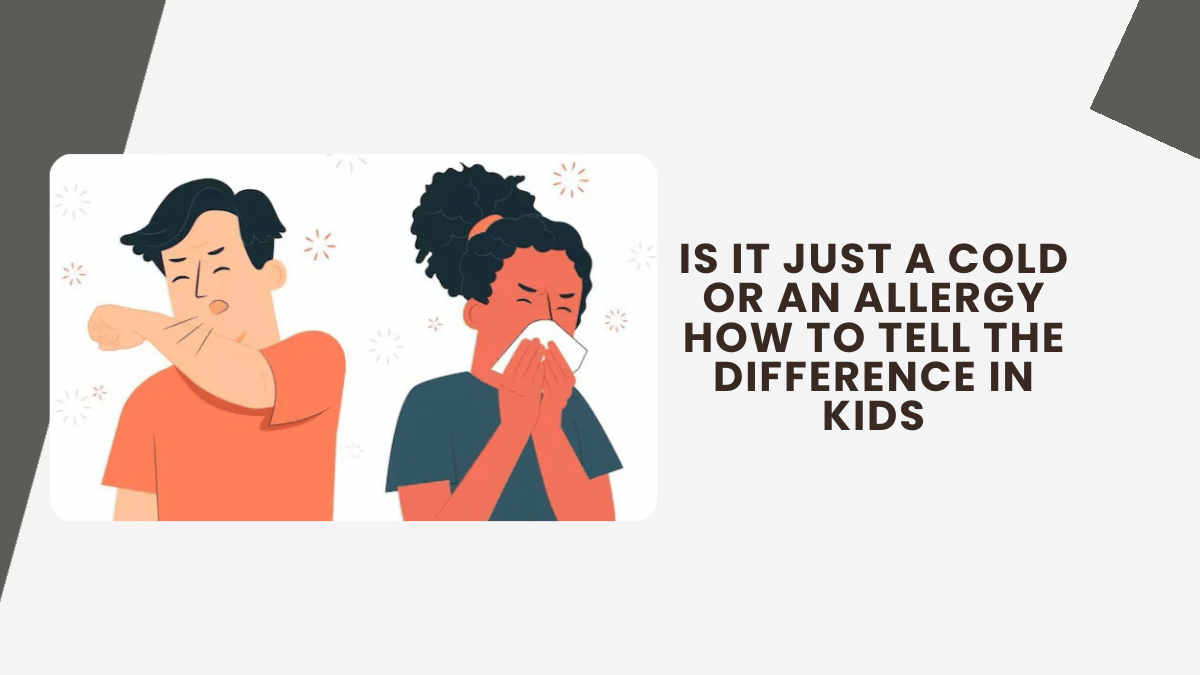
As a pediatrician and allergy specialist, one of the most common questions I hear from parents is: “Is my child suffering from a cold or an allergy?” It’s a fair question both can look remarkably similar at first glance. But with over 25 years of experience treating children across Odisha, I’ve learned how to spot the subtle, yet important, differences.
Similar Symptoms, Different Causes:
Both colds and allergies can cause runny noses, sneezing, nasal congestion, and watery eyes. But while colds are caused by viruses, allergies are the immune system’s exaggerated response to usually harmless triggers like pollen, dust mites, or certain foods.
👉 Knowing the root cause is crucial because what works for a cold won’t help with an allergy, and vice versa.
Key Differences Parents Should Watch For:
Here’s what I often explain to families during their visit:
- Duration: A cold typically lasts 7–10 days, while allergy symptoms can linger for weeks or months, especially if your child is constantly exposed to the allergen.
- Fever: Colds can bring on a mild fever. Allergies, on the other hand, never cause fever.
- Itching: If your child is rubbing their eyes or nose frequently, this could signal an allergy. Itching is not a common symptom of viral infections.
- Mucus colour: While thick yellow or green mucus may accompany a cold, allergies usually result in clear, watery nasal discharge.
- Time of year: If your child always develops symptoms around the same time each year say spring or early monsoon it may point to seasonal allergic rhinitis, not a recurring cold.
When to Seek Allergy Testing:
If your child’s “cold” symptoms occur frequently, don’t improve with time, or seem linked to specific environments (like dust at home or pets), it’s time to consider allergy testing.
At my clinic, I use evidence-based testing techniques to identify specific allergens, which then allows us to tailor treatment whether through medication, allergen avoidance, or Allergen Immunotherapy (AIT).
Why Early Diagnosis Matters:
Repeated respiratory symptoms due to undiagnosed allergies can affect your child’s sleep, appetite, and learning. Chronic nasal congestion can also lead to mouth breathing, ear infections, or even impact facial development if not addressed early.
👉 Through timely evaluation, we can control symptoms, prevent progression to asthma, and improve your child’s quality of life.
What Parents Can Do at Home:
In addition to medical care, there are simple steps parents can take:
- Use HEPA air filters or allergen-proof bedding
- Keep windows closed during high pollen seasons
- Bathe pets regularly and keep them off furniture
- Avoid strong cleaning sprays or room fresheners
👉 I always remind parents that managing allergies is a team effort, it’s not about eliminating every allergen, but reducing exposure enough to keep your child comfortable and healthy.
Final Thoughts:
If you're unsure whether your child has a cold or an allergy, don’t guess. A timely consultation and accurate diagnosis can make a world of difference. At my practice, I take a compassionate and science-based approach to help children breathe easy and thrive.


Add a Comment