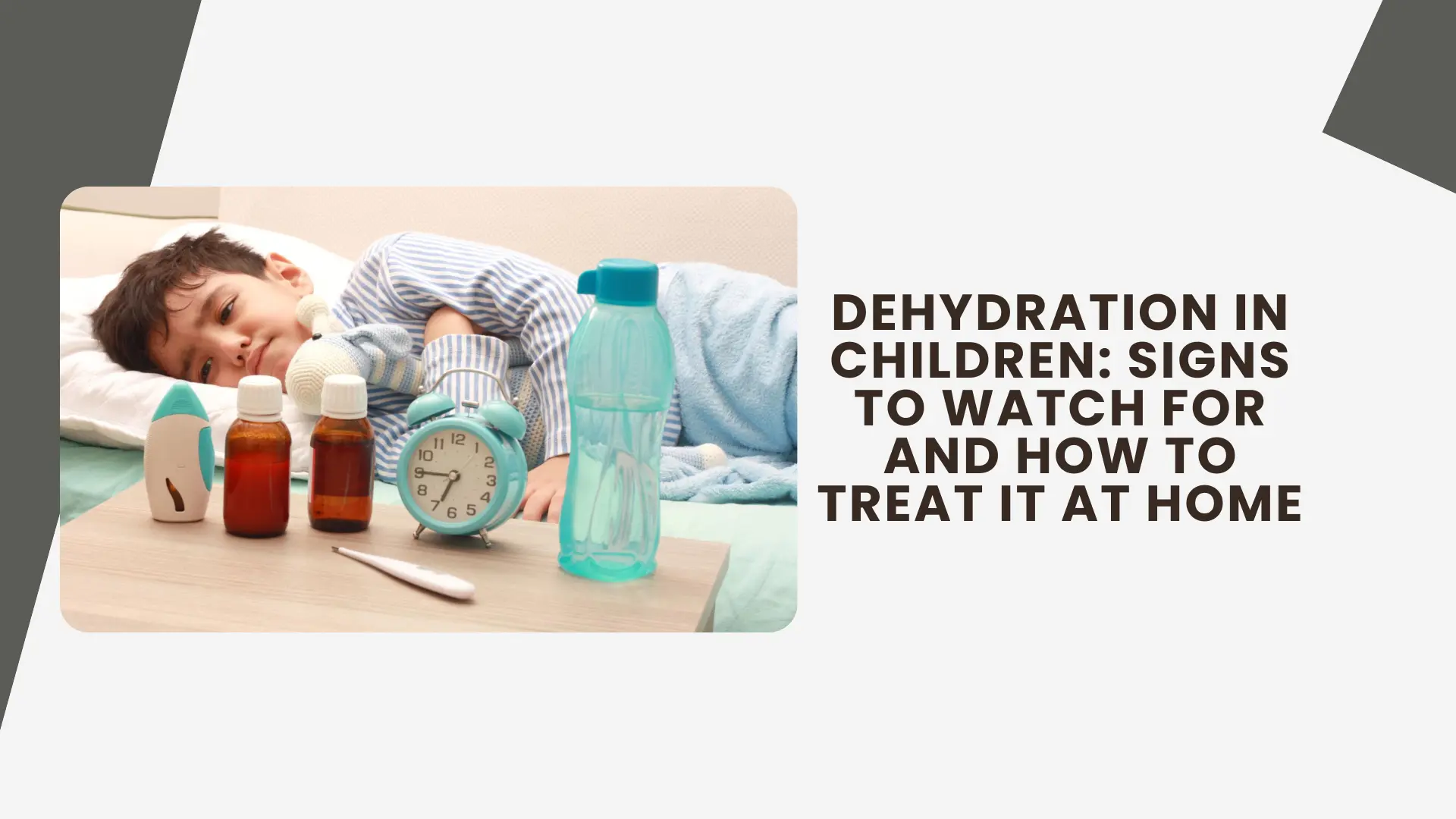
Dehydration in children is a common but potentially serious condition that occurs when the body loses more fluids than it takes in. Vomiting, diarrhea, fever, excessive sweating, and poor fluid intake are some of the leading causes. Infants and toddlers are especially vulnerable because their bodies lose fluids more quickly than adults. Early identification of the signs of dehydration in kids can help parents prevent complications and ensure timely recovery.
In my pediatric practice, I often see parents bring children to the clinic after several episodes of vomiting or stomach flu, assuming the child will recover naturally. However, dehydration can worsen rapidly in young children if fluids and electrolytes are not replaced properly. I always advise parents to closely monitor urine output, activity levels, and feeding patterns because even mild dehydration symptoms in toddlers can quickly progress if ignored.
Common Causes of Dehydration in Children:
Children may become dehydrated due to:
- Stomach infections causing vomiting or diarrhea
- Fever and excessive sweating
- Poor feeding in infants
- Hot weather and outdoor activity
- Refusal to drink fluids because of illness
👉 Proper hydration for kids with stomach flu is extremely important because fluid loss happens rapidly during diarrhea and vomiting.
Signs of Dehydration in Kids:
Recognizing the early warning signs can help parents start treatment before the condition becomes severe.
Common signs of dehydration in kids include:
- Dry or sticky mouth
- Reduced urination
- Dark yellow urine
- Fatigue or irritability
- No tears when crying
- Increased thirst
👉 Parents should also monitor diaper output carefully. Many parents ask, “How many wet diapers for a 1-year-old are considered normal?” Generally, toddlers should have several wet diapers or urinate regularly throughout the day. Significantly reduced urination may indicate dehydration.
Dehydration in Infants: Symptoms Parents Should Not Ignore:
Dehydration in infants can become dangerous quickly because babies cannot communicate thirst clearly.
Severe warning signs include:
- Sunken eyes or “soft spot” (fontanelle) in babies
- Sunken soft spot baby appearance on the head
- Cool or splotchy hands and feet
- Dizziness or lethargy
- Extreme sleepiness or inability to wake up
👉 If these symptoms appear, immediate medical attention is necessary.
Oral Rehydration Therapy for Kids:
One of the safest and most effective treatments for mild dehydration is oral rehydration therapy for kids. Oral rehydration solutions (ORS) help replace lost salts and fluids more effectively than plain water alone.
Tips for giving ORS:
- Offer small sips every few minutes
- Continue breastfeeding for infants
- Avoid sugary soft drinks and caffeinated beverages
- Give fluids slowly if the child is vomiting
Parents often ask about the best drinks for dehydrated toddlers. The best options include:
- Oral rehydration solution (ORS)
- Coconut water in moderation
- Breast milk or formula for infants
- Plain water for older children along with ORS
When to See a Doctor:
Seek immediate medical care if your child:
- Refuses to drink fluids
- Has persistent vomiting or diarrhea
- Shows severe lethargy
- Has very little urine output
- Develops breathing difficulty or confusion
👉 Early treatment can prevent hospitalization and serious complications.
Conclusion:
Dehydration in children should never be ignored, especially in infants and toddlers who can deteriorate quickly. Recognizing early symptoms such as dry mouth, no tears, reduced urination, and unusual sleepiness can help parents act promptly. Proper hydration, oral rehydration therapy, and timely medical care are essential for recovery. If your child shows signs of dehydration or recurring stomach infections, consult Dr. Narayan Prasad Modi, Pediatrician and Allergist in Cuttack and Bhubaneswar, for expert pediatric care and guidance



Add a Comment