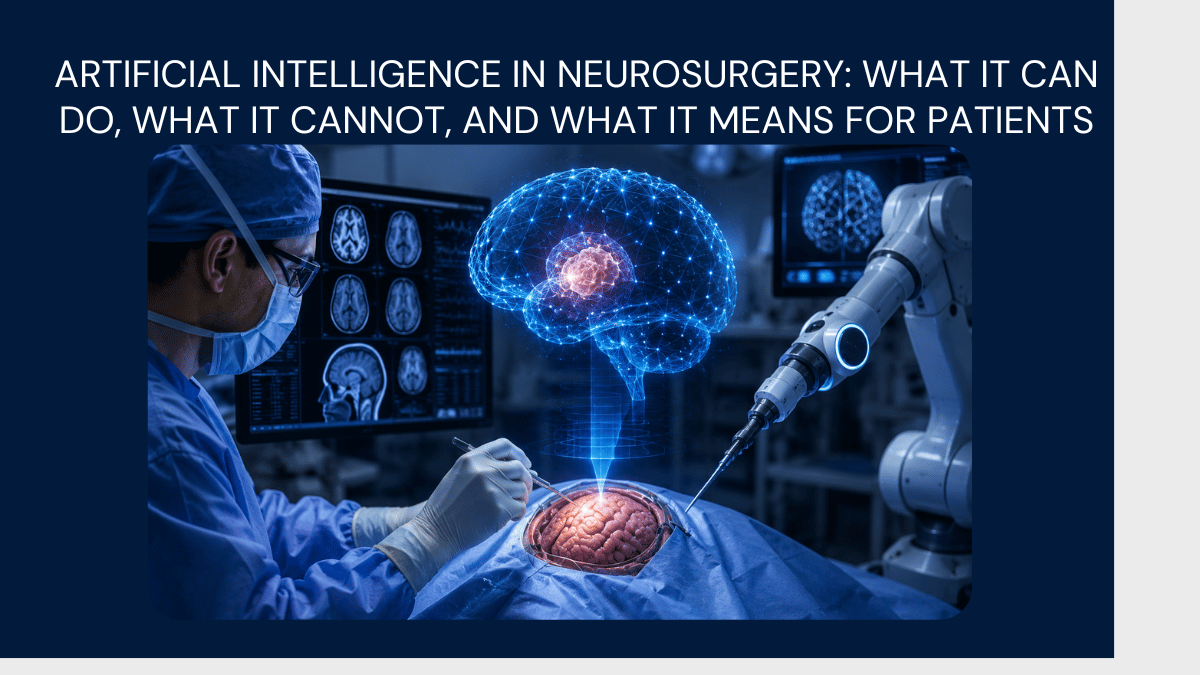
The use of artificial intelligence in neurosurgery UK is one of the most discussed topics in medicine today. As a neurosurgeon with an active interest in MedTech innovation, digital health, and AI applications in clinical practice, Mr. Alalade is asked about this regularly, by colleagues, by medical students, and increasingly by patients. The honest answer is that AI in neurosurgery is genuinely promising, genuinely limited, and genuinely misunderstood. This piece is an attempt to address all three.
What is AI actually doing in neurosurgery right now?
The most clinically meaningful applications of AI in brain surgery today are not in the operating theatre. They are in imaging analysis, pre-operative planning, and outcome prediction. AI algorithms trained on large datasets of brain MRI and CT scans are becoming increasingly capable of identifying abnormalities, tumours, haemorrhages, aneurysms, and in some contexts flagging findings faster than a human radiologist reviewing a full imaging list. In pre-operative planning, AI tools can assist in mapping surgical corridors, identifying critical eloquent cortex, and simulating the approach to a deep-seated skull base lesion before the surgeon enters the theatre.
In research, AI is helping identify patterns in large clinical datasets that would take human researchers years to detect, correlating surgical technique variables with long-term outcomes, or identifying which patients are most likely to benefit from a specific intervention. These are not trivial contributions. They are genuinely changing how Mr. Alalade and his colleagues plan, prepare, and learn from complex neurosurgical cases.
What can AI not do, and why does that matter?
AI cannot replace surgical judgment. This is not a defensive statement from a surgeon protecting his profession. It is a clinical reality. Neurosurgery, particularly at the skull base, involves real-time decision-making in conditions that no algorithm has been trained to handle. Anatomy varies between patients in ways that imaging never fully captures. Tissue behaves differently under the microscope from how it appears on a scan. A blood vessel that looks safely away from a tumour on pre-operative imaging may be adherent to its capsule intraoperatively. In the field of digital health neurosurgery, these limitations are well understood, and Mr. Alalade is clear about where the boundaries lie.
More fundamentally, the patient sitting across from Mr. Alalade in the consultation room is not a dataset. They have a life, a family, fears, and goals that shape what the right treatment looks like for them. AI has no capacity for that conversation.
What does this mean for patients today?
If you are a patient being investigated or treated for a neurosurgical condition, AI is likely already part of your care in ways you may not be aware of, in how your imaging is flagged and prioritised, in how your surgical plan is mapped, in how your outcomes are tracked and compared against benchmarks. What it does not mean is that a machine is making decisions about your treatment. Clinical decisions in neurosurgery remain the responsibility of the surgeon and the multidisciplinary team. As a MedTech neurosurgeon Preston patients trust, Mr. Alalade is working toward a future where AI makes the surgeon more informed, more precise, and more consistent, without removing the human judgment that complex neurosurgical care demands.
One thing patients should take from this
The most important safeguard in any AI-augmented clinical system is a well-trained, experienced clinician who understands both what the technology can offer and where its limits lie. Mr. Alalade's interest in AI is not enthusiasm for technology for its own sake. It is a commitment to using every available tool, surgical, technological, and academic, to deliver the best possible care to every patient.
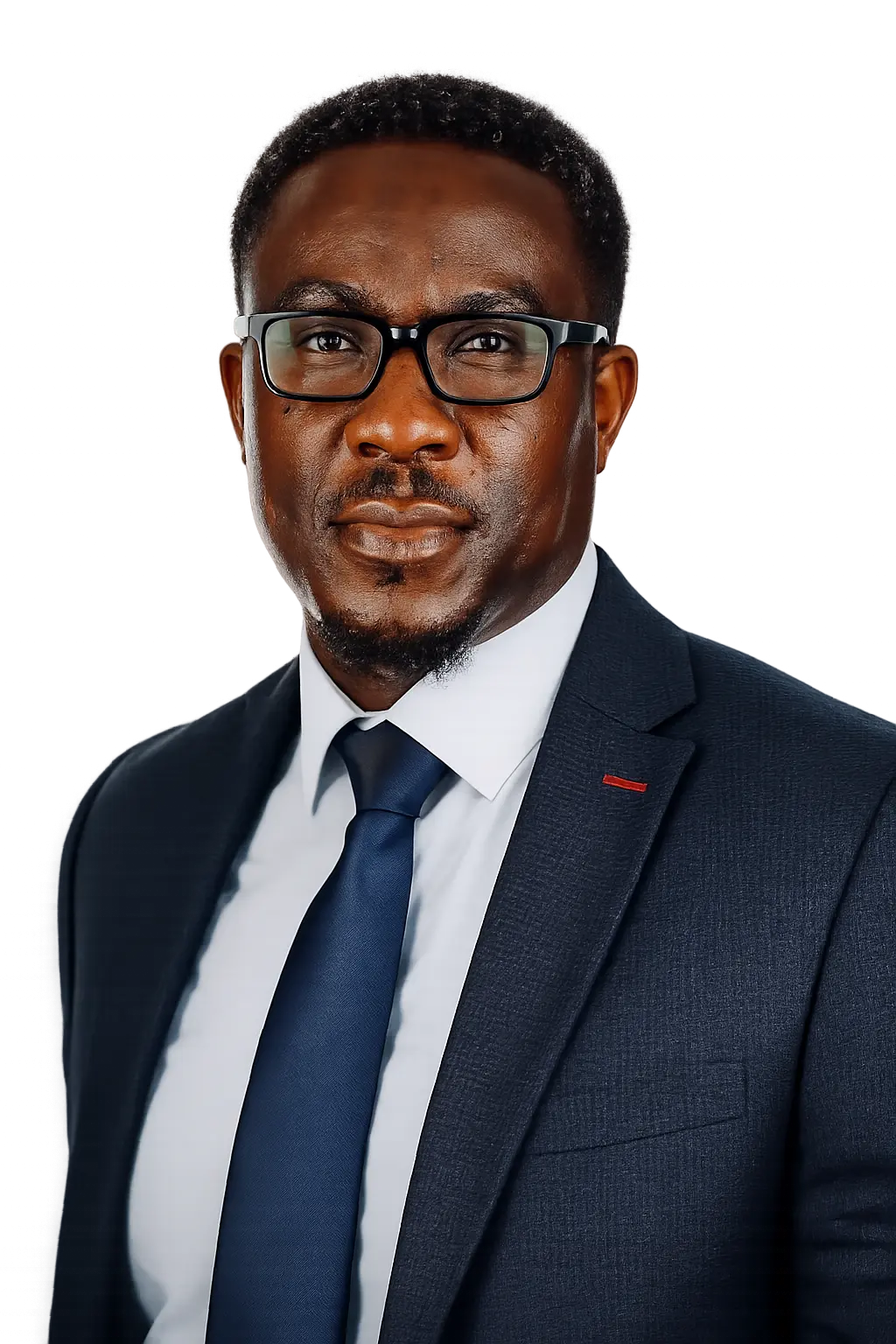
Written by Mr. Andrew F. Alalade, MBBS, MRCS, FRCS (SN), FEBNS, Consultant Neurosurgeon (Skull Base and Vascular), Royal Preston Hospital, Lancashire, United Kingdom. Associate Editor, British Journal of Neurosurgery.
Related reading:
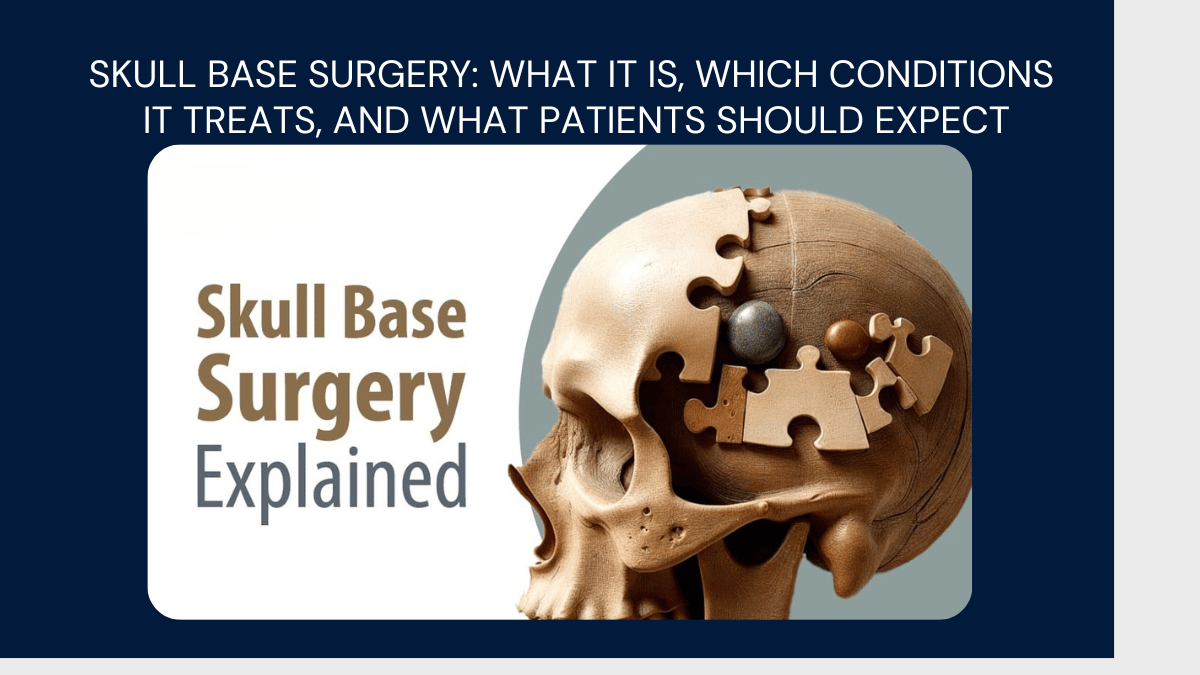
Skull Base Surgery, Preston, Lancashire
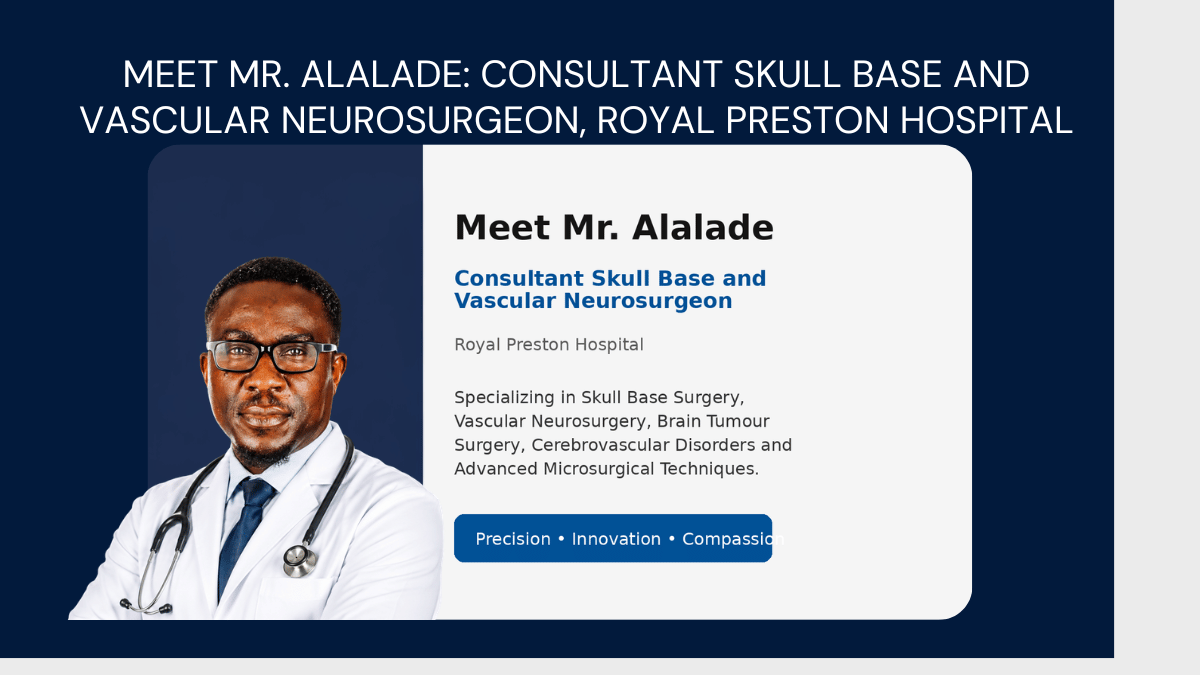
Meet Mr. Alalade, Neurosurgeon, Preston, Lancashire
To book a consultation with Mr. Alalade at Royal Preston Hospital, Lancashire, email [email protected] or visit: https://www.linqmd.com/doctor/neurosurgery-united-kingdom-andrew
Add a Comment