
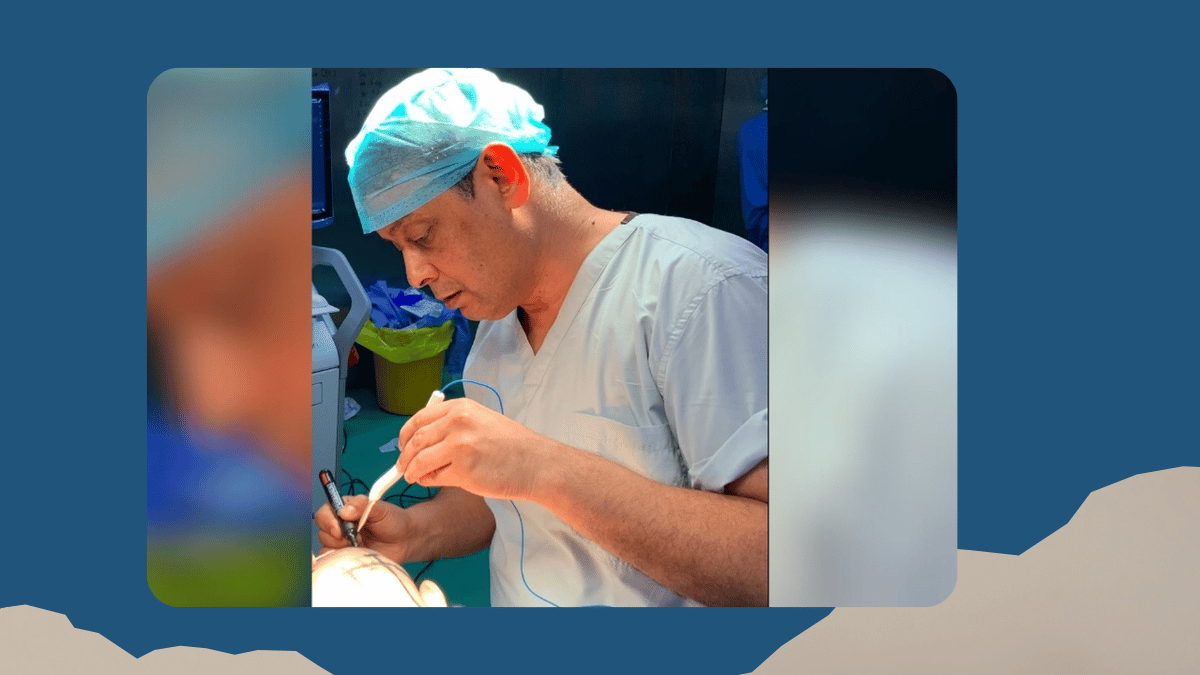


Dr. Nigel Peter Symss

Dr. Nigel Peter Symss

HOD & Senior Consultant Neurosurgeon

MBBS, DNB (Neurosurgery), Fellowship Pediatric Neurosurgery (Japan) , Fellowship Spinal / Functional neurosurgery / Microneurosurgery ( Australia)

30+ Years of Experience

50000+ Patients Cared

30+ Years of Experience

50000+ Patients Cared

LinQ Card

About Dr. Nigel Peter Symss

Dr. Nigel P Symss is an Indian trained and educated Neurosurgeon with multiple international fellowships, and Over 2 decades of experience in cranial and spinal surgery. He has worked as consultant neurosurgeon at prestigious neurosurgical centres in Chennai. He specialised in transcallosal approach to colloid cysts and ventricular tumours in the brain, and has many publications on colloid cysts. He has done extensive research on hydrocephalus, shunt systems, and is a member of“Hydrocephalus Research World Record Ranking Committee”. He has performed close to 8000 neurosurgical procedures post qualification, both cranial and spinal in adults and children successfully.


https://d2vvc091k8tmib.cloudfront.net/s3fs-public/2025-06/WhatsApp%20Image%202025-06-26%20at%2011.14.40_7ba8792b%20%281%29.jpg


Dr. Nigel Peter Symss's Areas of expertise

  • Functional Neurosurgery - Advanced surgical procedures to treat movement disorders like Parkinson’s disease, tremors, and dystonia for improved quality of life.
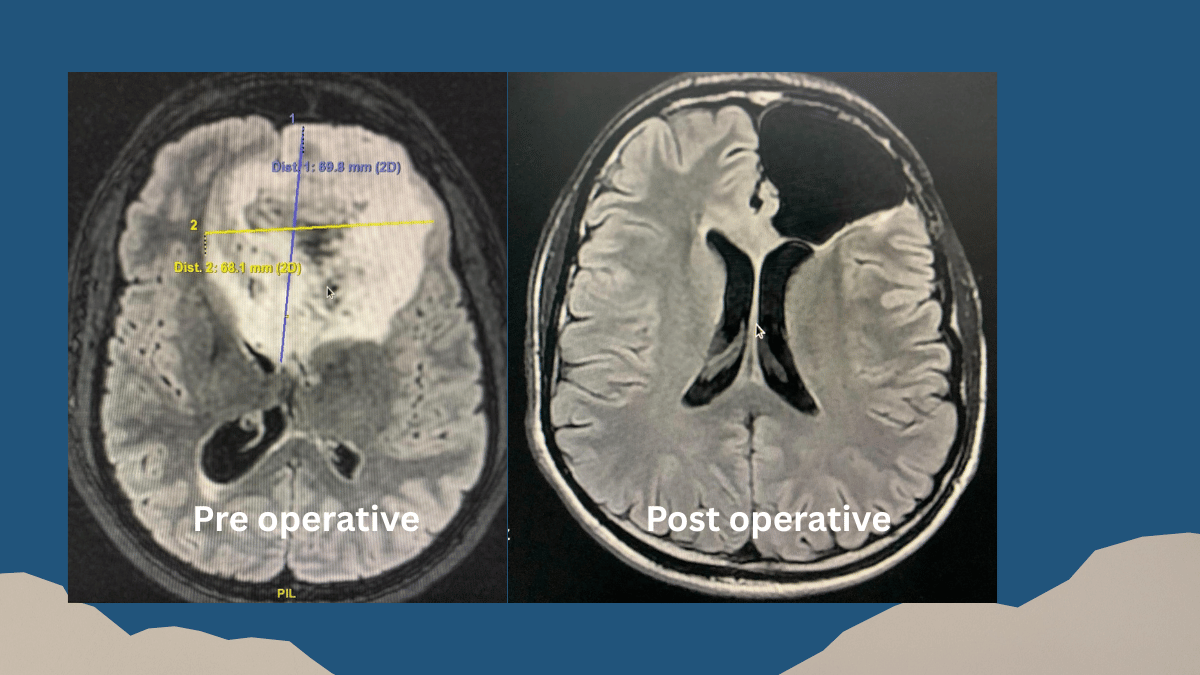
  • Brain Tumors - Comprehensive care for diagnosing and surgically removing benign and malignant brain tumors with a focus on precision and safety.
  • Skull Base Surgery - Specialized techniques to access and treat complex tumors and lesions located at the base of the skull.
  • Cerebrovascular Surgery - Surgical treatment of blood vessel disorders in the brain, including aneurysms, AVMs, and strokes.
  • Microvascular Decompression - A delicate procedure to relieve nerve compression causing trigeminal neuralgia or facial spasms.
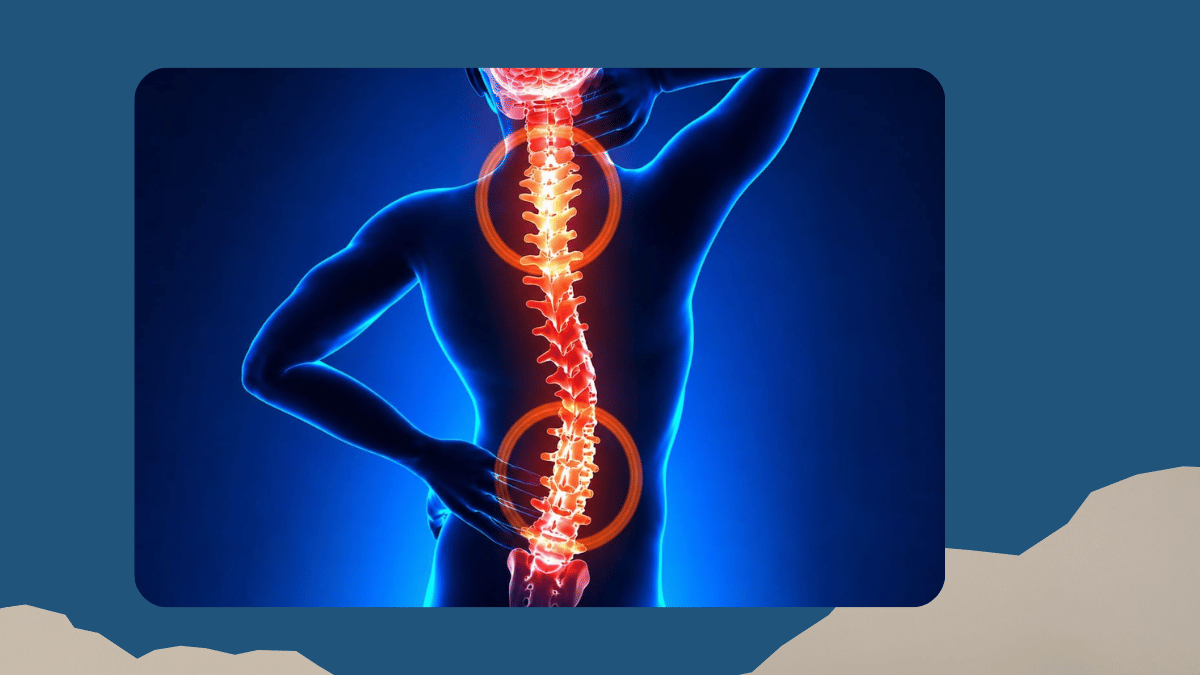
  • Vascular Malformations & Degenerative Spine - Management of abnormal blood vessel formations and surgical treatment for degenerative conditions of the spine.
  • Traumatic Brain Injury - Emergency and planned surgeries to manage brain injuries and restore neurological function after trauma.
  • Neuro Endoscopy - Minimally invasive endoscopic procedures to treat conditions like hydrocephalus and certain brain tumors.
  • CSF Diversions - Surgical placement of shunts or endoscopic techniques to manage excess cerebrospinal fluid and relieve pressure on the brain.
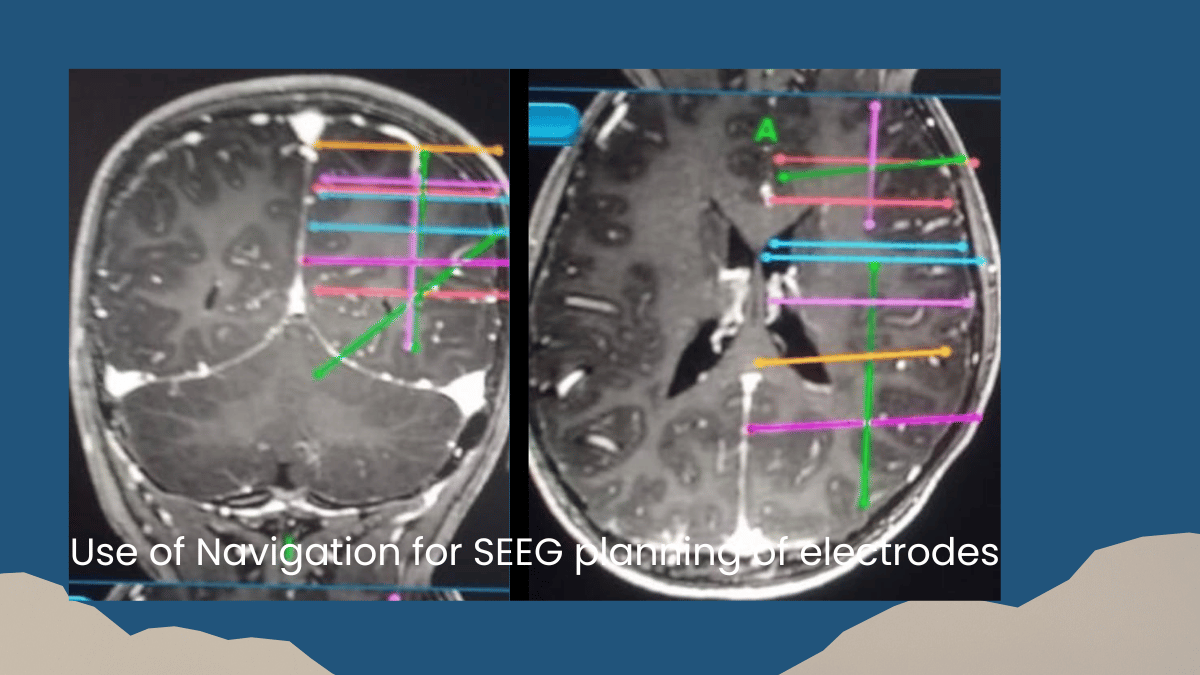
  • Epilepsy Surgery- Advanced surgical procedures to control seizures in patients whose epilepsy does not respond to medications.


  • Glioblastoma multiforme occurring in a child with Acute Lymphoblastic Leukemia . Journal of Pediatric Neurosciences Vol-1, Issue 2, July-December 2006
  • Suprasellar epidermoid presenting with precocious puberty. A case report. Journal of Pediatric Neurosciences. Vol-2; Issue: 2, Page 75-78, 2007
  • Exophytic choroid plexus papilloma of the fourth ventricle presenting with CSF rhinorrhoea. A case report.Surgical Neurology,71(2009) 705-708.
  • Intracranial haemangioendothelioma. A case report and  review of the  literature.  Childs Nervous  System. 2008, 24: pages 863-868.
  • Extradural with intradural-extramedullary and intramedullary  tuberculoma    of the spine without bony involvement. A rare case report and review of the    literature.” Pan Arab Journal of Neurosurgery, Vol 14, No 2, 108-111, 2010.
  • Theories of cerebrospinal fluid dynamics and hydrocephalus: Historical  trend. Journal of Neurosurgery( Pediatric).
  • Intracranial Rosai Dorfmans Disease. Report of three cases and literature review.AsianJournalof Neurosurgery, 2010;11:19-30.
  • Multiple burr hole surgery for the treatment of Pediatric Moya Moya diasease. Journal of Pediatric Neurosciences. July-Dec/Vol 5.
  • A giant syringobulbia associated with cerebellopontine angle arachnoid cyst and hydrocephalus. A case report. Journal of Neurosurgery(Pediatrics). July issue.
  • Management outcome of the transcallosal transforaminal approach to colloid cysts of the anterior thirdventricle: 20 years experience. Published in  Neurology India. July issue. 2012.
  • .Dislodged cervical plate and screw . A case report and literature review.  Accepted to the Pan Arab Journal, July to Oct 2012.
  • Extra axial adult cerebellopontine angle medulloblastoma: An extremely rare site of tumor with metastasis. Surg Neurol Int. 2011; 2: 25.
  • Malignant Course of a Metastatic Melanoma During Pregnancy: A Case Report. World Journal Oncology, Vol. 2, No. 2, Apr 2011.
  • Paediatric Colloid Cyst- analysis of five cases.  Journal of Paediatric Neurosciences. Year : 2012  |  Volume : 7  |  Issue : 2  |  Page : 90-95
  • Extra-axial cerebello pontine angle medulloblastoma: A rare site of tumor. Indian journal of medical and Paediatric oncology : Official  Journal of Indian Society of Medical & Paediatric Oncology 04/2011; 32(2):123-4.
  • Pediatric multifocal glioblastoma multiforme with fulminant course :  published in "Journal of Neurosciences in Rural Practice". 3(2):174-7, May 2012.
  • Complication avoidance in transcallosal approach to Colloid cyst of the Anterior third ventricle. Accepted for publication: Asian Journal of  Neurosurgery.
  • Primary intrasellar schwannoma. Journal of Clinical Neuroscience . Volume 19, Issue 11 , Pages 1584-1585 , November 2012
  • ntellectual Development and Super-High Intelligence/ Development Quotient in Hydrocephalus Patients. Journal of Hydrocephalus, Vol 4,No 1, pg 1-9, 2012.
  • Management of Pediatric Intracranial Meningiomas: an analysis of 31 cases and review of literature. Childs Nervous System. 01/2013.
  • Primary spinal intradural extramedullary lymphoma causing cauda equina syndrome. Journal of Craniovertebral Junction and Spine. Year :2012  |  Volume : 3  |  Issue : 2  |  Page : 58-61
  • Isolated skull base primary Ewings sarcoma. Journal of Cancer  research  and therapeutics 9(4): 741-2.
  • “Is there an ideal shunt ? A panoramatic view of 110 years in CSF diversions  and shunt systems used for the treatment of hydrocephalus: from historical events to current trends. Childs Nervous System.
  • Aneurysmal bone cyst of the lumbar spine.
    Asian Journal of Neurosurgery, Vol 10, Issue 3, July-September 2015
  • Phaeohyphomycosis and role of internal transcribed spacer   Year : 2021  |  Volume : 23  |  Issue : 2  |  Page : 51-58 Journal of  The Academy of Clinical Microbiologists


  • Text book publications:
    Co-Author of 2 chapters in the Text Book of Operative Neuro Surgery
  • Editors: Ravi Ramamurthi, K Sridhar, M. C. Vasudevan
    Chapters: 
    1) Surgical Anatomy of Tentorial Hiatus
    2) Surgical Anatomy  and  Embryology of the Craniovertebral Junction.


  • Co-Author of 13 chapters in the Text Book of Neurosurgery; Third edition.
    Editors: P N Tandon, Ravi Ramamurthi.
    Chapters: 
    1) Colloid cyst
    2) Haemangioblastoma
    3) Benign intracranial hypertension
    4) Olfactory groove meningiomas
    5) Suprasellar meningiomas.
    6) Oligodendrogliomas.
    7) Cerebral contusion.
    8) Thoracic disc disease.
    9) ICP monitoring.
    10) Pain management
    11) Traumatic Intracerebral Hematomas.
    12) Phakomatoses.
    13) Dural AVM.
  • Author of three chapters in Contemporary  Neurosurgery
    Editor: Vincent Tamburaj.
  • Chapters:  
    1) Neurocysticercosis.
    2) Colloid cyst.
    3) Bacterial infections.


  • Other Achievements:
  • 2004: Contributed to the CRASH TRIAL Medical Research Council, London.
  • 2007: Oi-Sami Scholarship for Fellowship in Pediatric Neurosurgery, Jikei University School of Medicine, Tokyo Japan.
  • Biography accepted for publication in the 10th Anniversary (2008-2009) Edition of  Marquis Who’s Who in Science and Engineering, United States of America.
  • 2009 to 2011: Continental Editorial Review Board, Journal of Hydrocephalus.
  • 2009: “Hydrocephalus Research World Record Ranking”[HRWRR]Committee.
  • 2010: International Federation of Neuroendoscopy(IFNE).2010 Tokyo, 
             Continental Scientific Committee.
  • 2011: Continental Editorial Review Board, Journal of  Neuroendoscopy.
  • 2012: Continental Editorial Board, Journal of Hydrocephalus.

    awards   awards
     
  • Dr. Nigel P Symss, completed his undergraduate training from Bangalore Medical College in 1993.  He completed his DNB five years Neurosurgical training at the prestigious PostGraduate Institute of Neurological Surgery, VHS Medical Centre, Chennai and was awarded the degree in 2005. 


  • He continued as consultant neurosurgeon in the same institute till 2011, mastering complex cranial and spinal surgical procedures. With an interest in paediatric neurosurgery,in 2007 he was awarded the Oi-Sami Fellowship at the Jikei University School of Medicine, Japan where he did extensive research on hydrocephalus and neuroendoscopy. He has many publications on hydrocephalus in international journals to his credit. In 2011 he was awarded a one year spinal fellowship at the Flinders Medical Centre, Adelaide where he got trained in complex spinal surgery, neuronavigation, and microneurosurgery. In 2014 with a growing interest in Functional Neurosurgery he completed a fellowship at the Flinders Medical Centre, Adelaide where he got trained in Functional Neurosurgery, and worked in the same neurosurgical unit for two and half years using state-of-the-art technology for treating complex brain tumours, skull base surgery, cerebrovascular and spinal surgery. 


  • He is on the Continental Editorial Board of International Journal of Hydrocephalus, and Journal of Neuroendoscopy. He has 27 publications in Indian and International journals, and written many chapters in three text books of neurosurgery. He has presented papers at National and International neurosurgical conferences.


  • He is currently working as HOD and Senior Consultant Neurosurgeon and Functional Neurosurgeon at Gleneagles Health City, Chennai. His neurosurgical interests are all applications of functional neurosurgery, pediatric neurosurgery, skull base surgery, brain tumours, and spinal surgery.

Conditions and Treatments

expertise
Microsurgical Cranial Procedures

With over 8000 neurosurgical cases to his credit, Dr. Nigel has mastered intricate cranial surgeries using advanced microsurgical techniques. He employs high-powered operating microscopes and precision tools to navigate delicate brain structures safely. His skill in skull base and intraventricular surgeries ensures minimal disruption to healthy tissue. This approach significantly improves surgical outcomes and neurological recovery.

expertise
Minimally Invasive Spinal Surgery

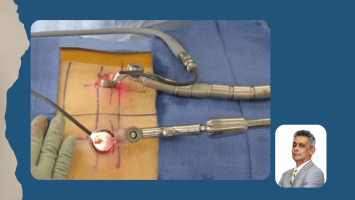
Dr. Nigel specializes in keyhole spine procedures that reduce tissue damage and enhance recovery time. Using tubular retractors and endoscopic access, he treats herniated discs, spinal stenosis, and instability with minimal scarring. His fellowship training in Australia has equipped him to handle complex spinal cases with minimal downtime. Patients benefit from reduced pain, quicker mobilization, and fewer complications.

expertise
Neuroendoscopy & Endoscopic Neurosurgery

A pioneer in neuroendoscopy, Dr. Nigel was trained in Japan under global experts in the field. He uses this minimally invasive modality to treat intraventricular tumors, colloid cysts, and hydrocephalus. With real-time visualization and precise control, he avoids open craniotomy in select cases. This results in faster recovery, shorter hospital stays, and excellent surgical precision.

expertise
Functional Neurosurgery & Neuromodulation

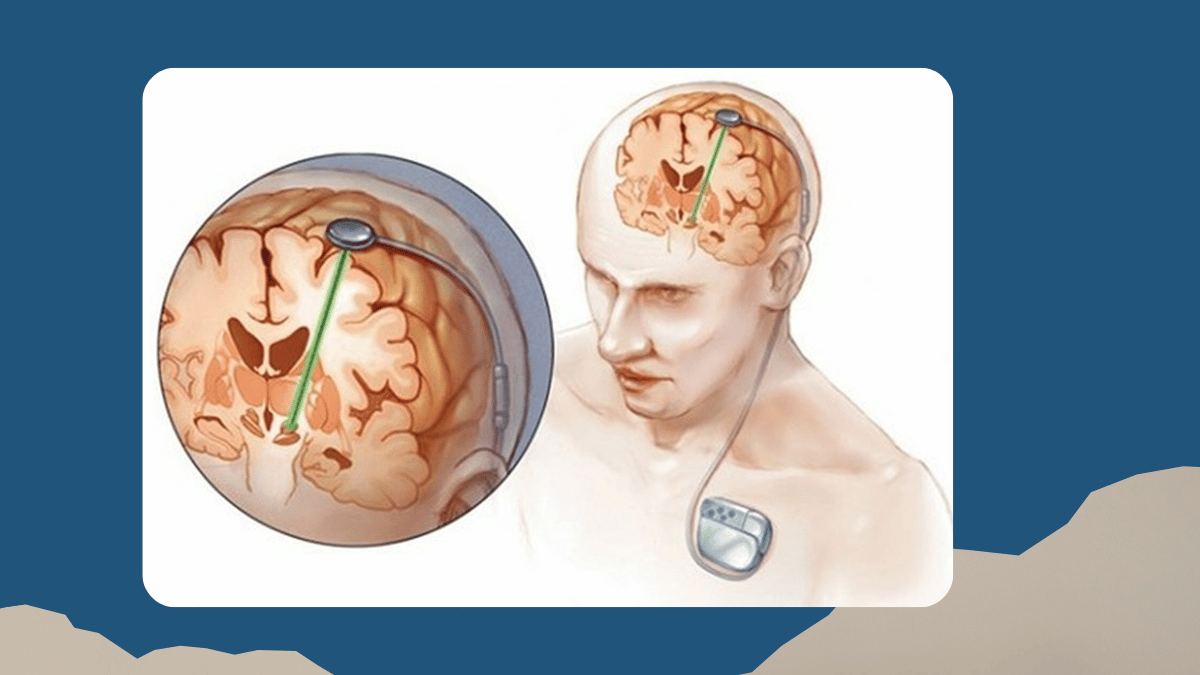
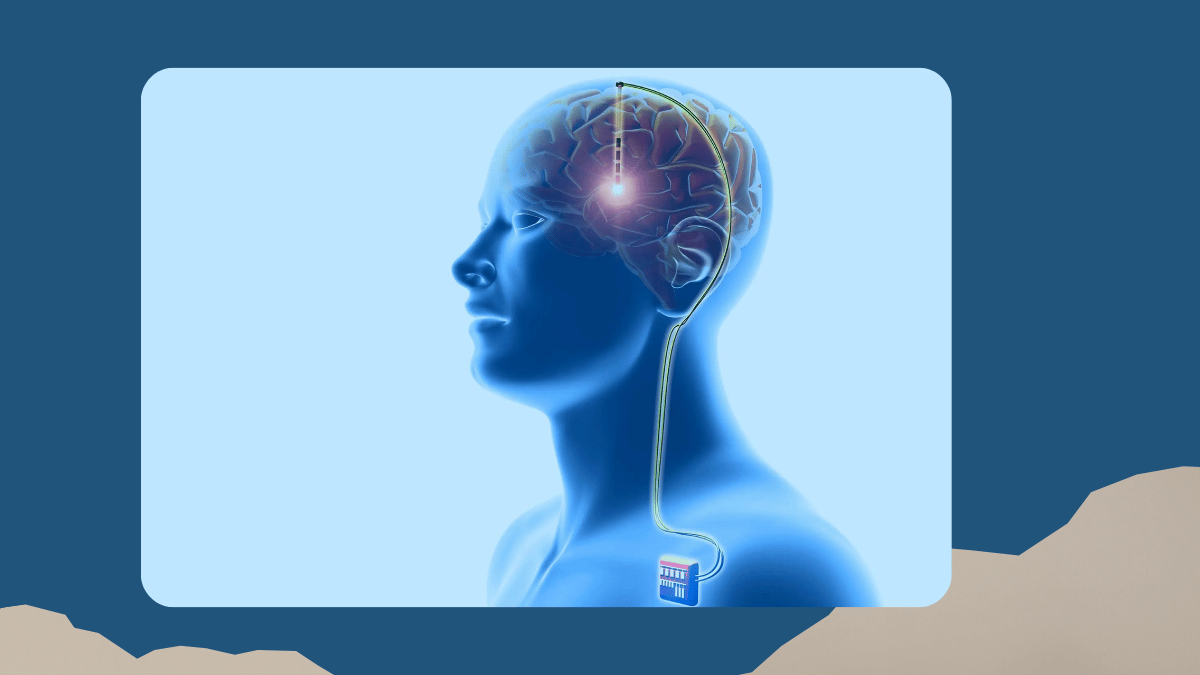
With over three decades of experience, Dr. Nigel offers cutting-edge therapies like deep brain stimulation (DBS). He manages movement disorders, chronic pain, and neurological dysfunctions through targeted neural modulation. Each procedure is customized using intraoperative mapping and imaging for optimal accuracy. His approach provides long-term symptom relief and improved quality of life for patients with challenging neurological conditions.

expertise
Pediatric Neurosurgery

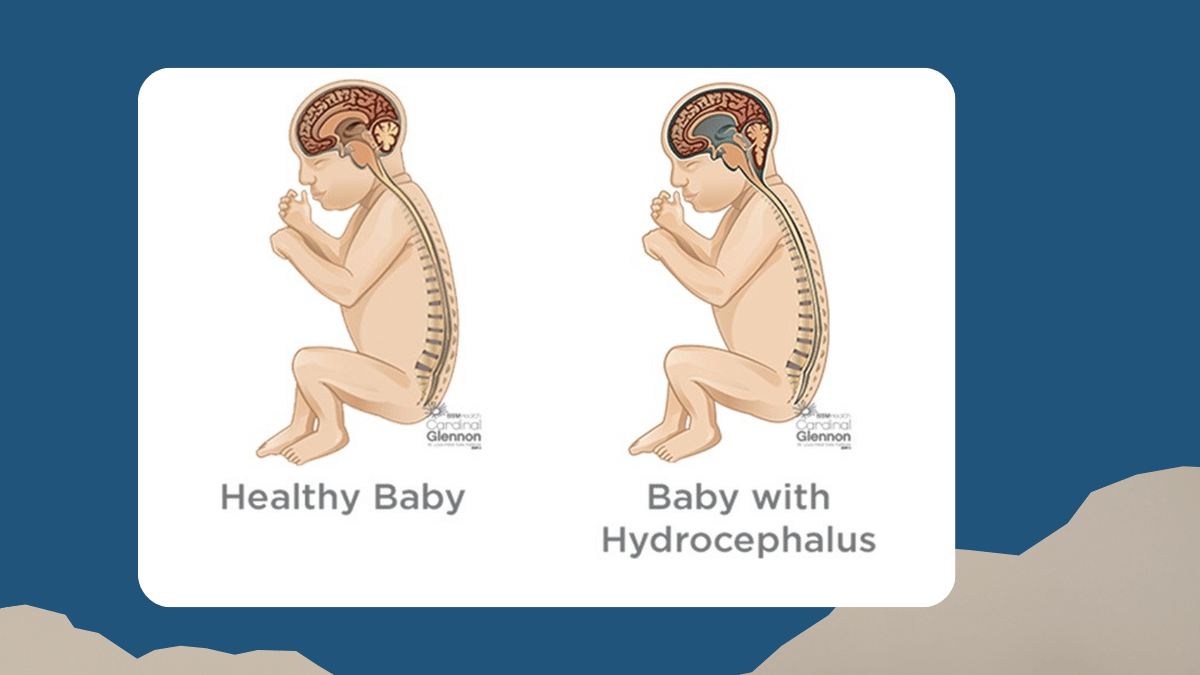
Dr. Nigel brings deep experience to treating neurological disorders in children. He is known for handling hydrocephalus, congenital malformations, and pediatric brain tumors with great care and precision. Using minimally invasive tools and child-specific protocols, he ensures safety in delicate procedures. Families trust his gentle approach and skill in preserving developmental potential.

expertise
Spinal Reconstruction & Fusion

From traumatic injuries to degenerative spine conditions, Dr. Nigel offers advanced reconstructive solutions. He performs spinal fusions and instrumentation using minimally invasive or open methods based on patient needs. Stability, pain relief, and structural integrity guide his surgical goals. He combines technology with experience to restore function and mobility with durable results.

expertise
Epilepsy surgery

Epilepsy surgery helps patients with drug-resistant seizures regain better control and improve quality of life. It involves carefully locating and removing or modifying the area of the brain causing abnormal electrical activity. Dr. Nigel offers advanced surgical techniques, including neuro-navigation and minimally invasive approaches, for safe and effective outcomes.

expertise
Deep Brain Stimulation for Parkinson's Disease and Movement Disorders

Deep Brain Stimulation is the most established surgical treatment for Parkinson's disease, essential tremor, and dystonia - conditions where abnormal electrical activity in specific brain circuits produces involuntary movement, rigidity, tremor, and severe impairment of daily function that medication alone cannot adequately control. DBS does not cure these conditions but can produce transformative and sustained symptom reduction when electrode placement is precise and programming is optimised. Dr. Nigel Peter Symss performs Deep Brain Stimulation surgery at Gleneagles Fortis Hospital, Perumbakkam, Chennai, drawing on specific Fellowship training in functional neurosurgery at Flinders Medical Centre, Adelaide. Electrode placement uses stereotactic targeting with preoperative MRI and CT planning, intraoperative physiological mapping to confirm the optimal target, and in appropriate cases awake surgery so that the patient's response to stimulation can be assessed during the procedure - the most reliable method for verifying correct placement. Following surgery, the DBS system is programmed and optimised through specialist sessions to achieve maximum symptom benefit with minimal side effects. Long-term follow-up involves periodic programming adjustment as the condition and the patient's response evolve. DBS for Parkinson's disease, essential tremor, and dystonia is a core component of the functional neurosurgery practice at Gleneagles Fortis Hospital, Chennai. Written by Dr. Nigel Peter Symss, MBBS, DNB (Neurosurgery), Fellowship in Paediatric Neurosurgery (Jikei University School of Medicine, Tokyo, Japan - Oi-Sami Fellowship), Fellowship in Spinal Surgery, Functional Neurosurgery and Microneurosurgery (Flinders Medical Centre, Adelaide, Australia), HOD and Senior Consultant Neurosurgeon and Functional Neurosurgeon, Gleneagles Fortis Hospital, Perumbakkam, Chennai. 30+ years. 50,000+ patients.

expertise
Minimally Invasive Spine Surgery

Minimally invasive spine surgery uses tubular retractors, endoscopic instruments, and small incisions to achieve the same surgical goals as traditional open spine surgery - neural decompression, disc removal, spinal stabilisation - while substantially reducing muscle trauma, blood loss, hospital stay, and recovery time. Not every spine condition is amenable to minimally invasive approaches, and the selection of the appropriate technique for each patient and their specific pathology is the first surgical decision. Dr. Nigel Peter Symss performs minimally invasive spine surgery at Gleneagles Fortis Hospital, Perumbakkam, Chennai, with specific Fellowship training from the Spinal Surgery programme at Flinders Medical Centre, Adelaide, Australia. Minimally invasive techniques he uses include tubular retractor microdiscectomy for lumbar disc prolapse with radiculopathy, endoscopic and microscope-assisted decompression for cervical and lumbar spinal stenosis, and minimally invasive fusion for selected cases of spinal instability or degenerative spondylolisthesis. Hospital stays following these procedures are typically one to two days, and return to light activity is achievable within two to four weeks for most patients. Surgical candidacy is determined by clinical symptoms, imaging findings, and failure of appropriate non-surgical management, with operative intervention offered only when the patient's condition and overall clinical picture support it.

Dr. Nigel Peter Symss's Expert Tips & Health Insights

Latest

Article Long

Articles by Dr. Nigel Peter Symss

https://d2vvc091k8tmib.cloudfront.net/s3fs-public/2026-07/The%20Complete%20Guide%20to%20Brain%20and%20Spine%20Surgery%20Everything%20Patients%20Need%20to%20Know%20%281%29.png
https://d2vvc091k8tmib.cloudfront.net/s3fs-public/2025-07/WhatsApp%20Image%2002.webp
By: Dr. Nigel Peter Symss
14 July 2026

The Complete Guide to Brain and Spine Surgery: Everything Patients Need to Know

Discover the conditions neurosurgeons treat, including brain, spine, and nerve disorders, with expert insights from Dr. Nigel Peter Symss, Chennai.
Read More
https://d2vvc091k8tmib.cloudfront.net/s3fs-public/2026-07/Epilepsy%20and%20Epilepsy%20Surgery_%20What%20You%20%20Need%20to%20Know.png
https://d2vvc091k8tmib.cloudfront.net/s3fs-public/2025-07/WhatsApp%20Image%2002.webp
By: Dr. Nigel Peter Symss
22 June 2026

Epilepsy and Epilepsy Surgery: What You Need to Know

Learn about epilepsy causes, types, treatments, and when epilepsy surgery may help. Advanced epilepsy care and surgical options by Dr. Nigel Peter Symss, Chennai.
Read More
https://d2vvc091k8tmib.cloudfront.net/s3fs-public/2026-07/Brain%20Tumours_%20Symptoms%2C%20Diagnosis%2C%20and%20How%20Modern%20Surgery%20Has%20Changed%20Outcomes.png
https://d2vvc091k8tmib.cloudfront.net/s3fs-public/2025-07/WhatsApp%20Image%2002.webp
By: Dr. Nigel Peter Symss
08 June 2026

Brain Tumours: Symptoms, Diagnosis, and How Modern Surgery Has Changed Outcomes

Brain tumour symptoms are often missed in the early stages, but advances in imaging, surgical navigation, and modern neurosurgery have significantly improved diagnosis, treatment safety, and long-term outcomes for patients.
Read More
https://d2vvc091k8tmib.cloudfront.net/s3fs-public/2026-07/Understanding%20Hydrocephalus%20in%20Children.png
https://d2vvc091k8tmib.cloudfront.net/s3fs-public/2025-07/WhatsApp%20Image%2002.webp
By: Dr. Nigel Peter Symss
30 June 2025

Understanding Hydrocephalus in Children: Causes, Symptoms, and Treatment

Hydrocephalus in children is a condition where excess fluid builds up in the brain, causing pressure and symptoms like head enlargement, vomiting, and headaches. Early diagnosis and surgical treatment improve outcomes.
Read More
https://d2vvc091k8tmib.cloudfront.net/s3fs-public/2026-07/VP%20Shunt%20vs%20Endoscopic%20Third%20Ventriculostomy.png
https://d2vvc091k8tmib.cloudfront.net/s3fs-public/2025-07/WhatsApp%20Image%2002.webp
By: Dr. Nigel Peter Symss
30 June 2025

VP Shunt vs Endoscopic Third Ventriculostomy: How We Treat Hydrocephalus Today

Hydrocephalus treatment has evolved from VP shunts to advanced options like endoscopic third ventriculostomy (ETV). Each approach has benefits, with ETV reducing long-term complications in selected cases.
Read More
https://d2vvc091k8tmib.cloudfront.net/s3fs-public/2026-07/Deep%20Brain%20Stimulation.png
https://d2vvc091k8tmib.cloudfront.net/s3fs-public/2025-07/WhatsApp%20Image%2002.webp
By: Dr. Nigel Peter Symss
30 June 2025

Deep Brain Stimulation A Life Changing Option for Parkinson’s Patients

Deep brain stimulation (DBS) is an advanced surgical treatment for Parkinson’s disease that uses electrical impulses to regulate abnormal brain activity, helping reduce tremors and improve quality of life.
Read More
https://d2vvc091k8tmib.cloudfront.net/s3fs-public/2026-07/Living%20with%20Parkinson%E2%80%99s.png
https://d2vvc091k8tmib.cloudfront.net/s3fs-public/2025-07/WhatsApp%20Image%2002.webp
By: Dr. Nigel Peter Symss
30 June 2025

Living with Parkinson’s When Is It Time to Consider Surgery

Surgery for Parkinson’s is considered when medications no longer control symptoms or cause side effects. Advanced options like DBS can improve movement and quality of life in suitable patients.
Read More
https://d2vvc091k8tmib.cloudfront.net/s3fs-public/2026-07/What%20Happens%20During%20a%20Deep%20Brain%20Stimulation%20Surgery.png
https://d2vvc091k8tmib.cloudfront.net/s3fs-public/2025-07/WhatsApp%20Image%2002.webp
By: Dr. Nigel Peter Symss
30 June 2025

What Happens During a Deep Brain Stimulation Surgery

Deep brain stimulation surgery involves implanting electrodes in specific brain areas and connecting them to a device that sends electrical signals, helping regulate abnormal activity and improve symptoms.
Read More
https://d2vvc091k8tmib.cloudfront.net/s3fs-public/2026-07/Hydrocephalus%20in%20Newborns.png
https://d2vvc091k8tmib.cloudfront.net/s3fs-public/2025-07/WhatsApp%20Image%2002.webp
By: Dr. Nigel Peter Symss
30 June 2025

Hydrocephalus in Newborns Can It Be Detected Before Birth

Hydrocephalus in newborns can often be detected before birth through prenatal ultrasounds showing enlarged brain ventricles. Early detection helps monitor the baby and plan timely treatment after birth.
Read More
https://d2vvc091k8tmib.cloudfront.net/s3fs-public/2026-07/When%20to%20See%20a%20Neurosurgeon%20Early%20%20Signs%20You%20Shouldn%E2%80%99t%20Ignore.png
https://d2vvc091k8tmib.cloudfront.net/s3fs-public/2025-07/WhatsApp%20Image%2002.webp
By: Dr. Nigel Peter Symss
15 June 2025

When to See a Neurosurgeon Early Signs You Shouldn’t Ignore

As a neurosurgeon, I often meet patients who tell me they waited too long to seek help—either because they thought their symptoms were “normal” or were unsure whether to consult a specialist.
Read More
https://d2vvc091k8tmib.cloudfront.net/s3fs-public/2026-07/Children%20and%20Brain%20Surgery.png
https://d2vvc091k8tmib.cloudfront.net/s3fs-public/2025-07/WhatsApp%20Image%2002.webp
By: Dr. Nigel Peter Symss
15 June 2025

Children and Brain Surgery: How Pediatric Neurosurgery Has Evolved

Pediatric neurosurgery has evolved with advanced imaging, microsurgical, and minimally invasive techniques, making brain surgeries safer and more precise, leading to faster recovery and better outcomes for children.
Read More
https://d2vvc091k8tmib.cloudfront.net/s3fs-public/2026-07/From%20Head%20Injury%20to%20Healing%20Neurosurgical%20Interventions%20That%20Work.png
https://d2vvc091k8tmib.cloudfront.net/s3fs-public/2025-07/WhatsApp%20Image%2002.webp
By: Dr. Nigel Peter Symss
15 June 2025

From Head Injury to Healing Neurosurgical Interventions That Work

HFrom head injury to recovery, modern neurosurgical interventions like hematoma removal, decompression, and advanced monitoring help reduce brain damage, relieve pressure, and improve patient outcomes.
Read More

Dr. Nigel Peter Symss's Patient Testimonial Reviews

Leave a Review

Patient Reviews

Dr. Nigel Peter Symss

Leave a Review

Frequently Asked Questions

Frequently Asked Questions

View all

How is brain and spine surgery different in children compared to adults?

Children are not small adults, and paediatric neurosurgery is a distinct speciality within neurosurgery for reasons that are both technical and clinical. On the technical side, children's anatomical structures are smaller, their blood volume is substantially lower - meaning even modest blood loss during surgery can be haemodynamically significant - and their anaesthetic requirements differ from adults in ways that affect both safety and brain physiology during the procedure. Instruments are sized and techniques adapted accordingly. On the clinical side, the conditions that bring children to a neurosurgeon are often different from those affecting adults. Hydrocephalus in newborns and infants is a leading indication for paediatric neurosurgery, as are congenital brain and spine malformations, paediatric brain tumours with histological types not commonly seen in adults (medulloblastoma, ependymoma, choroid plexus tumours), and Moyamoya disease, a rare cerebrovascular condition of childhood causing progressive stroke that can be treated with indirect bypass surgery. Epilepsy surgery in children also requires assessment of developmental considerations that do not apply to adults. There is also a dimension specific to treating children that goes beyond technique: the developmental implications of both the condition and the treatment must inform every decision, because a deficit acquired in a young brain affects a lifetime of learning, independence, and quality of life in a way that the same deficit in an elderly patient does not. My paediatric neurosurgery fellowship at Jikei University School of Medicine, Tokyo, under Professor Oi - one of the world leaders in paediatric hydrocephalus and neuroendoscopy - gave me specific training in this area.

Written by Dr. Nigel Peter Symss, MBBS, DNB (Neurosurgery), Fellowship in Paediatric Neurosurgery (Jikei University School of Medicine, Tokyo, Japan - Oi-Sami Fellowship), Fellowship in Spinal Surgery, Functional Neurosurgery and Microneurosurgery (Flinders Medical Centre, Adelaide, Australia), HOD and Senior Consultant Neurosurgeon and Functional Neurosurgeon, Gleneagles Fortis Hospital, Perumbakkam, Chennai. 30+ years. 50,000+ patients. 

What is the difference between minimally invasive spine surgery and open spine surgery, and how will I know which one I am getting?

Open spine surgery involves a single long incision over the spine with retraction of the paraspinal muscles away from the spine's bony structures. This approach provides excellent visibility but causes significant muscle trauma, blood loss, and postoperative pain, and typically requires a hospital stay of five to seven days with a recovery period of six to twelve weeks before return to normal activity. Minimally invasive spine surgery achieves the same surgical goals - decompression of nerves, stabilisation of the spine, removal of disc material - through one or more small incisions of approximately one to two centimetres, using specialised tubular retractors that separate rather than cut through the muscle, or through endoscopic instruments that access the spine through even smaller portals. The result is dramatically less tissue disruption, shorter hospital stay of one to two days, faster recovery of two to four weeks, and comparable or superior outcomes in appropriately selected cases. My spinal fellowship at Flinders Medical Centre, Adelaide, trained me specifically in minimally invasive techniques, and at Gleneagles Fortis Hospital, Chennai, I use these approaches for disc prolapse, decompression for spinal stenosis, and selected fusion procedures. You should ask your neurosurgeon directly which approach they are planning and why - understanding whether your procedure is minimally invasive or open, and what the rationale is for that choice given your specific anatomy and pathology, is a reasonable and important question.

Written by Dr. Nigel Peter Symss, MBBS, DNB (Neurosurgery), Fellowship in Paediatric Neurosurgery (Jikei University School of Medicine, Tokyo, Japan - Oi-Sami Fellowship), Fellowship in Spinal Surgery, Functional Neurosurgery and Microneurosurgery (Flinders Medical Centre, Adelaide, Australia), HOD and Senior Consultant Neurosurgeon and Functional Neurosurgeon, Gleneagles Fortis Hospital, Perumbakkam, Chennai. 30+ years. 50,000+ patients.

What is deep brain stimulation and who is a candidate for it?

Deep brain stimulation (DBS) is a functional neurosurgical procedure in which electrodes are implanted with millimetre-level precision into specific target structures deep within the brain. These electrodes are connected to a pulse generator (similar to a cardiac pacemaker) placed beneath the skin, which delivers continuous electrical stimulation that modulates abnormal neural circuit activity. I completed a fellowship in functional neurosurgery at Flinders Medical Centre and DBS is one of the central pillars of my practice at Gleneagles Fortis Hospital, Chennai.
DBS is most effective for movement disorders where specific brain circuits are dysregulated. The conditions with the strongest evidence for DBS are Parkinson's disease (where it controls tremor, rigidity, and dyskinesias), essential tremor (where stimulation of the thalamus dramatically reduces tremor), and dystonia (where it reduces abnormal sustained muscle contractions). Selected cases of obsessive-compulsive disorder also respond to DBS.

  • Parkinson's disease: Patients who have good initial response to levodopa but develop motor fluctuations or dyskinesias on long-term medication are typically the best candidates
  • Essential tremor: Patients with tremor that is significantly disabling and not controlled by medication
  • Dystonia: Particularly generalised and cervical dystonia, especially in younger patients
    Patients should not have significant cognitive impairment, active psychiatric conditions, or surgical contraindications
    DBS does not cure the underlying condition, but it can produce dramatic, sustained improvement in quality of life for appropriate patients. A formal functional neurosurgery assessment determines candidacy at Gleneagles Fortis Hospital, Chennai.

Written by Dr Nigel Peter Symss, MBBS, DNB (Neurosurgery), Fellowship Paediatric Neurosurgery (Jikei University, Japan), Fellowship Spinal, Functional Neurosurgery and Microneurosurgery (Flinders Medical Centre, Australia), HOD and Senior Consultant Neurosurgeon and Functional Neurosurgeon, Gleneagles Fortis Hospital, Perumbakkam, Chennai.

What is deep brain stimulation and who is a candidate for it?

Deep brain stimulation (DBS) is a functional neurosurgical procedure in which electrodes are implanted with millimetre-level precision into specific target structures deep within the brain. These electrodes are connected to a pulse generator (similar to a cardiac pacemaker) placed beneath the skin, which delivers continuous electrical stimulation that modulates abnormal neural circuit activity. I completed a fellowship in functional neurosurgery at Flinders Medical Centre and DBS is one of the central pillars of my practice at Gleneagles Fortis Hospital, Chennai.
DBS is most effective for movement disorders where specific brain circuits are dysregulated. The conditions with the strongest evidence for DBS are Parkinson's disease (where it controls tremor, rigidity, and dyskinesias), essential tremor (where stimulation of the thalamus dramatically reduces tremor), and dystonia (where it reduces abnormal sustained muscle contractions). Selected cases of obsessive-compulsive disorder also respond to DBS.

  • Parkinson's disease: Patients who have good initial response to levodopa but develop motor fluctuations or dyskinesias on long-term medication are typically the best candidates
  • Essential tremor: Patients with tremor that is significantly disabling and not controlled by medication
  • Dystonia: Particularly generalised and cervical dystonia, especially in younger patients
    Patients should not have significant cognitive impairment, active psychiatric conditions, or surgical contraindications
    DBS does not cure the underlying condition, but it can produce dramatic, sustained improvement in quality of life for appropriate patients. A formal functional neurosurgery assessment determines candidacy at Gleneagles Fortis Hospital, Chennai.

Written by Dr Nigel Peter Symss, MBBS, DNB (Neurosurgery), Fellowship Paediatric Neurosurgery (Jikei University, Japan), Fellowship Spinal, Functional Neurosurgery and Microneurosurgery (Flinders Medical Centre, Australia), HOD and Senior Consultant Neurosurgeon and Functional Neurosurgeon, Gleneagles Fortis Hospital, Perumbakkam, Chennai. 

What is the difference between minimally invasive spine surgery and traditional open spine surgery?

Minimally invasive spine surgery and traditional open spine surgery both achieve the same fundamental surgical goals - decompressing neural structures and stabilising the spine where indicated - but they differ significantly in how they access the surgical site and the impact that access has on recovery. As a neurosurgeon trained in minimally invasive spine techniques at Flinders Medical Centre, Adelaide, I use these approaches routinely at Gleneagles Fortis Hospital, Chennai. Traditional open surgery: A longer incision is made along the spine, and muscles are retracted away from the bone to expose the surgical area. 

This provides excellent visualisation but involves significant muscle disruption, which contributes to post-operative pain and longer recovery Minimally invasive spine surgery: Tubular retractors, endoscopic access, and microincisions dilate rather than cut the muscles, reducing tissue damage. Fluoroscopy or navigation guides accurate instrument placement through smaller entry points Recovery: Minimally invasive patients typically go home in one to two days and return to light activity in two to four weeks. 

Open surgery typically requires longer hospitalisation and rehabilitation Outcomes: In appropriate cases, minimally invasive techniques achieve comparable or superior surgical outcomes with less blood loss, lower infection rates, and reduced post-operative pain Not every spine condition is suitable for minimally invasive surgery. The choice depends on the diagnosis, the extent of the decompression or fusion required, and the patient's anatomy. I discuss the most appropriate approach for each individual case at Gleneagles Fortis Hospital, Perumbakkam, Chennai. 

Written by Dr Nigel Peter Symss, MBBS, DNB (Neurosurgery), Fellowship Paediatric Neurosurgery (Jikei University, Japan), Fellowship Spinal, Functional Neurosurgery and Microneurosurgery (Flinders Medical Centre, Australia), HOD and Senior Consultant Neurosurgeon and Functional Neurosurgeon, Gleneagles Fortis Hospital, Perumbakkam, Chennai

Link copied to clipboard!

Reach Dr. Nigel Peter Symss

Gleneagles HealthCity, Perumbakkam - Sholinganallur, Chennai

439, Cheran Nagar, Sholinganallur, Perumbakkam, Chennai, Tamil Nadu 600100