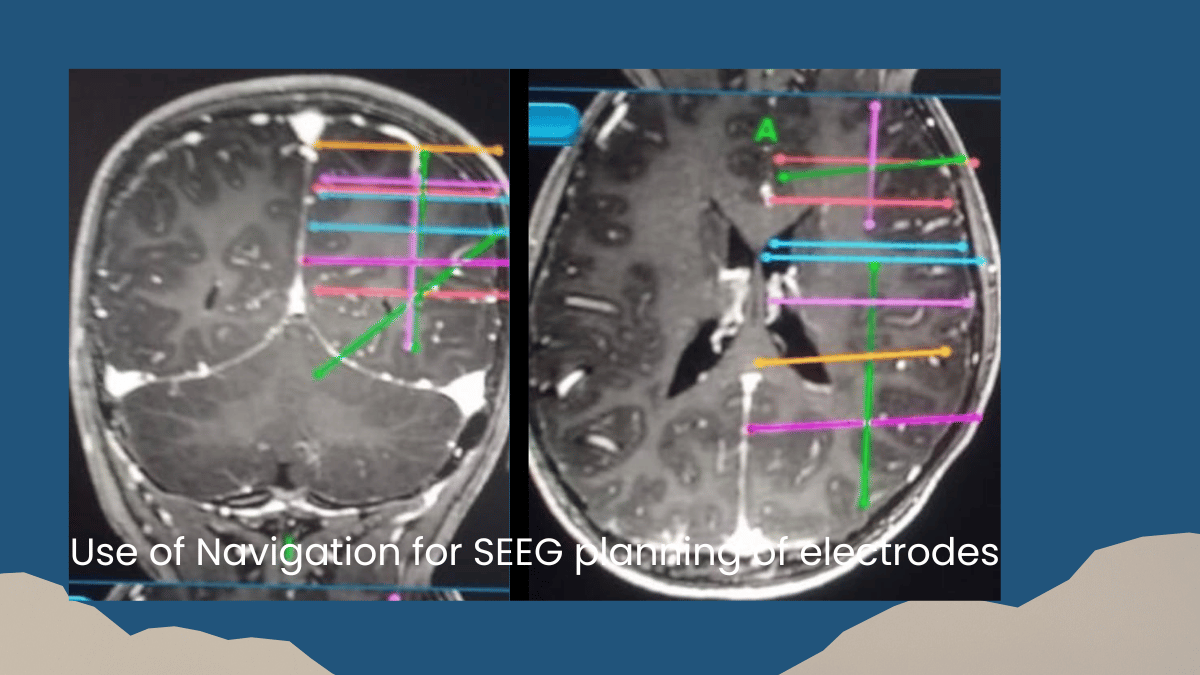
Epilepsy is one of the most common neurological conditions I manage as part of the Advanced Epilepsy Programme at Gleneagles HealthCity, Chennai. Understanding the condition, its causes, and when epilepsy surgery may be the right option helps patients and families make informed decisions about long-term care.
What is a seizure?
A seizure is an acute surge of abnormal electrical activity in the brain, which can cause uncontrolled jerky movements and even loss of consciousness.
What is epilepsy?
Epilepsy is a brain condition that causes recurring seizures. Having a single seizure does not mean you have epilepsy. Epilepsy is common and can affect all ages, genders, and races.
What causes epilepsy?
- Genetic predisposition
- After head injuries
- Infections in the brain
- Developmental disorders like focal cortical dysplasia
- Brain tumours
- Metabolic and immune causes
- In newborns, prenatal or perinatal brain damage due to hypoxia
What are the types of epilepsy?
- Focal (Partial) Epilepsy: focal seizure with preserved or impaired consciousness
- Generalised Epilepsy: includes tonic-clonic seizures, myoclonic seizures, atonic seizures, and absence seizures
- Combined generalised and focal epilepsy
- Unknown
What is drug-resistant epilepsy?
Drug-resistant epilepsy, also called intractable epilepsy, is a condition where seizures persist despite the use of at least two appropriately chosen and dosage-tolerated anti-seizure medications. About 25 to 30 percent of patients with epilepsy develop this form of the condition.
What are the treatment options for epilepsy?
- Anti-seizure medications
- Dietary therapies such as the ketogenic diet
- Epilepsy surgeries, including resective surgeries, disconnection surgeries, and anterior temporal lobectomy
- Neuromodulation devices including Vagus Nerve Stimulation (VNS) and Deep Brain Stimulation (DBS)
- Other options include Responsive Neurostimulation (RNS) and Radiofrequency (RF) ablation
Can epilepsy be cured by surgery?
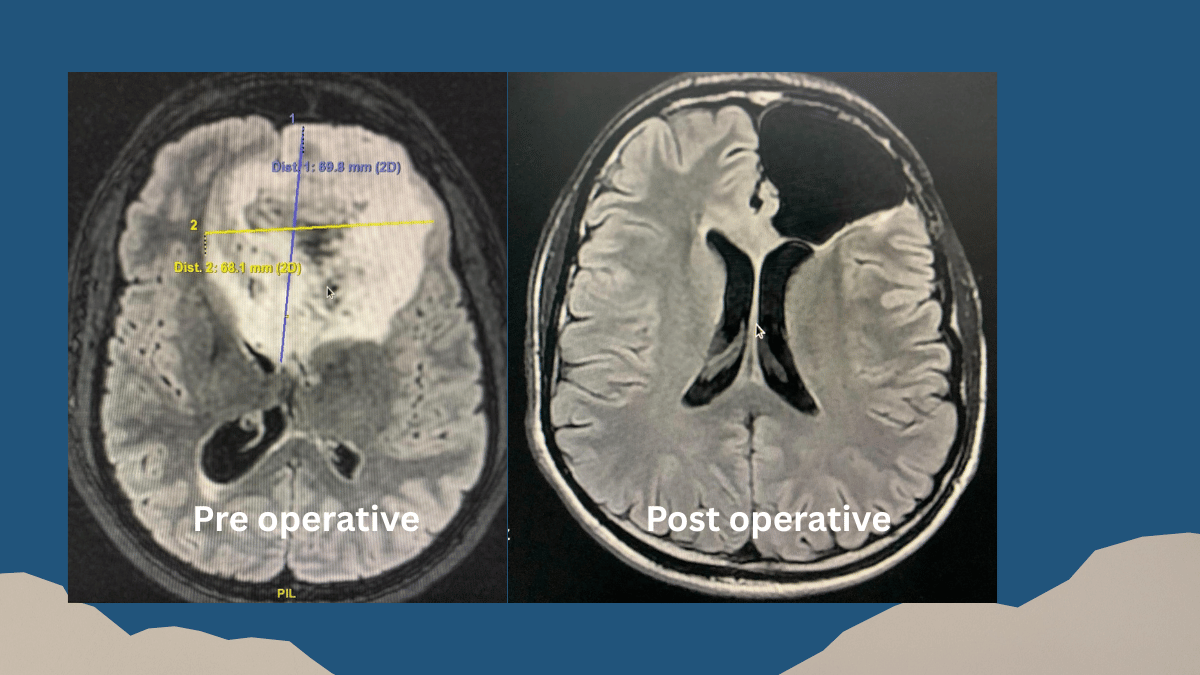
If seizures start from one spot in the brain, surgery can help by removing it, disconnecting it, or disabling the part of the brain where seizures originate. For the right patient, surgery offers the most meaningful chance of seizure freedom. Careful evaluation with EEG, video EEG, high-resolution MRI scan, and PET scan can help determine whether surgery can achieve seizure control. Among patients with drug-resistant epilepsy, about 25 to 30 percent are surgical candidates.
When should you see a doctor?
- The seizure lasts more than five minutes
- A second seizure occurs immediately
- High fever with seizure
- Head injury with seizure
- Pregnancy
- Diabetes and hypertension
- Continuing to have seizures while on adequate anti-seizure medications
The Advanced Epilepsy Centre at Gleneagles HealthCity, Chennai
Gleneagles HealthCity, Chennai, houses a Comprehensive Level Four Epilepsy Centre, equipped to treat the most complex epilepsy cases. The centre provides advanced diagnostic tools including 3 Tesla MRI, PET scan, and video EEG, and also performs Stereo EEG, which helps identify the focus of epilepsy in difficult cases. In the last six months, 22 patients with drug-resistant epilepsy have been successfully treated by epilepsy surgery using sophisticated equipment and technology.
To book a consultation with Dr Nigel Peter Symss at Gleneagles HealthCity, Perumbakkam, Chennai.
Written by Dr Nigel Peter Symss, MBBS, DNB (Neurosurgery), Fellowship Pediatric Neurosurgery (Japan), Fellowship Spinal/Functional Neurosurgery/Microneurosurgery (Australia), HOD and Senior Consultant Neurosurgeon, Gleneagles HealthCity, Perumbakkam, Chennai.


Comments
Dr Murali Mohan S
Posted on: June 22,2026 Published
A very good read, Dr Nigel. Crisp and to the point. A complete overview of possibilities today, in treatment of Epilepsy. Keep writing 💐
Add a Comment