As a pediatrician with over 13 years of experience, I have had the privilege of caring for countless children with allergic conditions. Watching these little lives transform from suffering in silence to thriving with proper management has been truly inspiring. Allergies can be confusing and overwhelming—for parents and children alike. But with the right knowledge and approach, we can turn allergy management into an empowering journey. I’d like to share some insights and stories that highlight how understanding and carefully managing childhood allergies can make all the difference.
Recognizing the Signs of Allergies in Children:
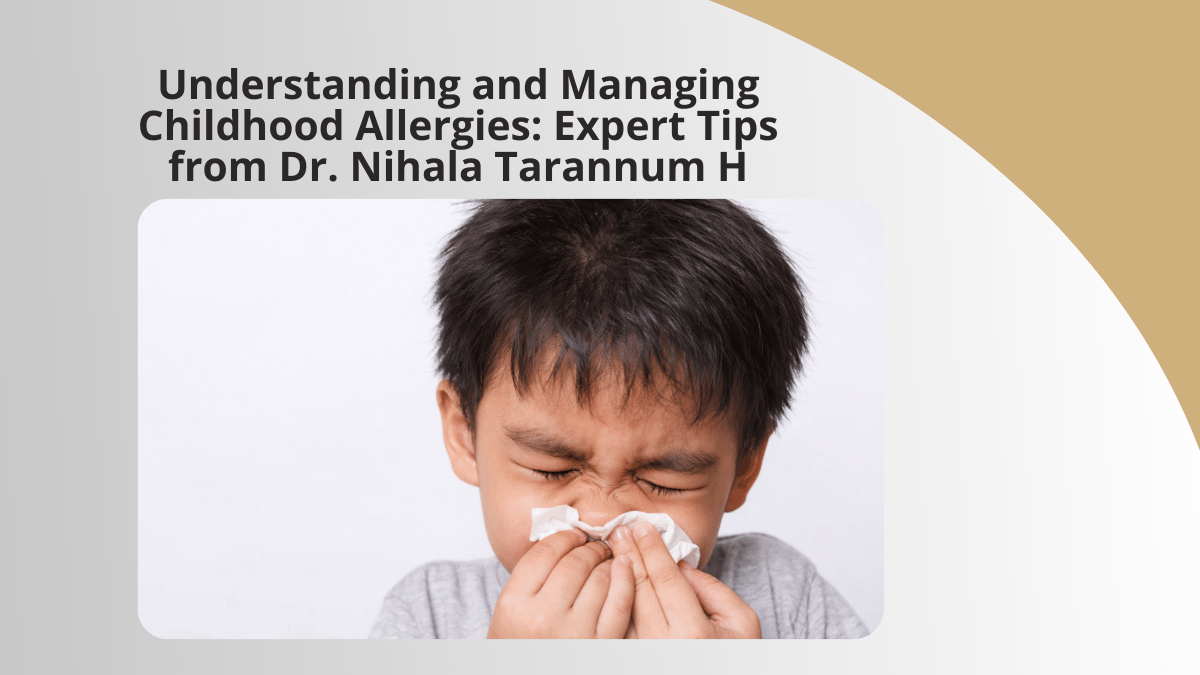
One of the first steps in managing allergies is identifying the symptoms early. Children often can’t tell us exactly what they’re feeling, so looking out for signs like persistent sneezing, runny or blocked nose, itchy eyes, or skin rashes is key. I recall a young boy, Aarav, who kept complaining of frequent nasal congestion and itchy eyes, especially during spring. A simple allergy test revealed pollen allergy—a common airborne allergy in children. Early diagnosis allowed us to start appropriate treatment, and Aarav’s symptoms drastically improved, allowing him to enjoy outdoor play again.
Different Types of Allergies: What Parents Need to Know:
Allergies come in many forms—food, skin, airborne, or insect-related. Food allergies like nuts, dairy, or eggs can cause immediate reactions, sometimes severe. Skin allergies manifest as eczema or hives, often triggered by certain fabrics, soaps, or environmental factors. Airborne allergens such as pollen, dust mites, mold, and pet dander are common culprits for respiratory symptoms.
Understanding these different types helps parents become attentive to the specific triggers. For instance, I remember a young girl, Meera, who developed hives after eating strawberries. Identifying the food allergen helped us devise a safe dietary plan for her. Conversely, her mother was surprised to learn that dust mites in her home might be aggravating her child's eczema—leading to targeted environmental control measures.
The Role of Allergy Testing: Clearing the Confusion:
One of the most valuable tools I have at my disposal is allergy testing. Skin Prick Tests and blood tests provide clear insights into what allergens are affecting the child. These tests are quick, minimally invasive, and highly effective in pinpointing exact triggers. I always reassure parents that these tests are safe and help tailor personalized treatment plans.
Effective Management and Treatment Strategies
Once we identify the specific allergies, the next step is management. This can range from avoiding known triggers to medications and immunotherapy. I’ve seen children like Rohan, who initially relied heavily on antihistamines, gradually reduce his medication needs after starting allergen immunotherapy—an approach that gradually desensitizes the immune response.
Environmental control measures are equally vital. Regular cleaning to reduce dust mites, using air purifiers, and keeping pets out of bedrooms can significantly reduce exposure. Educating parents about allergy-proofing the home is a cornerstone of my practice.
Empowering Children and Parents:
Living with allergies isn’t just about medication; it’s about empowering children and their families. I emphasize the importance of understanding their allergies, recognizing early warning signs of reactions, and knowing when to seek emergency care. Building awareness ensures that children can lead full, active lives without fear.
Stories of Hope and Transformation :
Every child I’ve cared for has a story. Like little Anjali, whose severe peanut allergy once limited her social interactions. Through detailed testing, strict avoidance strategies, and a carefully supervised immunotherapy plan, Anjali now enjoys birthday parties and school snacks, safe and confident.
Allergies can seem daunting initially, but they are manageable with proper understanding, support, and treatment. My advice to parents is to observe, ask questions, and consult specialists early. With patience and the right approach, children can breathe freely, eat happily, and enjoy the vibrant childhood they deserve.
Remember, allergies do not define a child's life—our guidance and care do. And as a pediatrician and allergist, I’m committed to my young patients’ health and always here to guide families through this journey.

Add a Comment