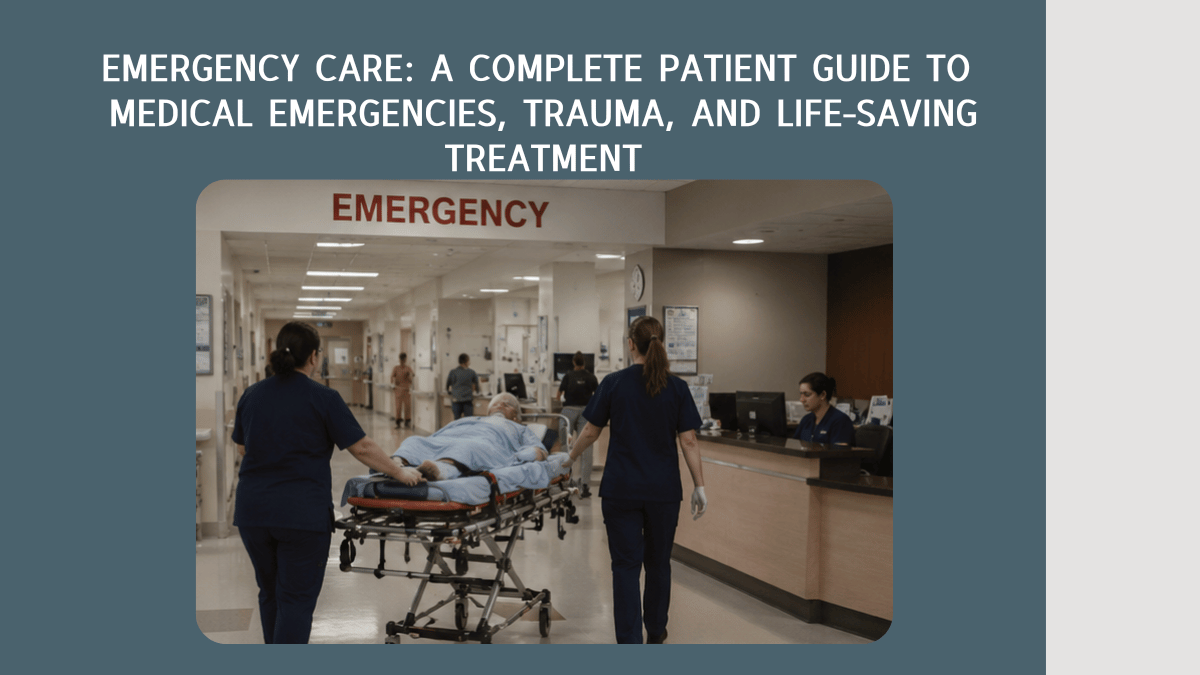
Emergency care Bengaluru services provide immediate treatment for serious illness, trauma, cardiac emergencies, stroke, breathing difficulties, and other life-threatening conditions. Early recognition, rapid assessment, and prompt treatment significantly improve survival and recovery. Understanding when to seek emergency help and what happens during treatment can help patients and families make informed decisions when every minute matters.
A medical emergency can happen to anyone, at any time, without warning. What happens in the first few minutes, the decisions made, the actions taken, and the care delivered, often determines outcomes in a way that no subsequent treatment can replicate. As the Head of Emergency Medicine at SPARSH Hospital, Hennur Road, Bengaluru, I have seen firsthand how timely intervention changes lives.
What Is Emergency Care Bengaluru Patients Should Understand?
Emergency medicine is the medical specialty focused on the immediate recognition, evaluation, and treatment of acute illnesses and injuries requiring rapid intervention. An emergency medicine specialist Hennur patients consult during a crisis is trained to assess all age groups and all organ systems. Unlike many specialties that focus on one area of medicine, emergency physicians evaluate patients before a diagnosis is known and make critical decisions under significant time pressure.
The emergency department manages chest pain, trauma, breathing difficulties, poisoning, seizures, severe infections, and cardiac arrest simultaneously. The ability to identify who needs immediate intervention and who can safely wait is one of the defining skills of emergency medicine.
Why Emergency Medicine Is Unique
Emergency medicine operates in an environment where minutes matter. Every patient presents with uncertainty. A mild symptom may represent a life-threatening condition. Rapid assessment, clinical judgment, and coordinated teamwork form the foundation of effective emergency care.
What Are the Most Common Medical Emergencies?
Many patients struggle to determine whether symptoms are serious enough to require urgent treatment. Certain presentations should always be considered a medical emergency until assessed by a qualified professional.
Cardiac Emergencies
Chest pain, pressure, tightness, unexplained sweating, nausea, breathlessness, or discomfort radiating to the arm, jaw, neck, or back may indicate a heart attack. Prompt cardiac emergency treatment Bengaluru hospitals provide can significantly reduce heart muscle damage and improve survival.
Stroke
Sudden facial drooping, weakness of one side of the body, speech difficulties, loss of balance, or visual disturbances may indicate a stroke. Recognising stroke symptoms early is critical because several treatments are only effective within a limited time window.
Respiratory Emergencies
Severe asthma attacks, anaphylaxis, pulmonary embolism, and respiratory failure may all present with breathlessness. Patients experiencing sudden breathing difficulty should seek immediate emergency room Bengaluru services without delay.
Neurological Emergencies
Seizures, sudden confusion, altered consciousness, and severe headaches require urgent evaluation. These symptoms may indicate serious conditions such as meningitis, brain haemorrhage, or stroke.
Trauma and Injury
Road accidents, falls, workplace injuries, burns, and penetrating injuries often require urgent assessment. Many internal injuries are not immediately visible, making professional evaluation essential after significant trauma.
What Happens When a Patient Arrives at the Emergency Department?
Understanding emergency department processes helps reduce anxiety and allows families to better support their loved ones.
Triage
Triage is the process of prioritising patients based on the urgency of their condition. Patients experiencing cardiac arrest, major trauma, severe breathing difficulties, or stroke symptoms are immediately prioritised. The most critically ill patients are treated first regardless of arrival time.
Assessment and Investigation
Emergency physicians obtain a focused history and perform an examination. Investigations may include blood tests, ECG, X-rays, CT scans, MRI scans, and ultrasound. Point-of-care ultrasound allows rapid bedside diagnosis and has become a valuable tool in modern critical care Bengaluru emergency practice.
Stabilization
Treatment begins immediately. Airway support, oxygen therapy, intravenous access, fluids, pain management, antibiotics, and cardiac monitoring may be initiated before all test results are available.
What Is Trauma Care and Why Is It Different?
Trauma care SPARSH Hospital Bengaluru teams provide focuses specifically on injuries caused by external forces such as accidents, falls, burns, and violence. It follows a structured approach designed to identify and treat life-threatening injuries first.
The ABCDE Approach
Emergency physicians evaluate Airway, Breathing, Circulation, Disability (neurological status), and Exposure. This systematic approach ensures that critical injuries are not overlooked.
Polytrauma
Polytrauma refers to multiple injuries occurring simultaneously. Patients requiring road traffic accident treatment often present with injuries affecting several organ systems. Coordinated care involving emergency physicians, surgeons, orthopaedic specialists, and neurosurgeons is frequently required.
The Golden Hour
The first hour after major trauma is often the most important period for intervention. Rapid transport, haemorrhage control, airway management, and surgical assessment can significantly improve outcomes.
What Is Resuscitation and Advanced Life Support?
Resuscitation refers to interventions used to restore vital functions when life is immediately threatened.
CPR and Basic Life Support
CPR training empowers members of the public to provide life-saving assistance during cardiac arrest. Immediate CPR can double or triple survival rates in out-of-hospital cardiac arrest.
Advanced Cardiac Life Support
Advanced life support includes airway management, cardiac monitoring, defibrillation, medication administration, and treatment of reversible causes of cardiac arrest.
Airway Management
Protecting the airway remains the first priority in critically ill patients. Effective resuscitation requires rapid identification of airway compromise and timely intervention.
What Role Does Disaster Medicine Play?
Disasters place enormous strain on healthcare systems. Disaster medicine focuses on preparing healthcare teams to manage situations where patient numbers exceed available resources.
Emergency physicians play important roles in:
- Mass casualty incidents
- Natural disasters
- Public health emergencies
- Pandemic response
- Community preparedness
Training and preparedness significantly improve healthcare system resilience.
What Should Families Do During a Medical Emergency?
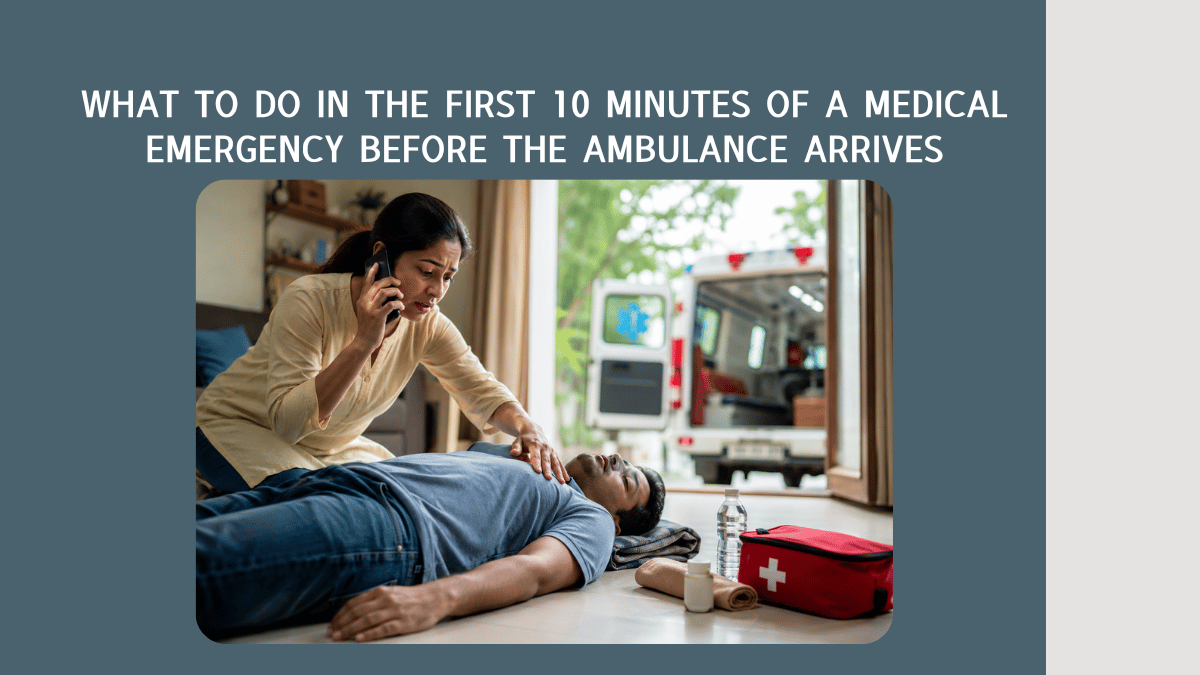
Family actions before medical help arrives can influence outcomes. Key recommendations include:
- Call emergency services immediately.
- Begin CPR if trained.
- Do not move patients with suspected spinal injuries.
- Note the time symptoms started.
- Carry medication lists and medical history.
- Stay calm and provide accurate information.
Seeking prompt treatment at a trauma centre Bengaluru patients trust can significantly improve outcomes.
When Should You Choose Emergency Care Instead of an Outpatient Clinic?
Patients should seek emergency care immediately for:
- Chest pain
- Stroke symptoms
- Difficulty breathing
- Loss of consciousness
- Severe bleeding
- Major trauma
- Seizures
- Severe allergic reactions
- Sudden vision loss
- Severe abdominal pain
If there is uncertainty, emergency assessment is generally safer than waiting.
Frequently Asked Questions About Emergency Care
How do I know if chest pain is an emergency?
Any unexplained chest pain should be assessed urgently, particularly if accompanied by sweating, nausea, or breathlessness.
Should I call an ambulance or drive to hospital?
Patients with severe symptoms, stroke signs, or major trauma should ideally use emergency medical services.
What happens during triage?
Triage prioritises patients according to medical urgency rather than order of arrival.
Can emergency doctors treat children?
Yes. Emergency physicians are trained to manage both adult and paediatric emergencies.
What should I carry to the emergency room?
Carry identification, medication lists, allergy information, and relevant medical records if available.
How quickly should stroke symptoms be treated?
Immediately. Stroke treatment is highly time-sensitive.
What is the golden hour in trauma care?
It refers to the critical first hour after injury when treatment can have the greatest impact on outcomes.
When should I choose emergency care over an outpatient clinic?
Choose emergency care whenever symptoms threaten breathing, circulation, consciousness, or major organ function. Conditions requiring advanced life support should never be managed outside a properly equipped emergency setting.
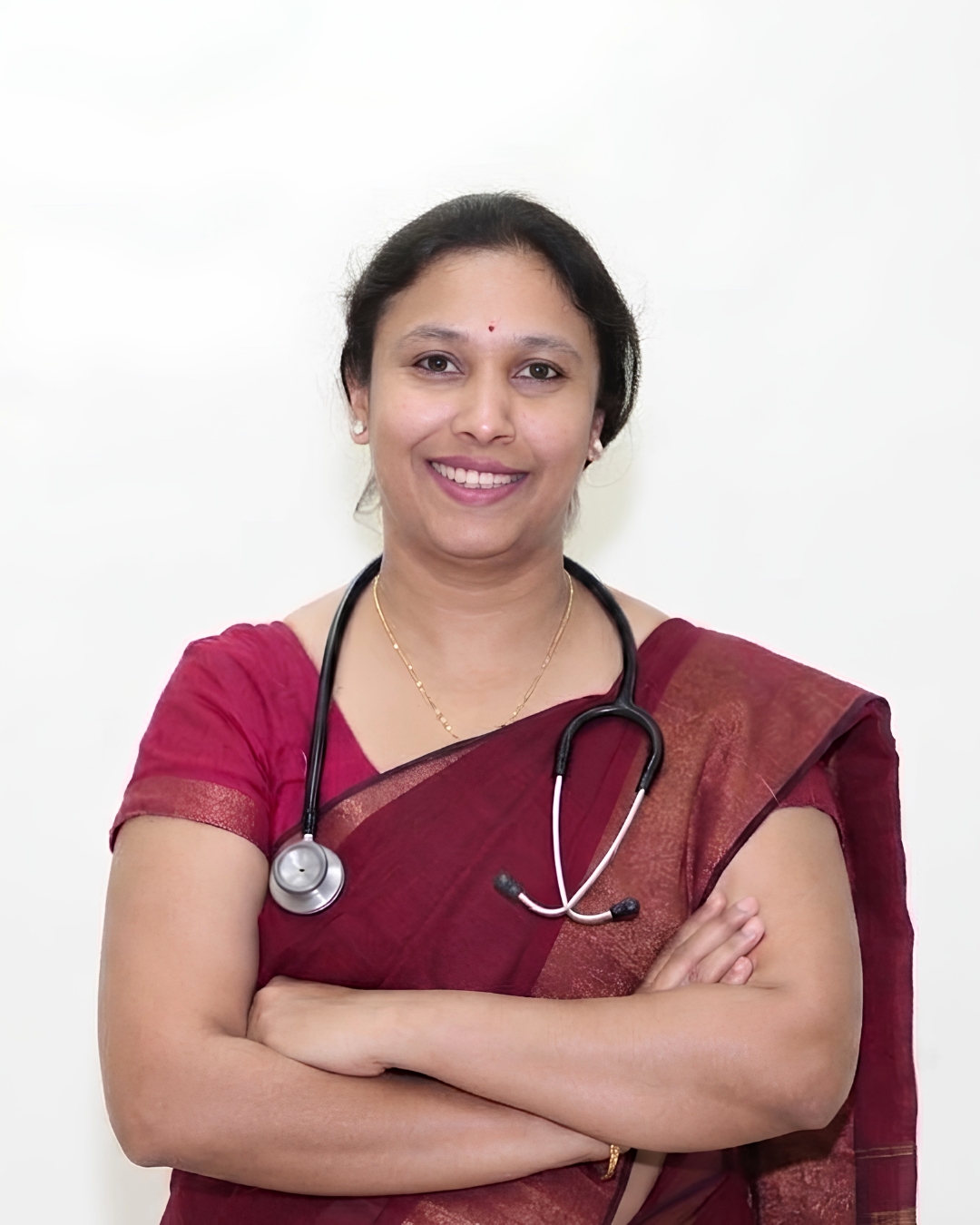
Written by Dr Nilu Sunil, MBBS, DEM, FEM, FACEE, FRCEM (A), PGDHHM, PGDMLS, EMDM, MBA, Head of Emergency Medicine, SPARSH Hospital, Hennur Road, Bengaluru.
Related reading:
When to Visit the Emergency Room: Warning Signs
The Human Side of Emergency Medicine: Compassion in Critical Care
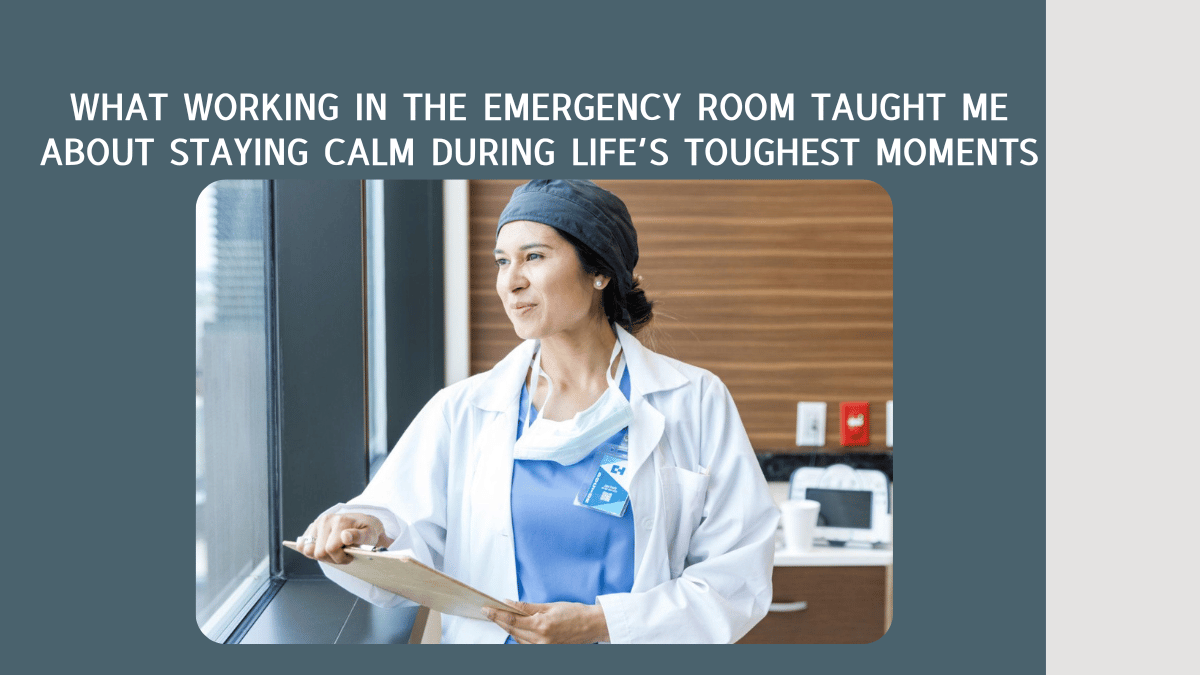
Emergency Room Lessons: Staying Calm in Life's Toughest Moments
To book a consultation with Dr Nilu Sunil at SPARSH Hospital, Hennur Road, Bengaluru, visit the doctor's LinQMD profile.
Add a Comment