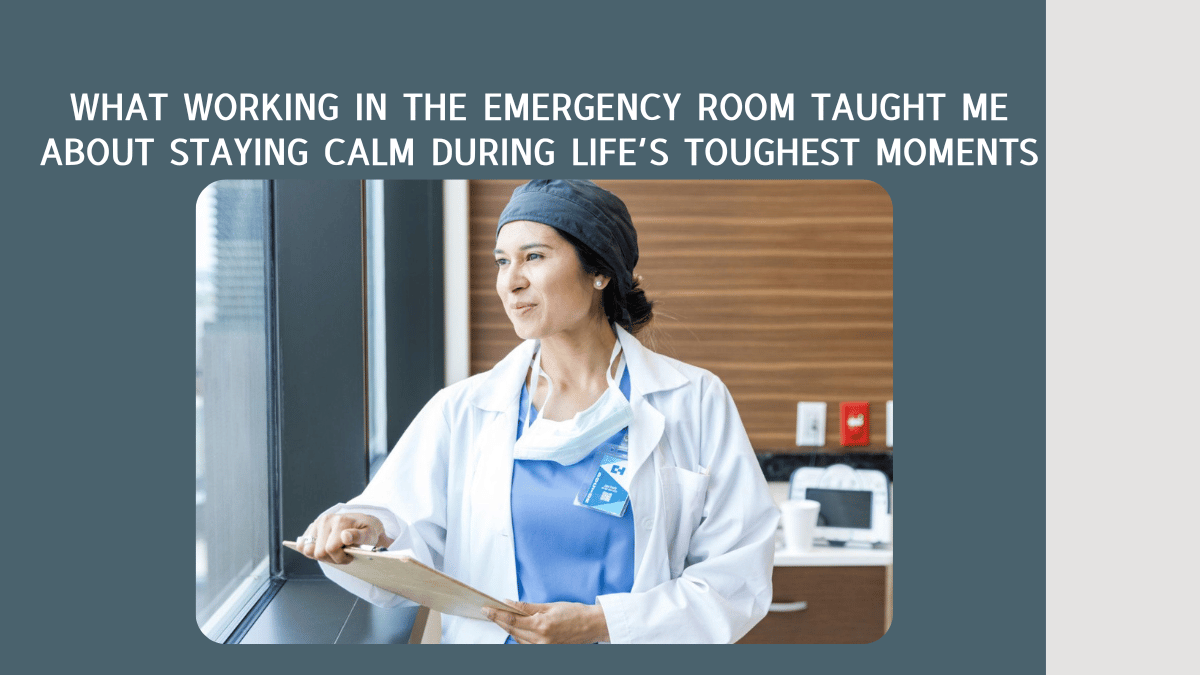
Life Inside the Emergency Room
Working in the emergency room teaches you something very quickly — life can change in a matter of seconds. Every day as an Emergency Medicine Specialist, I meet patients and families facing fear, uncertainty, pain, and emotional stress. While emergency medicine is about rapid diagnosis and critical care, it is also about staying calm under immense pressure. Over the years, I have realized that the lessons learned inside an emergency room are not limited to medicine alone they are valuable life lessons that can help anyone handle difficult moments with strength and clarity.
Staying Calm During High-Pressure Situations
One of the biggest lessons I learned in emergency medicine is that panic never helps. During medical emergencies, people naturally become anxious, emotional, and overwhelmed. However, calm thinking allows better decisions, faster action, and improved outcomes. As doctors, we are trained to focus on solutions even during highly stressful situations.
I often tell my patients and their families that staying calm does not mean ignoring emotions. It means learning how to respond thoughtfully instead of reacting out of fear. Whether it is a health emergency, work challenge, or personal crisis, a calm mindset can completely change how we handle problems.
The Importance of Mental Strength
Resilience During Difficult Times
In the emergency room, not every situation goes according to plan. Some cases are emotionally challenging, and some require immediate life-saving decisions. Experiences like these teach the value of mental strength, emotional resilience, and adaptability. Difficult moments become easier to navigate when we train ourselves to remain steady under pressure.
Learning to Prioritize What Truly Matters
Emergency medicine constantly reminds me that health, family, and meaningful relationships are far more important than daily stress or temporary problems. Watching patients recover from critical illness often changes the way families look at life. It also reinforces the importance of gratitude, empathy, and emotional support.
Communication Can Comfort People
One of the most powerful tools in healthcare is communication. During emergencies, patients and families are often frightened. A calm explanation, reassurance, or simple words of support can reduce fear significantly. In both medicine and everyday life, compassionate communication creates trust and emotional comfort.
Lessons Beyond Medicine
The emergency room is one of the few places where human emotions are completely real and unfiltered. It teaches patience, emotional balance, teamwork, and quick decision-making. Over time, I have understood that remaining calm is not about being fearless it is about staying focused even when situations become difficult.
These experiences have also shown me the importance of stress management, emotional wellness, and maintaining a healthy balance between work and personal life. Mental well-being is just as important as physical health.
Conclusion
As an Emergency Medicine Specialist, I believe the ability to stay calm during life’s toughest moments is one of the most valuable skills anyone can develop. Emergencies teach us resilience, compassion, patience, and the importance of emotional strength. No matter how difficult a situation may seem, staying calm allows us to think clearly, support others, and move forward with confidence. Sometimes, the greatest strength is simply learning how to remain steady during uncertainty.

Add a Comment