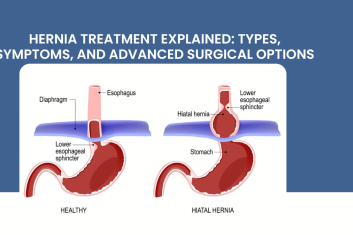
Hernia is a common medical condition that occurs when an internal organ pushes through a weak spot in the muscle or tissue wall. The most common types include inguinal hernia, umbilical hernia, and incisional hernia. Symptoms often include a visible bulge, discomfort, pain during movement, and a feeling of heaviness. Early diagnosis and timely hernia treatment are essential to prevent complications such as obstruction or strangulation. Today, advanced surgical techniques like laparoscopic hernia repair offer safe, effective, and long-lasting solutions.
In my practice, I frequently encounter patients who delay treatment due to fear of surgery. However, modern hernia surgery is far less invasive and significantly more comfortable than traditional methods. With laparoscopic repair, patients experience less pain, minimal scarring, and faster recovery, which makes early intervention highly beneficial.
Hernia treatment typically depends on the type and severity of the condition. While small, asymptomatic hernias may be monitored, most cases require surgical repair. Laparoscopic hernia surgery involves placing a mesh to strengthen the weakened area, reducing the risk of recurrence. This method is widely considered the best hernia treatment due to its effectiveness and quicker recovery time.
Advanced surgical options ensure better outcomes with reduced complications. Patients can usually return home within a day and resume normal activities within a short period. Choosing an experienced surgeon plays a crucial role in ensuring safe and successful hernia repair.



Add a Comment