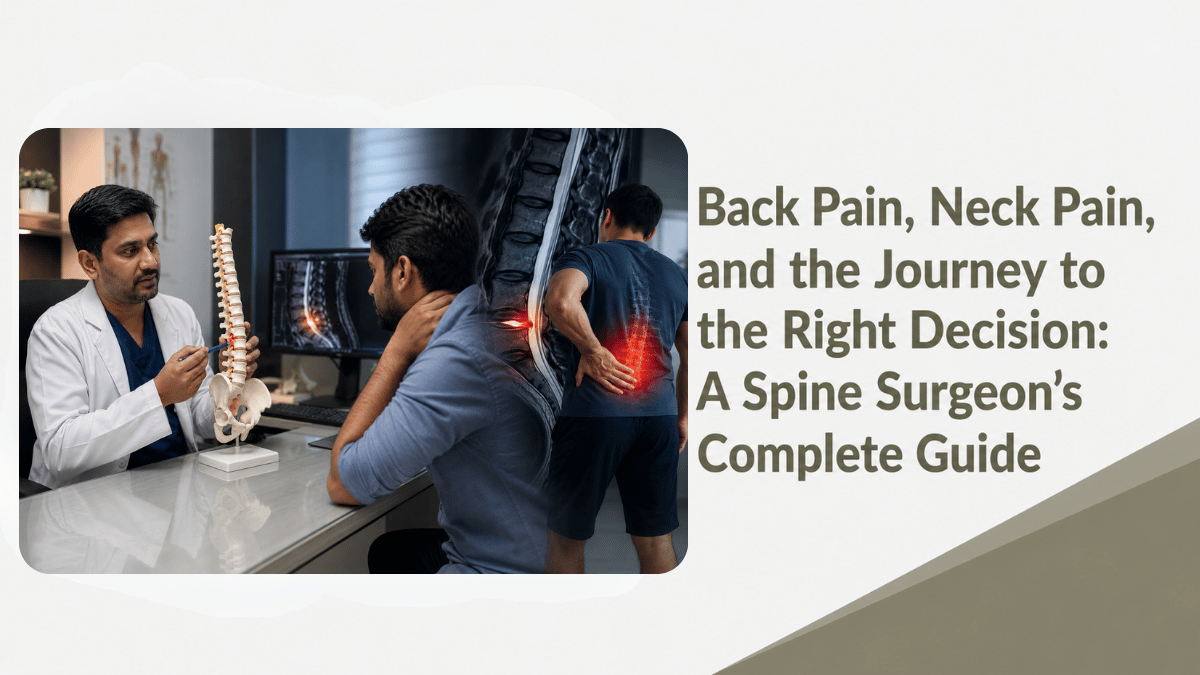
I want to start this guide with something that might surprise you coming from a spine surgeon. Most people who come to see me with back or neck pain do not need surgery. Not now, and in many cases, not ever. I say this not to manage expectations downward, but because it is simply true, and because I think patients deserve to hear it clearly before any conversation about their spine goes further. My name is Dr. Nirdesh H J, and I am a Consultant Orthopedic Spine Surgeon at SPARSH Hospital, Hennur, Bengaluru. I have spent years training in India, South Korea, Germany, and Mumbai specifically to become someone who can operate on the most complex spine problems in the world. That training gives me an unusual perspective: the better a surgeon understands what surgery can and cannot do, the more committed they become to exhausting every other option first. This guide is written for anyone who is currently living with back pain or neck pain in Bengaluru and trying to understand what is happening, what their options are, and when, if ever, surgery belongs in that picture. I will take you through the whole journey, from the first symptom to the decision that is actually right for you.
Understanding Your Spine - What Is Actually Happening
The spine is not simply a column of bones. It is a carefully engineered structure, 33 vertebrae, separated by shock-absorbing discs, held together by ligaments and muscles, and carrying the spinal cord and nerve roots that control almost everything your body does. When that structure works well, you rarely think about it. When something goes wrong, the resulting pain, weakness, numbness, or stiffness can be all-consuming. The key thing to understand is that pain is a signal, not a diagnosis. Back pain tells you that something in or around the spine is unhappy, but it does not tell you what, or how serious, or whether it needs treatment at all. Many patients arrive in my clinic having already diagnosed themselves based on a scan, convinced they have a 'bad disc' or 'bone on bone' or a spine that is 'falling apart.' The scan rarely tells the full story. I have seen patients with significant findings on MRI who are completely functional and pain-free, and patients with minimal imaging changes who are barely able to get out of bed. The patient in front of me always matters more than the image.
The Most Common Causes of Back and Neck Pain - and What They Actually Mean
The majority of back and neck pain I see in clinic falls into a handful of categories.
Degenerative Disc Disease and Spondylosis
As we age, the discs between vertebrae gradually lose water content and height, and the joints of the spine undergo wear and tear. This is a completely normal biological process that happens in every human spine, and it begins earlier than most people realise, often from the mid-thirties onwards. When these changes become symptomatic, they produce back pain, neck pain, stiffness, or referred pain into the arms or legs. The important word here is 'when', as these changes are almost universal on imaging after the age of 40, but they do not always cause symptoms, and when they do, they are almost always manageable without surgery.
Disc Herniation (the 'Slipped Disc')
When the soft inner material of a disc pushes through a tear in its outer casing and presses on a nearby nerve root, it produces the characteristic pattern of pain that runs down the arm or leg, sciatica in the lumbar spine, radiculopathy in the cervical spine. This is one of the most common spine problems I see, and one of the most misunderstood as well. Patients almost always assume it means surgery. In the majority of cases, it does not. The natural history of disc herniation is genuinely encouraging: the herniated material tends to reduce in size over time, nerve inflammation settles, and the great majority of patients improve significantly with appropriate conservative care within six to twelve weeks.
Spinal Stenosis
Stenosis means narrowing, of the spinal canal itself or of the openings through which nerve roots exit. It tends to present in older patients, often with a characteristic pattern of leg pain, numbness or weakness that comes on with walking and is relieved by sitting or bending forward. Like disc disease, stenosis exists on a spectrum of severity, and many patients are managed very effectively without surgery.
Muscle and Ligament Strain
The most common cause of acute back pain is not a disc or a nerve at all, it is strain of the muscles and ligaments supporting the spine. This tends to improve on its own within a few weeks with simple measures and reassurance.
Deformity - Scoliosis, Kyphosis, and Adjacent Segment Changes
Structural changes in the shape of the spine can produce pain, reduced function, and in some cases neurological symptoms. These require specific evaluation and a carefully staged approach to treatment.
Warning Signs That Mean You Should See a Spine Specialist Promptly
Most back and neck pain can be safely managed initially without specialist evaluation. However, certain features are what we call red flags, warning signs that suggest a more serious underlying problem that needs prompt assessment. I want every patient reading this to know what these are. You should see a specialist urgently if your back or neck pain is accompanied by:
- Weakness, numbness, or tingling in the arms or legs, particularly if it is new, progressive, or affecting both sides
- Loss of bladder or bowel control, this is a surgical emergency until proven otherwise
- Pain that is severe, constant, and worse lying down or at night rather than with activity
- Pain following a significant trauma such as a fall from height or a road traffic accident
- Unexplained significant weight loss alongside spine pain
- A history of cancer with new onset of spine pain
- Fever alongside back pain
In the absence of these red flags, back and neck pain, even when severe, rarely requires emergency evaluation, and the most important first step is getting an accurate diagnosis.
Conservative Treatment First - What This Actually Means
This is the part of the conversation I find most patients have never had properly. 'Conservative treatment' is not simply a waiting room before surgery. For the majority of spine conditions, it is the primary and most effective treatment pathway. Done correctly and with appropriate guidance, spine treatment without surgery produces excellent long-term outcomes for the great majority of patients.
Physiotherapy and Structured Exercise
The spine is stabilised by muscle, and when those muscles are not working properly, the spine becomes more vulnerable to pain and injury. A structured, progressive physiotherapy programme builds the deep stabilising muscles of the trunk, corrects movement patterns, improves posture, and reduces load on the disc and joints. This is not the same as a few basic exercises. Effective physiotherapy for spine conditions requires a skilled therapist who understands spine mechanics, who monitors progress, and who adjusts the programme as the patient improves.
Medication
Anti-inflammatory medications, muscle relaxants, nerve pain agents, and other medications can provide meaningful short-term relief from acute spine pain, allowing the patient to engage with rehabilitation. I am always cautious about long-term reliance on medication alone, as it treats the symptom rather than the underlying problem and carries its own risks over time. But used strategically alongside physiotherapy, medication plays an important supporting role.
Interventional Procedures - Injections and Nerve Blocks
For patients who are not responding adequately to physiotherapy and medication, spine injections in Bengaluru, including epidural steroid injections, nerve root blocks, and facet joint injections, can provide targeted, sustained relief that allows the rehabilitation programme to continue. These are minimally invasive, performed under imaging guidance, and have a well-established role in the management of specific spine conditions. I use these as a bridge to recovery, not a substitute for it.
Bracing and Postural Support
For specific conditions including certain fractures, significant deformity, and post-operative rehabilitation, appropriately fitted bracing supports the spine through a phase of healing or correction. Like medication, this is a tool with a specific purpose and a defined duration of use.
How Long Should Conservative Treatment Be Tried - and What Does Failure Look Like?
This is one of the most important questions in spine care, and one that is frequently mismanaged in both directions. Some patients are pushed toward surgery too quickly, before conservative treatment has had a fair chance. Others persist with conservative management for years when surgery would have returned them to function much sooner.
The general principle is that for most degenerative spine conditions producing pain and nerve symptoms, a structured course of conservative treatment of six to twelve weeks is the appropriate starting point, provided red flag symptoms are absent. During that period, I want to see objective evidence of progress: not just that the pain has changed, but that the patient is regaining function, that they can do things they couldn't do before, and that the trajectory is positive. Conservative treatment has been fairly tried and is not succeeding when:
- Symptoms are not improving after a structured programme of at least six weeks, despite full engagement with the recommended treatment
- Neurological symptoms, weakness, loss of sensation, are progressive despite treatment
- The patient's quality of life remains significantly impaired and is not improving
- Imaging findings correlate with a structural problem that is unlikely to resolve without intervention
When one or more of these applies, the conversation shifts, and it shifts toward evaluating whether a procedure, and if so which one, is the right next step.
When Surgery Becomes the Right Decision
I want to be very clear about something: I do not view surgery as a last resort in the sense of a desperate measure taken when nothing else has worked. I view it as a precisely indicated intervention that, in the right patient at the right time, produces dramatically better outcomes than continued conservative management. The decision to operate is not a failure of conservative care. It is a carefully considered clinical conclusion. Surgery is appropriate when:
- Red flag symptoms, particularly significant progressive neurological weakness or loss of bowel or bladder control, are present. These are not situations where six weeks of physiotherapy is the first step.
- Conservative treatment has been appropriately and fully pursued and has not produced sufficient improvement in a patient whose quality of life is significantly affected
- Structural pathology is clearly identified that is amenable to surgical correction and that explains the patient's symptoms
- The natural history of the condition without surgery is worse than the risks and recovery associated with the procedure
The goal of surgery is decompression, stabilisation, correction, creating the structural conditions in which the nerve, the spine, or the patient's function can recover. Surgery does not cure a spine. It addresses a specific structural problem. What happens after surgery, the rehabilitation, the lifestyle adjustment, the long-term spine health habits, matters just as much as the procedure itself.
What Modern Spine Surgery Actually Involves
For patients who reach the point where surgery is appropriate, the landscape of available techniques has changed enormously over the past decade. I want to describe what modern spine care actually looks like, because the image many patients carry, of a long incision, weeks in hospital, and months of recovery, often does not match the reality.
Minimally Invasive Spine Surgery
Minimally invasive spine surgery in Bengaluru uses specialised instruments and imaging guidance to access the spine through incisions that are a fraction of the length used in traditional open surgery. Muscles are dilated rather than cut, blood loss is minimal, hospital stays are measured in one to two days rather than weeks, and most patients are mobile the day after surgery. I trained specifically in minimally invasive techniques at Bombay Hospital under Dr. Arvind Kulkarni, and this approach is now my default for the great majority of cases where it is anatomically appropriate.
Endoscopic Spine Surgery
Endoscopic techniques take minimally invasive surgery a step further, using a thin telescope with a camera to access the disc or spinal canal through incisions sometimes smaller than a centimetre. I completed specific training in bi-portal endoscopy at Kyung Hee University in Seoul under Prof. Yong Chan Kim, and for appropriately selected cases, particularly disc herniations and certain stenosis presentations, endoscopic surgery offers outstanding results with the fastest possible recovery.
Navigation-Assisted and Robotic Spine Surgery
Navigation and robotics are about precision. Using real-time imaging guidance and robotic placement systems, screws, implants, and instruments can be positioned to submillimetre accuracy. This is particularly important in complex deformity correction, multilevel fusion, and revision surgeries where anatomical landmarks are distorted. I have published on robotic spine surgery and use these technologies routinely for cases where accuracy is critical to the outcome.
Complex Deformity Correction
Scoliosis, kyphosis, and complex cervical deformities require a different order of surgical thinking, not just addressing a single problem but understanding the whole three-dimensional architecture of the spine and correcting it in a way that is durable and protective of the neurological structures throughout. This is the area of my most complex surgical work, and it is where training at an international level, including my fellowship in Germany focusing on complex deformity, makes a meaningful difference to what is achievable.
Questions Every Patient Should Ask Before Agreeing to Surgery
If you reach the point where surgery is being recommended, these are the questions I encourage every patient to ask their surgeon, including me.
- What specifically is the surgical goal, what structural problem are we fixing, and why will fixing it address my symptoms?
- What is the natural history of my condition if I do not have surgery in the next three to six months?
- What are the realistic chances that this surgery achieves significant improvement, and what does 'improvement' mean in numbers?
- What are the risks specific to this procedure in my case?
- What is the recovery timeline, and what will I be able to do at two weeks, six weeks, three months?
- Is there a less invasive technique available for this procedure, and am I a candidate for it?
- What happens if the surgery does not achieve the expected result?
A surgeon who is uncomfortable with these questions is not a surgeon you should be operating with. The right surgical decision is one both of you have reached together, with full information.
Recovery, Rehabilitation, and Protecting Your Spine for the Long Term
Recovery from spine treatment, whether conservative or surgical, is not passive. The patients who do best are the ones who are engaged participants in their own rehabilitation: who do the exercises, who attend the physiotherapy, who make the lifestyle adjustments that take load off a recovering spine. Post-operatively, most of my patients are walking the day of or the day after surgery, home within a day or two, and returning to desk work within two to three weeks for minimally invasive cases. Return to physical labour and sport typically follows over six to twelve weeks depending on the procedure. Long-term spine health depends on factors that surgery cannot provide. Regular core strengthening exercise, maintaining a healthy body weight, avoiding prolonged static postures, and attending periodic spine check-ups if you have a known condition all contribute to a spine that remains functional and pain-free for decades.
A Final Thought
Every patient who comes to my clinic is at a different point in their journey. Some arrive at their first episode of back pain, frightened and unsure where to begin. Others have been managing pain for years and are wondering whether something more can be done. Others have already been recommended surgery elsewhere and want a second opinion before they commit.
Wherever you are in that journey, my approach is the same: understand your spine, understand your options, and make the decision that is genuinely right for you, not the most conservative decision or the most aggressive one, but the right one. Sometimes that means reassurance and a structured exercise programme. Sometimes it means a carefully selected injection. And sometimes, when the time is right and the indication is clear, it means spine surgery at SPARSH Hospital, Hennur using the most precise, least invasive technique available.
The spine is remarkably capable of recovery. Most patients, given the right diagnosis and the right treatment at the right time, do better than they feared. That is the experience I want every patient who walks through my door to have.
To book a consultation with Dr. Nirdesh H J at SPARSH Hospital, Hennur, Bengaluru, call +91 6363626242.
Written by Dr. Nirdesh H J, MBBS (Bangalore Medical College and Research Institute), MS Orthopaedics (Ramaiah Medical College), DNB Orthopaedics (National Board of Education), FNB Spine Surgery (Indian Spinal Injuries Centre, New Delhi), AO Spine Asia Pacific Fellowship (Bombay Hospital, Mumbai, under Dr. Arvind Kulkarni), AO Spine International Fellowship (Kyung Hee University, Seoul, South Korea, under Prof. Yong Chan Kim), Fellowship in Minimally Invasive Spine Surgery (Germany), Consultant Orthopedic Spine Surgeon, SPARSH Hospital, HBR Layout, Hennur Road, Bengaluru 560043.
Related reading
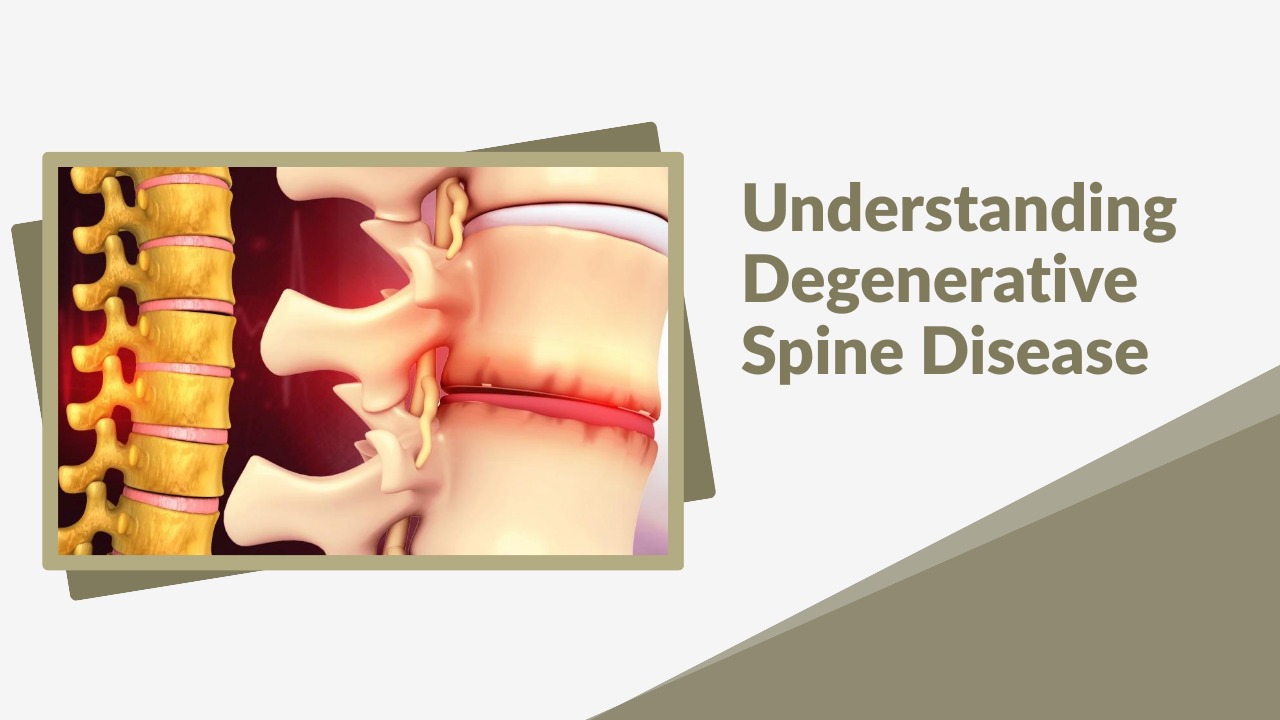
Understanding Degenerative Spine Disease
Minimally Invasive Spine Surgery: A Doctor’s Insight Into Faster, Safer Recovery
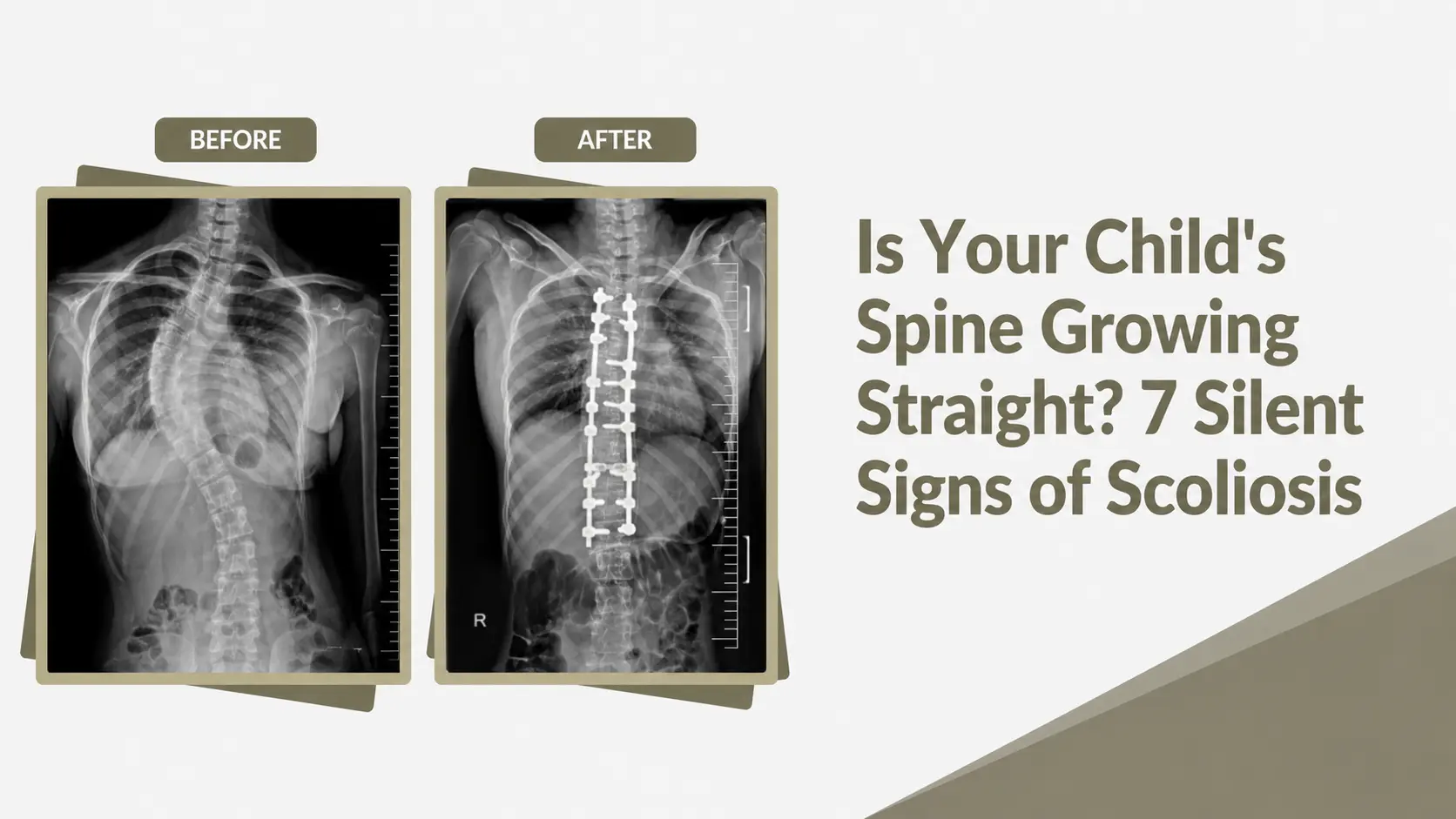
Understanding Spinal Deformity: A Surgeon’s Perspective on Diagnosis, Treatment and Hope
Comments
Narasimha
Posted on: August 02,2026 Published
Excellent suggestion and treatment.He is one of the god gift to our society.He is available 24*7 .His advice rehabilitation and treatment to the Emergency patient is marvellous.More over His studies from satya sai group helping him to give services to the needy is remarkable .thanks to his parents and family to provided him to the Society.His honesty will help him to grow at the sky level.All the Best
Mahesh Kumar
Posted on: August 16,2026 Published
Dr. Nirdesh, Consultant Orthopedic Spine Surgeon at SPARSH, is one of the finest doctors we have consulted. He treated my father, and we were very impressed with his thorough and patient approach. He took the time to understand his condition in depth, carefully reviewed and analyzed the reports, and explained everything to us in a clear and detailed manner. What we appreciated most was the way he explained the next steps and course of action step-by-step, which gave our family a clear understanding and confidence about how to proceed. His professionalism, patience, clarity, and attention to detail are truly commendable. We sincerely appreciate the care and guidance he provided to my father and would highly recommend Dr. Nirdesh for orthopedic and spine-related consultations.
Ramesh CP
Posted on: August 16,2026 Published
Excellent doctor
Ramesh CP
Posted on: August 16,2026 Published
Excellent doctor
Ashwatha Gowda
Posted on: August 16,2026 Published
Such a nice article covering multiple aspects of spine and its issues. Thanks to Dr. Nirdesh for sharing such insights to everyone.
Shashank
Posted on: August 17,2026 Published
A very structured and detailed approach on how any spine problem should be approached , great article for patients and their relatives for understanding spine and neurological ailments.
Umaa Arun
Posted on: August 17,2026 Published
Thank you for sharing this extremely informative and useful article, Doc. The way you’ve simplified complex ideas, addressed unhelpful beliefs, and explained the science, technology, and human intervention behind it brings so much clarity. It’s evidence-based yet easy to understand, and it truly serves as a ready reckoner for anyone dealing with back pain. We’re deeply grateful for both your expertise and for taking the time to educate beyond just treatment. 🙂🙏
Add a Comment