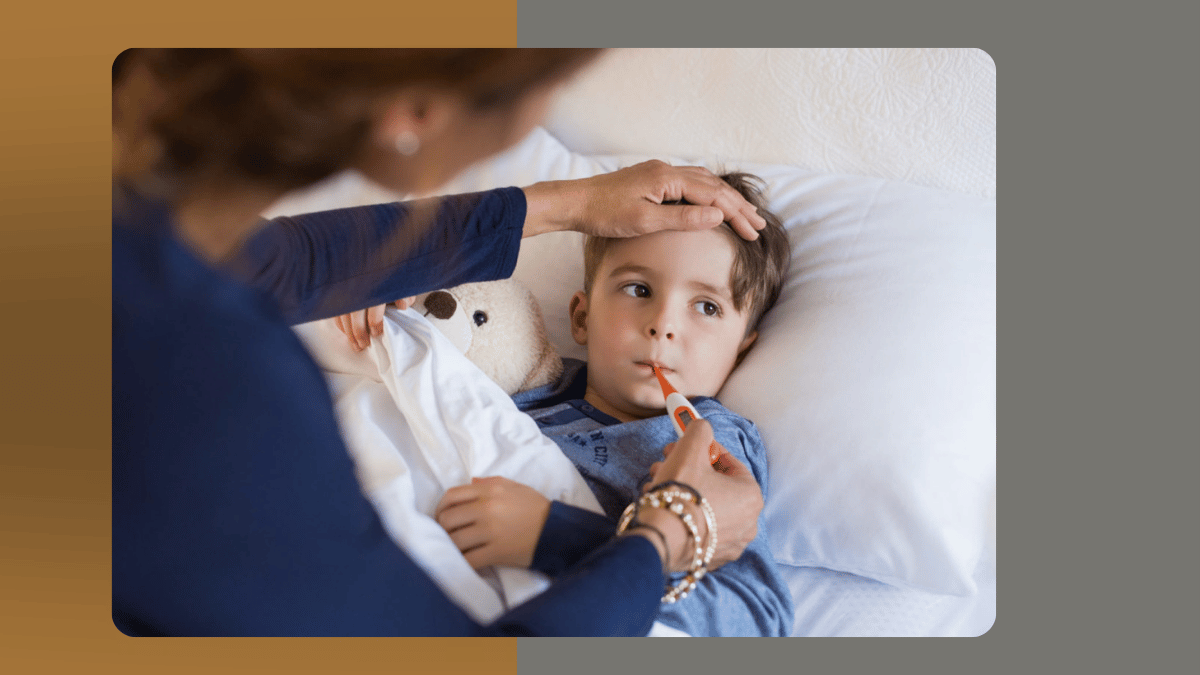
Fever is the most common reason parents bring a child to Prime Neuro And Child Clinic, Sector 116, Noida, and it is also the clinical presentation where the difference between a thoughtful, evidence-based approach and a reflexive antibiotic prescription matters most. Every parent wants their child's fever treated. What they actually want, and what they often do not articulate directly, is for their child to be well: for the infection to be correctly identified, for the right treatment to be given, and for them to understand what to watch for and when to return. My MD Pediatrics training at Lady Hardinge Medical College, Delhi, one of India's premier postgraduate medical institutions, built the clinical foundation from which I evaluate every febrile child. The fever number is not the diagnosis. The child's behaviour, their hydration status, how they look between the peaks of the fever, their feeding pattern, any associated symptoms, and the clinical examination of each organ system are what together provide the diagnosis. A child who is alert, playing, drinking well, and looking bright between fever peaks is providing the most important clinical information available, and it points toward a viral illness that will resolve without antibiotic treatment. A child who is progressively more lethargic, not drinking, looking unwell even when the fever has come down temporarily, or developing localising signs, is telling me something very different. The clinical skill in paediatric infectious disease is not knowing that children get infections. It is reading the trajectory: which direction is this child heading, and how fast?.
The Noida Infectious Disease Calendar: What Parents in Sector 116 Need to Know
The infectious disease pattern in Noida and across western Uttar Pradesh follows a seasonal rhythm that every parent in this area should understand, because recognising it early allows the right evaluation to happen at the right time rather than waiting until a complication develops. Dengue fever, transmitted by the Aedes aegypti mosquito, circulates most actively during and after the monsoon season from July through October, when stagnant water in and around residential areas provides breeding grounds. The characteristic dengue pattern is a high fever often reaching 39 to 40 degrees Celsius, severe muscle and joint pain, a characteristic rash appearing around day three to five, and in a proportion of cases, the haematological changes including falling platelet count and rising haematocrit that mark the potentially serious dengue haemorrhagic presentation. In Noida during dengue season, a child with high fever beyond day three receives specific dengue evaluation. Typhoid fever, caused by Salmonella typhi transmitted through contaminated water or food, presents with a sustained fever that characteristically rises in a stepwise pattern, is often accompanied by abdominal discomfort, and may produce a relative bradycardia disproportionate to the fever height. Typhoid in the Noida population, where water supply varies in quality across sectors, remains a diagnostic consideration throughout the year. The winter months from November through February bring a surge of respiratory viral infections: RSV in infants, influenza in all age groups, and the range of rhinovirus, adenovirus, and parainfluenza infections that produce the recurrent fever, cough, and congestion cycles that some families experience as a relentless monthly illness throughout the winter school term.
Antibiotic Stewardship in Practice: What It Means for Your Child
When I do not prescribe an antibiotic for a febrile child, that is a clinical decision with a specific rationale, and I explain it. Viral illnesses, which account for the great majority of febrile episodes in otherwise healthy children, are not shortened or improved by antibiotics. The antibiotic has no mechanism of action against a virus. What it does have is a real effect on the child's gut microbiome, disrupting the diverse bacterial communities whose composition is established in early childhood and whose influence on immune function, metabolic health, and future infection susceptibility extends across the child's life. Repeated antibiotic courses in early childhood alter the microbiome in ways that accumulate over time. Antibiotic resistance, the capacity of bacteria to survive antibiotic treatment that arises through selection pressure when antibiotics are used, is a public health consequence that is produced by every unnecessary antibiotic prescription. When antibiotics are clinically indicated, I prescribe them specifically and with a clear rationale: confirmed bacterial tonsillitis with streptococcal features, lobar pneumonia on clinical examination or chest X-ray, a positive urine culture with urinary symptoms, a clinical presentation consistent with bacterial ear infection. For these indications, the antibiotic changes the clinical course and is unambiguously appropriate. For viral upper respiratory infections, including the fever, runny nose, and mild cough that are the most common paediatric presentations in Noida's winter months, supportive care, adequate hydration, appropriate paracetamol for comfort, and clear guidance on the warning signs that require return to clinic are the right treatment, and that is what the child at Prime Neuro And Child Clinic, Sector 116, Noida, receives.
To book a paediatric consultation with Dr. Neha Garg at Prime Neuro And Child Clinic, SK 238, Sector 116, Noida, Uttar Pradesh 201316 (Monday to Saturday, 11:00 AM to 2:00 PM and 6:00 PM to 8:00 PM), call +91 9560254990.
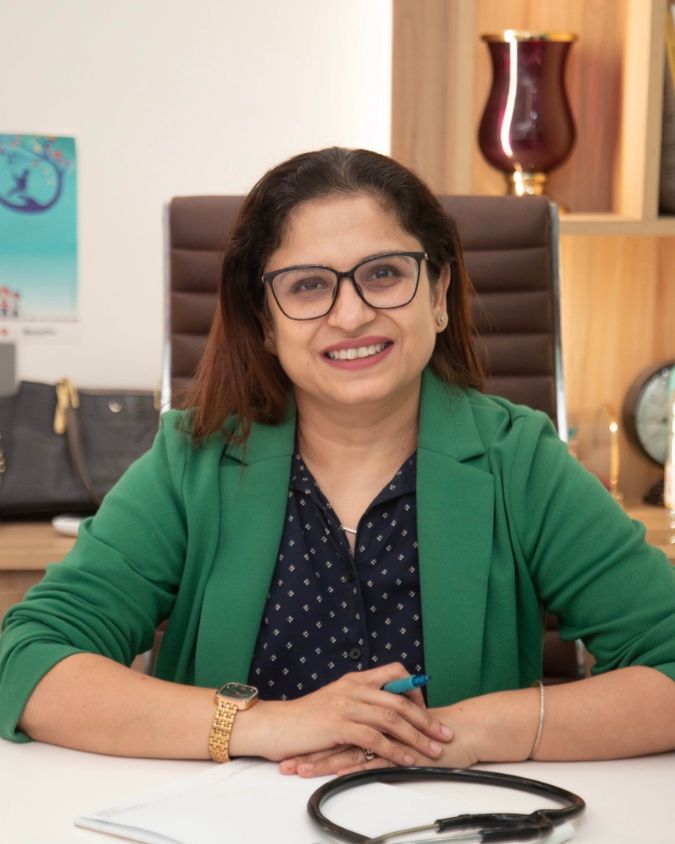
Written by Dr. Neha Garg, MBBS (Maulana Azad Medical College, Delhi, 2006), DCH (RML Hospital PGIMER, Delhi, 2009), MD Pediatrics (Lady Hardinge Medical College, Delhi, 2013), Consultant Pediatrician, Prime Neuro And Child Clinic, SK 238, Sector 116, Noida, Uttar Pradesh 201316. Monday to Saturday, 11:00 AM to 2:00 PM and 6:00 PM to 8:00 PM. Phone: +91 9560254990.
Related reading
Meet Dr. Neha Garg: Comprehensive Paediatric Care at Prime Neuro And Child Clinic, Noida
Add a Comment