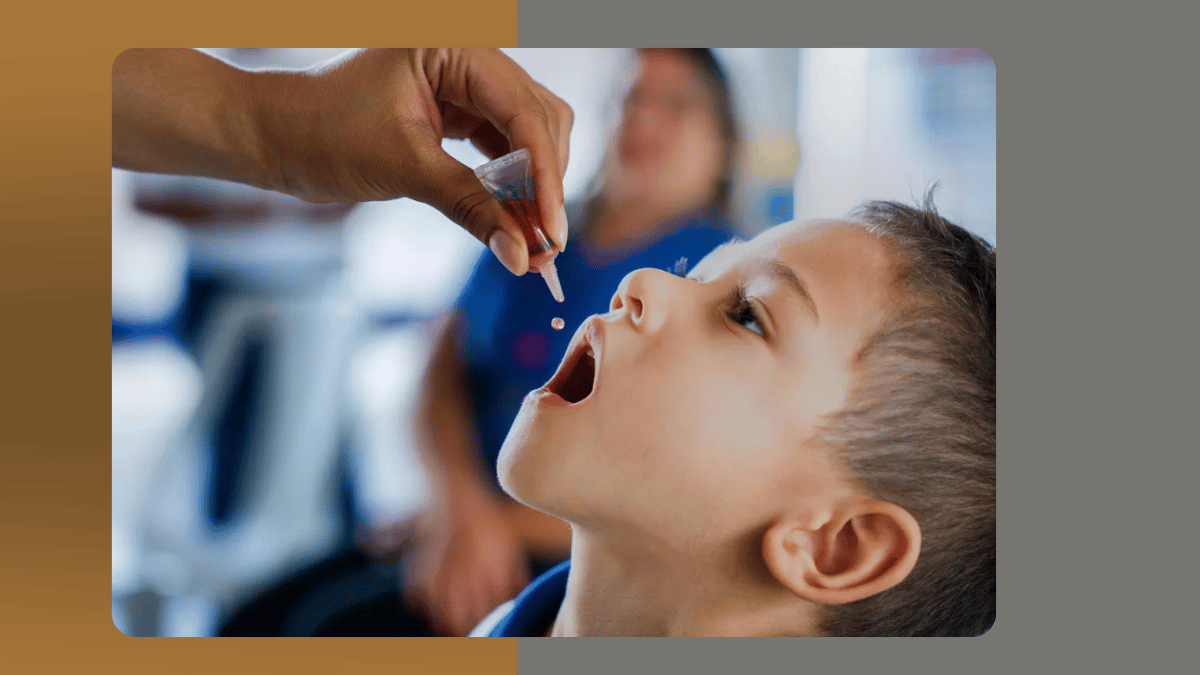
The Indian Academy of Pediatrics recommended immunisation schedule is one of the most valuable documents in paediatric preventive care: it synthesises the evidence on vaccine efficacy, safety, timing, and combination to produce a clear, evidence-based sequence that protects children against the most preventable serious childhood diseases. But it is written for the standard case, the healthy, term infant presenting on schedule, and a significant proportion of children in any paediatric practice do not fit this default. A premature infant has a different immune maturation profile and a different risk exposure than a term infant. A child with asthma or congenital heart disease has a higher risk of serious outcomes from influenza and pneumococcal disease than a healthy peer. A child on immunosuppressive therapy for a rheumatological or inflammatory condition has a compromised ability to respond to some live vaccines and a particularly pressing need for the inactivated vaccines that protect them from infections their immune system cannot fight effectively. A child who has missed three months of vaccines because of a family move, an illness, or the disruption of the pandemic years has a gap in their immunological protection that needs to be closed systematically. At Prime Neuro And Child Clinic, Sector 116, Noida, personalised immunisation planning means sitting down with the child's full vaccination record and clinical background and building a schedule that fits who that specific child is, not applying the default schedule and hoping it is close enough.
High-Risk Children and the Vaccines That Matter Most for Them
The children who most need vaccines are often the children whose vaccination is most complicated to plan. Premature infants should receive all recommended vaccines at the same chronological age as term infants, not corrected age, because their exposure risk begins at birth. But the immune response to some vaccines may be attenuated in very premature infants in the first months of life, and the timing of RSV prophylaxis with nirsevimab or palivizumab during the winter season is an additional preventive decision specific to preterm infants. Children with asthma and other chronic respiratory conditions are specifically recommended to receive the annual influenza vaccine and pneumococcal vaccination, because respiratory infections that are manageable in a healthy child can produce severe, prolonged illness or hospitalisation in a child with already-compromised airway function. Children on methotrexate, biologics, or high-dose steroids for juvenile idiopathic arthritis, nephrotic syndrome, or inflammatory bowel disease require specific modification of the vaccination schedule, because live vaccines, including MMR, varicella, and rotavirus, carry a risk of vaccine-strain infection in an immunocompromised host that is not present in an immunocompetent child. The inactivated vaccines, pneumococcal, influenza, hepatitis A and B, and meningococcal, are particularly important to ensure are complete and up to date before immunosuppressive therapy begins, because the immune response to vaccination while on therapy may be attenuated. My MD Pediatrics training at Lady Hardinge Medical College covered these high-risk vaccination scenarios at a depth of clinical detail that general practice does not always encompass, and at Prime Neuro And Child Clinic, Noida, I apply this clinical framework to every child who requires a non-standard approach.
Vaccine Hesitancy Counselling and the Adolescent Vaccines Most Often Missed
Vaccine hesitancy, the reluctance or refusal to vaccinate despite the availability of vaccines, is one of the most important challenges in paediatric preventive medicine in Noida and across India, and it requires a specific and patient clinical response. Dismissing parental concerns about vaccine safety is not only unkind, it is counterproductive: the parent who feels dismissed becomes more entrenched in their hesitancy rather than less. The approach that works is to take each concern seriously, address it with the evidence that is specifically relevant to that concern, and give the parent time to ask follow-up questions. The most common vaccine concerns I encounter in Noida include worry about too many vaccines at once overwhelming the immune system, concern about specific ingredients in vaccines, the belief that natural infection provides better immunity than vaccination, and uncertainty about whether vaccines are necessary if the child seems healthy. Each of these has a specific, evidence-based answer that I am prepared to give in full. Adolescent vaccination is the category most consistently incomplete in the children I see at Prime Neuro And Child Clinic: the human papillomavirus vaccine, which prevents the majority of cervical cancers and genital warts and is most effective when given before the onset of sexual activity at 9 to 14 years, is recommended in the IAP schedule but frequently not discussed or offered at the right age window; the meningococcal vaccine for adolescents entering college or hostels; the tdap booster that updates protection against whooping cough; and the annual influenza vaccine for adolescents with asthma or other chronic conditions. At Prime Neuro And Child Clinic, Sector 116, Noida, the adolescent health visit is the opportunity I use to review which of these vaccines remain outstanding and to offer them with the explanation that makes acceptance more likely than refusal.
To book a paediatric consultation with Dr. Neha Garg at Prime Neuro And Child Clinic, SK 238, Sector 116, Noida, Uttar Pradesh 201316 (Monday to Saturday, 11:00 AM to 2:00 PM and 6:00 PM to 8:00 PM), call +91 9560254990.
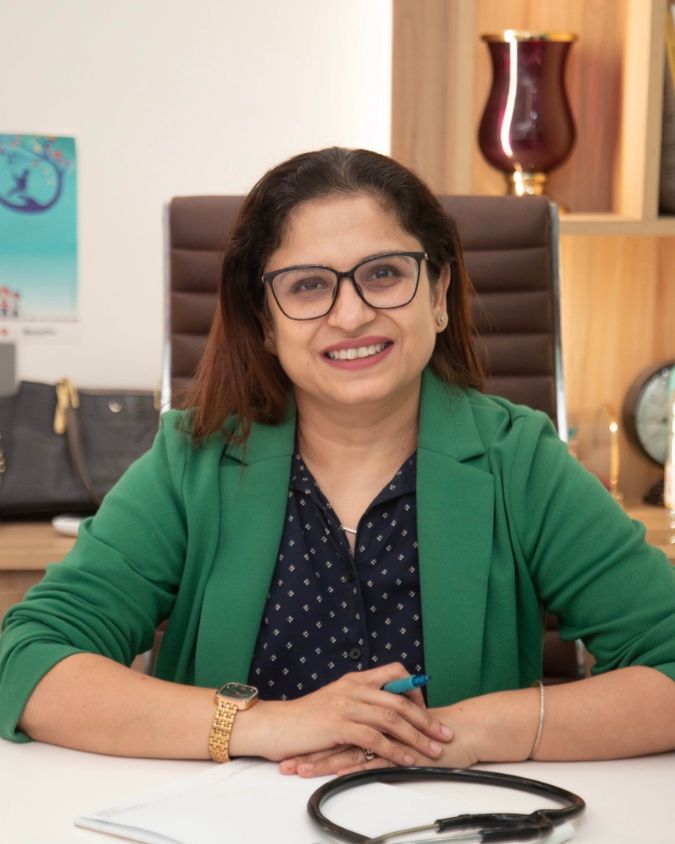
Written by Dr. Neha Garg, MBBS (Maulana Azad Medical College, Delhi, 2006), DCH (RML Hospital PGIMER, Delhi, 2009), MD Pediatrics (Lady Hardinge Medical College, Delhi, 2013), Consultant Pediatrician, Prime Neuro And Child Clinic, SK 238, Sector 116, Noida, Uttar Pradesh 201316. Monday to Saturday, 11:00 AM to 2:00 PM and 6:00 PM to 8:00 PM. Phone: +91 9560254990.
Related reading
Meet Dr. Neha Garg: Comprehensive Paediatric Care at Prime Neuro And Child Clinic, Noida
Add a Comment