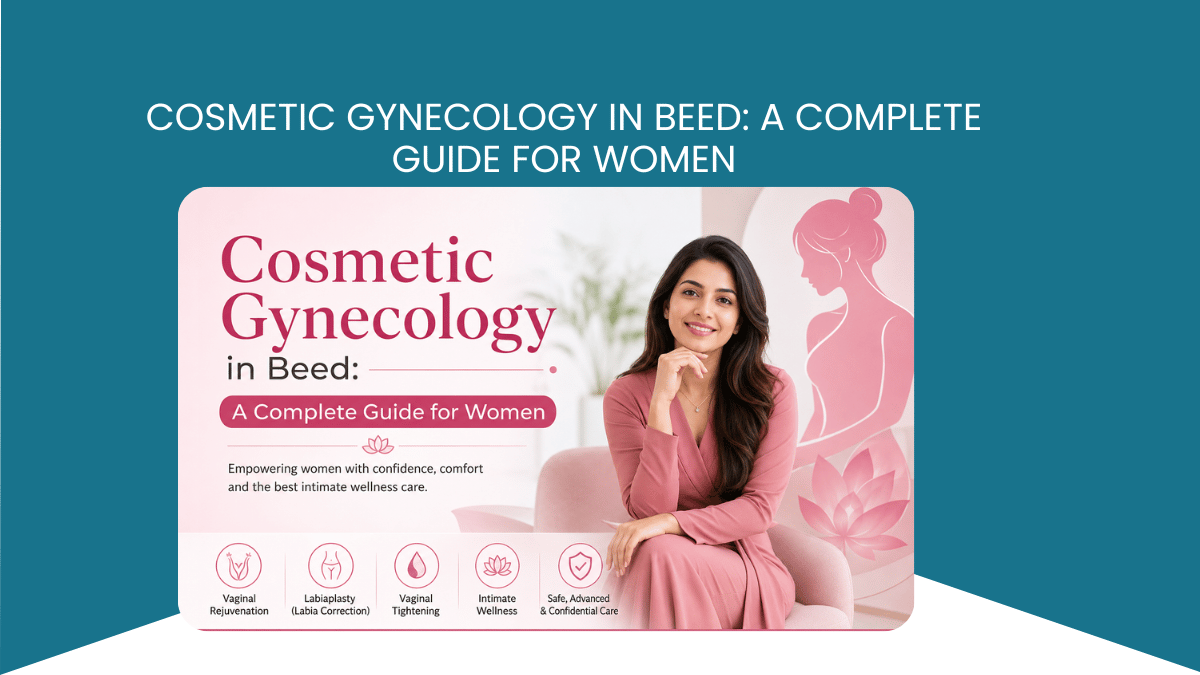
Cosmetic gynecology Beed patients seek at Shri Kripalu Hospital is a clinical specialty that addresses functional and aesthetic concerns related to women's intimate health, conditions that affect comfort, confidence, and quality of daily life, and that many women silently manage for years without knowing that effective, safe treatment options exist. I have treated over 5,000 patients across ten years of practice in cosmetic and regenerative gynecology. This guide is written for every woman in Beed and the Marathwada region who has questions about these treatments but has not yet had the conversation.
What is cosmetic gynecology and who is it for?
Cosmetic gynecology encompasses a range of surgical and non-surgical procedures that address structural, functional, and aesthetic concerns of the female genital anatomy and pelvic floor. In practice, the large majority of women who consult me come with functional concerns: discomfort during physical activity, urinary leakage, changes after childbirth, dryness and discomfort during intimacy, or chronic irritation that affects everyday life.
The women I see in my practice in Beed come from across the Marathwada region, from Ambejogai, Parli, Georai, and rural villages where access to specialist women's health care has historically been limited. Many have been living with symptoms for years, assuming that what they experience is normal or untreatable. Part of my role is to change that assumption.
Cosmetic gynecology is appropriate for women who experience any of the following:
- Vaginal laxity or reduced sensation following childbirth or with ageing
- Urinary leakage when coughing, sneezing, laughing, or exercising
- Labial discomfort, irritation, or asymmetry that causes physical or psychological distress
- Vaginal dryness, burning, or discomfort during intimacy, particularly common after menopause
- Post-childbirth changes that have not resolved despite time and physiotherapy
- Recurrent vaginal infections related to altered vaginal pH or moisture balance
- Concerns about the appearance of the external genitalia affecting confidence or quality of life
There is no single profile of a patient who seeks cosmetic gynecology. Women in their twenties after a difficult delivery, women in their forties managing stress incontinence, and women post-menopause experiencing genitourinary syndrome come to me with different presentations but a shared experience: a condition affecting their life that they have been too embarrassed or uninformed to seek help for until now.
What procedures are available in cosmetic gynecology?
The procedures in cosmetic gynecology fall into three broad categories: laser-based non-surgical treatments, regenerative therapies using PRP and biologics, and surgical procedures. In my practice I use all three, often in combination, because the best outcomes in intimate health come from addressing the problem through more than one mechanism simultaneously.
Laser-based treatments
Laser therapy for vaginal and intimate conditions uses controlled thermal energy to stimulate collagen remodelling and tissue regeneration. IntimaLase VSculpt for vaginal rejuvenation Beed women choose restores tone, elasticity, and mucosal hydration in the vaginal canal through collagen stimulation. It is performed without anaesthesia, takes approximately twenty minutes, and requires no downtime. Most patients notice a meaningful difference within four to six weeks of the first session.
LaseContiCare for stress urinary incontinence applies laser energy to the anterior vaginal wall, stimulating collagen contraction and support tissue regeneration, improving bladder control without surgery. For women with mild to moderate stress incontinence who prefer a non-surgical approach, this is a clinically significant option.
InfectiLase VFix for chronic vaginal infections restores the vaginal epithelium's normal architecture and pH balance, reducing the recurrence of chronic bacterial vaginosis and vaginal infections in selected patients.
IntimaLase GSMCare addresses the vaginal dryness, burning, and dyspareunia that affect a significant proportion of postmenopausal women and that are frequently undertreated because women assume these symptoms are an unavoidable consequence of ageing.
Regenerative PRP and biologics
Platelet-rich plasma therapy involves preparing a concentrated preparation of the patient's own platelets and growth factors and delivering it to the target tissue. PRP promotes tissue regeneration, improves vascularity, and accelerates healing. Regenerative protocols include:
- IntimaO PRP Boost for clitoral and G-spot rejuvenation
- SUI PRPFix for stress urinary incontinence alongside laser treatment
- CerviRegen PRPFix for cervical erosion and cervical dysplasia management
- OvariRegen PRPFix for periovarian environment improvement in fertility-related contexts
- EndoHeal PRPFix for endometrial regeneration in patients with thin endometrium or Asherman's syndrome
These protocols are evidence-informed applications of regenerative medicine refined over years of clinical practice and taught through the ReViva training programme, through which over 400 gynaecologists across India have been trained.
Thread-based structural procedures
Structural thread procedures use PDO or other biocompatible threads to provide lift, support, and collagen stimulation in the vulvar and vaginal tissues. VThread Intimoplasty uses structural threads for vaginal tightening. Conti ThreadFix provides support for the urethrovesical junction in stress incontinence. Thread Glow Vulva addresses vulvar laxity and rejuvenation. Thread StriaFix corrects stretch marks in the perigenital area.
Surgical procedures
As a labiaplasty surgeon Beed women trust, I perform precision labiaplasty, the surgical reduction or reshaping of the labia minora, for both functional and aesthetic indications. Women seek labiaplasty for chafing, irritation during physical activity or cycling, difficulty with hygiene, and aesthetic concerns affecting confidence and quality of life. Both are legitimate indications. The procedure is performed under local anaesthesia as a day procedure. Initial recovery takes seven to fourteen days. Full healing and final results are achieved over four to six weeks.
Precision V-Intimoplasty addresses vaginal laxity through a surgical tightening procedure for patients where the degree of laxity exceeds what laser or thread treatments can reliably correct. Hymenoplasty and clitoral hood reduction are performed for personal, cultural, and functional indications in selected patients with appropriate pre-operative counselling.
What is the integrated regenerative approach and why does it matter?
The most important principle in my practice is that cosmetic gynecology is not a single modality. It is a system. A patient with post-childbirth changes may have vaginal laxity, stress incontinence, and altered vaginal pH simultaneously. Treating only one element without addressing the others produces an incomplete result.
The ReViva Signature Protocol System integrates PRP, laser, threads, HIFU, and HIFEM into a coordinated treatment plan built around each patient's specific presentation. This is the philosophy behind the ReViva training programme, now in its 33rd session, through which I have trained over 400 gynaecologists across India in the multi-modality approach to cosmetic and regenerative gynecology.
My experience in cosmetic and regenerative gynecology
Over the last decade, I have treated more than 5,000 women with concerns ranging from post-childbirth changes and urinary incontinence treatment Beed patients need, to menopausal symptoms and intimate wellness issues. I am actively involved in training doctors across India through the ReViva Clinical Training Series. More than 400 gynaecologists have received structured training in regenerative and aesthetic gynecology techniques, including laser therapies, PRP-based treatments, thread procedures, and multimodality treatment planning.
My clinical approach is centred on evidence-based medicine, careful patient selection, realistic counselling, and personalised treatment plans designed around each woman's individual needs and goals.
What does the consultation and treatment process involve?
The first consultation is always a conversation. I take time to understand what a patient is experiencing, how long it has been affecting her, what she has already tried, and what her goals for treatment are. Many patients come to me after years of managing symptoms alone. The consultation is as much about being heard as it is about clinical assessment.
After the history and examination, I explain the findings and the treatment options. I discuss what each approach involves, what the realistic outcomes are, how many sessions are typically needed, and what the recovery process looks like. I do not recommend a procedure without explaining why it is the appropriate choice for that patient's specific presentation.
Privacy and discretion are fundamental to cosmetic gynecology practice. Every patient at Shri Kripalu Hospital is treated with complete confidentiality. The consultation environment is designed to allow women to speak openly about concerns they may never have discussed with anyone before.
What should women in Beed and Marathwada know about access to cosmetic gynecology?
Women in Beed, Ambejogai, Parli, and the surrounding districts have traditionally had to travel to Pune, Aurangabad, or Mumbai for access to specialist gynecological care. My practice at Shri Kripalu Hospital, Asef Nagar, Beed was established specifically to bring advanced women's health care to this region. The procedures available here, laser vaginal tightening, PRP therapy, labiaplasty, urinary incontinence treatment, and post-childbirth restoration Beed women require, are the same procedures available at specialty centres in major cities. The standard of care is the same. Women in Beed and the surrounding region can now access it without a long journey, in a familiar environment, with a doctor who understands the specific context of women's health in this part of Maharashtra.
How does cosmetic gynecology address urinary incontinence?
Urinary incontinence management is one of the most important services in cosmetic gynecology and one of the most under-discussed. Stress urinary incontinence, leaking urine on coughing, sneezing, laughing, or exercise, affects a large proportion of women, particularly after childbirth and with ageing. In Beed and across rural Maharashtra, it is managed almost universally by avoidance. Many women assume it is simply what happens after having children.
It is not something women have to accept. Laser treatment, PRP therapy, thread procedures, and HIFEM neuromuscular stimulation offer meaningful non-surgical options for mild to moderate stress incontinence. Surgical options are available for severe cases. The choice of treatment depends on the degree of incontinence, the patient's preference for surgical versus non-surgical approaches, and the findings on examination.
I discuss urinary incontinence openly at every relevant consultation. Women who come to me for vaginal rejuvenation or post-childbirth restoration are assessed for incontinence as part of the standard evaluation. Treating the incontinence as part of the overall pelvic floor restoration plan produces better results than treating it in isolation.
What does post-childbirth restoration involve?
Childbirth produces significant changes to the vaginal canal, pelvic floor, perineum, and surrounding tissues. Vaginal laxity, perineal scarring, stress incontinence, altered sensation, and changes to the external genitalia are all common sequelae that are frequently dismissed as normal and untreatable. They are neither. As the leading cosmetic gynecologist Marathwada women are referred to, I see these presentations daily and have developed a structured restoration approach for each.
Post-childbirth restoration is a treatment programme tailored to each patient's specific post-delivery changes. It may combine laser treatment for mucosal regeneration and tightening, PRP therapy to improve tissue healing and vascularity, thread procedures for structural support, HIFEM neuromuscular stimulation to rebuild pelvic floor muscle strength, and labiaplasty where labial changes are causing functional discomfort.
The timing of post-childbirth restoration is important. I recommend waiting at least six months after delivery, and until breastfeeding is complete where relevant, before beginning treatment. This allows normal tissue healing to occur and ensures that the treatment addresses residual concerns rather than changes that would resolve independently.
Questions women in Beed ask most often about cosmetic gynecology
Is cosmetic gynecology safe?
Cosmetic gynecology procedures are generally considered safe when performed by a qualified specialist using appropriate techniques and approved technologies. The suitability of any procedure depends on the patient's medical history, examination findings, and treatment goals.
Will anyone know I have had a cosmetic gynecology procedure?
No. All consultations and treatments at Shri Kripalu Hospital are completely confidential. There are no visible signs of non-surgical treatments, and surgical procedures heal discreetly. Privacy is a non-negotiable aspect of my practice.
How many sessions are needed for laser or PRP treatments?
Most non-surgical treatments require two to three sessions for optimal results, spaced four to six weeks apart. Some patients achieve their goals in fewer sessions. I discuss the expected number of sessions and the realistic timeline at the first consultation.
Can these treatments be combined?
Yes, and in many cases, combination treatment produces better outcomes than any single procedure. The ReViva integrated protocol approach is built on this principle.
Is cosmetic gynecology available in Beed or do I need to travel?
All procedures described in this guide are available at Shri Kripalu Hospital, Asef Nagar, Beed. Women in Beed and the Marathwada region do not need to travel to Pune or Mumbai. Consultations are available Monday to Saturday, 9 AM to 5 PM.
Additional Frequently Asked Questions About Cosmetic Gynecology
What is vaginal rejuvenation?
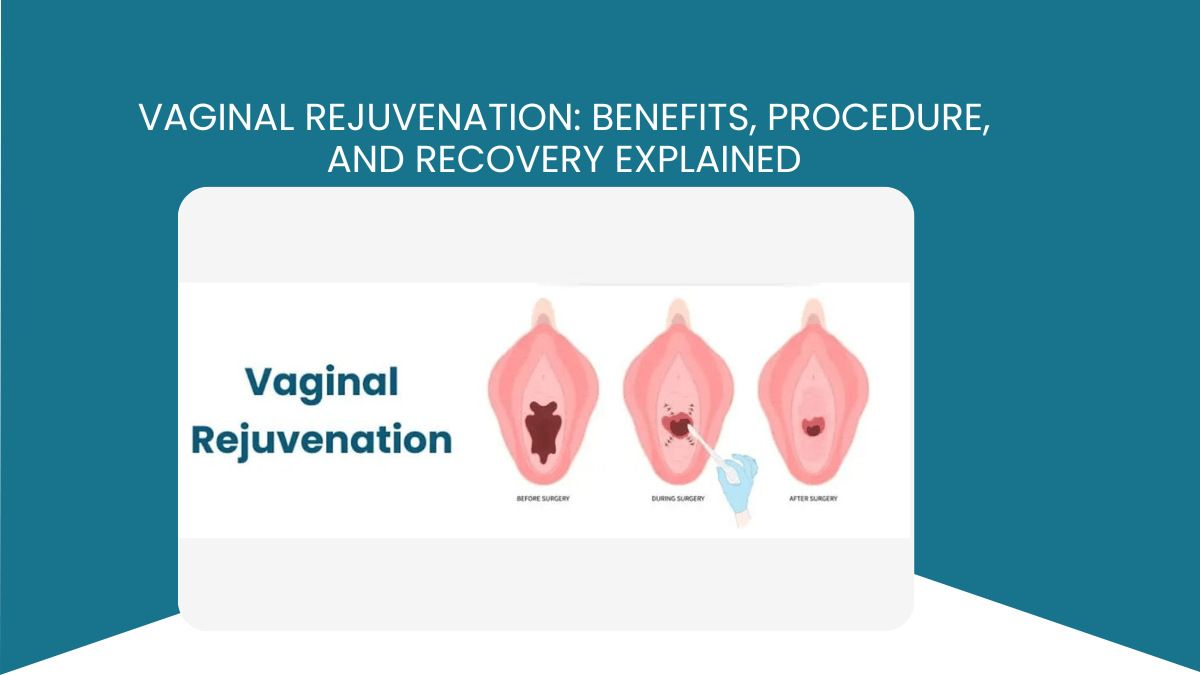
Vaginal rejuvenation refers to a group of treatments designed to improve vaginal tissue health, elasticity, comfort, and support. Depending on the patient's needs, treatment may involve laser therapy, regenerative procedures, pelvic floor rehabilitation, or surgery.
Can urinary incontinence be treated without surgery?
Many women with mild to moderate stress urinary incontinence may benefit from non-surgical options such as pelvic floor rehabilitation, laser therapy, regenerative treatments, or lifestyle interventions. The appropriate treatment depends on the severity of symptoms and clinical assessment.
How long does recovery take after labiaplasty?
Initial recovery after labiaplasty generally takes one to two weeks. Complete healing and final tissue remodelling may take several additional weeks depending on the individual patient and surgical technique used. In the field of regenerative gynecology Beed women now have access to, recovery is supported with PRP and laser protocols that promote faster tissue healing where appropriate.
Medical Disclaimer
This article is intended for educational and informational purposes only. It should not be considered a substitute for professional medical advice, diagnosis, or treatment. Every woman's health concerns, medical history, and treatment requirements are different. Consultation with a qualified healthcare professional is essential before making decisions regarding any medical treatment or procedure.
Written by Dr Rahul Yande, MBBS, MS (Obstetrics and Gynaecology), Fellowship in Cosmetic Gynecology, Consultant Cosmetic Gynecologist and Aesthetic Specialist, Shri Kripalu Hospital, Asef Nagar, Beed, Maharashtra.
Related reading:
- Non-Surgical Cosmetic Gynecology, Beed, Maharashtra
- Vaginal Rejuvenation: Benefits, Procedure, Recovery, Beed
- Labiaplasty Surgery, Beed, Maharashtra
- Urinary Incontinence Treatment, Asef Nagar, Beed
- Post-Childbirth Restoration, Asef Nagar, Beed
To book a consultation with Dr Rahul Yande at Shri Kripalu Hospital, Asef Nagar, Beed.

Add a Comment