






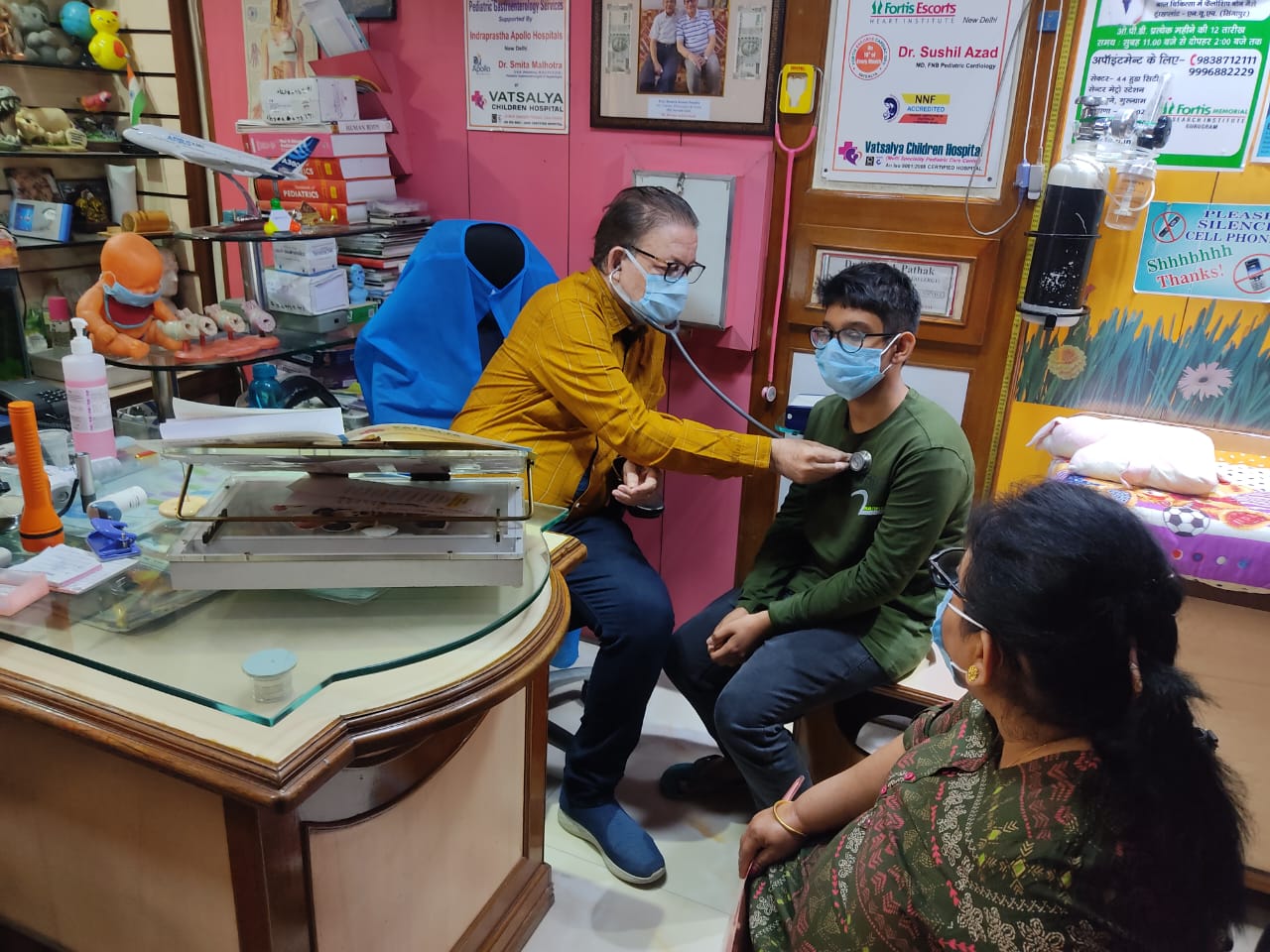
Dr. Rajendra Pathak

Dr. Rajendra Pathak

Senior Consultant Pediatrician & Founder–Director – Vatsalya Children’s Hospital, Varanasi

MD (Pediatrics), MBBS

40+ Years of Experience

10,000+ Patients Treated

40+ Years of Experience

10,000+ Patients Treated

LinQ Card

About Dr. Rajendra Pathak

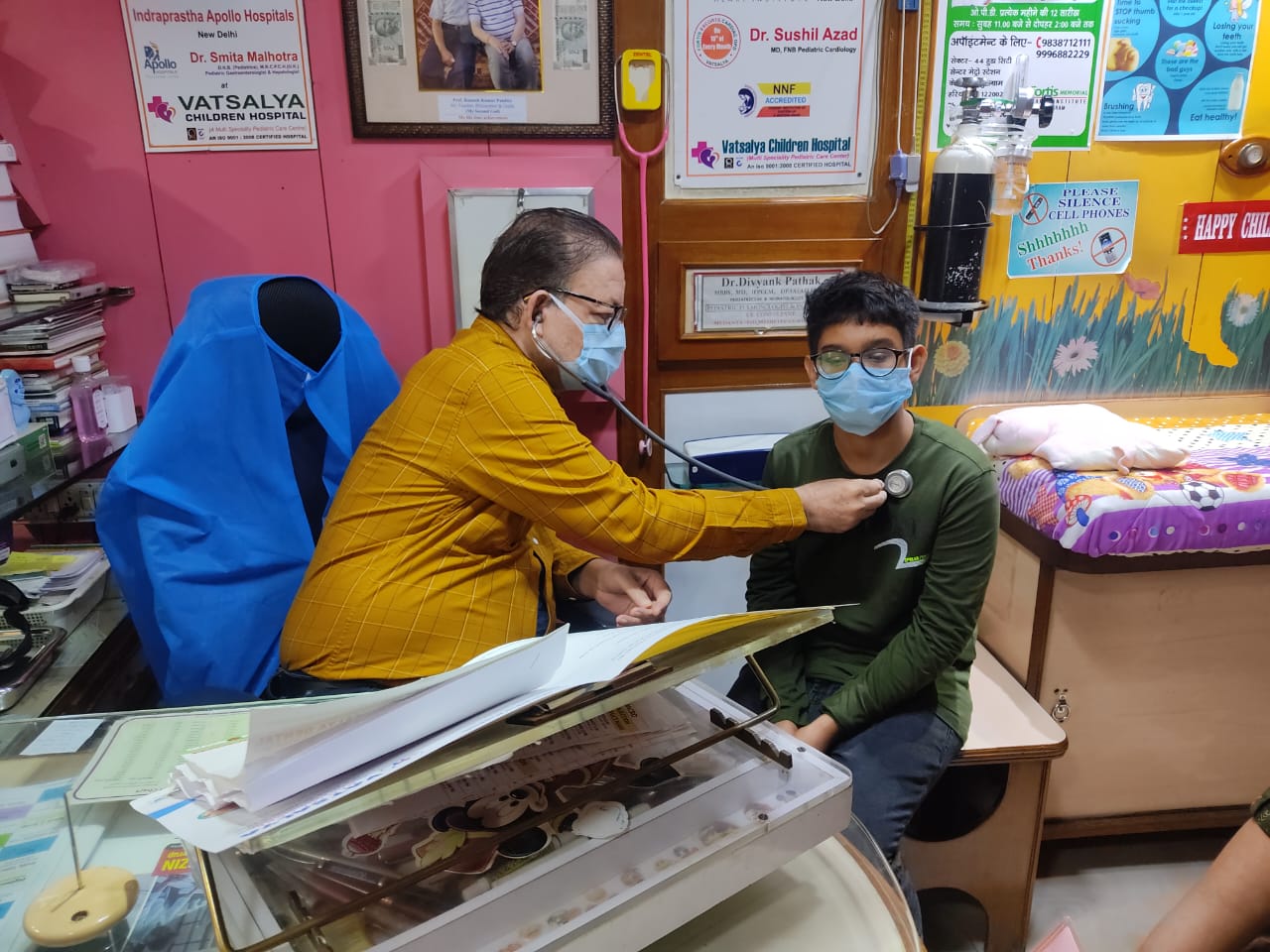
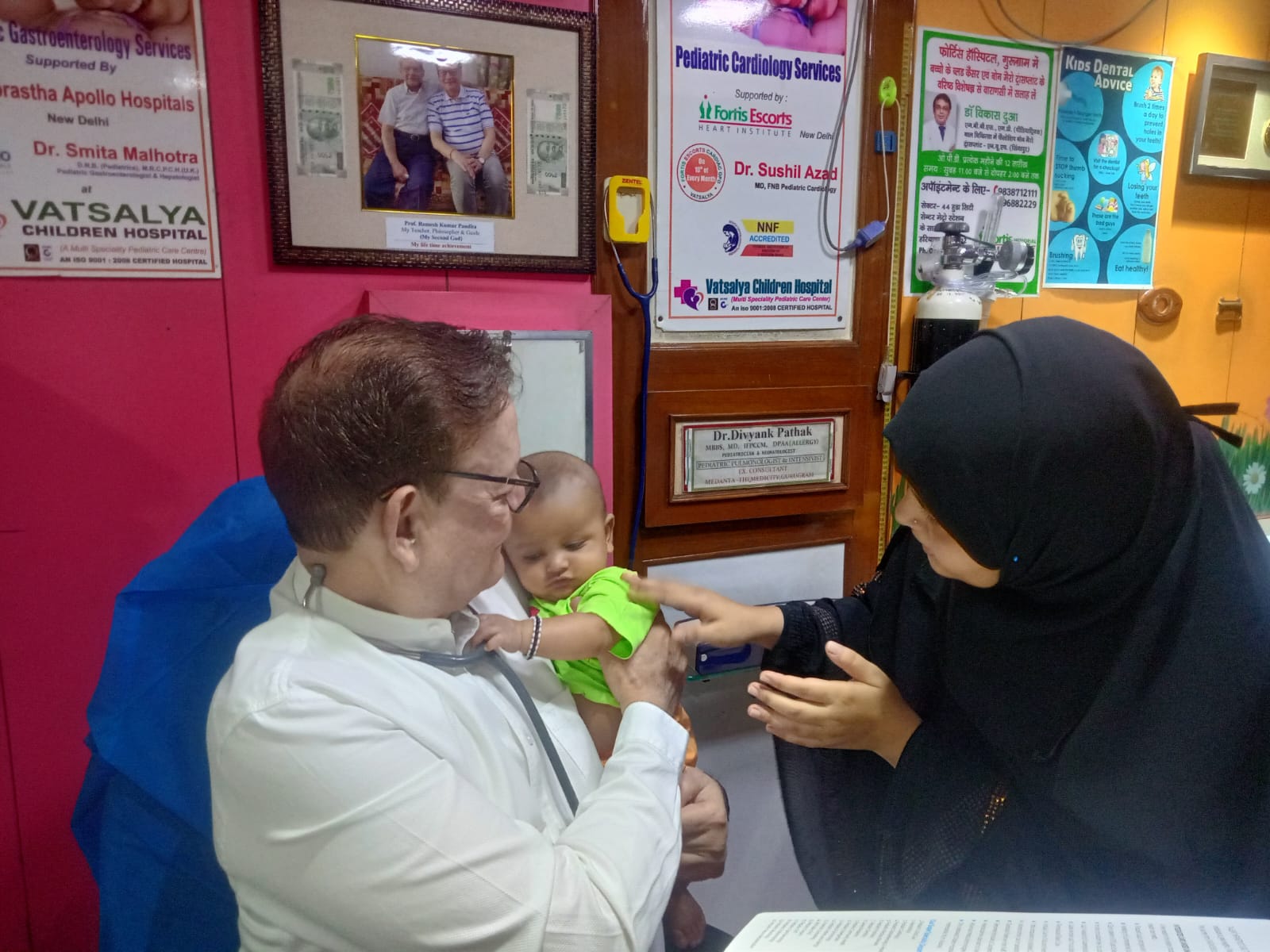
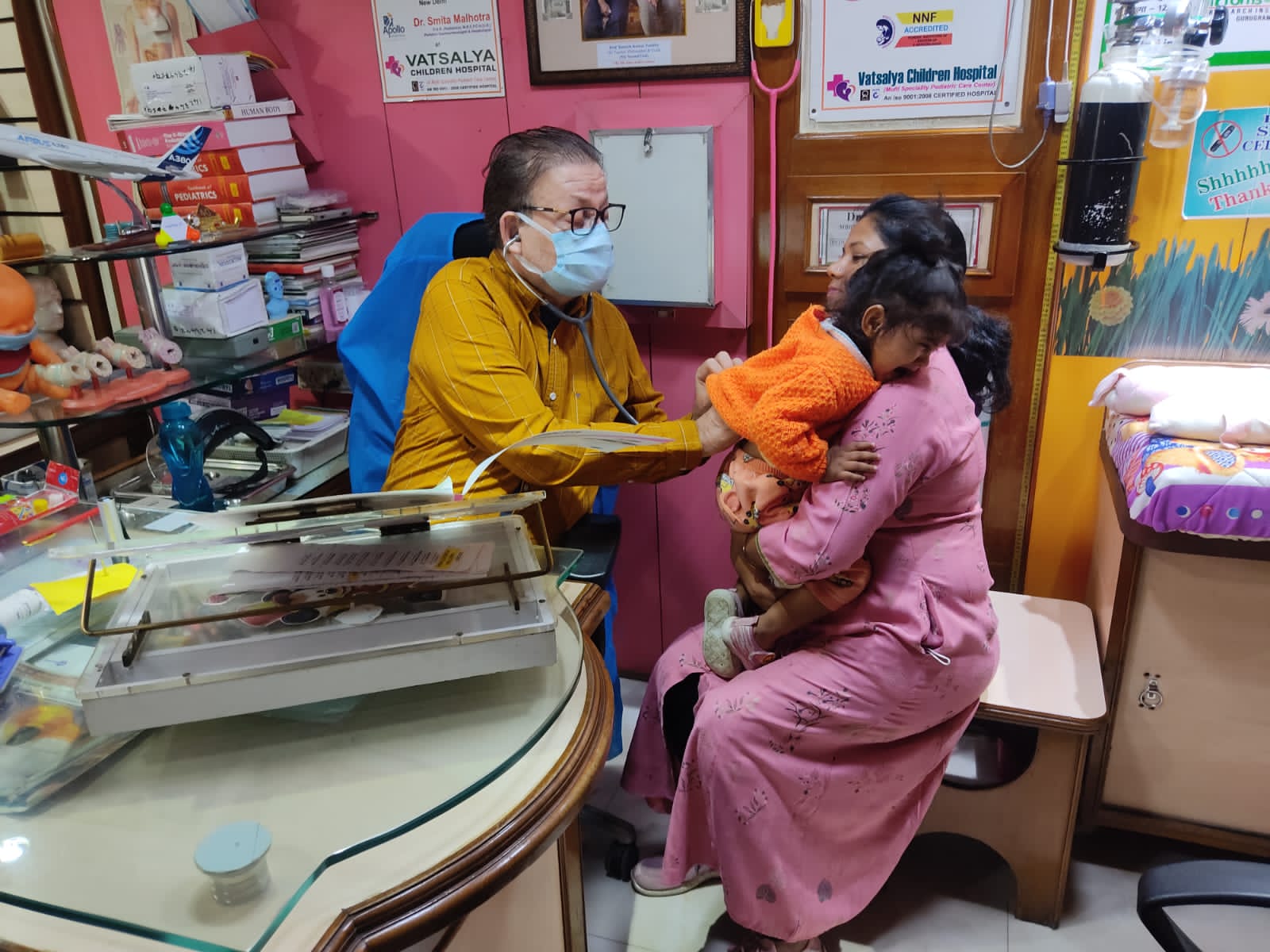
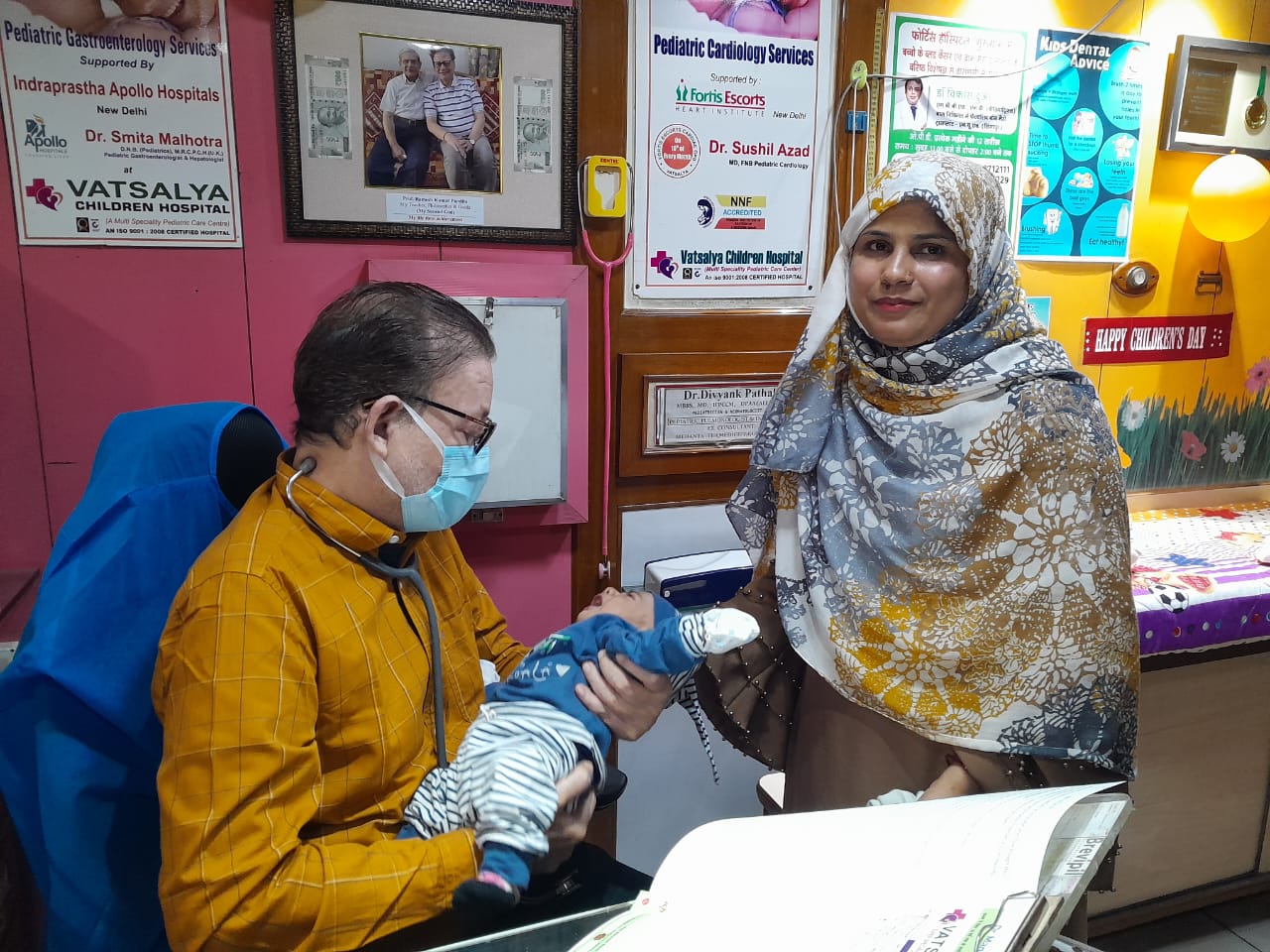
Dr. Rajendra Pathak is a highly respected Senior Consultant Pediatrician with over 40 years of experience in delivering advanced child healthcare and pediatric critical care in Eastern Uttar Pradesh. As the Founder and Director of Vatsalya Children’s Hospital, Varanasi, he has been a pioneer in establishing modern pediatric services, including one of the region’s first Pediatric Intensive Care Units (PICU). Known for his exceptional clinical expertise in neonatology, pediatric pulmonology, and critical care, Dr. Rajendra Pathak has successfully treated thousands of children with complex and life-threatening conditions. His commitment to early diagnosis, evidence-based treatment, and compassionate care has earned him widespread recognition among patients and the medical community. A mentor and leader, he has also contributed significantly to pediatric education through National Neonatology Forum training programs. Dr. Rajendra Pathak continues to be a trusted name for comprehensive pediatric care, child health management, and advanced pediatric treatment solutions.


https://d2vvc091k8tmib.cloudfront.net/s3fs-public/2026-04/Dr.%20Rajendra%20pathak.jpeg

Dr. Rajendra Pathak specializes in advanced pediatric care with a strong focus on pediatric critical care, neonatology, and pediatric pulmonology, making him one of the most trusted child specialists in Eastern Uttar Pradesh. With over four decades of clinical excellence, Dr. Rajendra Pathak is highly skilled in managing neonatal emergencies, respiratory disorders, and complex pediatric conditions requiring intensive care. His expertise extends to Pediatric Intensive Care Unit (PICU) management, pediatric bronchoscopy, and early diagnosis of critical illnesses in infants and children. As a pioneer in introducing modern pediatric critical care services in Varanasi, he has played a key role in improving survival outcomes for critically ill children. Dr. Rajendra Pathak is also known for his evidence-based treatment approach, compassionate patient care, and precision in clinical diagnosis. His specialization ensures comprehensive pediatric healthcare solutions, from routine child health management to advanced life-saving interventions.


Dr. Rajendra Pathak's Areas of expertise

  • Pediatric Critical Care – Expertise in managing life-threatening conditions in children with advanced intensive care support.
  • Neonatology – Specialized care for newborns, including premature and high-risk infants.
  • Pediatric Pulmonology – Diagnosis and treatment of respiratory disorders such as asthma, infections, and chronic lung diseases.
  • Pediatric Intensive Care Unit (PICU) Management – Skilled in handling critically ill children requiring continuous monitoring and intervention.
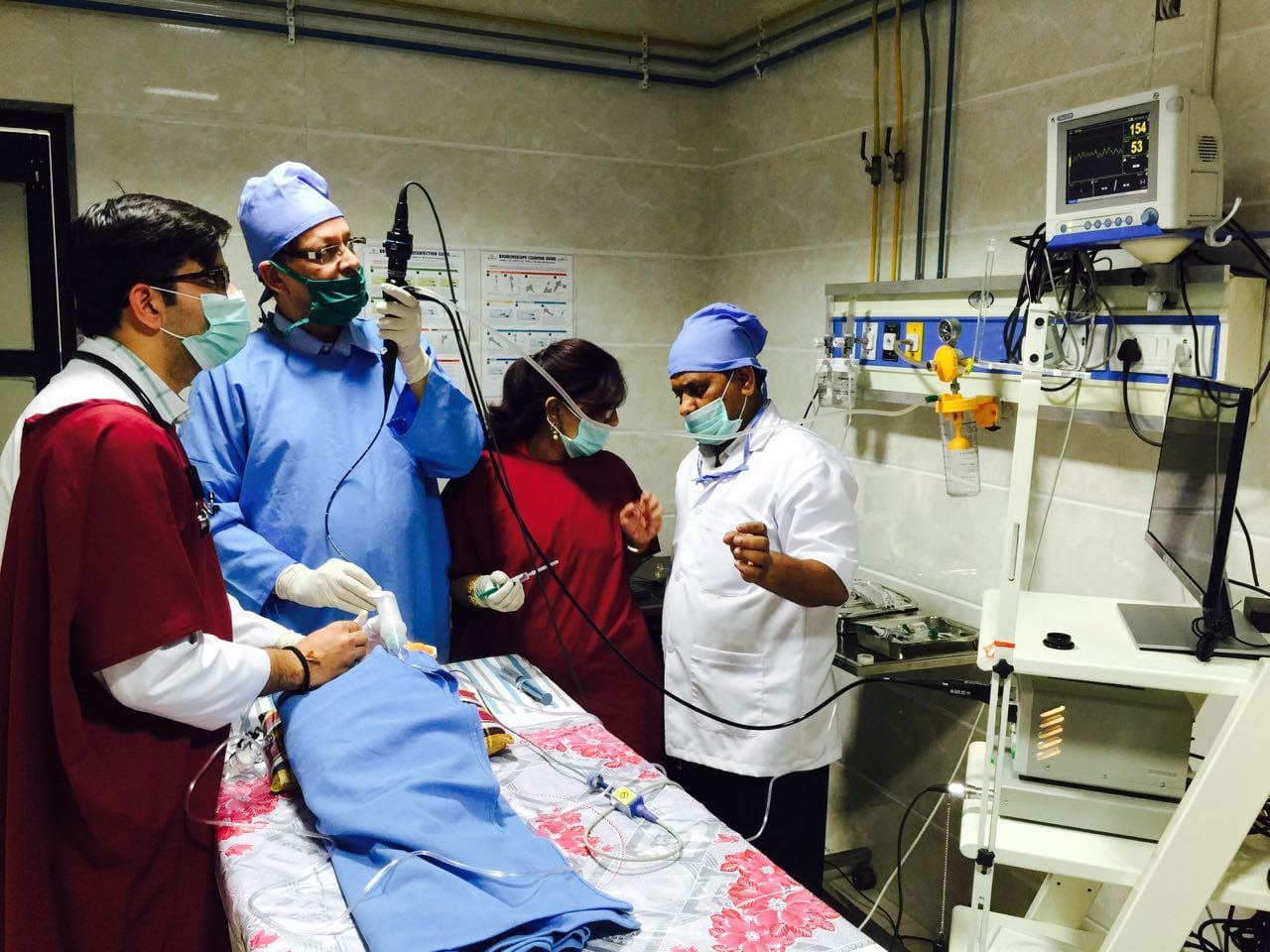
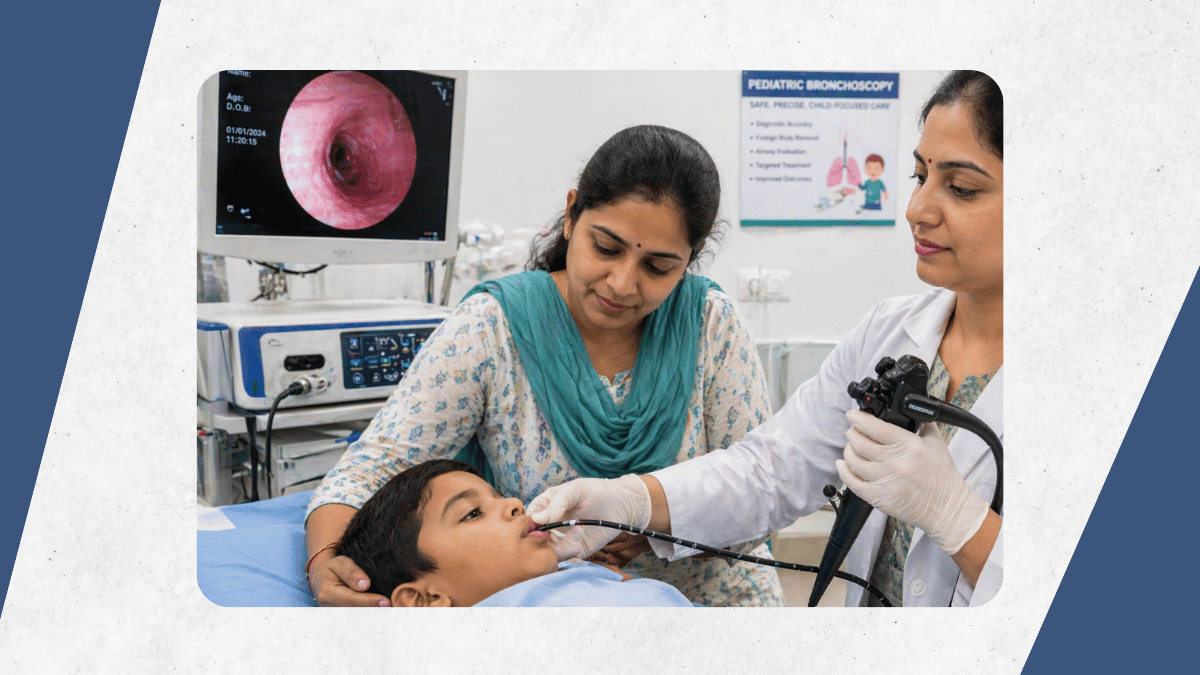
  • Pediatric Bronchoscopy – Advanced diagnostic and therapeutic procedures for airway and lung conditions in children.
  • Advanced Pediatric Diagnosis – Strong clinical acumen in early and accurate identification of complex pediatric illnesses.
  • General Pediatrics – Comprehensive care covering growth, development, vaccinations, and common childhood illnesses.
  • Emergency Pediatric Care – Prompt and effective management of acute pediatric emergencies and critical situations.

Awards & Recognitions:

  • Dr. Rajendra Pathak has received multiple national-level awards and recognitions from the Indian Academy of Pediatrics for his outstanding contributions to pediatric healthcare and child health services. His pioneering role in establishing pediatric critical care and advancing child healthcare services in Eastern Uttar Pradesh has earned him immense respect within the medical community. He is widely acknowledged for his clinical excellence, leadership, and lifelong dedication to improving pediatric outcomes.

Publications & Academic Contributions:

  • Dr. Rajendra Pathak has been actively involved in academic development and training through his association with the National Neonatology Forum. He has played a key role in mentoring pediatricians and guiding fellowship programs in neonatology. While specific indexed journal publications are not detailed, his contributions to clinical training, pediatric education, and development of modern pediatric practices stand as a significant academic legacy in the field of child healthcare.
  • MD (Pediatrics) – Maharani Laxmi Bai Medical College, Jhansi, Uttar Pradesh
  • MBBS – Motilal Nehru Medical College, Allahabad (Prayagraj), Uttar Pradesh (1982)

Conditions and Treatments

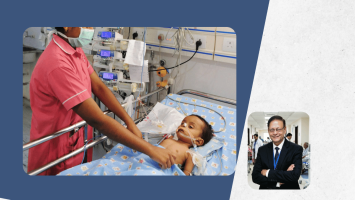
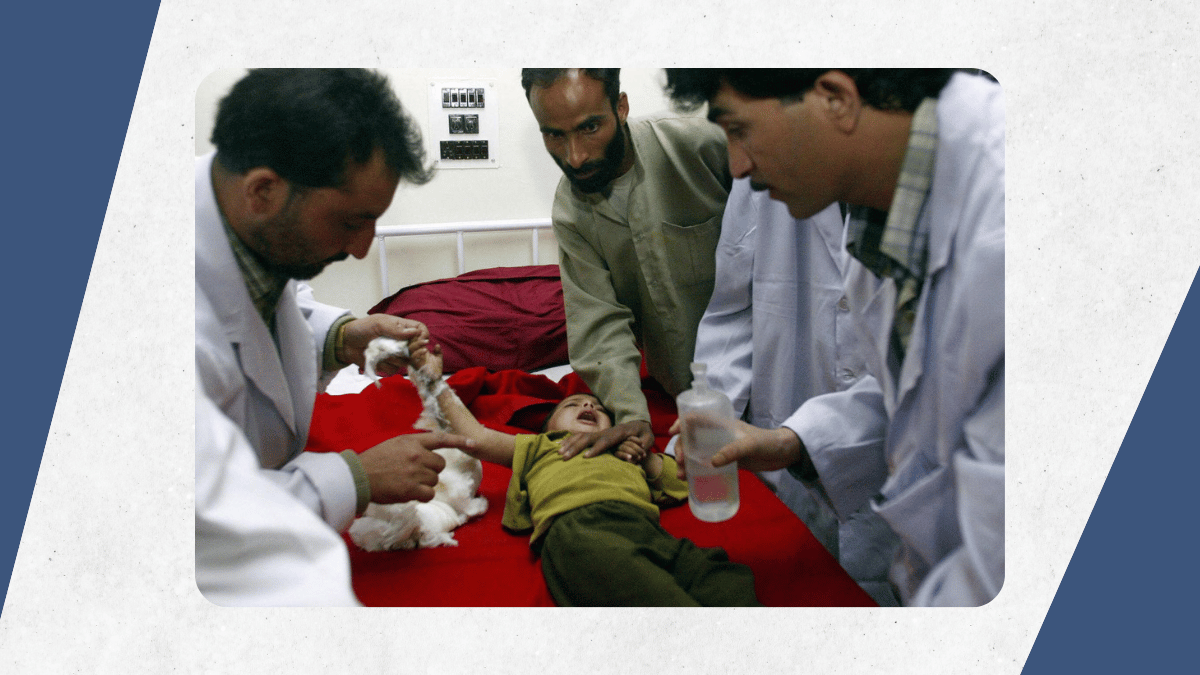
Pediatric Critical Care Management

Dr. Rajendra Pathak specializes in managing critically ill children with life-threatening conditions requiring intensive monitoring and advanced interventions. His expertise in pediatric critical care ensures timely stabilization, ventilatory support, and improved survival outcomes. He adopts evidence-based protocols to provide comprehensive and compassionate care.

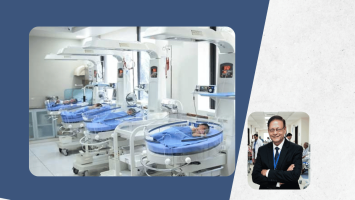
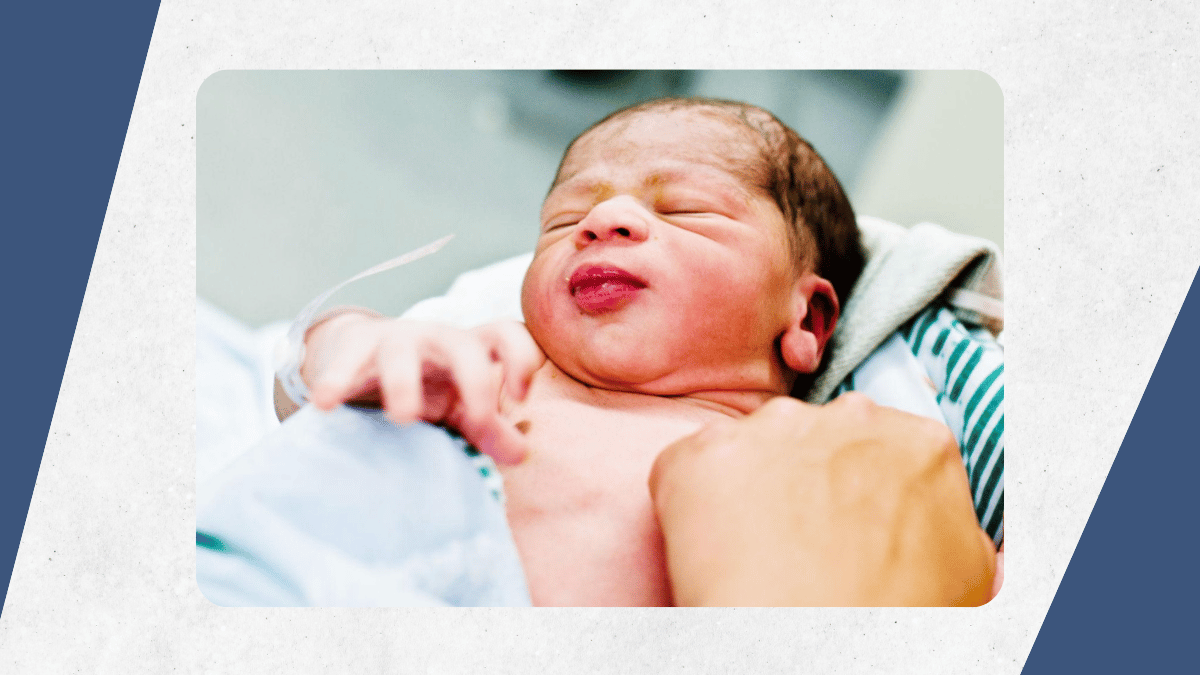
Neonatal Intensive Care & Prematurity Management

Neonatal conditions such as prematurity, low birth weight, and neonatal infections require specialized attention and precision. Dr. Rajendra Pathak provides advanced neonatal care, including incubator support, infection management, and nutritional guidance. His approach focuses on ensuring healthy growth and reducing neonatal complications.

Pediatric Respiratory Disorders Treatment

Dr. Rajendra Pathak treats a wide range of pediatric respiratory disorders including asthma, pneumonia, and chronic lung diseases. He utilizes advanced diagnostic tools and personalized treatment plans to improve respiratory function. His care emphasizes long-term management and prevention of recurrent infections.

Pediatric Intensive Care Unit (PICU) Management

Critically ill children admitted to intensive care require continuous monitoring and specialized treatment protocols. Dr. Rajendra Pathak is highly experienced in PICU management, ensuring multidisciplinary care and rapid interventions. His expertise helps in stabilizing complex pediatric conditions effectively.

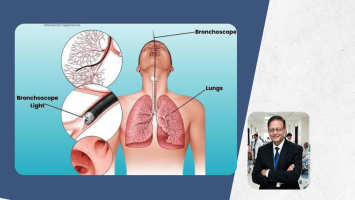
Pediatric Bronchoscopy Procedures

Dr. Rajendra Pathak performs pediatric bronchoscopy for accurate diagnosis and treatment of airway abnormalities and lung conditions. This minimally invasive procedure helps in identifying infections, obstructions, and congenital issues. His precision ensures safe and effective outcomes for young patients.

 Advanced Pediatric Diagnosis & Early Intervention
Advanced Pediatric Diagnosis & Early Intervention

Early and accurate diagnosis plays a crucial role in successful pediatric treatment outcomes. Dr. Rajendra Pathak is known for his sharp clinical judgment in identifying complex conditions at an early stage. His diagnostic expertise enables timely treatment and better recovery rates in children.

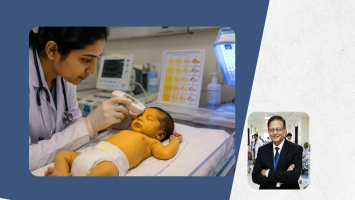
Newborn Jaundice Assessment and Management

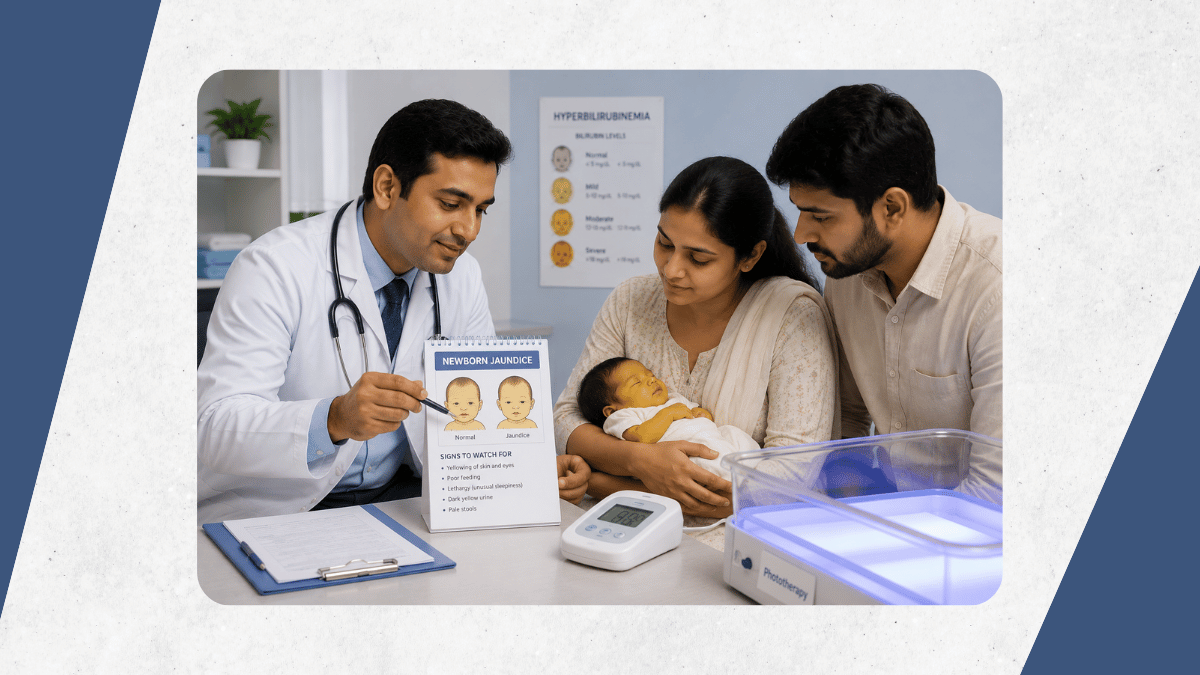
Newborn jaundice is the most common reason for hospital readmission in the first month of life, and while most cases are physiological and self-limiting, a significant proportion require prompt identification and management to prevent serious complications including bilirubin-related brain injury. Dr Rajendra Pathak provides expert assessment and management of newborn jaundice at Vatsalya Children's Hospital, Varanasi, including clinical evaluation of jaundice severity, serum bilirubin measurement, risk stratification, phototherapy where indicated, and follow-up monitoring to confirm resolution. As a Senior Consultant Paediatrician with 40 years of neonatal experience and the Founder of one of Eastern Uttar Pradesh's first PICUs, he brings deep expertise to the evaluation and management of both physiological and pathological jaundice in the newborn period. Written by Dr Rajendra Pathak, MBBS (Motilal Nehru Medical College, Allahabad), MD Pediatrics (Maharani Laxmi Bai Medical College, Jhansi), Senior Consultant Paediatrician and Founder-Director, Vatsalya Children's Hospital, Mahavir Road, Orderly Bazar, Varanasi, Uttar Pradesh 221002.

Newborn Emergency Assessment and Stabilisation

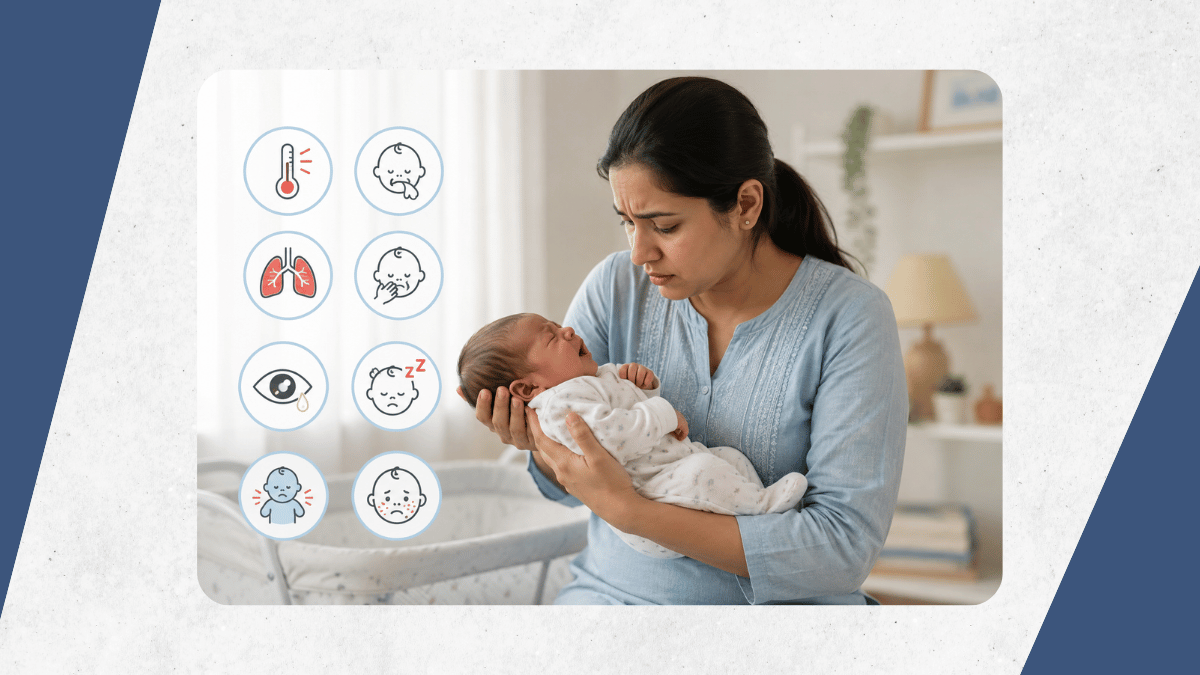
Newborn emergencies, including respiratory distress, sepsis, seizures, severe jaundice, and acute feeding failure, require immediate expert clinical assessment and rapid stabilisation to prevent irreversible organ injury and improve outcomes. Dr Rajendra Pathak provides urgent newborn emergency assessment and stabilisation at Vatsalya Children's Hospital, Varanasi, using a structured clinical approach to identify the cause of acute deterioration, initiate resuscitation where needed, and arrange transfer to the neonatal intensive care unit when indicated. His 40 years of paediatric emergency and neonatal practice, combined with his role in pioneering modern PICU services in Eastern Uttar Pradesh, means that families across the region trust Vatsalya Children's Hospital as their first point of referral when a newborn is seriously unwell. Written by Dr Rajendra Pathak, MBBS (Motilal Nehru Medical College, Allahabad), MD Pediatrics (Maharani Laxmi Bai Medical College, Jhansi), Senior Consultant Paediatrician and Founder-Director, Vatsalya Children's Hospital, Mahavir Road, Orderly Bazar, Varanasi, Uttar Pradesh 221002.

Neonatal Jaundice and Bilirubin Management

Neonatal jaundice - yellowing of a newborn's skin and eyes from elevated bilirubin - is the single most common reason a newborn is readmitted to hospital after discharge. Most jaundice is physiological and harmless, resolving without treatment. The clinical imperative is identifying the patterns that require bilirubin measurement and, where the level crosses the age-specific threshold, phototherapy - because kernicterus, the bilirubin-related brain injury that produces lifelong disability, is entirely preventable when jaundice is recognised and treated in time. Dr. Rajendra Pathak, MBBS, MD Paediatrics, Founder-Director of Vatsalya Children's Hospital, Varanasi, with 40 years of paediatric and neonatal clinical experience, evaluates and manages neonatal jaundice using both serum bilirubin sampling and transcutaneous bilirubinometry, plotting every result against age-specific bilirubin nomograms before any treatment decision is made. Physiological jaundice - appearing after 24 hours, peaking on days three to five, clearing by the end of the second week - requires monitoring but usually not treatment. Patterns requiring prompt assessment include: jaundice appearing within 24 hours of birth (always pathological, always investigate), jaundice spreading rapidly below the chest to the abdomen, thighs, palms, or soles, jaundice persisting beyond two weeks in a term baby, and jaundice with pale chalky stools and dark urine suggesting biliary disease. Phototherapy, using blue-spectrum light that photoisomerises bilirubin in the skin to a water-soluble form excreted in urine and stool, is the standard treatment when the nomogram threshold is crossed. Most jaundiced newborns treated with phototherapy show bilirubin fall within 24 to 48 hours. Sunlight is not a substitute for phototherapy and carries risk of sunburn and overheating in newborns.

Neonatology and Newborn Care

The neonatal period - the first 28 days of life - is the most clinically consequential window in child health. The physiological transition from intrauterine to extrauterine life, the adaptation of the respiratory and cardiovascular systems, the establishment of feeding, the processing of bilirubin by an immature liver, and the identification of congenital conditions requiring intervention all occur in this narrow and critical window. In Eastern Uttar Pradesh, where families frequently travel from district villages to reach a paediatric tertiary centre, having a neonatologist with 40 years of clinical experience at the point of first contact is often the difference between a timely clinical decision and a delayed one. Dr. Rajendra Pathak, Founder-Director of Vatsalya Children's Hospital, Varanasi, has built the neonatal care infrastructure at Vatsalya across four decades to serve the most complex newborn presentations in the region. Every newborn receives systematic clinical assessment covering breathing, tone, colour, feeding readiness, and the identification of structural or clinical findings requiring investigation. High-risk newborns - premature infants, those with respiratory distress, suspected infection, metabolic concerns, or blood group incompatibility - receive immediate assessment and management with appropriate escalation. Neonatal jaundice is evaluated with bilirubin measurement plotted against age-specific nomograms, with phototherapy initiated when the treatment threshold is crossed. The neonatal emergency stabilisation capacity at Vatsalya Children's Hospital ensures that a newborn who deteriorates rapidly - from sepsis, respiratory failure, or surgical emergency - receives prompt stabilisation while transfer to a higher level of care is arranged where required.

Premature Baby Home Care: Managing the Transition from NICU to Home

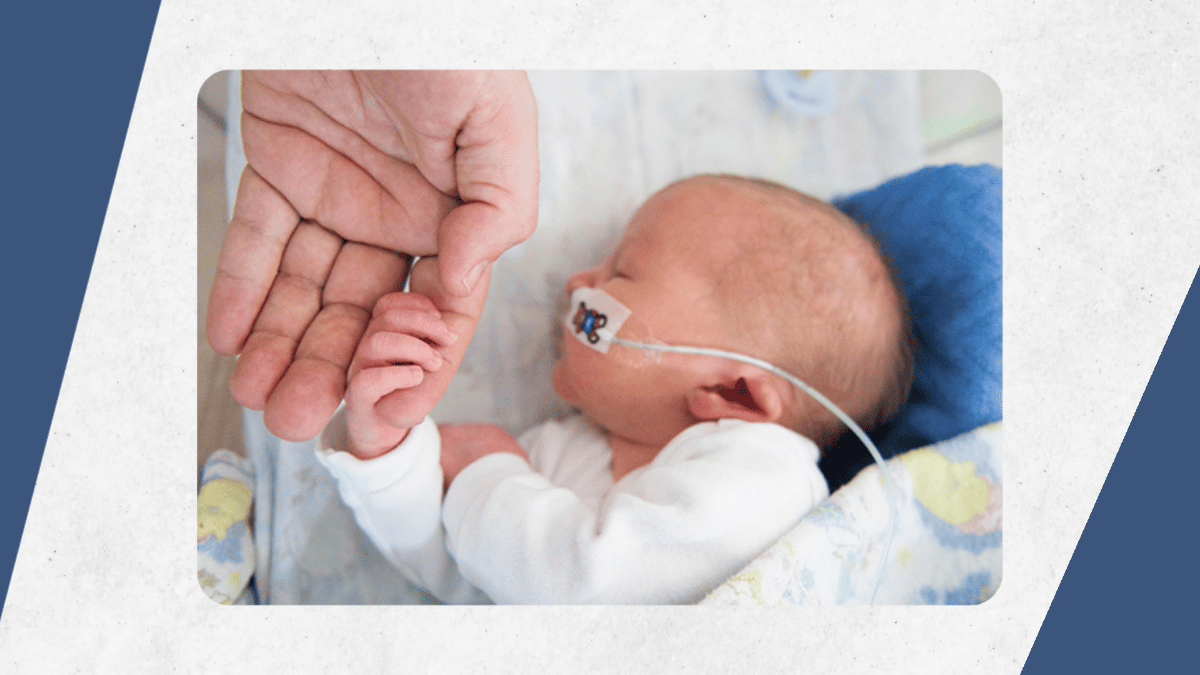
The day a premature baby is discharged from the NICU is one of the most emotionally complicated days in a parent's experience. It is the day they have been waiting for, and it is also the day that many parents describe as the most frightening, because the continuous monitoring, the trained nursing staff, and the immediate medical response that surrounded their baby for weeks or months is suddenly absent. The transition is manageable, and the vast majority of premature babies who go home thrive. But the management requires a clear framework. Dr. Rajendra Pathak, MBBS, MD Paediatrics, Senior Consultant Paediatrician and Founder-Director of Vatsalya Children's Hospital, Varanasi, with 40 years of paediatric practice, sees premature infants after NICU discharge as a core and regular part of his clinical work. The foundation of understanding a premature baby at home is corrected age: the age calculated from the original due date, not from the actual birth date. A baby born eight weeks early who is now three months old by the calendar is only one month old by corrected age, and all developmental expectations must be referenced against the corrected age, not the calendar age. Using the correct age reference removes the most common source of unnecessary anxiety in premature baby follow-up and provides the accurate framework for assessing whether the baby is progressing normally. Temperature management is more demanding in premature infants because the capacity for heat generation and conservation is less mature than in term babies: the home should be kept warm, the baby should not be left uncovered for extended periods, and any temperature above 38 degrees Celsius in a premature infant within the first three months corrected age is a medical emergency that warrants immediate assessment, with the same urgency as in a term newborn within the first thirty days. Feeding in premature infants discharged home requires particular attention: breast milk is the ideal nutrition and provides immunological protection that is especially important for the preterm gut and immune system, but premature babies often tire during feeding more quickly than term babies, and adequate intake must be confirmed by regular weight checks. The follow-up schedule after NICU discharge is not optional: weight monitoring, developmental assessment referenced to corrected age, vision and hearing screening, immunisation according to chronological age, and periodic reassessment of the organs that were immature at birth, including the lungs and the retina, are all part of the structured care that premature babies need in the months following discharge.

Dr. Rajendra Pathak's Expert Tips & Health Insights

Latest

Articles by Dr. Rajendra Pathak

https://d2vvc091k8tmib.cloudfront.net/s3fs-public/2026-09/Your%20Premature%20Baby%20at%20Home.png
https://d2vvc091k8tmib.cloudfront.net/s3fs-public/2026-06/Dr.%20Rajendra%20Pathak.webp
By: Dr. Rajendra Pathak
05 September 2026

Your Premature Baby at Home: What to Watch For, When to Worry, and When to Act

A Senior Paediatrician and Neonatologist with 40 years guides parents of premature babies through the transition home from NICU: what corrected age means, the higher warning sign threshold for preterm infants, RSV and bronchiolitis risk, and how the follow-up schedule protects a premature baby's development, at Vatsalya Children's Hospital, Varanasi.
Read More
https://d2vvc091k8tmib.cloudfront.net/s3fs-public/2026-08/Neonatal%20Jaundice%20What%20Every%20Parent%20Needs%20to%20Know%20About%20the%20Yellow%20Newborn.png
https://d2vvc091k8tmib.cloudfront.net/s3fs-public/2026-06/Dr.%20Rajendra%20Pathak.webp
By: Dr. Rajendra Pathak
05 August 2026

Neonatal Jaundice: What Every Parent Needs to Know About the Yellow Newborn

Neonatal jaundice is the most common cause of newborn hospital readmission — a paediatrician with 40 years' experience explains the 24-hour rule, home assessment, and when phototherapy is needed.
Read More
https://d2vvc091k8tmib.cloudfront.net/s3fs-public/2026-07/Newborn%20Warning%20Signs%20Every%20Parent%20Must%20Know_%20A%20Complete%20Guide%20to%20the%20First%2030%20Days.png
https://d2vvc091k8tmib.cloudfront.net/s3fs-public/2026-06/Dr.%20Rajendra%20Pathak.webp
By: Dr. Rajendra Pathak
02 July 2026

Newborn Warning Signs Every Parent Must Know: A Complete Guide to the First 30 Days

Learn the warning signs in a newborn's first month, including breathing, feeding, jaundice, and fever. Expert newborn care advice from Dr. Rajendra Pathak, Varanasi.
Read More
https://d2vvc091k8tmib.cloudfront.net/s3fs-public/2026-07/Importance%20of%20Early%20Diagnosis%20in%20Pediatric%20Diseases%20for%20Better%20Recovery%20Outcomes.png
https://d2vvc091k8tmib.cloudfront.net/s3fs-public/2026-06/Dr.%20Rajendra%20Pathak.webp
By: Dr. Rajendra Pathak
31 March 2026

Importance of Early Diagnosis in Pediatric Diseases for Better Recovery Outcomes

Early diagnosis in children helps identify health conditions before they become serious. Timely treatment improves recovery, prevents complications, and supports better growth, development, and long-term health outcomes
Read More
https://d2vvc091k8tmib.cloudfront.net/s3fs-public/2026-07/Pediatric%20Bronchoscopy_%20Procedure%2C%20Benefits%2C%20and%20When%20It%20Is%20Required.png
https://d2vvc091k8tmib.cloudfront.net/s3fs-public/2026-06/Dr.%20Rajendra%20Pathak.webp
By: Dr. Rajendra Pathak
31 March 2026

Pediatric Bronchoscopy: Procedure, Benefits, and When It Is Required

Pediatric bronchoscopy is a safe and advanced procedure used to diagnose and treat breathing problems, airway infections, chronic cough, and lung conditions in children. Early evaluation helps ensure better respiratory health and faster recovery.
Read More
https://d2vvc091k8tmib.cloudfront.net/s3fs-public/2026-07/Understanding%20PICU_%20When%20Does%20a%20Child%20Need%20Intensive%20Care.png
https://d2vvc091k8tmib.cloudfront.net/s3fs-public/2026-06/Dr.%20Rajendra%20Pathak.webp
By: Dr. Rajendra Pathak
31 March 2026

Understanding PICU: When Does a Child Need Intensive Care?

PICU provides specialized intensive care for children with serious illnesses, severe infections, breathing difficulties, or emergencies. Early critical care support improves recovery, monitoring, and overall treatment outcomes in children.
Read More
https://d2vvc091k8tmib.cloudfront.net/s3fs-public/2026-07/Childhood%20Asthma%20%26%20Respiratory%20Disorders_%20Symptoms%2C%20Diagnosis%2C%20and%20Treatment%20Options.png
https://d2vvc091k8tmib.cloudfront.net/s3fs-public/2026-06/Dr.%20Rajendra%20Pathak.webp
By: Dr. Rajendra Pathak
31 March 2026

Childhood Asthma & Respiratory Disorders: Symptoms, Diagnosis, and Treatment Options

Childhood asthma and respiratory disorders can cause coughing, wheezing, breathing difficulty, and chest tightness. Early diagnosis and proper treatment help children breathe better and live healthier lives.
Read More
https://d2vvc091k8tmib.cloudfront.net/s3fs-public/2026-07/Neonatal%20Care%20Essentials_%20Managing%20Premature%20Babies%20and%20Newborn%20Complications.png
https://d2vvc091k8tmib.cloudfront.net/s3fs-public/2026-06/Dr.%20Rajendra%20Pathak.webp
By: Dr. Rajendra Pathak
31 March 2026

Neonatal Care Essentials: Managing Premature Babies and Newborn Complications

Neonatal care focuses on managing premature babies and newborn complications with specialized monitoring, nutrition, and treatment. Early medical care supports healthy growth, development, and better survival outcomes for newborns.
Read More
https://d2vvc091k8tmib.cloudfront.net/s3fs-public/2026-07/Pediatric%20Critical%20Care_%20Early%20Signs%2C%20Treatment%20%20%26%20Life-Saving%20Interventions%20in%20Children.png
https://d2vvc091k8tmib.cloudfront.net/s3fs-public/2026-06/Dr.%20Rajendra%20Pathak.webp
By: Dr. Rajendra Pathak
31 March 2026

Pediatric Critical Care: Early Signs, Treatment & Life-Saving Interventions in Children

Get expert insights on pediatric critical care, early warning signs, emergency treatments, and life-saving interventions for children by Dr. Rajendra Pathak in Varanasi, Uttar Pradesh.
Read More

Dr. Rajendra Pathak's Patient Testimonial Reviews

Leave a Review

Patient Reviews

Dr. Rajendra Pathak

Leave a Review

Frequently Asked Questions

Frequently Asked Questions

View all

My premature baby's breathing looks different from a normal baby. How do I know when to worry?

This question reflects something I hear from almost every family of a premature baby in the first weeks at home, and the answer matters enough that I want to be very precise about it. Premature babies do have a slightly different baseline breathing pattern from term babies. Their breathing may be slightly faster, and it is entirely normal for premature babies to have periodic breathing, a pattern of normal breaths interspersed with brief pauses of a few seconds, which resolves as the nervous system matures. What I am asking parents to watch for is change from their baby's normal baseline, and specific signs that are never within the range of normal at any gestation. The specific signs that require you to bring your premature baby to Vatsalya Children's Hospital, Varanasi for same-day assessment, without waiting, are: a breathing rate that is consistently above 60 breaths per minute when the baby is calm and not feeding, which you can count by watching the chest for one full minute; any new sound that was not there before, including a wheeze (a soft, musical sound on breathing out), a grunt (a small noise the baby makes at the end of each breath out, which indicates they are using their own vocal cords to maintain airway pressure), or any coarse rattling or gurgling sound in the chest rather than the nose; visible recession, in which you can see the skin being pulled inward between the ribs, at the base of the throat, or below the ribcage with each breath, which indicates the baby is working hard to bring air in; any colour change, including blue or dusky colouring of the lips or the area around the mouth; any episode of pausing in breathing that is longer than fifteen seconds or that is accompanied by colour change or reduced responsiveness; and a baby who is so breathless that they cannot feed, because feeding and breathing require coordinated effort and the baby is using all their effort for breathing. In a premature baby at home, any of these signs means same-day assessment at Vatsalya Children's Hospital, not waiting to see if it improves.


Written by
Dr. Rajendra Pathak, MBBS, MD (Paediatrics), Senior Consultant Paediatrician and Founder-Director, Vatsalya Children's Hospital, Varanasi 221002. Phone: +91 9838585111. 

What is corrected age for a premature baby and until when should I use it?

Corrected age, also called adjusted age or developmental age, is the age your baby would be if they had been born on their original due date rather than early. It is calculated by taking your baby's actual age from their birth date and subtracting the number of weeks they were born before their due date. If your baby was born eight weeks early and is now four months old by the calendar, their corrected age is two months. This is the age reference I use when assessing whether a premature baby at Vatsalya Children's Hospital, Varanasi, is developing as expected, and it is the reference every parent of a premature baby should use when comparing their baby's development to any external guide. The reason corrected age matters so much is straightforward. A baby who was born eight weeks before their brain and body were ready to function at term level needs approximately eight extra weeks after birth before reaching the stage that a term baby is at on the day they are born. Their brain, their nervous system, their muscle tone, and their postural development are all following the timeline set by their gestation, not their birth date. Using chronological age for developmental comparison in a premature baby consistently produces an assessment that looks as if the baby is behind. Using corrected age almost always brings the picture back to normal expectations. I use corrected age for all developmental milestone assessments, including motor skills such as holding the head up, rolling, sitting, and walking; language and social development; and feeding development including the introduction of solid foods. The general guidance from international paediatric organisations is to continue using corrected age for developmental assessment until two years of age. After two years, most premature babies, particularly those born between 32 and 36 weeks, have caught up sufficiently that the difference between chronological and corrected age is small and often clinically insignificant. For babies born at very early gestations, below 28 weeks, the corrected age framework may remain relevant beyond two years for some areas of development. If you are comparing your premature baby to any developmental guide, any milestone list, or any age-based recommendation, use their corrected age, not their calendar age, and you will find that the great majority of what your baby is or is not doing makes clinical sense.

Related reading: 

Your Premature Baby at Home: What to Watch For, When to Worry, and When to Act
Neonatal Care Essentials: Managing Premature Babies and Newborn Complications
Neonatal Jaundice: What Every Parent Needs to Know About the Yellow Newborn
Written by Dr. Rajendra Pathak, MBBS, MD (Paediatrics), Senior Consultant Paediatrician and Founder-Director, Vatsalya Children's Hospital, Varanasi 221002. Phone: +91 9838585111.

Can I use sunlight instead of phototherapy for my baby's jaundice?

No. Phototherapy uses calibrated blue-spectrum light at a specific intensity that window-filtered sunlight cannot replicate. Direct sunlight risks sunburn and overheating in a newborn. If your paediatrician recommends phototherapy, proceed - it is safe, effective, and prevents kernicterus.

Written by Dr. Rajendra Pathak, MBBS, MD (Pediatrics), Senior Consultant Paediatrician and Founder-Director, Vatsalya Children's Hospital, Mahavir Road, Orderly Bazar, Varanasi, Uttar Pradesh 221002. 40+ years, 10,000+ patients. Phone: +91 9838585111.
Related reading: linqmd.com/doctor/rajendra-pathak/blog/neonatal-jaundice-newborn-bilirubin-phototherapy-varanasi | linqmd.com/doctor/rajendra-pathak/blog/newborn-warning-sign-first-30-days-varanasi | linqmd.com/doctor/rajendra-pathak/blog/neonatal-care-premature-babies-by-dr-rajendra-varanasi 

Link copied to clipboard!

Reach Dr. Rajendra Pathak

Vatsalya Children Hospital

Mahavir Road, near Mahavir Mandir Crossing, Orderly Bazar, Varanasi, Uttar Pradesh 221002