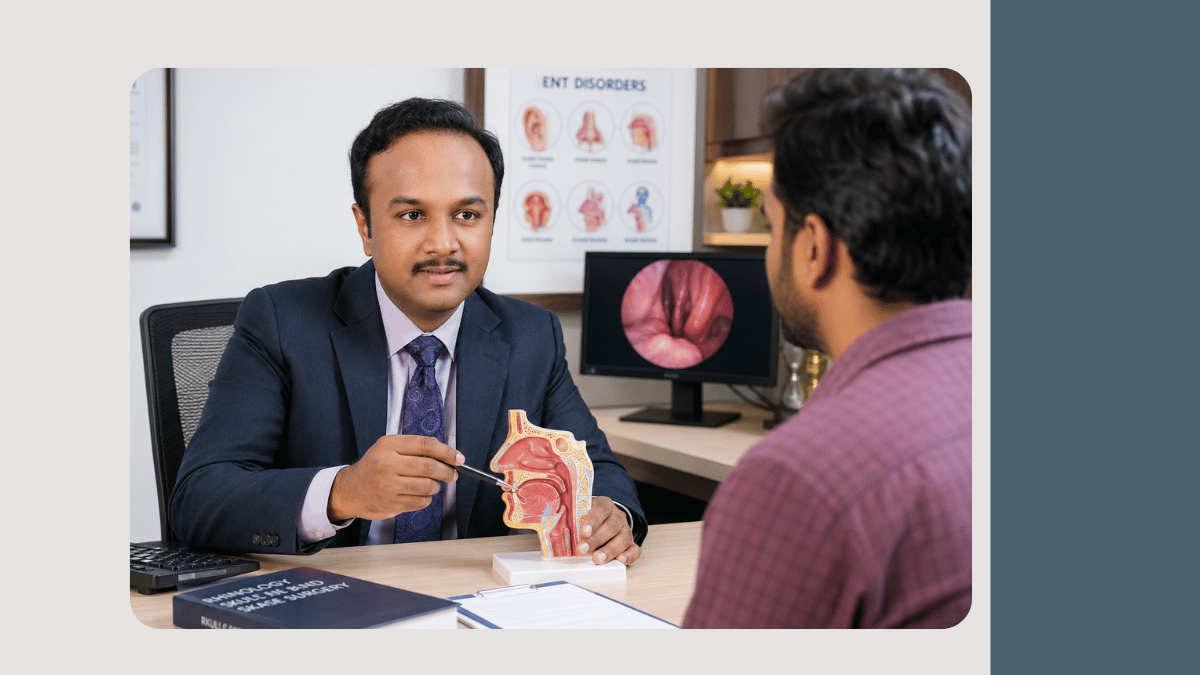
Every Patient Has a Story And So Does Every Consultation
When I chose Otorhinolaryngology (ENT) as my specialty, I was drawn by the unique blend of medicine, surgery, technology, and the opportunity to make a meaningful difference in a patient's daily life. The ability to hear clearly, breathe comfortably through the nose, sleep peacefully, communicate with confidence, and enjoy the simple pleasures of taste and smell are things many of us take for granted—until they are affected.
Over the past 18 years, I have had the privilege of caring for patients across all age groups, each bringing a unique challenge and an opportunity to improve their quality of life. My journey has taught me that successful ENT care is not simply about treating a disease; it is about understanding how that condition impacts the person behind it.
Finding My Passion in Rhinology
Among the many areas within ENT, rhinology has always fascinated me. The nose and paranasal sinuses are intricately connected to breathing, sleep, smell, facial comfort, and even overall well-being. A seemingly simple complaint such as "my nose is always blocked" can sometimes reveal a complex condition requiring careful evaluation.
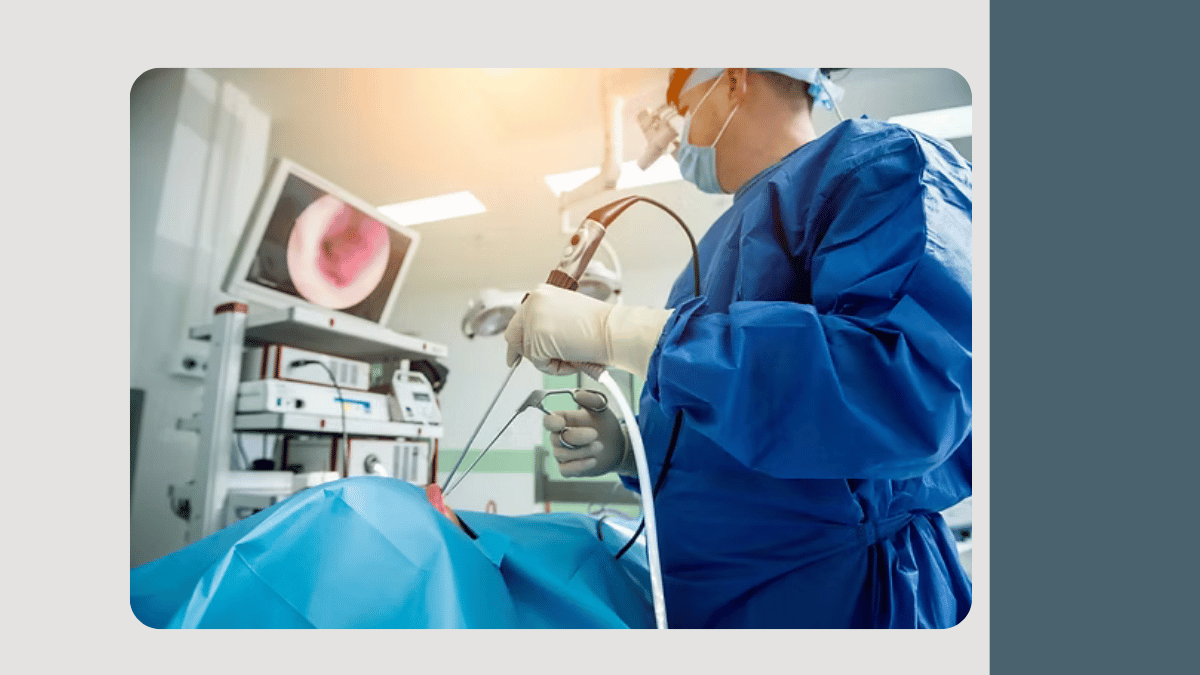
Modern rhinology has transformed the way we diagnose and treat these disorders. Advances in nasal endoscopy, high-resolution imaging, and minimally invasive surgical techniques now allow us to treat many conditions with greater precision, reduced discomfort, and faster recovery.
For me, every procedure begins long before the operating theatre. It starts by listening carefully, understanding symptoms, and ensuring that treatment is tailored to the individual rather than the diagnosis alone.
Looking Beyond the Symptoms
Many patients live with chronic nasal congestion, recurrent sinus infections, headaches, or allergies for years because they believe these problems are simply "part of life."
One patient, whom I'll call Anita, came to the clinic after years of breathing through her mouth. She had tried multiple medications and assumed surgery was inevitable. After a comprehensive evaluation, we identified the underlying causes of her symptoms and discussed all available treatment options. Not every patient requires surgery, and in her case, a structured treatment plan significantly improved her symptoms before any procedure was considered.
Experiences like these reinforce an important lesson: understanding the cause is often more valuable than simply treating the symptom.
The Precision of Anterior Skull Base Surgery
Anterior skull base surgery represents one of the most technically demanding areas of ENT practice. It requires detailed anatomical knowledge, meticulous planning, and close collaboration with multidisciplinary teams.
Advances in endoscopic surgery have made it possible to access selected skull base conditions through the nasal passages, reducing the need for large external incisions in appropriate cases. Every case is unique, and every treatment decision is guided by careful assessment, evidence-based practice, and patient safety.
Being part of these complex journeys reminds me that precision and teamwork are just as important as surgical skill.
Every Patient Deserves Individualised Care
Medicine constantly evolves, but one principle remains unchanged: no two patients are alike.
A young software professional once visited me with persistent facial pressure, frequent headaches, and recurring sinus infections. His demanding work schedule meant he had postponed seeking specialist care for months. After evaluation, we created a personalised treatment plan that addressed both his symptoms and lifestyle. Over time, his recovery allowed him to return to work with improved comfort and confidence.
These moments remind me that successful treatment is measured not only by clinical outcomes but also by how patients regain their everyday lives.
The Role of Technology in Modern ENT
Technology has transformed the practice of ENT in remarkable ways. High-definition nasal endoscopy, advanced imaging, and minimally invasive techniques have significantly improved our ability to diagnose and manage complex conditions.
However, technology is only a tool.
The most valuable part of any consultation remains the conversation between doctor and patient. Listening carefully, explaining the diagnosis clearly, and involving patients in treatment decisions are essential components of quality healthcare.
Patients deserve to understand their condition, know why a treatment is recommended, and feel confident in the decisions they make about their health.
Building Trust Through Communication
One of the most rewarding aspects of my profession is developing long-term relationships with patients.
Many individuals first visit with anxiety, uncertainty, or frustration after living with chronic symptoms for years. By taking the time to answer questions, explain findings, and discuss realistic expectations, those concerns gradually become confidence.
I believe trust is built through honesty. Sometimes the best treatment is medication, sometimes it is surgery, and sometimes it is simply reassurance that no serious disease is present. My responsibility is to recommend what is medically appropriate—not merely what is technically possible.
Continuing to Learn Every Day
Medicine never stands still.
New research, improved surgical techniques, and evolving clinical guidelines continue to reshape the field of rhinology and ENT. Continuous learning has therefore become an essential part of my professional journey. Every conference attended, every workshop completed, and every scientific discussion ultimately benefits the patients I care for.
Remaining updated allows me to combine established clinical principles with modern evidence-based practice.
Looking Ahead
As I reflect on the years spent caring for patients with ENT disorders, I recognise that every consultation has contributed to my growth as a clinician. Each patient presents a new story, a new challenge, and a new opportunity to make a positive difference.
Whether someone visits with chronic sinusitis, nasal obstruction, allergy-related symptoms, hearing concerns, or a more complex rhinological condition, my commitment remains the same—to provide thoughtful evaluation, personalised treatment, and compassionate care grounded in clinical excellence.
The journey in medicine is one of lifelong learning. I remain grateful for the trust my patients place in me and look forward to continuing to help individuals breathe easier, hear better, and enjoy healthier lives through comprehensive ENT and rhinology care.

Add a Comment