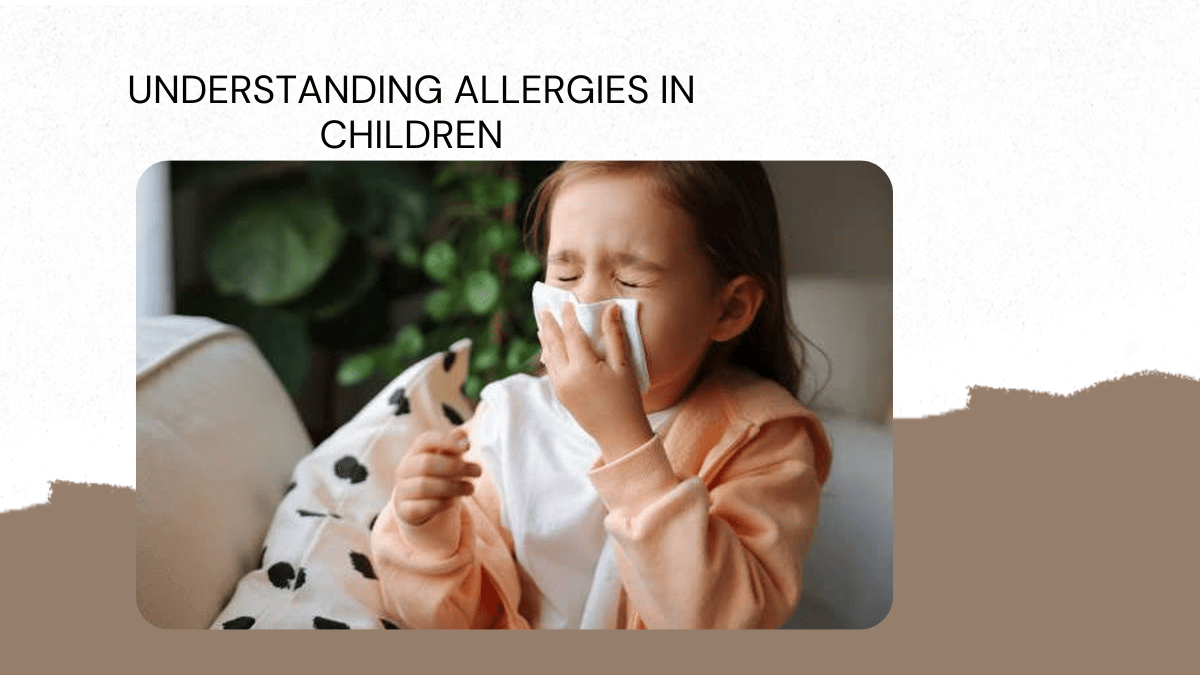
I have often seen how allergies can significantly impact a child's daily life and the peace of mind of their families. Allergies are much more common than most parents realize, and recognizing the signs early can make a world of difference in managing and improving your child's quality of life.
Recognizing Common Allergy Symptoms in Children
Many parents wonder when their child's usual sniffles or skin rashes are something more serious. Allergies in children often present with a variety of symptoms that can be mistaken for common illnesses, but knowing what to look for is crucial.
Take the story of little Ananya, a bright 4-year-old who constantly sneezed and had a persistent runny nose, especially during the spring season. Initially dismissed as just a cold, her parents soon noticed eczema-like rashes on her skin and intense itching. It was only after a consultation with me that they realized Ananya was suffering from allergic rhinitis and skin allergies triggered by pollen and dust.
Common allergy symptoms include sneezing, a persistent runny or blocked nose, itchy and watery eyes, skin rashes such as hives or eczema, wheezing, and shortness of breath. These symptoms can often be seasonal, such as hay fever, or triggered by specific foods or environmental factors. Sometimes, allergies can cause severe reactions like swelling or difficulty breathing, which require immediate medical attention.
The Importance of Allergy Testing
Once the symptoms are identified, the next step is accurate diagnosis through allergy testing. This is where many parents feel apprehensive, but I assure you, the tests are quick, safe, and immensely helpful.
Two of the most common tests I perform are the Skin Prick Test and Spirometry. The skin prick test involves introducing tiny amounts of suspected allergens into the skin, usually on the forearm or back, and observing for reactions. This helps pinpoint specific foods, pollens, or dust mites causing allergic responses.
Spirometry, on the other hand, measures lung function and helps diagnose respiratory allergies and asthma. For children who are too young or unable to perform spirometry comfortably, I use a newer, non-invasive method called FOT (Forced Oscillation Technique) which provides valuable information about airway resistance without causing discomfort.
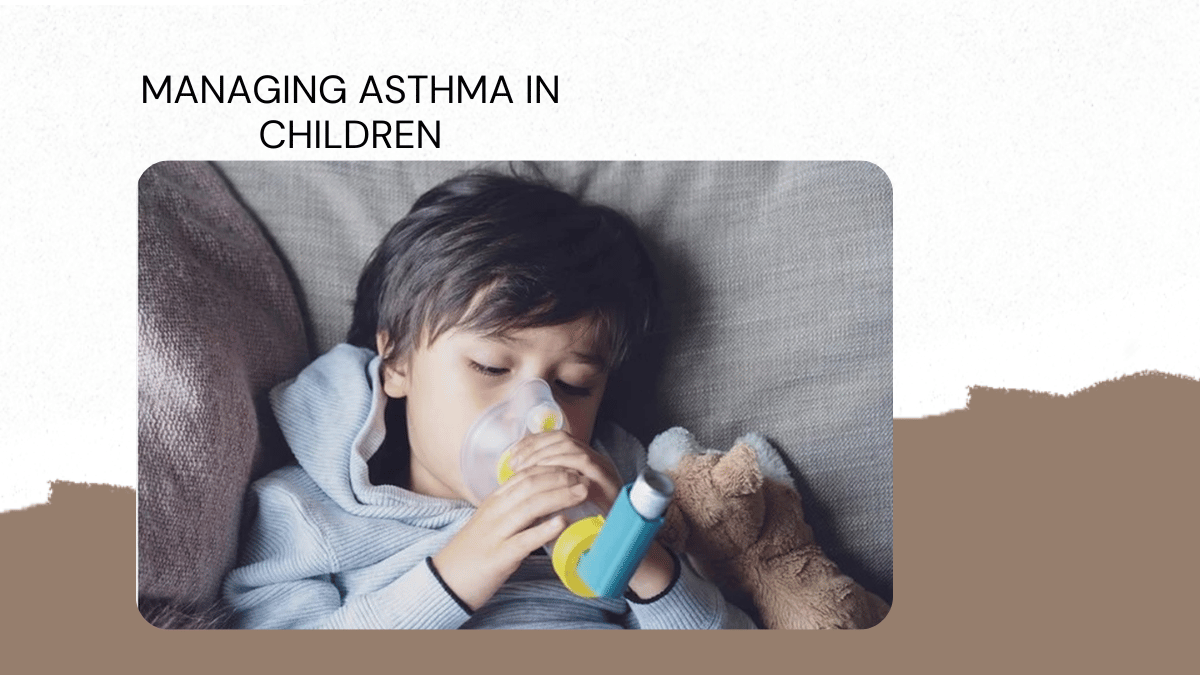
Patients like Aryan, a 6-year-old with frequent wheezing, benefited from these tests. Identifying his allergies to pet dander and dust led to tailored treatment, significantly reducing his asthma attacks.
Prevention Strategies and Long-term Management
Once the triggers are identified, the focus shifts to prevention. Avoiding known allergens is the first step—this might mean keeping pet dander to a minimum, ensuring dust is regularly cleaned, or avoiding certain foods. Environmental modifications such as using air purifiers, hypoallergenic bedding, and keeping windows closed during high pollen seasons are also effective.
I often tell parents, “Prevention is better than cure,” and that holds especially true for allergies. Immunotherapy, or allergy shots, is another powerful tool that helps desensitize your child's immune system over time. It’s a long-term solution that can significantly reduce reactions and reliance on medications.
When to Seek Medical Attention
It's important to monitor your child's symptoms and seek medical help if you notice signs of severe reactions such as swelling of the face or lips, difficulty breathing, or if allergy symptoms significantly affect their daily activities and sleep. Early diagnosis and proper management can prevent complications and ensure your child leads a happy, active life.
Final Thoughts
Understanding allergy symptoms and getting the right tests can empower you to take control of your child's health. With the right diagnosis, tailored treatment, and preventive measures, children suffering from allergies can enjoy life without fear of their environment or diet.
Remember, as I always tell my young patients and their parents, “Awareness is the first step towards a healthier, allergy-free lifestyle.” If you notice any of the symptoms I’ve described, don’t hesitate to consult your pediatrician. Early intervention makes all the difference.

Add a Comment