As a pediatrician specializing in allergy and respiratory conditions, I’ve seen many children and their families struggle with asthma. It’s a common condition, but one that can be very manageable with the right understanding and approach. I often tell parents, “Knowledge about asthma is power—a power to control symptoms and help your child breathe easier every day.”
What is Asthma? Understanding the Basics:
Asthma is a chronic condition that causes inflammation and narrowing of the airways. During an asthma attack, symptoms like wheezing, coughing, shortness of breath, and chest tightness occur because the airways become swollen and inflamed. It’s important for parents to understand that asthma isn’t just a temporary cough—it’s a long-term condition that requires ongoing management.
Children with asthma may experience symptoms triggered by various factors, including allergens like pollen, dust mites, pet dander, or mold. Respiratory infections, especially viral infections like the common cold, can worsen symptoms. Environmental pollutants, such as cigarette smoke or vehicle exhaust, are also common triggers. Recognizing these triggers is the first step toward effective management.
Practical Tips for Managing Asthma:
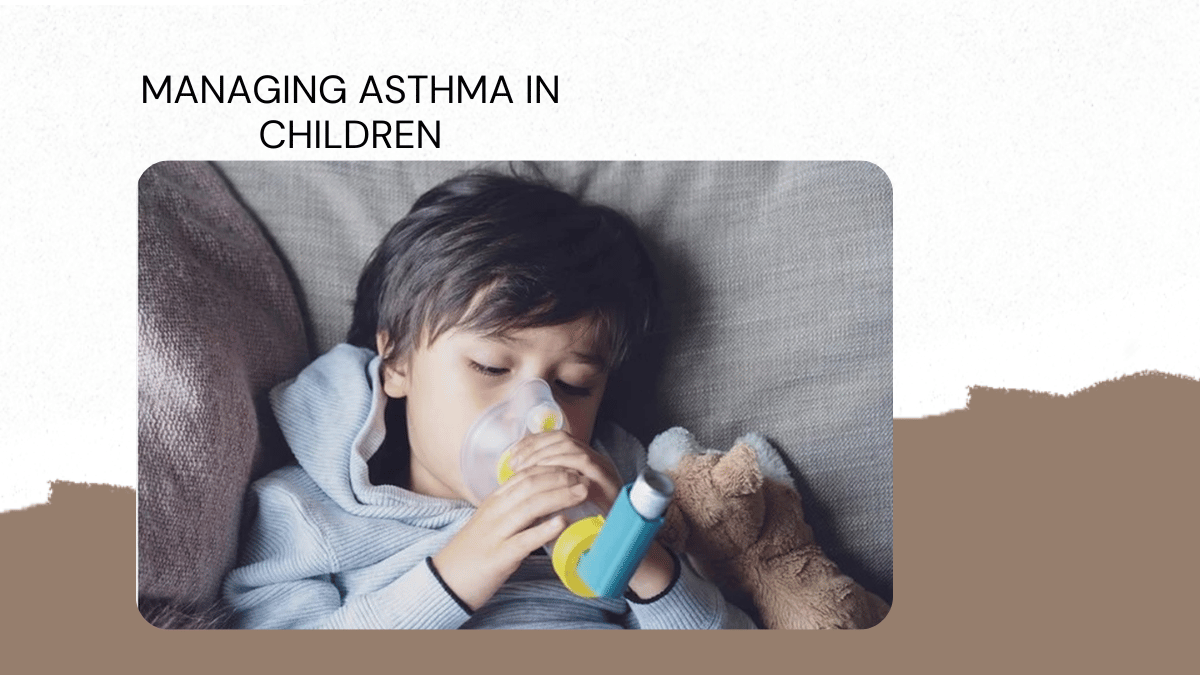
1. Medications and Inhalers: One of the most important aspects of asthma control is the consistent and correct use of prescribed medications. Many parents are hesitant or unsure about inhalers, but they are safe and highly effective when used properly. I always emphasize the importance of using inhalers as directed, with spacers if recommended, to ensure the medicine reaches the lungs effectively.
2. Avoid Known Triggers: Keep your home environment clean and free of dust and pet dander. Using allergy-proof covers on pillows and mattresses, regular cleaning with a damp cloth, and avoiding smoking around children can drastically reduce exposure to triggers. During high pollen seasons, keeping windows closed and using air purifiers indoors can help.
3. Maintain a Healthy Environment: Regularly cleaning bedding, avoiding exposure to cigarette smoke, and minimizing outdoor activities during high pollen counts are simple yet effective steps. Encouraging good hygiene to prevent respiratory infections can also reduce the likelihood of asthma flare-ups.
Recognizing Early Warning Signs and Emergency Management:
Parents should be familiar with early warning signs that indicate worsening asthma control—such as increased coughing, wheezing, or shortness of breath, especially at night or during exertion. An important part of asthma management is having an action plan drafted in collaboration with your pediatrician. This plan outlines what to do at various levels of symptoms and when to seek emergency care.
In emergencies, quick recognition and action are vital. If a child’s lips turn bluish, they are unable to speak, or their breathing becomes very difficult despite use of their inhaler, seek emergency medical help immediately. Having quick-relief inhalers accessible at all times is crucial.
The Role of Regular Follow-Ups:
Asthma isn’t a “set it and forget it” condition. Regular follow-ups with your healthcare provider ensure the treatment plan remains effective, and any new triggers or issues are addressed promptly. Monitoring your child’s lung function through spirometry or other assessments should be part of routine care.
Remember: "Control your child’s asthma, don’t let asthma control your child." With the right medication, avoidance of triggers, and a good action plan, children with asthma can lead active, healthy lives. Their lungs can grow strong, their spirits high, and their futures bright. If your child has asthma, stay vigilant, stay informed, and work closely with your pediatrician to ensure they breathe easy every day.



Add a Comment