
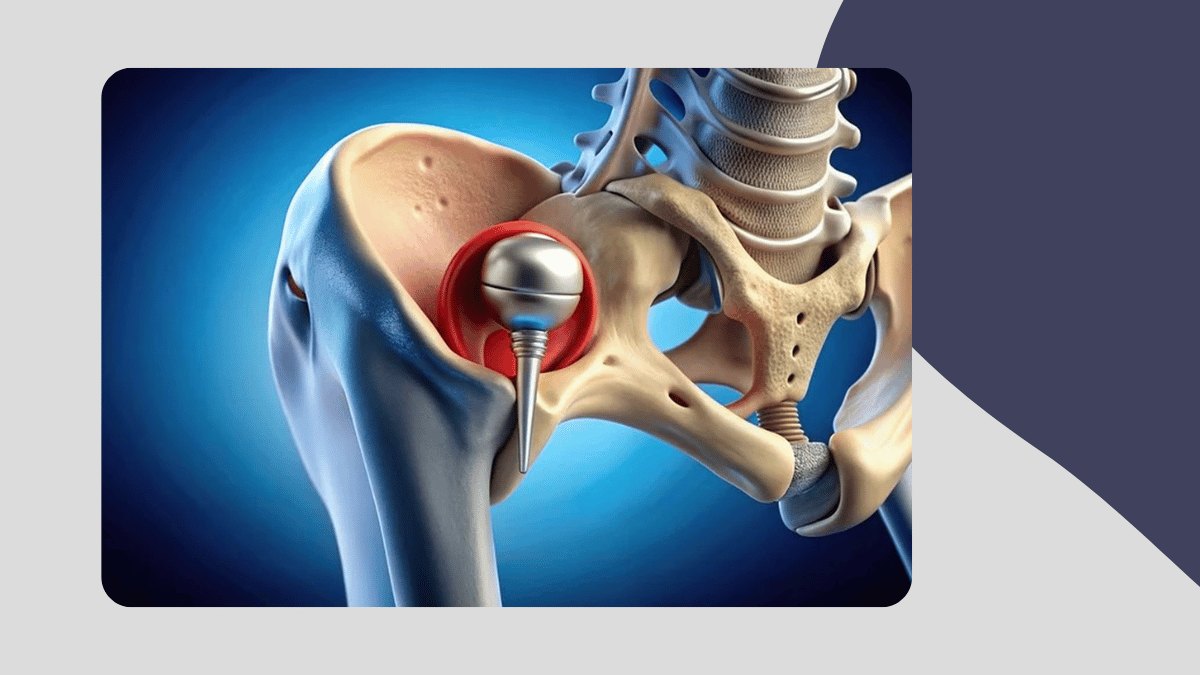
Total Hip Replacement (THR) is a surgical procedure designed to relieve pain and restore mobility in individuals suffering from severe hip joint damage. Whether due to arthritis, injury, or other degenerative conditions, this procedure can significantly improve quality of life. Dr. Ravikumar, Consultant Orthopedic and Joint Replacement Surgeon at SPARSH Hospitals, specializes in advanced hip replacement techniques, ensuring precision-driven outcomes and faster recovery.
Indications for a Total Hip Replacement:
Several conditions can lead to hip joint deterioration, making total hip replacement necessary:
- Osteoarthritis – The most common cause, where cartilage breakdown leads to joint pain and stiffness.
- Rheumatoid Arthritis – An autoimmune condition that causes inflammation, pain, and joint damage.
- Avascular Necrosis – A condition where reduced blood supply leads to bone deterioration.
- Hip Fractures or Injuries – Severe fractures that do not heal properly may require surgical intervention.
- Degenerative Joint Disease – Progressive wear and tear on the hip joint over time.
Total Hip Replacement surgery process:
1. Pre-surgical evaluation
Before surgery, patients undergo a thorough medical assessment, including X-rays, MRIs, and blood tests to determine the extent of hip damage and suitability for surgery.
2. Surgical procedure
- Anesthesia – General or spinal anesthesia is administered.
- Incision & Joint Access – A precise incision is made to access the damaged hip joint.
- Removal of Damaged Bone & Cartilage – The damaged femoral head is removed, and the hip socket is prepared.
- Implant Placement – A prosthetic hip joint, made of metal, ceramic, or plastic, is securely placed.
- Closure & Recovery – The incision is closed, and the patient is moved to recovery.
- Post-Surgery Recovery & Rehabilitation
Recovering from a Total Hip Replacement requires proper rehabilitation and care:
- Hospital Stay – Most patients stay for 2-4 days post-surgery.
- Physical Therapy – Early mobilization with guided exercises to restore strength and movement.
- Pain Management – Medications and therapy to control discomfort.
- Activity Modification – Avoid high-impact activities; follow doctor’s guidelines for safe movements.
- Long-Term Recovery – Full recovery may take 3-6 months, with gradual improvement in mobility.
Why Choose Dr. Ravikumar for Total Hip Replacement?
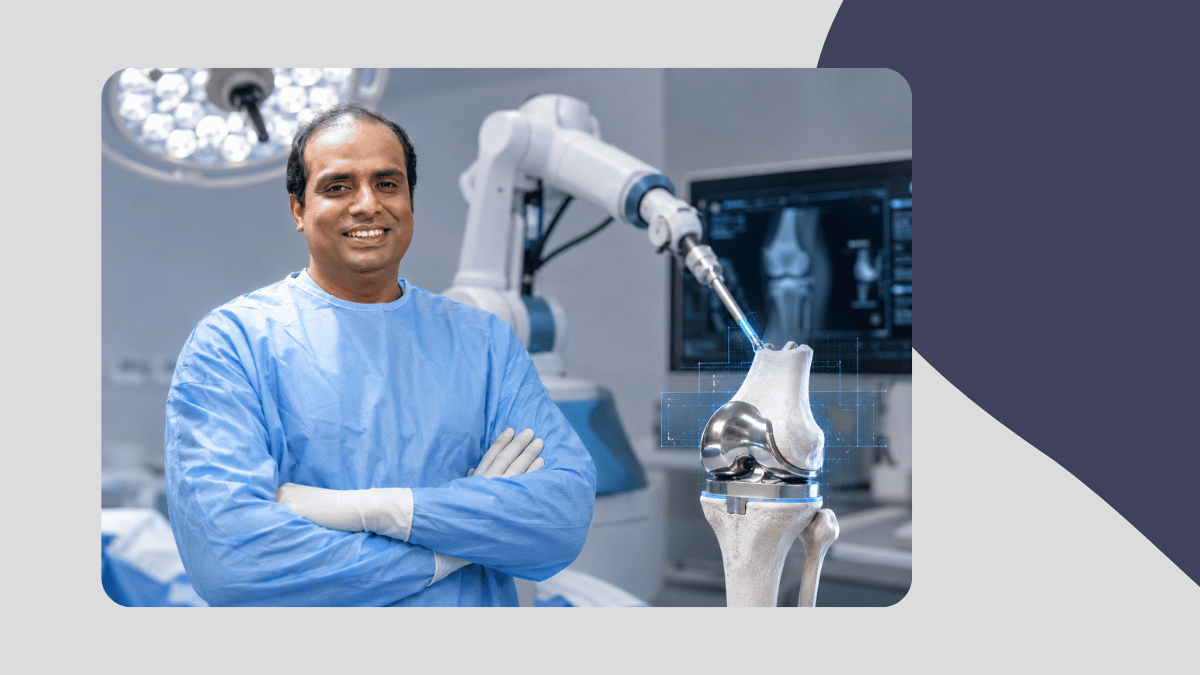
With extensive training in joint replacement surgery from India and Germany, Dr. Ravikumar is experienced in performing both primary and revision hip replacements. As a certified MAKO robotic surgeon, he employs advanced technology for precise, minimally invasive procedures that ensure faster recovery and better patient outcomes.
Conclusion:
Total hip replacement is a life-changing procedure that can help patients regain mobility and live pain-free. If you're experiencing persistent hip pain and limited movement, consult Dr. Ravi Kumar at SPARSH Hospitals to explore the best treatment options tailored to your needs.

Add a Comment