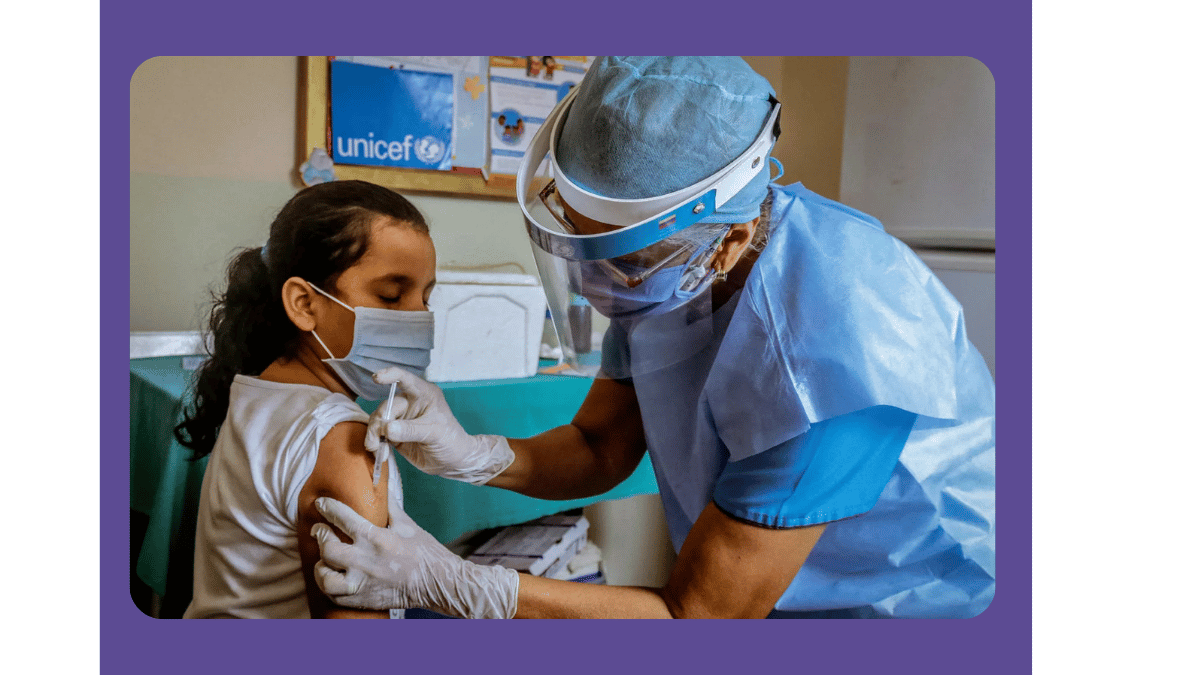
Vaccination is the clinical intervention that has done more to reduce childhood morbidity and mortality in Karnataka and across India than any other single medical advance, and at my practice in Vijayapura over 13 years, it has been both the most consistently requested and the most consistently misunderstood aspect of preventive paediatric care. The misunderstanding is almost always the same: families who have completed the government immunisation schedule, which is provided free of charge through the National Immunisation Programme and covers the essential vaccines against the highest-burden childhood diseases, believe that their child is fully vaccinated. They are partially right. The government schedule provides excellent protection against tuberculosis, polio, diphtheria, pertussis, tetanus, hepatitis B, measles, and rubella. But it does not include protection against pneumococcal disease, rotavirus, varicella, hepatitis A, typhoid, or influenza. The IAP recommended schedule, published and updated by the Indian Academy of Pediatrics, adds these vaccines to produce the most comprehensive protection available for children in India. My IAP membership and IAP PAAC credential keep me current with the most recent IAP guidance, and at every vaccination visit at Mano-Jyothi Clinic, Vijayapura, I explain to families both what each vaccine protects against and why the IAP schedule is the recommendation I follow alongside the government schedule. For families in Vijayapura who want their child to have the most complete protection that modern immunisation science can offer, understanding the difference between the government schedule and the IAP recommended schedule is the first step.
Vaccines Most Relevant for Vijayapura's Disease Burden: Typhoid, Hepatitis A, and Varicella
In Vijayapura's district setting, where water supply quality varies across urban and rural areas, where food hygiene standards differ from those of major metropolitan centres, and where the healthcare infrastructure for managing serious childhood infections is less extensive than in Bengaluru or Hubli, the specific vaccines that most change the clinical risk picture for Vijayapura children are typhoid, hepatitis A, and varicella. Typhoid fever, caused by Salmonella typhi transmitted through contaminated water and food, remains endemic in many parts of Karnataka and is a more significant clinical risk in a district setting where untreated or intermittently treated water is consumed. The typhoid vaccine, injectable Vi polysaccharide or the newer Vi-conjugate vaccine, provides meaningful protection and is included in the IAP recommended schedule from six months of age. Hepatitis A, transmitted through contaminated water, food, and the faecal-oral route, causes acute hepatitis that in children is usually self-limiting but can rarely be severe, and that in adolescents and adults produces more prolonged and significant illness. In Vijayapura, where communal water sources and shared food preparation in large families are part of daily life, hepatitis A vaccination from one year of age protects children in the period when they are most likely to encounter the virus before their immune system has been naturally exposed. Varicella, chickenpox, is a disease whose primary burden is measured in school absenteeism, parental work loss, and secondary bacterial skin infection in the typical child, but whose consequences for a child with asthma, eczema, or any chronic condition requiring steroid treatment can be significantly more severe. Varicella vaccination from 15 months of age eliminates this risk entirely. In a district setting where isolation of a child with chickenpox from siblings, cousins, and neighbourhood contacts in shared housing is practically difficult, the vaccine is the most reliable protection available.
High-Risk Child Vaccination and Addressing Vaccine Hesitancy in Vijayapura's Families
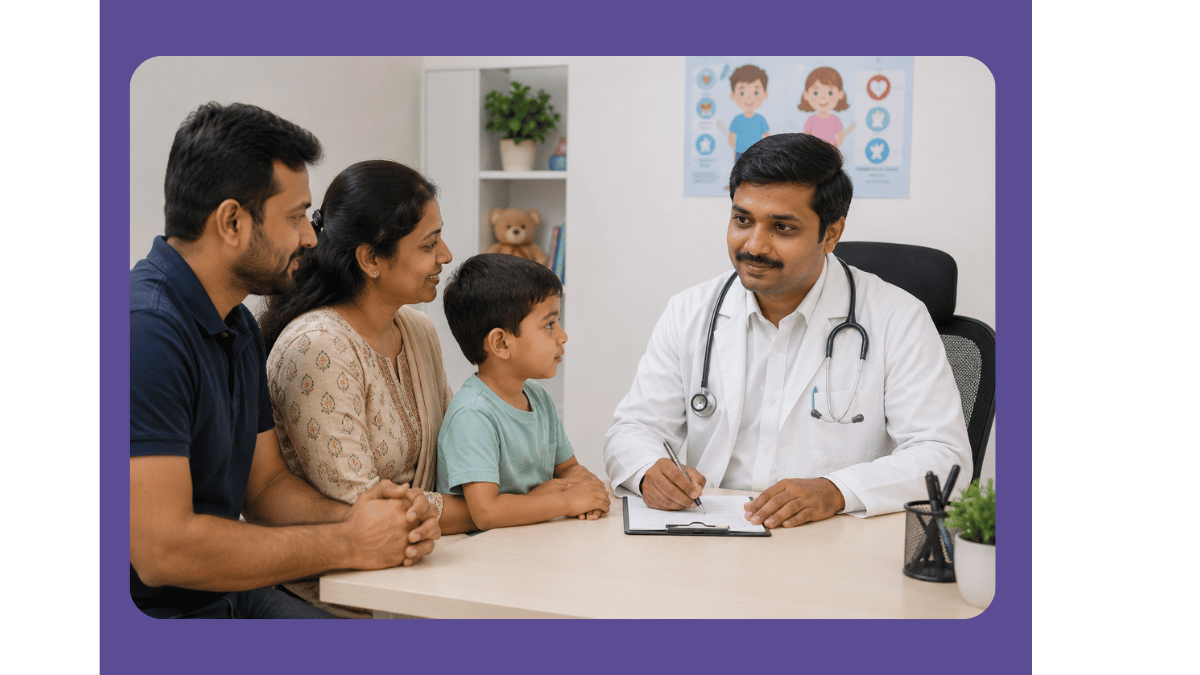
The high-risk child, the child with asthma, recurrent wheeze, eczema, or any chronic condition that increases the severity of common childhood infections, has a more specific vaccination need than the standard healthy child, and this is the clinical dimension that my IAP PAAC training most directly informs. The FAQ on this profile explains the specific influenza and pneumococcal vaccine recommendation for asthmatic children at FAQ length. At the consultation level, what this means in practice is that every child I manage with asthma or recurrent respiratory disease receives a specific vaccination review at each follow-up: is the annual influenza vaccine due, is pneumococcal coverage complete, is the varicella vaccine given, and for adolescents with asthma, is the tdap booster up to date for pertussis protection. Viral respiratory infections, and influenza in particular, are among the most common triggers for acute severe asthma in children. A preventable infection that could have been prevented by a vaccine is a preventable asthma exacerbation. Vaccine hesitancy in Vijayapura's families, when it arises, takes a specific form that reflects the concerns of this population: worry that too many vaccines at once are harmful, that vaccines contain harmful ingredients, that the diseases they protect against are not common in this area so the vaccines are unnecessary, or that natural immunity from having the disease is better than vaccine immunity. Each of these concerns deserves a specific, honest, evidence-based response rather than dismissal. A parent who feels heard and whose specific concern is addressed with respect and clarity is a parent who is more likely to complete their child's vaccination schedule and to bring younger siblings for vaccination in the future. This is the approach at Mano-Jyothi Clinic, Vijayapura: vaccination as a conversation, not a transaction.
To book a paediatric consultation with Dr. Shivakumar Indi at Mano-Jyothi Clinic, Ganapati Chowk, Kori Chowk, Vijayapura, Karnataka 586101 (Monday to Saturday, 7:00 PM to 9:00 PM), call +91 7795597484.
Written by Dr. Shivakumar Indi, MBBS (KIMS Bellary), MD Pediatrics (KIMS Hubli), IAP PAAC (Indian Academy of Pediatrics, Paediatric Asthma and Allergy Care), Consultant Paediatrician, Mano-Jyothi Clinic, Ganapati Chowk, T L Building, Kori Chowk, Atal Bihari Vajpayee Road, Vijayapura, Karnataka 586101. Monday to Saturday, 7:00 PM to 9:00 PM. 13+ years. 10,000+ patients. Phone: +91 7795597484.
Related reading
Meet Dr. Shivakumar Indi: 13+ Years of Trusted Paediatric Care in the Heart of Vijayapura

Add a Comment