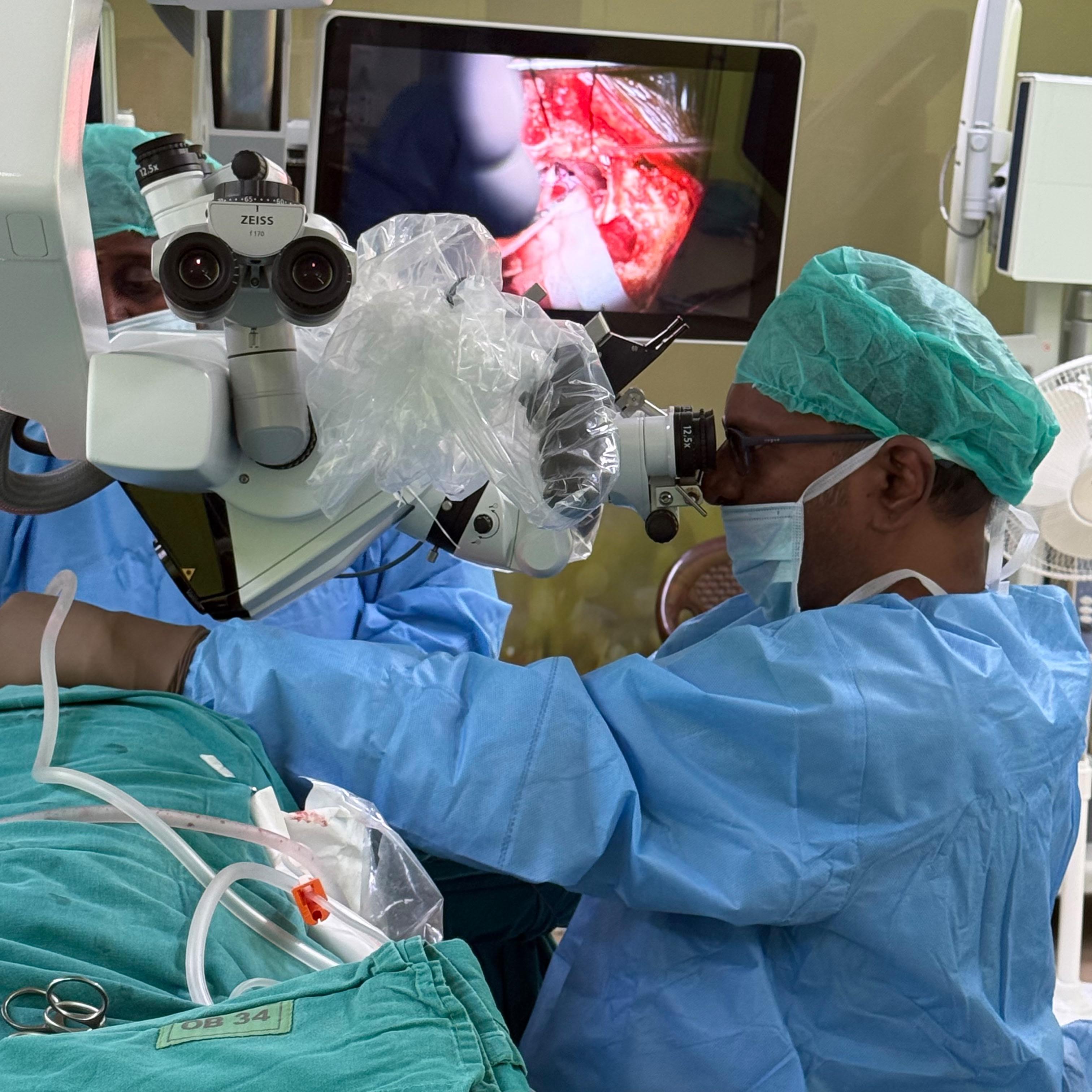
June 8 is World Brain Tumour Day. I want to use this day not to alarm anyone, but to inform. Brain tumours are among the most feared neurological diagnoses, and that fear is often larger than the clinical picture warrants.
In 25 years of neurosurgical practice as a brain tumour specialist in Coimbatore at Sri Ramakrishna Hospitals, I have learned that what patients need most is not reassurance. It is accurate, honest information delivered calmly. That is what this piece is for.
A Pattern I Have Seen Many Times in My Practice
The consultations I find most difficult are not the technically complex cases. They are the ones where a family tells me the symptoms began six months ago. A persistent headache attributed to stress. An episode of confusion put down to fatigue. A subtle change in personality that everyone noticed but nobody acted on.
In neurosurgery, early evaluation consistently changes outcomes.
The tumour I see at two centimetres is a very different surgical problem from the same tumour at five. What delays that evaluation is almost never a lack of symptoms. It is a lack of awareness about which symptoms matter.
Which Warning Signs Should Never Be Ignored?
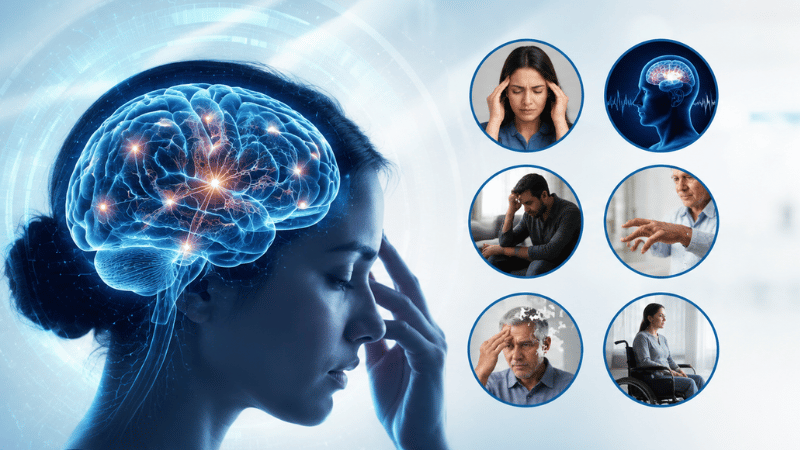
- These are the symptoms I advise every family to take seriously:
- A headache that is new, persistent, worst in the morning, or wakes you from sleep
- A first seizure in an adult with no prior epilepsy history
- Weakness, clumsiness, or numbness on one side of the body
- Unexplained changes in vision, speech, or balance
- Memory loss or personality change that family members notice before the patient does
- Nausea and vomiting that accompany headache without an obvious cause
None of these symptoms automatically mean a brain tumour. But each of them means: do not wait. Seek a neurological evaluation this week.
Not All Brain Tumours Are the Same
This is the point I make in almost every first consultation after a brain tumour diagnosis. Brain tumours range from slow-growing benign lesions to aggressive malignant tumours requiring urgent multimodal treatment.
A small meningioma in an elderly patient with no symptoms may be monitored without intervention for years. A high-grade glioma in a working adult requires surgery, radiation, and chemotherapy in a coordinated treatment plan. The word tumour on a report tells us very little. The location, type, grade, and what it is pressing on tell us everything.
What Modern Surgical Treatment Involves
Treatment has evolved significantly over the past two decades. Minimally invasive neurosurgery and keyhole techniques now allow many brain tumours to be reached through smaller openings with less disruption to surrounding tissue, shorter hospital stays, and faster recovery.
Endoscopic brain surgery, image-guided navigation, and intraoperative monitoring have made surgery safer and more precise. For selected tumours in deep or eloquent locations, stereotactic radiosurgery can treat the lesion without any incision at all. My practice at Sri Ramakrishna Hospitals, Coimbatore, combines these approaches with careful pre-operative planning and a multidisciplinary team including neurology, oncology, and rehabilitation to provide advanced brain tumour treatment in Coimbatore.
What This Day Means to Me
I have been practising neurosurgery for 25 years. I have seen brain tumours in patients as young as four and as old as eighty-two. The families who come early have more options. More surgical options. More treatment options. More time.
Early evaluation is not overreacting. It is the most important decision a patient or family can make when something feels neurologically wrong. If you have been putting off a consultation for a symptom that has been present for weeks, this is a gentle reminder that there is no advantage in waiting.
Frequently Asked Questions About Brain Tumours
Can headaches mean a brain tumour?
Most headaches are not caused by brain tumours. However, headaches that are persistent, worse in the morning, associated with vomiting, or accompanied by neurological symptoms should be evaluated promptly.
Are all brain tumours cancerous?
No. Some brain tumours are benign and slow-growing, while others are malignant and aggressive. Proper diagnosis depends on imaging, clinical evaluation, and sometimes biopsy.
What is the first symptom of a brain tumour?
The earliest symptoms vary depending on the tumour location. Common early symptoms include persistent headaches, seizures, memory changes, weakness, balance problems, or personality changes.
When should I see a neurosurgeon?
You should seek a neurological evaluation if symptoms such as seizures, unexplained headaches, weakness, speech changes, or vision problems persist or worsen.
Can brain tumours be treated without surgery?
Yes. Some tumours can be monitored safely, while others may be treated with radiation therapy or stereotactic radiosurgery depending on their type and location.
Written by Dr Vikram Muthu Subramanian, MBBS, DNB Neurosurgery, Fellowship in Stereotaxy and Functional Neurosurgery (Jaslok Hospital), Neurosurgeon, Sri Ramakrishna Hospitals, Siddhapudur, Coimbatore.
Related reading:
linqmd.com/doctor/vikram-muthu-subramanian/blog/transforming-access-preserving-precision
linqmd.com/doctor/vikram-muthu-subramanian/blog/when-a-tiny-gland-makes-a-big-noise-dr-vikram-on-pituitary-tumors
To book a consultation with Dr Vikram Muthu Subramanian at Sri Ramakrishna Hospitals or Inhouse Medicare Arrow, Coimbatore, call +91 7548-820720 or visit linqmd.com/doctor/vikram-muthu-subramanian



Add a Comment