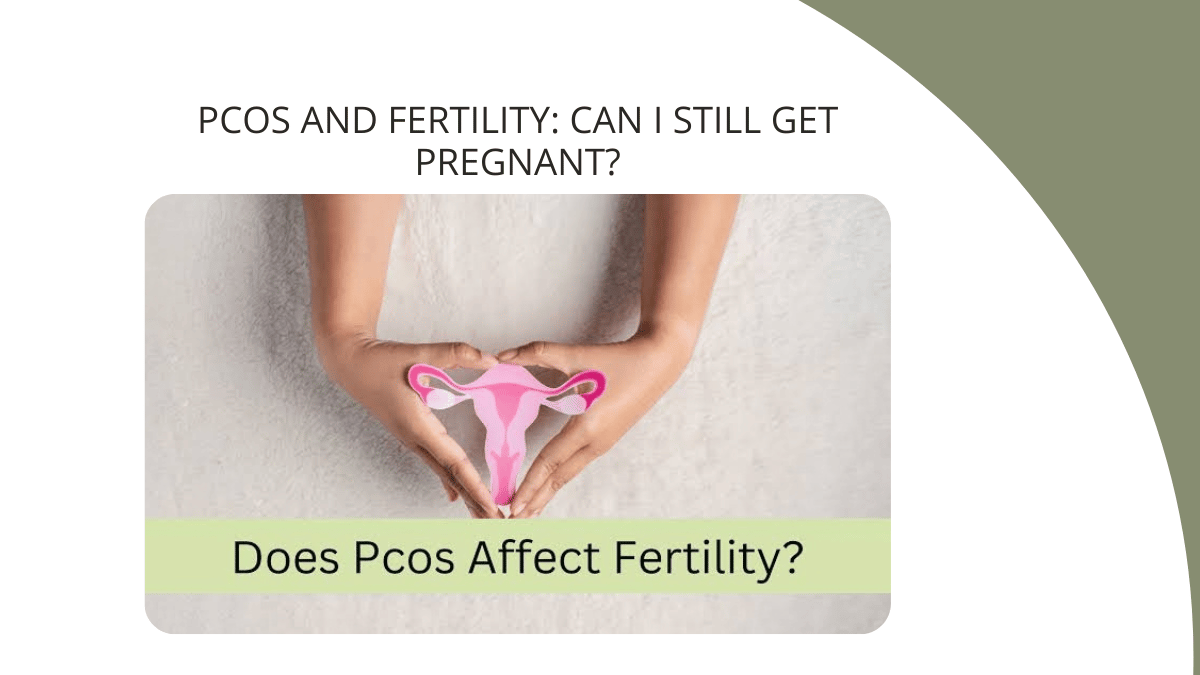
One of the first questions I am asked by a woman who has just received a PCOS diagnosis is whether she can still get pregnant. The short answer is yes, most women with PCOS can conceive, and PCOS is one of the most treatable causes of fertility difficulties that I see at Kiran Speciality Hospital, Hassan. The longer answer requires understanding what PCOS actually does to ovulation and what treatment options are available when natural conception is not occurring as expected. I want to give you that full picture here, because a PCOS diagnosis is not a diagnosis of infertility, and understanding the difference changes how women approach both their fertility and the rest of their PCOS management.
How PCOS Affects Ovulation and Conception
PCOS disrupts the hormonal signals that regulate the monthly ovarian cycle. In a normal cycle, follicles develop in the ovary, one matures and releases an egg at ovulation, and the lining of the uterus prepares for implantation. In PCOS, elevated androgens and insulin resistance interfere with this process. Multiple small follicles develop but frequently none matures fully and releases an egg. The result is irregular or absent ovulation, which means that the window of fertility is unpredictable or absent entirely. A woman with PCOS who ovulates irregularly, perhaps every 35 or 60 or 90 days, is still fertile during those ovulatory cycles; the challenge is that conception depends on timed intercourse or assisted conception during the infrequent fertile windows. The first step in fertility assessment for any woman with PCOS is to confirm whether ovulation is occurring and, if so, how frequently.
Natural Conception with PCOS: What Helps
Before any medical treatment is considered, lifestyle-based optimisation of ovulation is always the starting point. In women with PCOS and excess weight, even a modest weight loss of five to ten percent of body weight can restore regular ovulation in a significant proportion of cases. This is because weight loss improves insulin sensitivity, reduces circulating androgens, and normalises the hormonal environment in a way that allows the ovarian cycle to regulate itself. The dietary approach that works best in PCOS, focused on lower glycaemic index foods and insulin load reduction rather than simple calorie restriction, supports both weight management and the hormonal changes that promote ovulation. This is why my management of PCOS fertility always begins with a full metabolic assessment alongside the gynaecological one.
Ovulation Induction: When Lifestyle Is Not Enough
When lifestyle optimisation alone does not restore regular ovulation within three to six months, or when a woman is ready to conceive and does not want to wait, ovulation induction is the next step. Ovulation induction uses medication to stimulate the ovary to develop and release a mature egg in a controlled, timed way. The most commonly used agent is letrozole, an aromatase inhibitor that has become the preferred first-line ovulation induction medication for PCOS because of its better ovulation and pregnancy rates compared to the older agent clomiphene citrate. Letrozole is taken on specific days of the cycle, and ovarian follicle monitoring through transvaginal ultrasound confirms when ovulation has occurred. In the majority of women with PCOS, ovulation induction with letrozole produces a mature follicle within the first three cycles. Most women with PCOS who respond to ovulation induction conceive within six cycles of treatment, which makes this approach effective, accessible, and straightforward.
When to Seek a Fertility Consultation at Kiran Speciality Hospital, Hassan
If you have been diagnosed with PCOS and have been trying to conceive for 12 months without success (or six months if you are over 35), a fertility consultation is appropriate. If your cycles are very irregular (more than 35 days apart consistently) or absent, there is no need to wait 12 months before seeking assessment, because you may not be ovulating regularly and time spent waiting may be time without a fertile cycle. A fertility evaluation at Kiran Speciality Hospital, Hassan, covers ovarian reserve assessment, hormonal profile, a pelvic ultrasound to assess the ovaries and uterus, and where needed, semen analysis for the partner. From this assessment, a clear, personalised plan is developed. PCOS fertility treatment in Hassan does not have to mean IVF, and for many women it does not. Starting with the right evaluation and the most appropriate first step saves time and unnecessary intervention.
To book a PCOS or fertility consultation with Dr. Vineetha Kiran at Kiran Speciality Hospital, Hosaline Road, Hassan 573201 (Monday to Saturday, 11:00 AM to 2:30 PM and 6:00 PM to 7:30 PM), call +91 8172 296348.
Written by Dr. Vineetha Kiran, MBBS, MS Obstetrics and Gynaecology (Gold Medalist, KMC Mangalore University), Consultant Obstetrician, Gynaecologist and Cosmetic Gynaecologist, Kiran Speciality Hospital, near Basaveshwara Kalyana Mantapa, opposite Venkateshwara High School, Hosaline Road, Hassan 573201, Karnataka. 20+ years. 10,000+ patients. Phone: +91 8172 296348 / +91 8172 272564.
Related reading
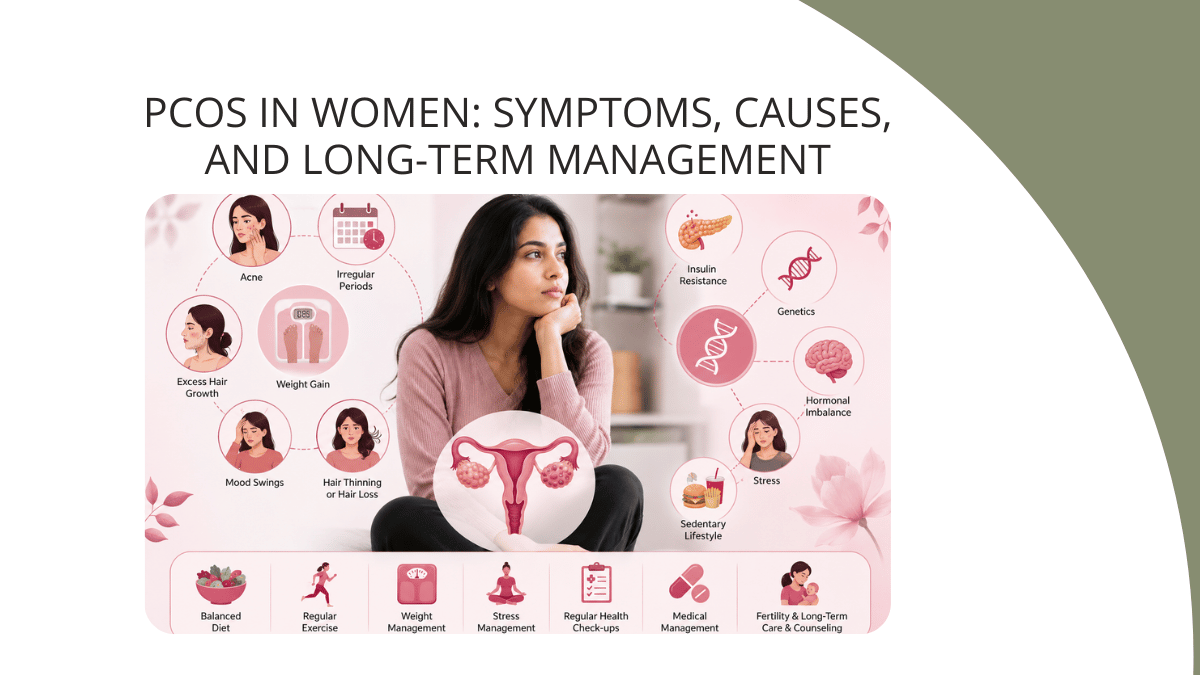
PCOS (PMOS) in Women: Symptoms, Causes, and Long-Term Management
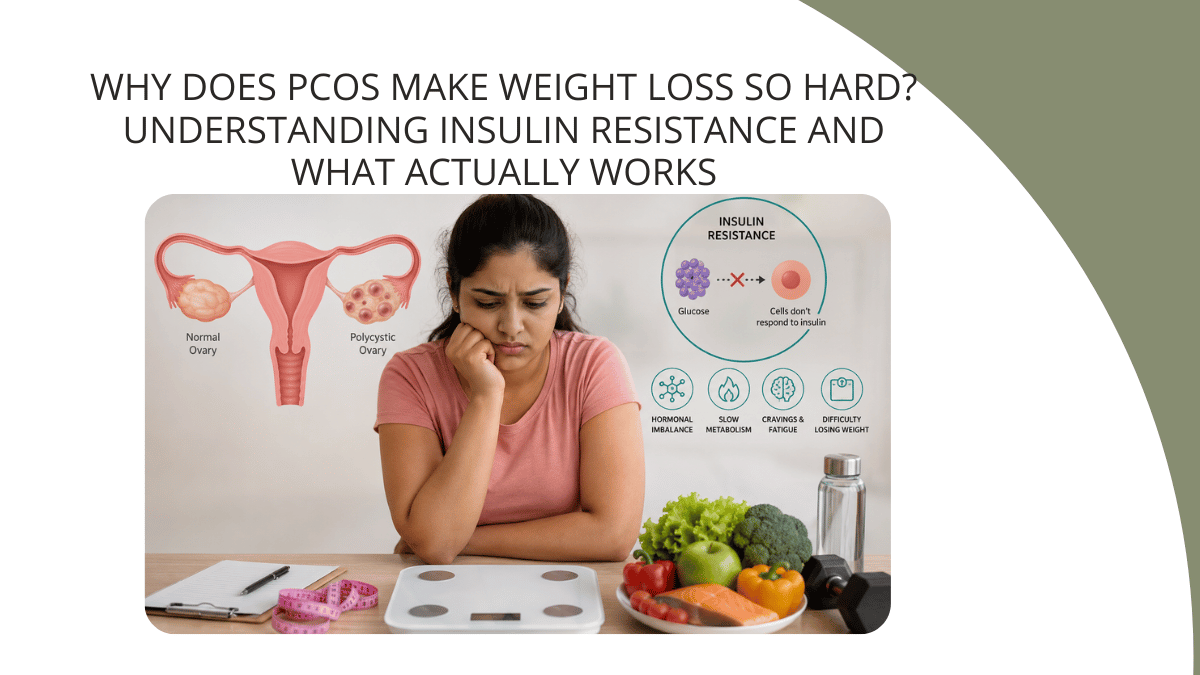
Why Does PCOS Make Weight Loss So Hard? Understanding Insulin Resistance and What Actually Works

Add a Comment