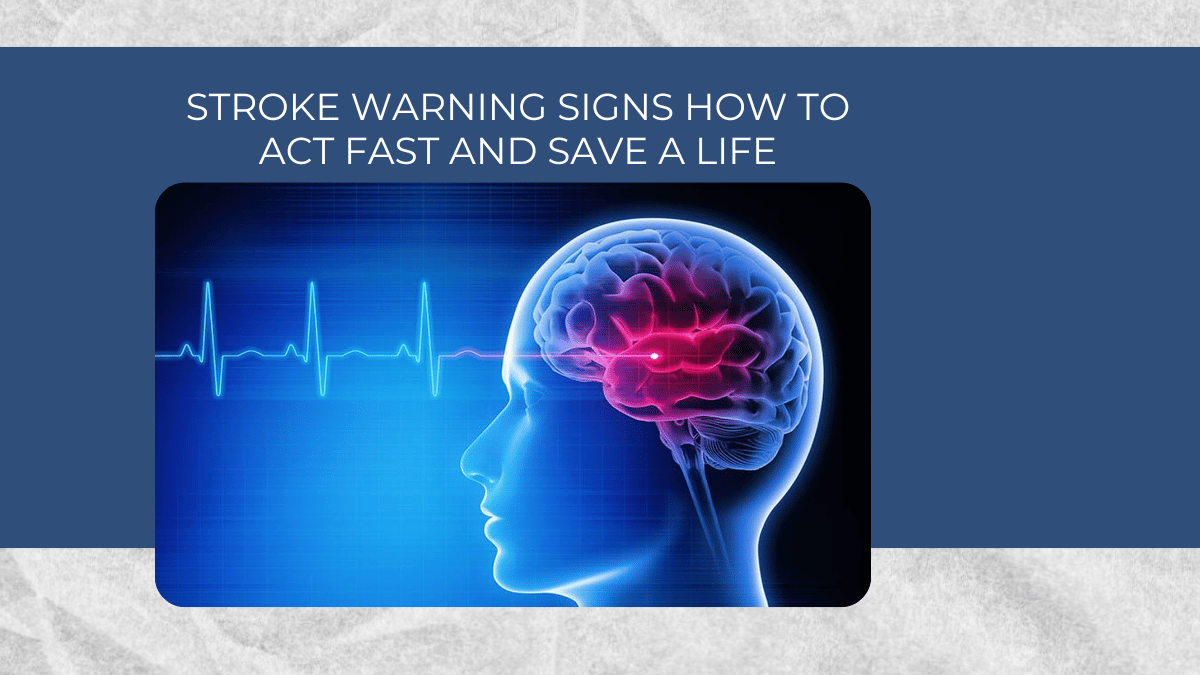
A stroke is one of the most urgent medical emergencies we see in neurology. It can happen suddenly and change a person’s life within minutes. But here’s the good news: acting quickly can save the brain, reduce disability, and even save lives.
Many families ask me, “How do I know if someone is having a stroke?” The answer is simple remember the word FAST. It’s an easy way to spot the warning signs and reminds you to call for help without delay.
What is a Stroke?
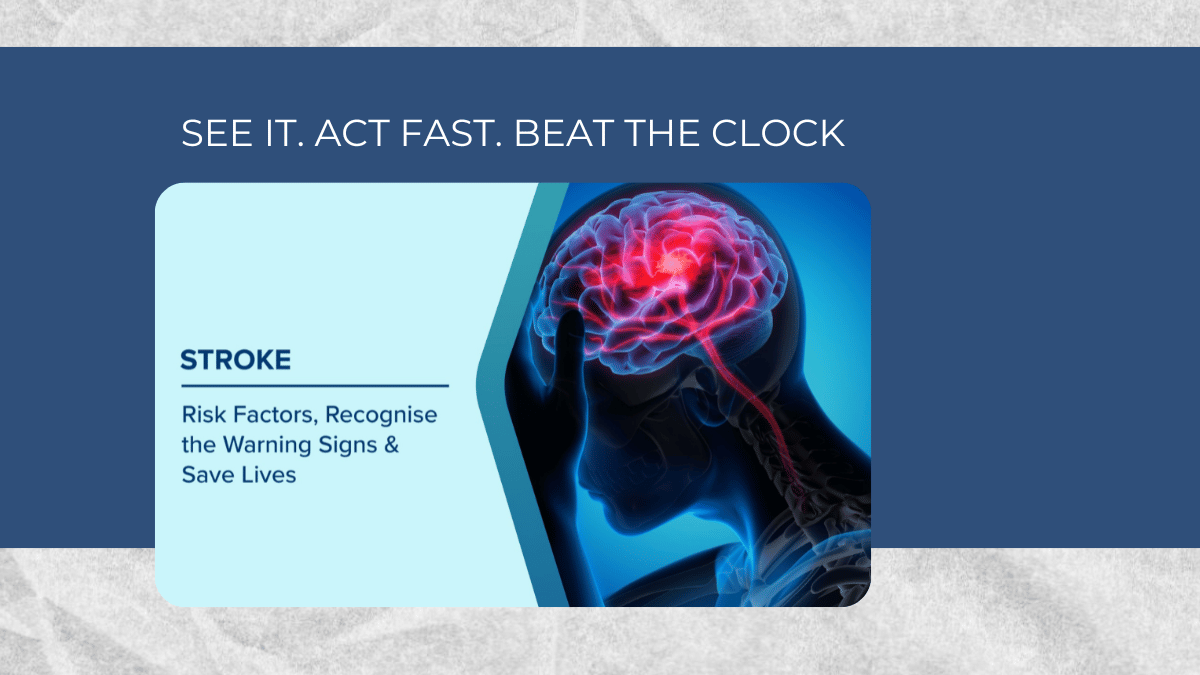
A stroke occurs when blood flow to part of the brain stops, either because of a blocked blood vessel (ischemic stroke) or a burst blood vessel (hemorrhagic stroke). Without oxygen-rich blood, brain cells start dying within minutes. This is why time is brain the sooner treatment starts, the better the outcome.
Learn the FAST Warning Signs:
F – Face Drooping: Ask the person to smile. Does one side of their face look uneven or droop down?
A – Arm Weakness: Ask them to raise both arms. Does one arm drift downward or feel numb?
S – Speech Difficulty: Is their speech slurred or hard to understand? Can they repeat a simple sentence clearly?
T – Time to Call for Help: If you see any of these signs, call emergency services immediately. Don’t wait — every second counts.
Many people make the mistake of waiting to see if the symptoms go away. Please don’t. Some strokes start mild but worsen quickly. Getting medical help within the first golden hour can prevent severe brain damage and disability.
Other Possible Stroke Symptoms:
While FAST covers the most common signs, some people may also experience sudden:
Vision problems in one or both eyes
Confusion or trouble understanding speech
Severe headache with no known cause
Sudden dizziness, loss of balance, or trouble walking
If you notice any of these, treat it as an emergency.
Why Acting Fast Matters:
Modern stroke treatment has advanced greatly. If a patient reaches the hospital quickly enough, doctors can use clot-busting medication (thrombolysis) or special procedures (mechanical thrombectomy) to restore blood flow. These treatments work best within a few hours of the first symptom.
Every minute of delay can mean millions of brain cells lost. That’s why knowing the signs and acting FAST can make the difference between a full recovery and lifelong disability.
What You Can Do:
Teach your family and friends about FAST.
Save your local emergency number on your phone.
Keep medical records and allergy information handy in case of emergencies.
If you have risk factors like high blood pressure, diabetes, or smoking manage them well to lower your risk.
Stroke can affect anyone, young or old. Recognizing the signs and acting without hesitation is the best way to protect your loved ones. If you ever suspect a stroke, remember: Don’t wait act FAST!
If you’d like to learn more about stroke prevention or recovery, my team and I are always here to help.

Add a Comment