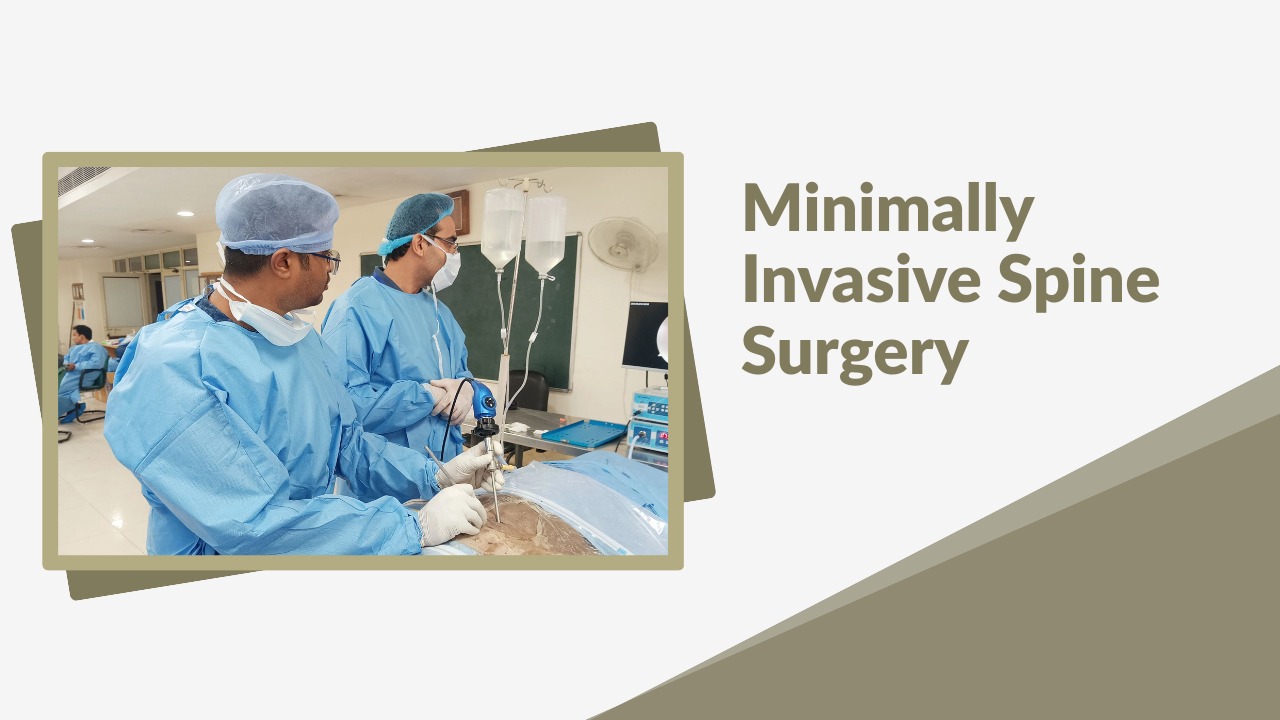
Over the last decade, Minimally Invasive Spine Surgery (MISS) has transformed the way we treat spine conditions. As a spine surgeon, I’ve witnessed how this technique reduces pain, speeds up recovery and helps patients return to normal life much sooner than traditional open surgery. MISS uses small keyhole incisions, specialised instruments and advanced navigation systems to treat complex spinal problems with minimal disruption to muscles, bones and surrounding tissues.
One of my recent patients, 40-year-old Ram, perfectly illustrates the difference MISS can make. Ram, a software engineer, had been struggling with severe back pain radiating into his left leg for almost a year. His MRI revealed a large lumbar disc herniation compressing the nerve root. Pain medications and physiotherapy gave him temporary relief, but the symptoms kept coming back, affecting his work, sleep and family life. After a detailed discussion, we decided that minimally invasive discectomy would offer him the best long-term solution.
Why Minimally Invasive Spine Surgery?
MISS is designed to achieve the same goals as open surgery, decompression, stabilisation or correction—while avoiding extensive muscle cutting or bone removal. This results in:
- Smaller incisions (1–2 cm)
- Less blood loss
- Reduced postoperative pain
- Lower risk of infection
- Fewer complications
- Shorter hospital stay
- Faster return to work and daily activities
Patients like Ram often walk within hours after surgery and usually go home the next day.
Common Conditions Treated With MISS
In my practice, MISS is used for a wide range of spine problems, including:
- Slip disc (lumbar or cervical)
- Sciatica
- Spinal stenosis
- Spondylolisthesis
- Certain spine tumors
- Infections
- Compression fractures
- Early spinal deformities
With advanced technology such as navigation, endoscopy, robotics and tubular retractors, we can treat complex issues with high precision.
Ram’s Journey With MISS
On the day of surgery, Ram underwent a minimally invasive lumbar discectomy through a tiny incision using a tubular retractor system. We removed the herniated disc fragment compressing his nerve without disturbing the surrounding muscles.
Within a few hours, Ram was able to walk with minimal discomfort. His leg pain, which had troubled him for months, had almost vanished. He returned home the next day and resumed office work within two weeks. His story is one of the many examples demonstrating the effectiveness of MISS.
What to Expect After MISS
Recovery is typically smooth, but it requires:
- Light walking and mobility exercises
- Avoiding heavy lifting for a few weeks
- Maintaining proper posture
- Physiotherapy to strengthen core muscles
Most patients return to full activity within 4–6 weeks.
Final Thoughts
Minimally Invasive Spine Surgery has become a game-changer in spinal care. From my experience, when used for the right indications, MISS offers excellent outcomes with faster healing, fewer complications and improved patient satisfaction. If persistent back or leg pain is affecting your quality of life like it did for Ram, timely evaluation and modern minimally invasive options may help you reclaim a healthy, active lifestyle.
Add a Comment