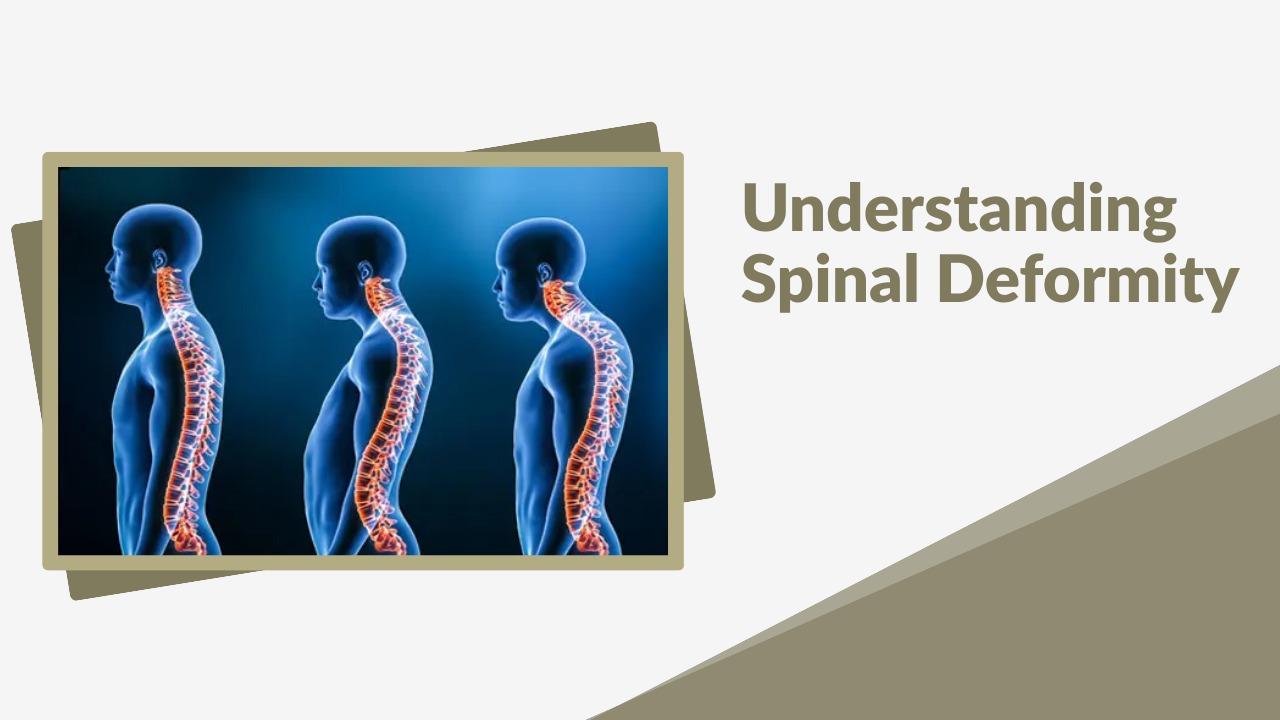
Spinal deformity is a condition I see frequently in my practice, and over the years, I’ve learned that it affects far more than just posture. It impacts confidence, mobility, breathing, and overall quality of life. While many people assume spinal deformities affect only adolescents, I often meet adults who struggle silently for years before seeking help. One such patient was 26-year-old Rita, whose journey beautifully highlights the importance of timely diagnosis and modern treatment options.
Rita came to me with persistent back pain, uneven shoulders, and gradually increasing difficulty in maintaining balance. She worked in marketing and spent long hours standing and presenting. Over time, she noticed visible curvature in her back and frequent fatigue. After a detailed clinical evaluation and full-spine imaging, she was diagnosed with adolescent idiopathic scoliosis that had progressed into adulthood—a form of spinal deformity that continues to worsen if left untreated.
What Exactly Is Spinal Deformity?
Spinal deformity refers to abnormal alignment or curvature of the spine. The most common types include:
- Scoliosis – sideways curvature
- Kyphosis – exaggerated forward rounding
- Lordosis abnormalities – excessive inward curvature
- Complex deformities – combination curves involving cervical, thoracic and lumbar spine
These conditions may result from genetics, poor posture, neuromuscular diseases, injuries, or age-related degeneration.
Symptoms You Should Watch For
While some deformities are easily visible, others develop subtly. Symptoms include:
- Uneven shoulders or hips
- Prominent ribs or shoulder blades
- Chronic neck or back pain
- Difficulty standing straight
- Fatigue or muscle weakness
- Breathing difficulties in severe curves
Rita initially ignored her symptoms, attributing them to work stress. By the time she visited me, her spine had progressed to a curve that required a structured treatment plan.
Diagnosis and Assessment
Diagnosis involves:
- Clinical examination
- Full spine X-rays for curve measurement
- MRI scans to assess nerve compression
- Posture and gait analysis
In Rita’s case, her imaging showed a progressive thoracolumbar curve that was affecting her posture and causing early nerve irritation.
Treatment Options for Spinal Deformity
Treatment depends on age, severity, symptoms and progression rate. These include:
1. Conservative Treatment
- Physiotherapy and posture correction
- Bracing in specific cases
- Core strengthening and targeted exercises
- Pain management strategies
For mild curves, these methods help improve balance, stability and comfort.
2. Surgical Management
When deformity progresses or causes neurological symptoms, surgery becomes necessary. Modern techniques such as:
- Navigation-guided correction
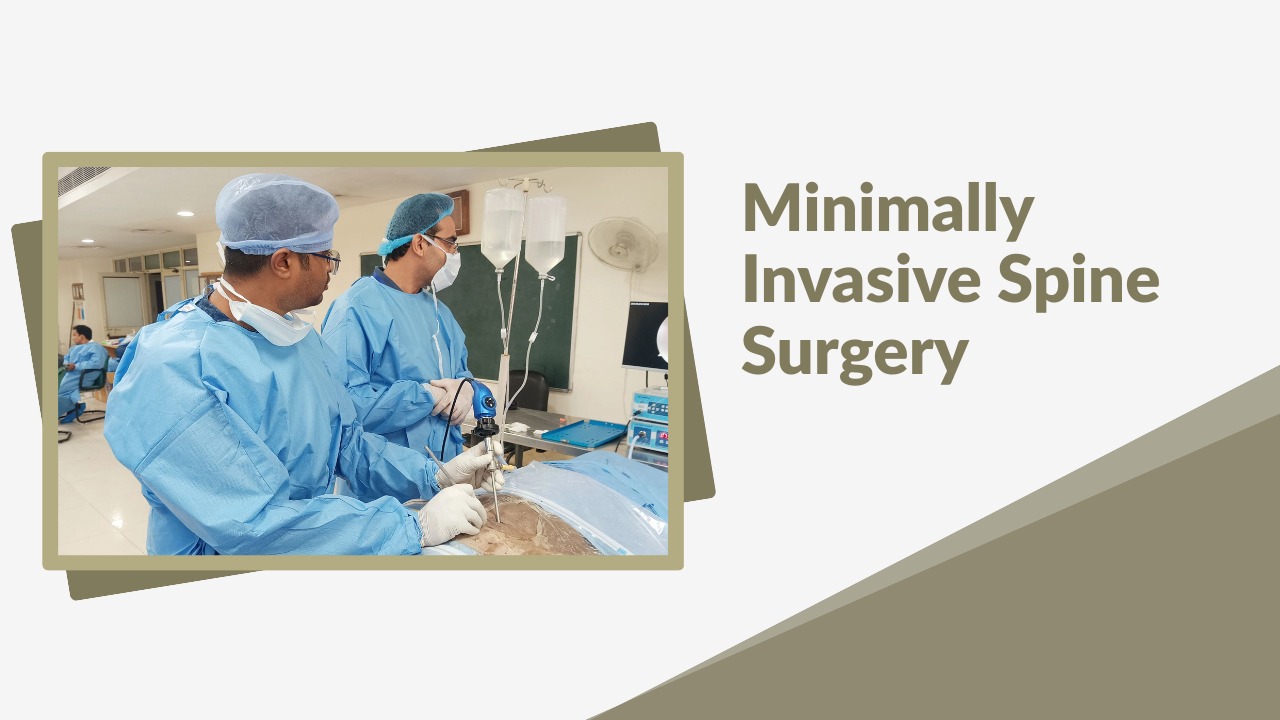
- Minimally invasive deformity surgery
- Osteotomies for rigid curves
- Advanced instrumentation for safe alignment
allow precise correction with improved safety and outcomes.
For Rita, considering her age, symptoms and curve progression, we opted for surgical correction. Post-surgery, her posture improved significantly, her pain reduced, and her confidence returned. Within months, she resumed work and now leads an active, balanced life.
Conclusion
Spinal deformity can be life-altering, but with timely diagnosis and modern treatment options, patients can regain alignment, function and confidence. Rita’s journey is a reminder that early intervention helps prevent long-term complications. If you notice persistent back pain, imbalance or visible curvature, don’t ignore the signs, seek expert care early. With the right guidance and treatment, a healthy, well-aligned spine is absolutely achievable.
Add a Comment