Management includes continuous neurological monitoring, ventilation support if needed, seizure control, intracranial pressure management, and multidisciplinary care to prevent complications and support recovery in critically ill children.

Dr. Preeti Gaddad
Consultant Pediatrician & Pediatric Intensive Care Specialist
MBBS | MD Pediatrics | IDPCCM | Pediatric Bronchoscopy | DPAA
8+ years experience
15000 + patients

About Dr. Preeti Gaddad
Dr. Preeti Gaddad is a highly skilled Pediatrician and Pediatric Critical Care Specialist known for her exceptional clinical acumen, empathetic approach, and advanced training in child health. She holds an MBBS from Bangalore Medical College, an MD in Pediatrics from Lady Hardinge Medical College, and an IDPCCM PICU Fellowship from Sir Ganga Ram Hospital. A major highlight of her career is her 2 years of intensive experience at AIIMS New Delhi, working in both the Pediatric ICU (PICU) and the Pediatric Pulmonology Unit, where she managed critically ill children, complex respiratory disorders, ventilation strategies, and emergencies. Her additional expertise in pediatric bronchoscopy and pediatric allergy & asthma strengthens her ability to diagnose and treat challenging respiratory conditions. With eight years of experience across leading institutions like Medanta, Max Saket, and Apollo Hospitals, she is well-versed in neurocritical care, ECMO, and bedside ultrasound. A dedicated academic contributor with multiple national presentations, Dr. Preeti Gaddad currently practices at Sparsh Hospital, Hennur, delivering evidence-based, compassionate, and holistic care to children.
Dr. Preeti Gaddad specializes in Pediatric Critical Care, and Pediatric Pulmonology, offering advanced, evidence-based care for infants, children, and adolescents. Her expertise spans the management of childhood asthma, allergies, recurrent respiratory infections, and complex pulmonary disorders, supported by specialized training in pediatric bronchoscopy and the Diploma in Pediatric Allergy and Asthma (DPAA). As a Pediatric Critical Care Specialist, she is highly skilled in treating life-threatening conditions such as septic shock, severe pneumonia, neurocritical emergencies, and acute respiratory distress. She is proficient in invasive and non-invasive ventilation, hemodynamic monitoring, PICU protocols, ECMO support, and critical care ultrasound—ensuring timely and precise interventions in critically ill children. Her experience across premier institutions like AIIMS, Medanta, and Apollo strengthens her ability to deliver comprehensive and compassionate care. Dr. Preeti Gaddad’s multi-disciplinary strengths make her one of the leading pediatric specialists for holistic, technologically advanced, and family-centered child healthcare.
Dr. Preeti Gaddad's Areas of expertise
Childhood Asthma & Allergy: Expert in diagnosing and managing asthma and allergy disorders with evidence-based, personalised treatment plans.
Pediatric Pulmonology: Skilled in treating chronic cough, wheezing, lung diseases, and performing flexible bronchoscopy for accurate airway evaluation.
Pediatric Neurocritical Care: Experienced in managing seizures, meningitis, traumatic brain injuries, and stabilising critically ill neurological patients.
Ventilation & Respiratory Support: Proficient in invasive and non-invasive ventilation strategies for ARDS, severe pneumonia, and acute respiratory failure.
Sepsis & Hemodynamic Management: Specialises in treating septic shock using advanced monitoring and structured PICU protocols.
Pediatric ECMO: Trained in managing children requiring ECMO support for severe cardiac or respiratory failure.
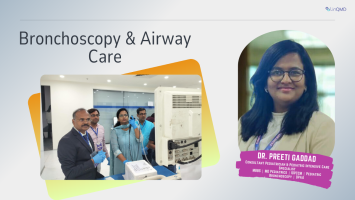
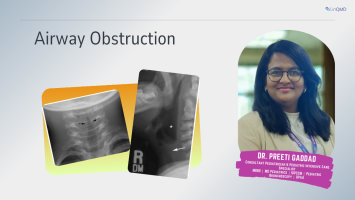
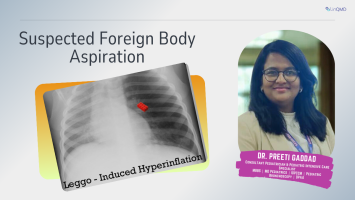
Bronchoscopy & Airway Care: Performs diagnostic and therapeutic bronchoscopy for airway obstructions, infections, and foreign bodies.
Critical Care Ultrasound: Uses bedside ultrasound for rapid assessment of lungs, heart, and fluid status to guide precise clinical decisions.
Oral Paper Presentation – PCNI 2017 & 1st National Conference of Research in Child Health Group
Oral Paper Presentation – Dr. Veena Taluja Memorial Research Award, 2017
Clinical Case Presentations – All India PG Teaching Webinar, March 2017
Lecture Presentation – PRS Meeting, February 2021
Poster Presentation: ITP with Disseminated Tuberculosis – PEDICRITICON, December 2022
Poster Presentation: Utility of Peritoneal Dialysis in Children with Septic Shock – PEDICRITICON, December 2022
Research Publication: Relationship of Physical Activity with Body Image, Self-Esteem, Sedentary Lifestyle, BMI and Eating Attitude in Adolescents – Journal of Family Medicine and Primary Care, 2018
MBBS – Bangalore Medical College & Research Institute
MD (Pediatrics) – Lady Hardinge Medical College, New Delhi
IDPCCM (Pediatric Intensive Care Fellowship) – Sir Ganga Ram Hospital, New Delhi
Advanced Pediatric Bronchoscopy Course – IAP-NRC
DPAA – Diploma in Pediatric Allergy and Asthma
Book Appointment
DivyaSree Avance, Hennur Bagalur Main Rd, Chikkanna Layout, HBR Layout, Geddalahalli, Bengaluru, Karnataka 560043
Clinic Hours:
- Monday - Saturday
- 09:00AM to 04:00PM
Contact:
Conditions and Treatments

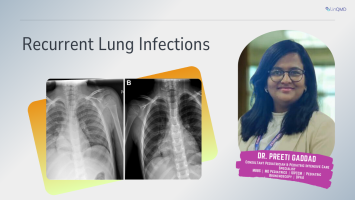
Dr. Preeti Gaddad's Expert Tips & Health Insights
Articles by Dr. Preeti Gaddad
By:
Dr. Preeti Gaddad
28 November 2025
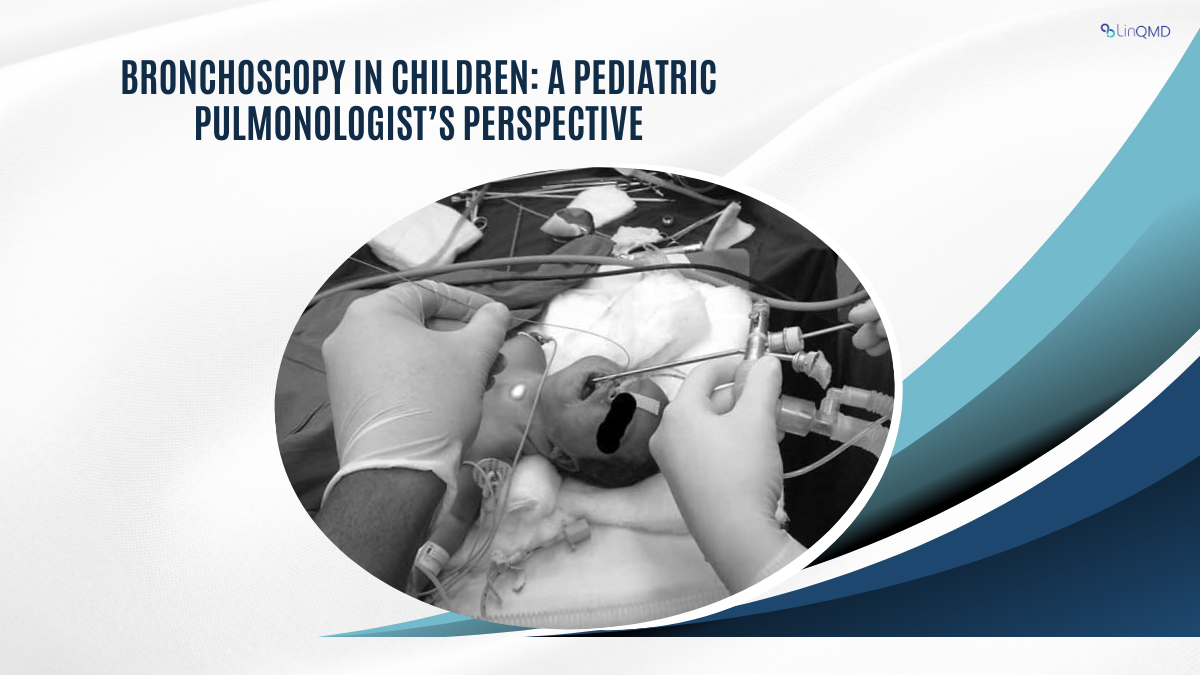
Bronchoscopy in Children: A Pediatric Pulmonologist’s Perspective By Dr. Preeti Gaddad
As a pediatric pulmonologist, one of the most valuable tools in my practice is bronchoscopy. Over the years, I have seen how this procedure can be life-changing for children with chronic respiratory issues, recurrent infections, or suspected airway abnormalities.
Read More
By:
Dr. Preeti Gaddad
28 November 2025
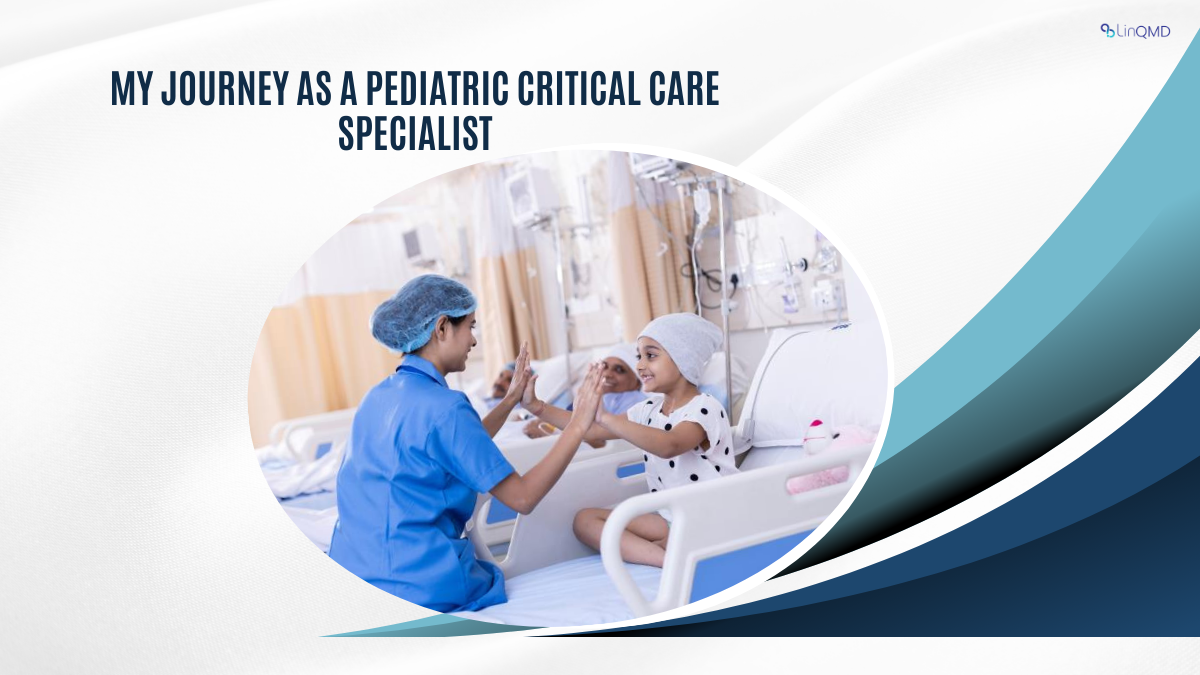
My Journey as a Pediatric Critical Care Specialist By Dr. Preeti Gaddad
Becoming a pediatric critical care specialist was never just about managing sick children; it was about learning to balance urgency with empathy, expertise with patience, and science with compassion. From my early days as a resident to my current role in the PICU, every case has shaped not only my clinical skills but also my perspective on life and healing.
Read More
By:
Dr. Preeti Gaddad
28 November 2025
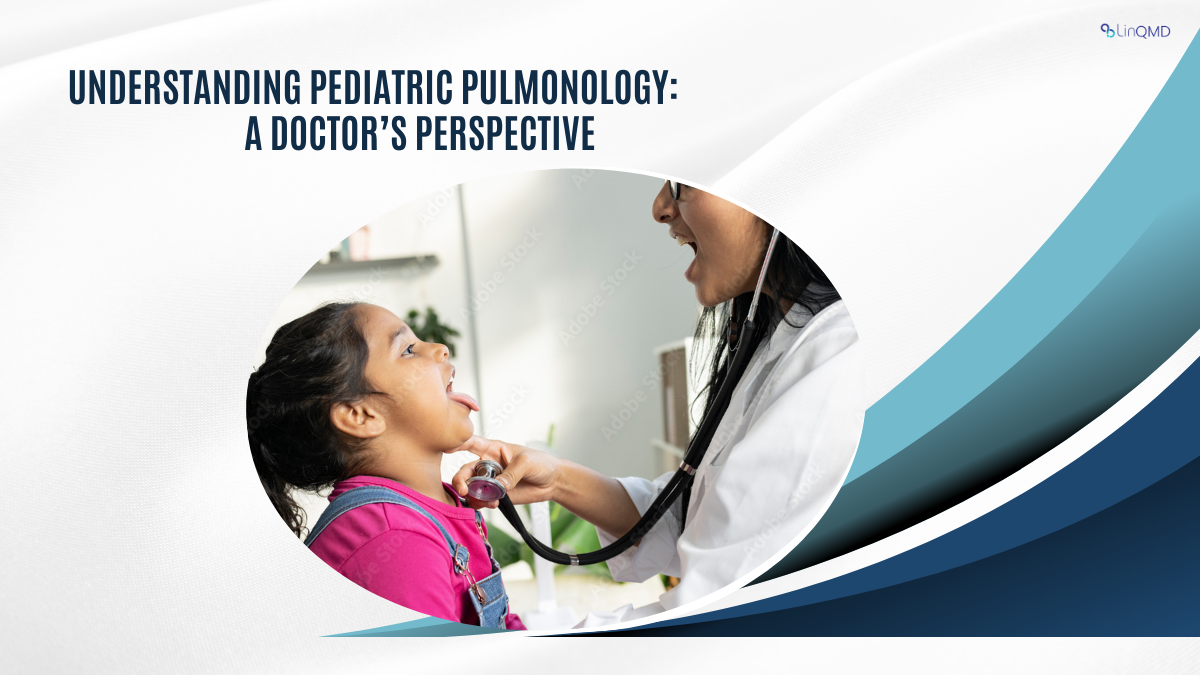
Understanding Pediatric Pulmonology: A Doctor’s Perspective By Dr. Preeti Gaddad
As a pediatric pulmonologist, I have had the privilege of caring for children with a wide range of respiratory issues, from chronic cough and asthma to complex airway obstructions. Each child brings a unique story, and every family teaches me something new about patience, resilience, and the hope we can provide through specialized care.
Read More
By:
Dr. Preeti Gaddad
28 November 2025
Bronchoscopy in Children: A Pediatric Pulmonologist’s Perspective By Dr. Preeti Gaddad
As a pediatric pulmonologist, one of the most valuable tools in my practice is bronchoscopy. Over the years, I have seen how this procedure can be life-changing for children with chronic respiratory issues, recurrent infections, or suspected airway abnormalities.
Read More
By:
Dr. Preeti Gaddad
28 November 2025
My Journey as a Pediatric Critical Care Specialist By Dr. Preeti Gaddad
Becoming a pediatric critical care specialist was never just about managing sick children; it was about learning to balance urgency with empathy, expertise with patience, and science with compassion. From my early days as a resident to my current role in the PICU, every case has shaped not only my clinical skills but also my perspective on life and healing.
Read More
By:
Dr. Preeti Gaddad
28 November 2025
Understanding Pediatric Pulmonology: A Doctor’s Perspective By Dr. Preeti Gaddad
As a pediatric pulmonologist, I have had the privilege of caring for children with a wide range of respiratory issues, from chronic cough and asthma to complex airway obstructions. Each child brings a unique story, and every family teaches me something new about patience, resilience, and the hope we can provide through specialized care.
Read More
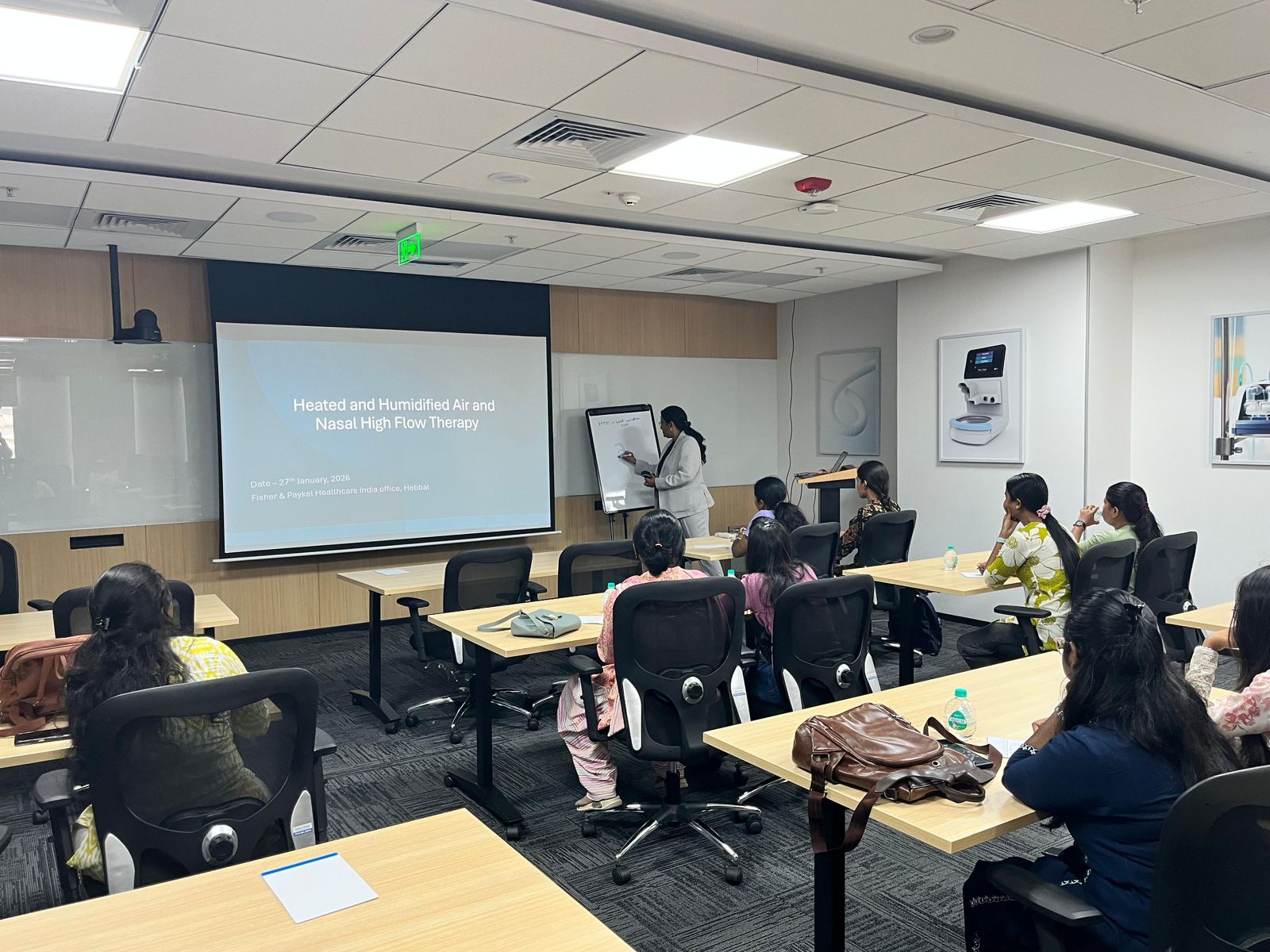
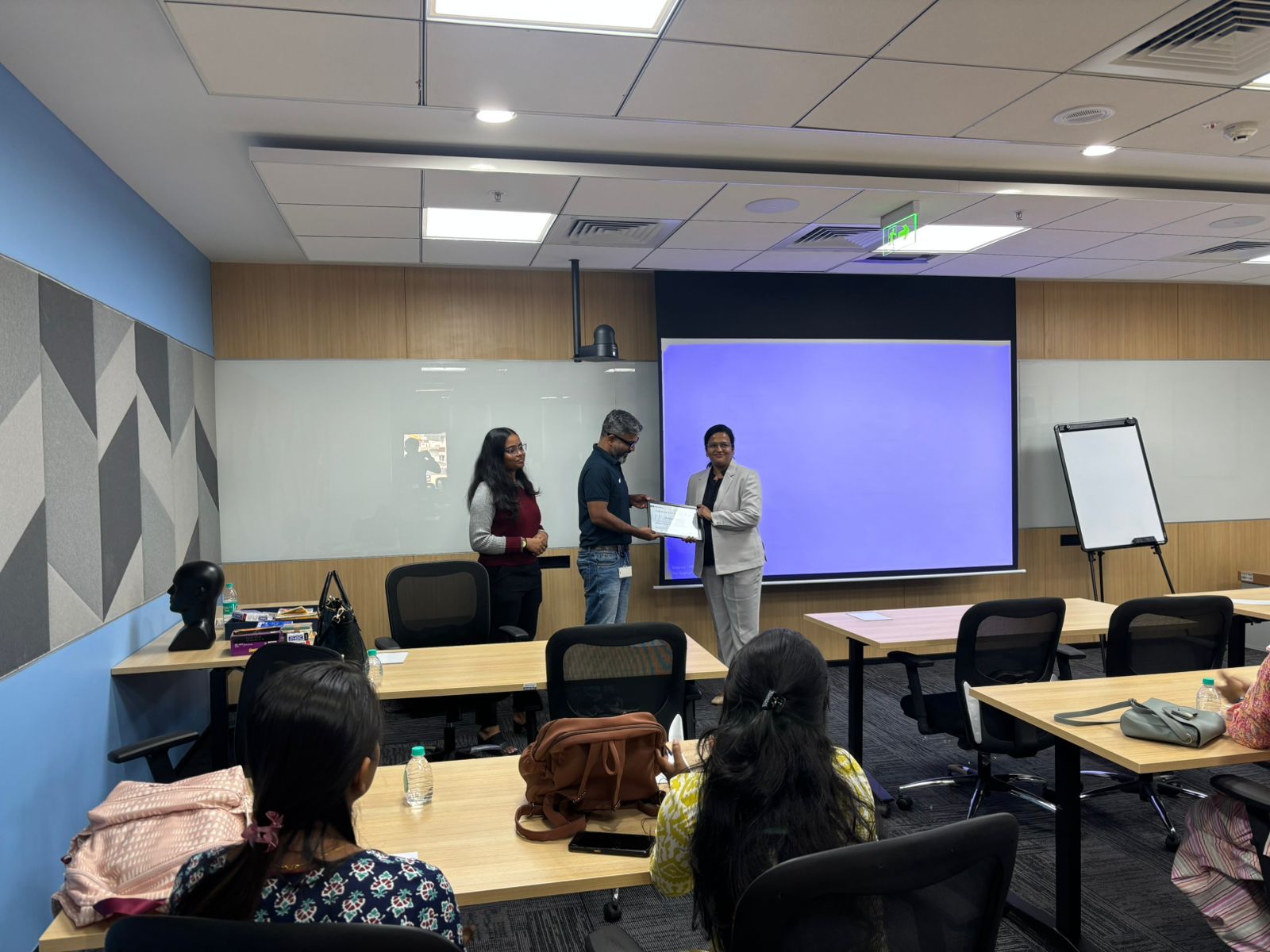
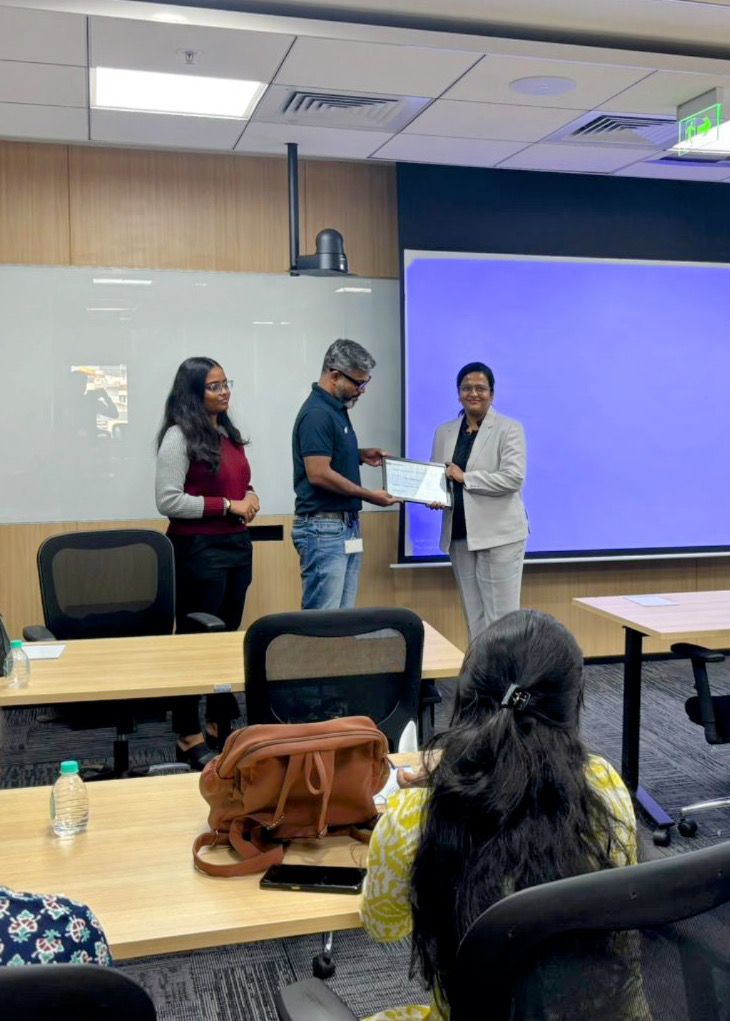
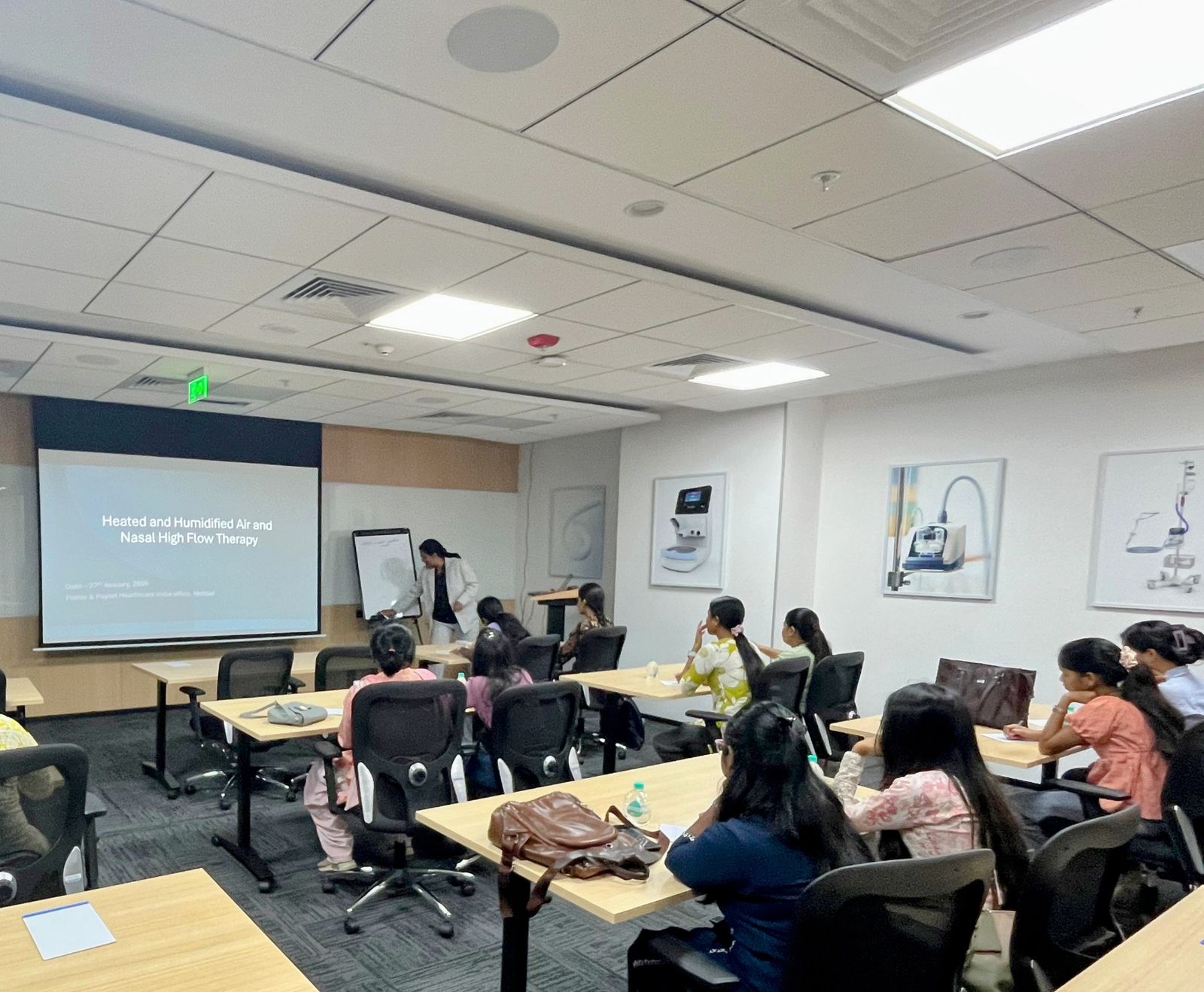
Gallery of Dr. Preeti Gaddad
Dr. Preeti Gaddad's Reviews
Sort By:
Dr. Preeti Gaddad's Reviews
Frequently Asked Questions
Sort By:
Frequently Asked Questions
Share
Children with severe brain injuries, seizures, encephalitis, meningitis, stroke, or complications after neurosurgery may require pediatric neurocritical care for close monitoring and specialized interventions.
Share
Treatment involves targeted antibiotics or antivirals, management of underlying conditions, respiratory therapies, and sometimes bronchoscopy to evaluate the airways. Preventive measures, vaccinations, and long-term monitoring help reduce future infections.
Share
Recurrent lung infections may be due to asthma, allergies, immune deficiencies, structural airway problems, or chronic conditions like cystic fibrosis. Identifying the underlying cause is essential for effective prevention and treatment.
Share
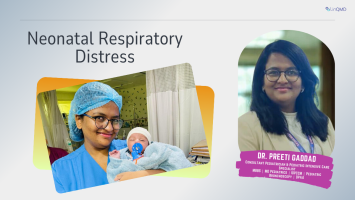
Treatment depends on severity and cause. Options include oxygen therapy, continuous positive airway pressure (CPAP), mechanical ventilation, surfactant administration for premature lungs, and supportive care in the neonatal intensive care unit (NICU).
Share
Respiratory distress in newborns can result from prematurity, underdeveloped lungs, infections, congenital lung or heart conditions, or meconium aspiration. Prompt evaluation is essential to identify the cause and start appropriate treatment.
Share
Link copied to clipboard!