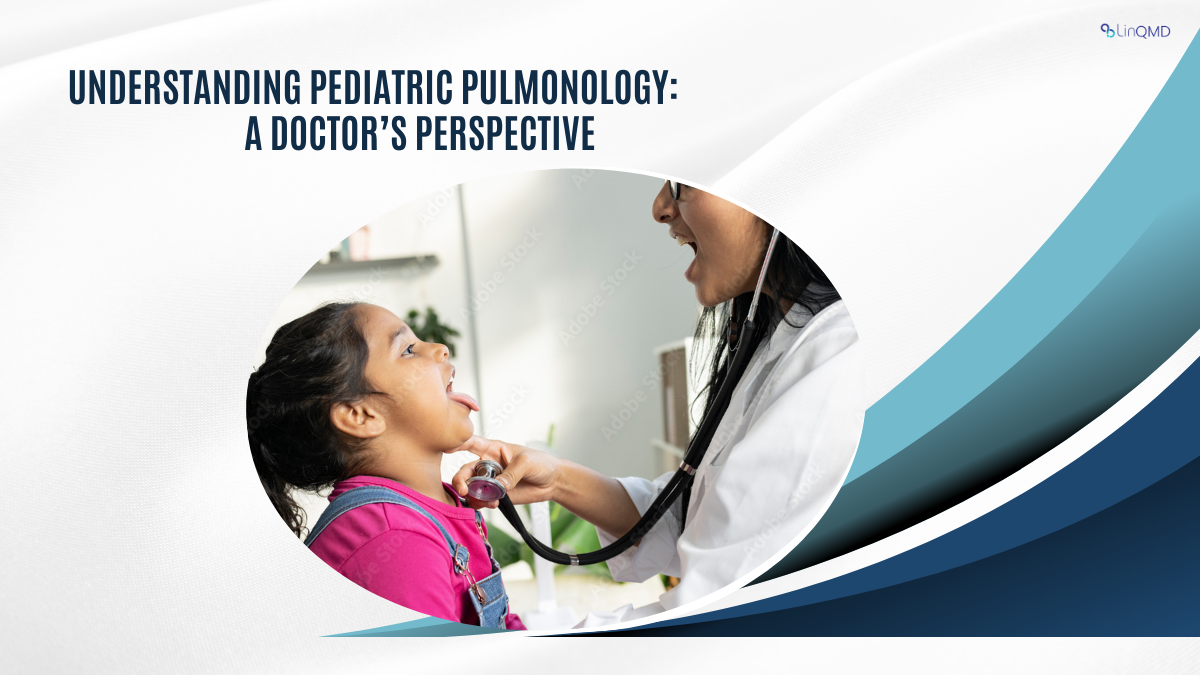
As a pediatric pulmonologist, I have had the privilege of caring for children with a wide range of respiratory issues, from chronic cough and asthma to complex airway obstructions. Each child brings a unique story, and every family teaches me something new about patience, resilience, and the hope we can provide through specialized care.
I remember Baby Niyaa, a six-month-old brought to my clinic by her worried parents. She had been struggling with persistent cough and wheezing for weeks, often waking up at night gasping for air. Her parents were exhausted and anxious, having tried over-the-counter medications and multiple home remedies without relief. On examination, it was clear that Niyaa needed more than general care, she needed a focused evaluation of her airways and lungs.
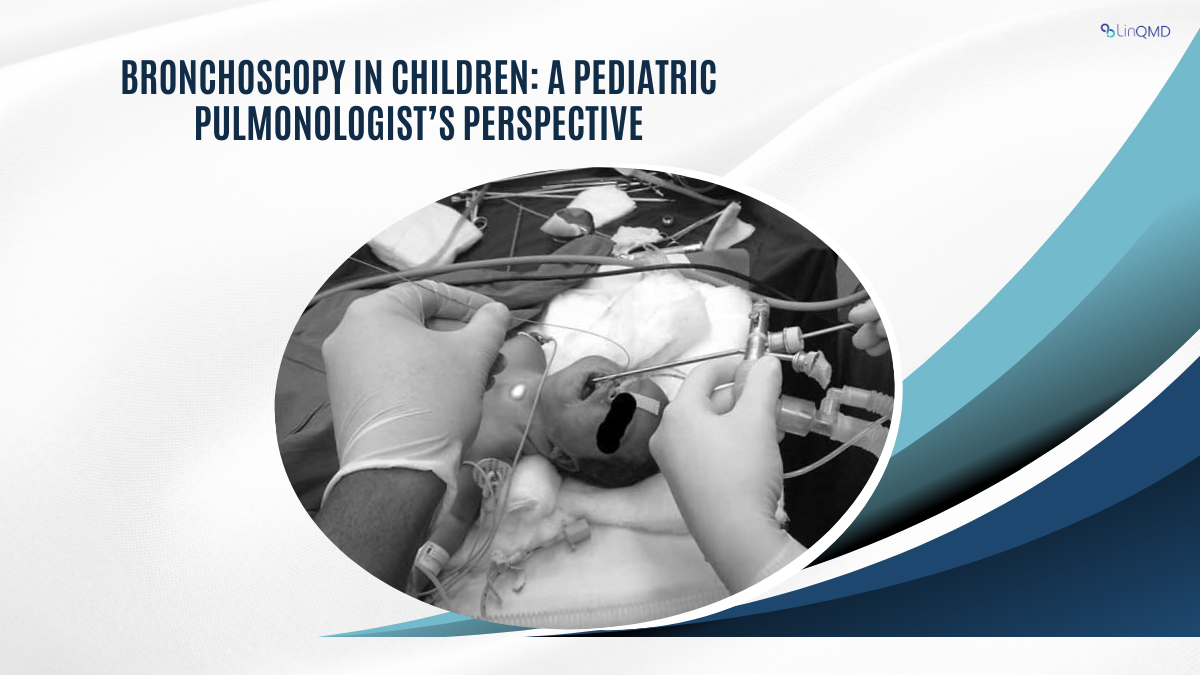
After discussing the plan with her parents, we performed a flexible bronchoscopy, a procedure I often use to visualize and assess the airway in children who have recurrent or severe respiratory symptoms. Through this procedure, we identified a mild airway obstruction due to inflammation. We immediately started targeted treatment, including inhaled medications and close monitoring. Over the next few weeks, Niyaa’s breathing improved, her cough reduced significantly, and her parents felt a renewed sense of relief and confidence. This experience reinforced for me the importance of combining advanced medical interventions with compassionate communication and parental support.
Pediatric pulmonology is not just about treating symptoms; it’s about understanding the root cause, whether it’s asthma, recurrent infections, allergies, or structural airway issues. Modern techniques like flexible bronchoscopy allow us to identify hidden problems early, while evidence-based therapies help children recover faster and prevent long-term complications. Working closely with families, I emphasize preventive care, timely vaccinations, and lifestyle guidance to reduce respiratory stress in young children.
What I love most about this field is the immediate impact we can have. A child struggling to breathe who walks out of the clinic breathing easier is a constant reminder of why I chose this specialty. Each case, like Baby Niyaa’s, teaches me to combine clinical expertise with empathy, patience, and education for the family.
In conclusion, pediatric pulmonology is a delicate balance of advanced medical care and compassionate support. Children deserve accurate diagnosis, timely intervention, and a care team that sees both the patient and the parents as partners in recovery. Watching children like Niyaa thrive and families regain hope is the most rewarding part of my work, and it continues to inspire me to provide the best possible respiratory care for every child who walks through my clinic doors.
Add a Comment