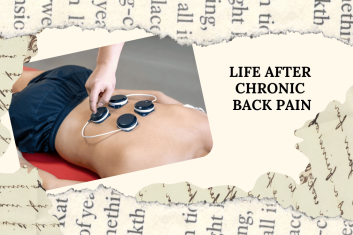
Back pain is one of the most common health problems affecting adults. For some people, however, it becomes a chronic, life-altering condition. This is especially true for individuals like Mrs S, a 50-year-old patient who had suffered from back pain for nearly a decade following previous spine surgery. Her story highlights how modern neuromodulation techniques, such as highfrequency spinal cord stimulation (SCS), can provide significant relief, often as a day case procedure, and help patients regain control over their lives.
The patient’s background:
Mrs S had undergone spinal surgery eight years ago to relieve her chronic lower back pain. Initially, there was some improvement, but over time the pain returned and gradually worsened, spreading to her legs. For years, she tried:
- Pain medications and injections
- Physiotherapy and rehabilitation programs
- Lifestyle adjustments and pacing of activities
Despite all these efforts, she remained in constant discomfort, which affected her sleep, mood, and ability to work. Simple activities like walking her dog, gardening, or playing with her grandchildren became difficult or impossible. She had been diagnosed with failed back surgery syndrome (FBSS), a condition in which pain persists even after spine surgery. FBSS can be extremely frustrating, both physically and emotionally, and traditional treatments often provide only partial relief.
What is spinal cord stimulation?
Spinal cord stimulation is a treatment in which tiny electrical impulses are delivered to the spinal cord via thin leads. These impulses modify the way the spinal cord sends pain signals to the brain, reducing the perception of pain. High-frequency spinal cord stimulation is a modern approach that offers several advantages:
- Pain relief without the tingling or buzzing sensations that older devices sometimes produced
- Better outcomes for patients with chronic back and leg pain
- Minimally invasive, often done under local anaesthetic with sedation This treatment is usually considered when conventional therapies have failed and pain significantly affects quality of life — exactly the situation Mrs S was in.
The decision for a day-case procedure:
After a thorough assessment, including review of her previous imaging, neurological examination, and discussions about her goals, Mrs S was offered high-frequency spinal cord stimulation as a day-case procedure.
Day-case surgery means:
- She could come in the morning and go home the same day
- Minimally invasive techniques meant smaller incisions, less trauma, and faster recovery
Modern imaging guidance ensures the leads are placed precisely over the area of the spinal cord controlling her pain Mrs S was understandably nervous. She had been living with pain for so long that the idea of another procedure felt daunting. The team spent time explaining the process, what she would feel during the procedure, and how recovery would be managed.
The procedure:
The surgery itself was straightforward and quick:
- She received local anaesthetic and light sedation, so she was comfortable and awake during the procedure.
- Using real-time imaging, the surgeon guided thin leads into the epidural space above the spinal cord.
- Once in position, the high-frequency stimulator was tested to ensure optimal coverage of her pain areas.
The leads were connected to a small implantable pulse generator, usually placed just under the skin in the lower back or abdomen. The procedure took only a few hours. Because it is minimally invasive, there was minimal blood loss, and no large incisions or prolonged immobilisation were needed.
Recovery and outcomes:
One of the remarkable aspects of modern high-frequency SCS is the speed and simplicity of recovery. Mrs S was able to go home the same day. Within a few days, she noticed:
- A significant reduction in her back and leg pain
- Improved sleep, mood, and energy levels
Greater ability to engage in daily activities without fear of flare-ups Over the following weeks, as she adjusted to the device settings with guidance from the specialist team, her improvement became even more noticeable. Activities that had been impossible for years — walking, gardening, even light exercise — were now achievable. For Mrs S, the change was life-changing. After eight years of chronic pain, she could once again enjoy her family, participate in hobbies, and live independently.
Why high-frequency spinal cord stimulation works Several factors make this therapy particularly effective:
- Precise pain targeting: Modern imaging and programming ensure the electrical impulses reach exactly where they are needed.
- Minimally invasive: Smaller incisions and shorter operative times reduce risk and promote faster recovery.
- Patient-friendly technology: High-frequency stimulation provides pain relief without uncomfortable tingling sensations.
- Adjustable therapy: The device can be fine-tuned over time to maintain optimal pain control.
👉 For patients with FBSS, this represents one of the most effective and evidencesupported treatments available today.
Key takeaways:
Mrs S’s story demonstrates that chronic pain after back surgery does not have to be a life sentence. Modern neuromodulation offers:
- Safe, minimally invasive day-case surgery
- Rapid and meaningful pain relief
- Improved mobility and independence
- Life-changing quality-of-life improvements
👉 If you or a loved one has persistent pain following back surgery, it is worth discussing spinal cord stimulation with a specialist. While not every patient will be a candidate, for many, this therapy can transform everyday life, just as it did for Mrs S.
Add a Comment