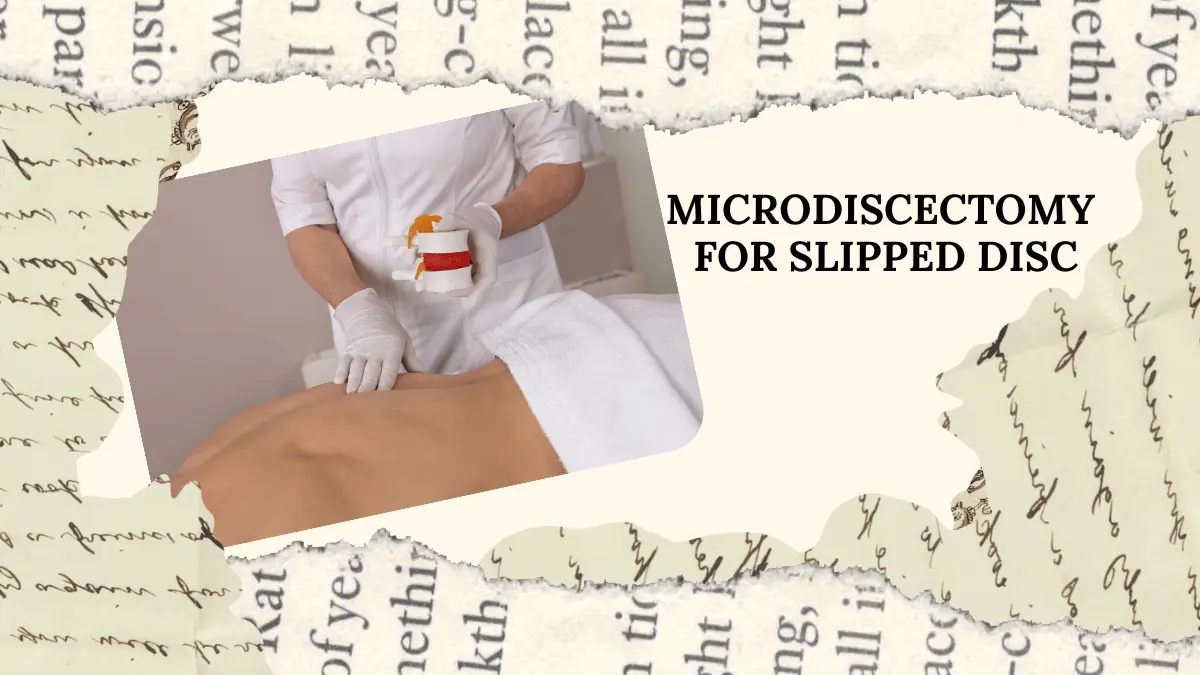
A slipped or herniated disc can cause severe lower back pain, leg weakness, and persistent sciatica pain that affects even simple daily activities. When medications, physiotherapy, and conservative treatments such as lumbar epidural steroid injections fail to provide lasting relief, microdiscectomy may be recommended. This minimally invasive spine surgery is commonly performed to relieve nerve compression caused by a herniated disc and help patients return to a pain-free life.
Understanding Microdiscectomy for Herniated Disc
In my experience as a neurosurgeon, many patients come to me after months of struggling with radiating leg pain, difficulty walking, or disturbed sleep due to severe sciatica pain. They are often anxious about surgery and worried about recovery. I always explain that a lumbar microdiscectomy is designed to remove only the small portion of the herniated disc pressing on the nerve, while preserving the surrounding structures. Because the incision is small and the procedure is precise, most patients experience significant pain relief soon after surgery and are able to gradually return to normal activities with proper care and rehabilitation.
Microdiscectomy Recovery Timeline
The microdiscectomy recovery timeline varies from person to person depending on age, fitness, severity of nerve compression, and adherence to post-operative instructions.
First Few Days After Surgery
Most patients are encouraged to walk within hours after surgery. Mild discomfort around the incision site is normal, but the sharp leg pain caused by the slipped disc often improves quickly. Hospital stay is usually short, and many patients return home within 24–48 hours.
First 2–6 Weeks
During this phase, walking and light activities are gradually increased. Patients are advised to avoid bending, twisting, or lifting heavy weights. Slipped disc surgery recovery time during this stage focuses on allowing the nerve and muscles to heal properly.
After 6 Weeks
Many individuals return to desk jobs and routine activities within 4–6 weeks. However, physically demanding work may require a longer recovery period. Microdiscectomy physical therapy after surgery is often recommended to strengthen the back muscles, improve posture, and reduce strain on the spine.
Factors Affecting Microdiscectomy Recovery
Several factors affecting microdiscectomy recovery include:
- Overall physical health and body weight
- Severity and duration of nerve compression
- Smoking habits and lifestyle
- Commitment to physiotherapy and rehabilitation
- Following activity restrictions after surgery
Patients who maintain good spinal health and follow rehabilitation advice often recover faster and experience better long-term outcomes.
Microdiscectomy Risks and Complications
Although lumbar microdiscectomy has a high safety profile, every surgery carries some risks. Common microdiscectomy risks and complications may include infection, bleeding, nerve irritation, or recurrence of symptoms. In rare cases, patients may experience spinal fluid leakage or persistent numbness.
One important concern is herniated disc reherniation after microdiscectomy, where the disc bulges again at the same level. While this can happen, maintaining proper posture, avoiding strain, and continuing strengthening exercises can reduce the risk significantly.
Long-Term Results and Success Rate
The lumbar microdiscectomy success rate is generally very high, especially for patients with leg pain caused by nerve compression. Most individuals report substantial improvement in mobility, sleep, and quality of life after recovery. Early diagnosis, timely treatment, and consistent rehabilitation play an important role in achieving lasting relief from slipped disc symptoms.
With the right surgical care and recovery plan, microdiscectomy can help patients return to their daily routines with greater comfort, confidence, and improved spinal health.
Add a Comment