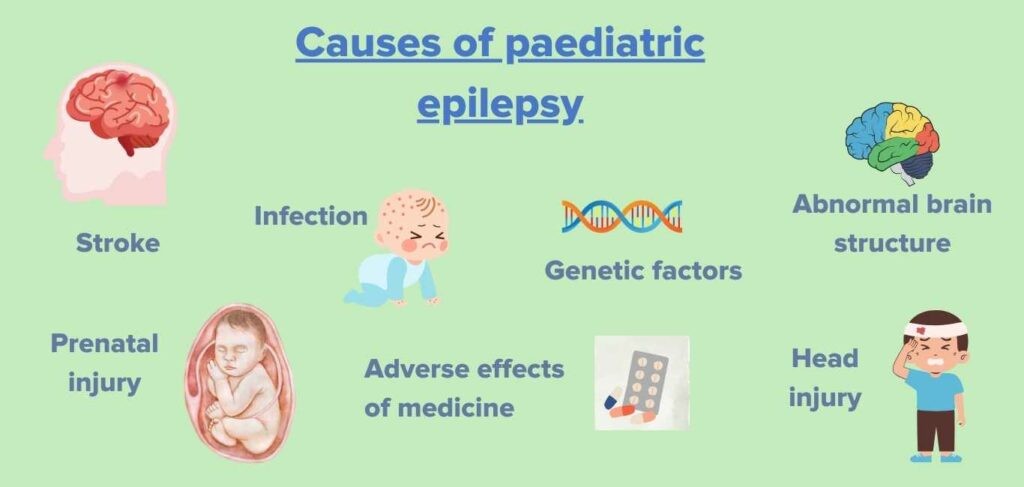
Most neurological diseases and conditions that affect small children and infants are rare. To give an example, children can have strokes, but they are not because of lifestyle choices, such as smoking or obesity as seen in the adult population. Rather, children and infants who have stroke, do so as they may have inherited a faulty gene that predisposes them to having a stroke. Here stroke is just an example, but there are many such inherited rare diseases. Similarly, various diseases, affecting various parts of the nervous system, such as leukodystrophies or muscular dystrophies or spinal muscular atrophy, often have an underlying genetic defect, that leads to the faulty production of protein, the one that the said gene codes for, which in turn leads to the disease. While rare diseases are rare, ranging from one in a few thousands to one in a lakh or more children, they all have one thing in common, that of being rare. This means that there is usually a long-time gap between the child developing an issue and it being diagnosed correctly. Once it is diagnosed, then there again is a variable and often long gap between being given the diagnosis and finding and seeing the right specialist. The next step after this, is that many of these conditions have no cures yet. Increasingly some of these conditions have medicines, called disease modifying treatment such as the gene therapy and exon skipping in Duchenne muscular dystrophy (DMD) and spinal muscular atrophy (SMA). But they remain out of the reach of most families' dues to their high cost, many in the 16 or 26 crores range. But there is hope, from where there was none before. Newer therapy options are coming up thanks to the rapid advances in scientific research in these fields. Most rare diseases are chronic in nature and requires ongoing management. This is a great strain on families and society as a whole.
Hence, developing and having robust support systems for affected families is the only way forward. This is where parent support groups and patient advocacy groups (PAGs) come into the picture. Most families affected with rare disease after they go through the initial grieving process, often feel isolated and unsupported. But when many families come together, (and we have many such vibrant support groups who have seen each through very difficult times) things seem so much more manageable. There is so much more hope today for these conditions that there were a few years of decade ago. The one thing that we can do as clinicians taking care of these children, is to, identify them early and refer them soon. As a society, increasing awareness and encouraging research in this field is what helps in coming up with creative solutions that can help them lead a better life.
Add a Comment