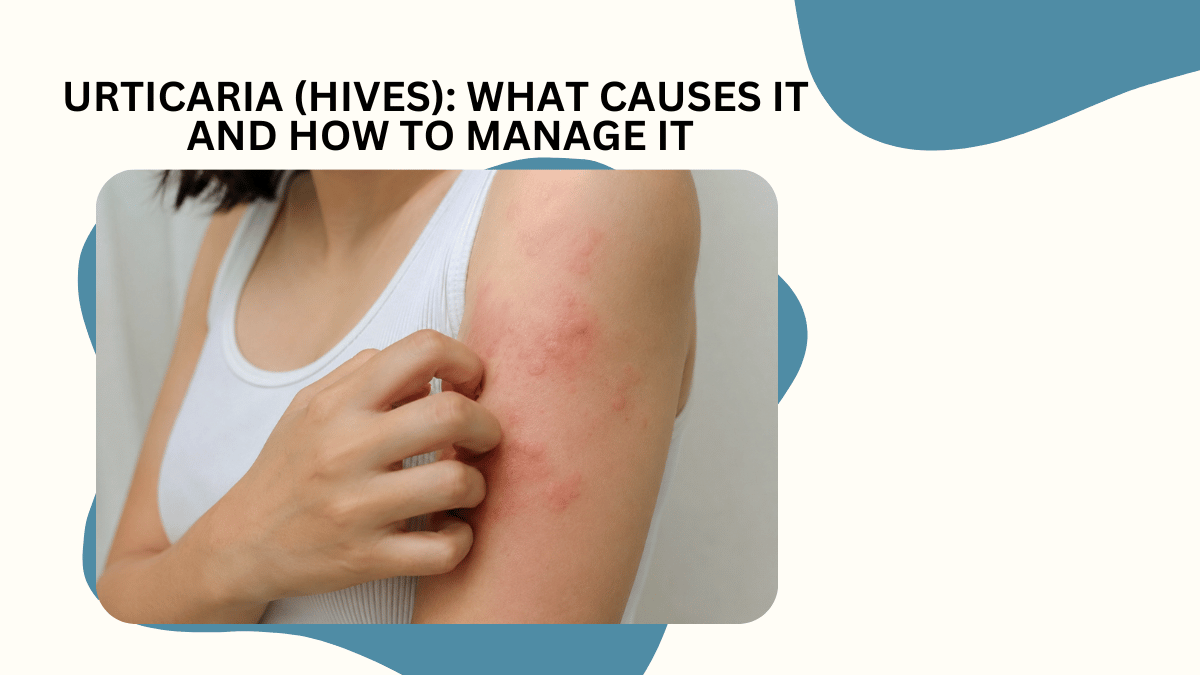
Urticaria, commonly known as hives, is one of the conditions I see regularly in my allergy clinic in Bengaluru. This is a skin condition characterised by red, raised, and often itchy wheals that occurs when the body releases histamine and other chemicals into the skin, causing fluid to leak from small blood vessels. It can be associated with angioedema, where there is a more diffuse deeper swelling. About 20 percent of the global population will experience at least one episode of urticaria in their lifetime.
Acute versus chronic urticaria
When urticaria lasts for less than six weeks it is called acute urticaria. It is very common, particularly in children. When urticaria lasts for more than six weeks it is called chronic urticaria. Chronic urticaria affects approximately 0.5 to 1 percent of adults.
Acute urticaria is often triggered by viral or bacterial infections, foods, or medications. In around 50 percent of cases, no cause is identifiable.
Causes for chronic urticaria are usually harder to identify. In up to 80 percent of cases no definite cause is found, and it is called chronic spontaneous urticaria. In the remaining cases, chronic urticaria is caused by one or more triggers and is called chronic inducible urticaria.
What triggers chronic inducible urticaria?
- Stroking or scratching the skin resulting in hives - this condition is called dermatographism and is fairly common
- Cold or heat
- Increase in body temperature : triggered by sweating, exercise, or hot showers
- Exercise - wherein exercise alone triggers urticaria and not passive increase in body temperature like in cholinergic urticaria
- Delayed pressure urticaria: swelling that appears several hours after exposure to pressure, for example from tight clothing
- Solar urticaria: triggered by exposure to sunlight
How is urticaria managed?
Most cases of acute urticaria are manageable with oral antihistamines and steroids.
As many cases of chronic urticaria are idiopathic, management focuses on identifying and avoiding triggers, as well as symptom relief.
- Identify triggers: keep a diary of food, activities, and environments to spot patterns. If a specific food, medication, or trigger is suspected, consult an allergist to confirm
- Clothing: wear loose-fitting, breathable fabrics to avoid pressure and friction
- Skin care: use gentle, fragrance-free soaps and moisturisers; avoid harsh scrubbing during bathing
- Stress management: since stress can worsen flare-ups, relaxation techniques like mindfulness or meditation can be beneficial
- Antihistamines: often the first line of management to control itching
- Specialised care: if hives persist despite an appropriate dose of antihistamines, an allergist may prescribe stronger treatments such as immunosuppressants or biologics
If you are experiencing recurrent hives or suspected urticaria, early evaluation can help identify the cause and guide the right treatment. To consult Dr Arathi Karat at Allergy Central, Indiranagar, or Chirayu Multi-Speciality Clinic, Kasturi Nagar, Bengaluru, call +91 9035275945.
Written by Dr Arathi Karat, MBBS, MS ENT, DNB, Consultant ENT Specialist and Allergy Expert, Allergy Central, Indiranagar, and Chirayu Multi-Speciality Clinic, Kasturi Nagar, Bengaluru.


Add a Comment