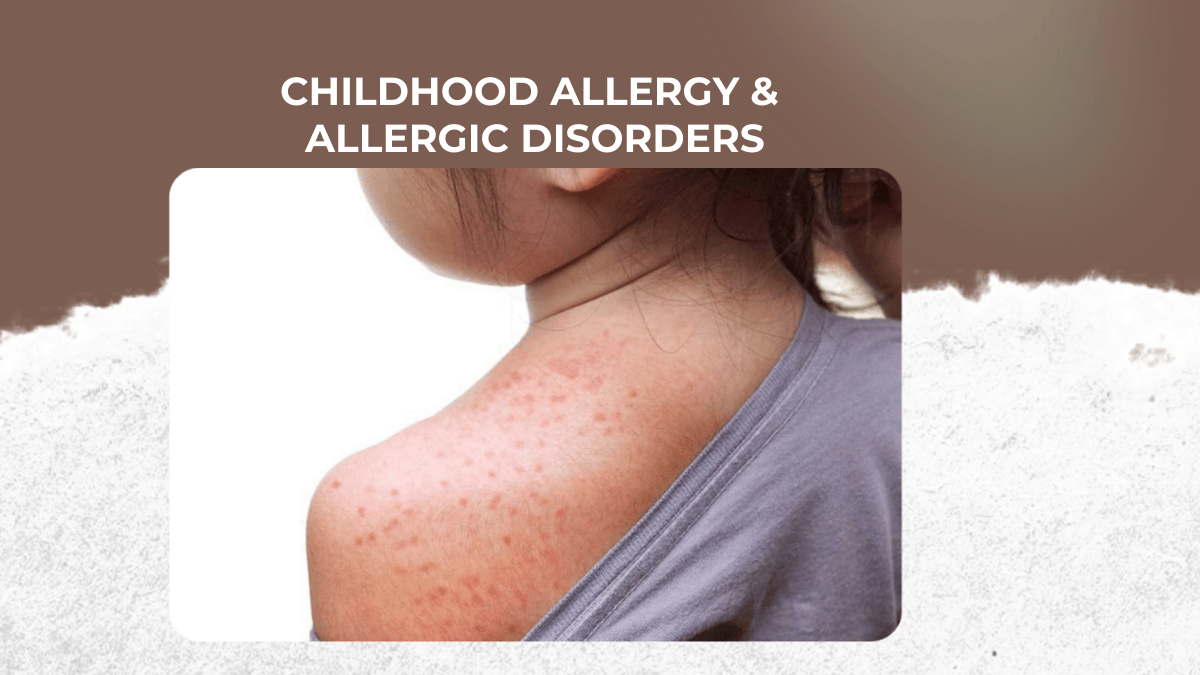
Childhood allergies are increasingly common and can affect a child’s respiratory health, skin, digestion, and overall well-being. Allergic disorders occur when the immune system reacts excessively to harmless substances such as pollen, dust mites, certain foods, or environmental pollutants. Common childhood allergies include allergic rhinitis, food allergies, eczema, and allergic asthma. These conditions can cause symptoms like sneezing, runny nose, itchy eyes, skin rashes, coughing, wheezing, or digestive discomfort. Early diagnosis and proper management are essential to prevent complications and improve a child’s quality of life.
In my clinical experience, I frequently see children who struggle with persistent allergy symptoms that interfere with their daily activities, sleep, and school performance. Many parents initially mistake these symptoms for frequent colds or infections. As a paediatric pulmonologist, I always emphasize the importance of identifying the specific allergens responsible for the reaction. Through careful clinical evaluation and appropriate allergy testing, it becomes possible to design a targeted treatment plan that helps control symptoms and reduce future allergic episodes.
Several factors contribute to the development of childhood allergies. Genetic predisposition plays an important role, as children with a family history of allergies or asthma are more likely to develop allergic conditions. Environmental factors such as air pollution, dust exposure, pet dander, mold, and seasonal pollen can also trigger allergic reactions. Additionally, certain foods like milk, eggs, peanuts, and seafood may cause allergic responses in susceptible children. Understanding these triggers is crucial in preventing repeated allergic episodes.
Symptoms of allergic disorders may vary from mild to severe. Some children experience frequent sneezing, nasal congestion, itchy throat, and watery eyes due to allergic rhinitis. Others may develop skin conditions such as eczema, which causes redness, itching, and dry patches on the skin. Food allergies may lead to digestive problems, skin rashes, or breathing difficulties. In some cases, severe allergic reactions can occur and require immediate medical attention.
Management of childhood allergies focuses on accurate diagnosis, trigger avoidance, and appropriate medical treatment. Doctors may recommend antihistamines, nasal sprays, inhalers, or other medications depending on the specific condition. Allergy testing can help identify triggers and guide preventive strategies. Parents can also help by maintaining a clean home environment, reducing dust exposure, ensuring proper ventilation, and monitoring their child’s diet if food allergies are present.
Conclusion
Childhood allergies and allergic disorders can be effectively managed with early diagnosis, proper treatment, and preventive care. Identifying triggers and following a personalized treatment plan helps reduce symptoms and prevent complications. With the right medical guidance and lifestyle adjustments, children with allergies can lead healthy, active, and comfortable lives.

Add a Comment