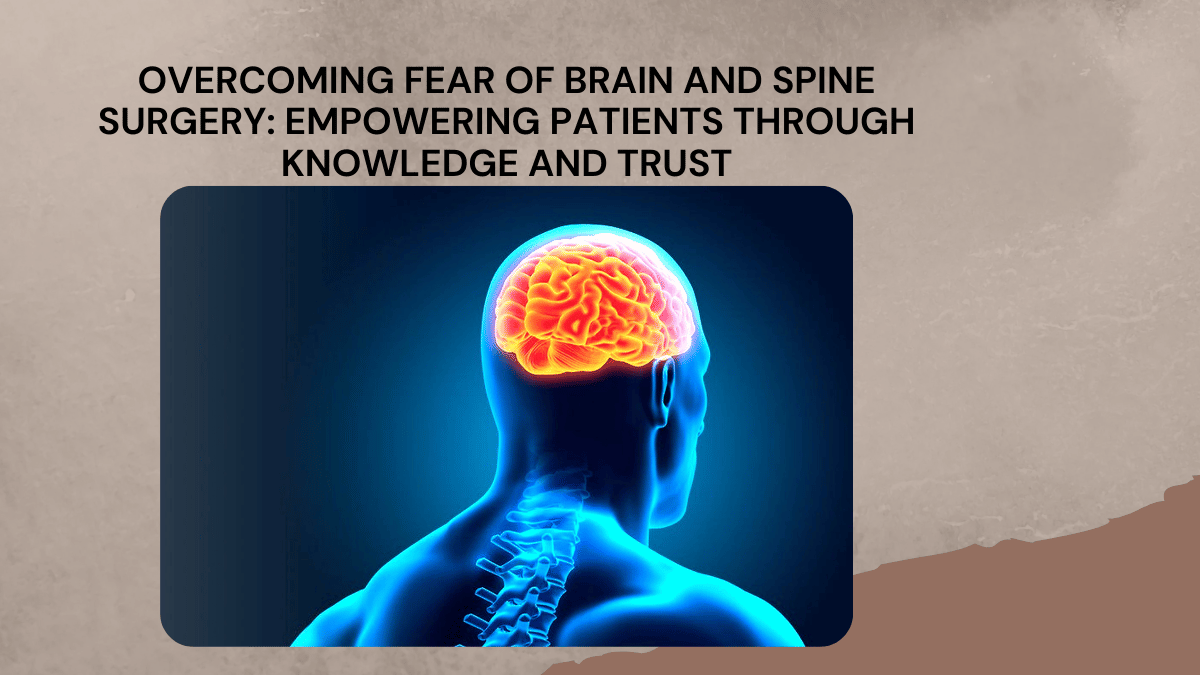
Facing the prospect of brain or spine surgery is one of the most daunting experiences in a person’s life. I have seen firsthand how fear can overpower hope, how anxiety can overshadow possibility. But I’ve also seen how education, empathy, and trust can turn that fear into courage. Over the years, I’ve learned that my true role isn’t just to perform the surgery; it’s to help my patients see beyond their fears and understand that with modern medicine, they are in safe hands.
The Common Fear: What Keeps Patients Awake at Night:
Fear manifests in many forms—fear of paralysis, loss of speech, lifelong disability, or even death. I remember a middle-aged man, Mr. Rao, who was terrified even to talk about his spinal tumor. The thought of an operation looming over him consumed his days and nights. His mind conjured worst-case scenarios. It’s natural to feel scared; what matters is how we address that fear. It’s about building a bridge—one made of knowledge, reassurance, and compassion.
Breaking Down the Walls of Anxiety:
I always start my consultations by listening carefully—to their worries, their concerns, and their unanswered questions. I explain to my patients that we live in a time when brain and spine surgeries are safer and more precise than ever. Techniques like minimally invasive surgery, intraoperative monitoring, and awake procedures have revolutionized outcomes. I tell them stories of patients who, like Mr. Rao, faced surgery with dread but left with their health and dignity intact. I want every patient to see that they are not just a case—I see them as a person with hopes, fears, and a future.
Patient Stories That Inspire:
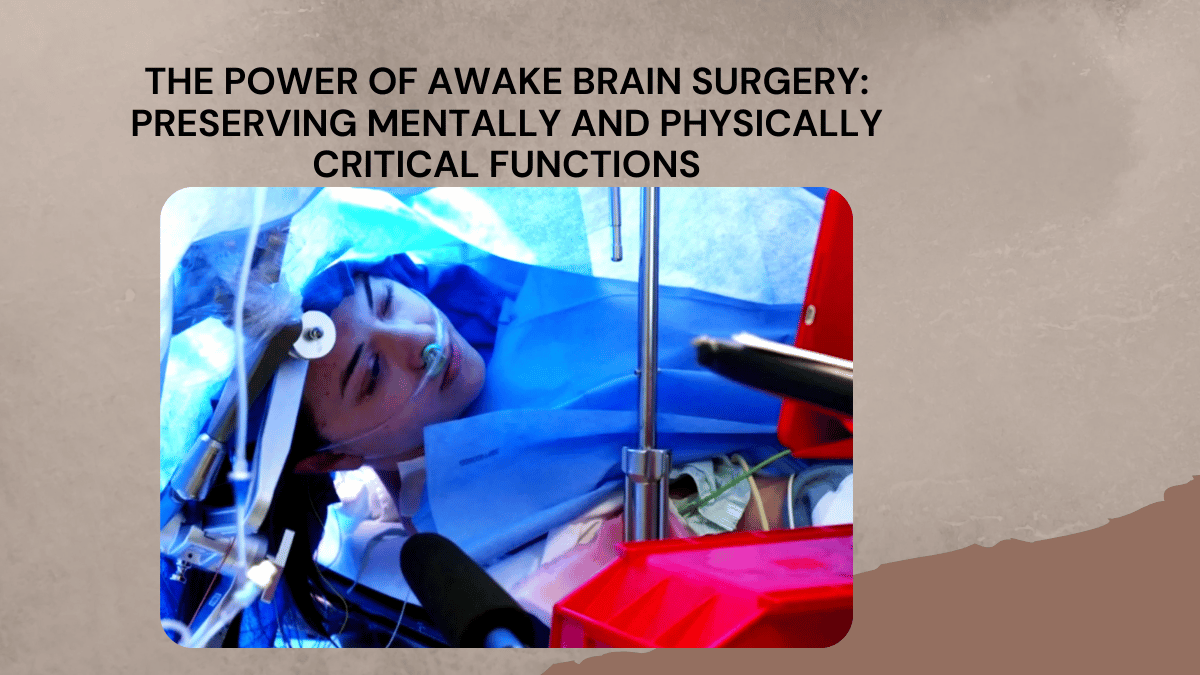
One of the most inspiring stories I hold close is that of Mrs. Sharma, a woman in her sixties diagnosed with a brain tumor near her speech center. She was paralyzed with fear, worried about losing her ability to communicate. But her family and I worked together to prepare her—explaining each step, reassuring her that the surgery could be safe and effective. On the day of her operation, she was awake and alert, participating in language tests as I delicately removed the tumor. Today, Mrs. Sharma continues to speak and sing with her grandchildren—her story a reminder that understanding and trust can conquer even the deepest fears.
Another memorable case was a young girl, pre-surgery, trembling with anxiety. Her parents were overwhelmed, afraid she wouldn’t recover fully. During her surgery, I reassured her with gentle words and kept her connected with her family via a video call. Post-surgery, she was up and playing in her backyard within days. Her resilience and the support from her loved ones highlighted how, with the right approach, fear can be replaced with hope.
Empowerment Through Education and Compassion:
I believe that empowering patients begins with honest, compassionate communication. I take the time to explain the procedure, address every question, and dispel myths that feed fear. I want them to understand that fear is natural, but it doesn’t have to control their health decisions. When they trust their medical team, they can face surgery with confidence, knowing they are in capable hands.
The Final Word:
Overcoming the fear of brain and spine surgery is a journey. It’s my privilege to walk alongside my patients in that journey—offering reassurance, clarity, and hope. When they realize that modern medicine has advanced to protect and restore, hope replaces fear. That transformation, from anxiety to empowerment, is what drives me every day. Because here’s the truth: with understanding and trust, even the most frightening diagnoses become manageable, and our patients can look ahead to a brighter, healthier future.

Add a Comment