Hello, I am Dr. Balachandra. Almost every day, parents tell me: “Doctor, my child eats too many sweets and is grinding teeth—he must have worms.”
Let’s clear this myth right away:
- Sweets and chocolates do NOT cause worms inside the stomach.
- Worms are a type of intestinal parasite that enter the body from the environment—not from sugar.
How Do Worms Enter a Child’s Body?
👉 Worm infections are a form of gastrointestinal infection caused by poor hygiene or environmental exposure.
Through the Feet:
👉 Walking barefoot on contaminated soil allows certain worms to enter through the skin.
Through the Hands:
Children:
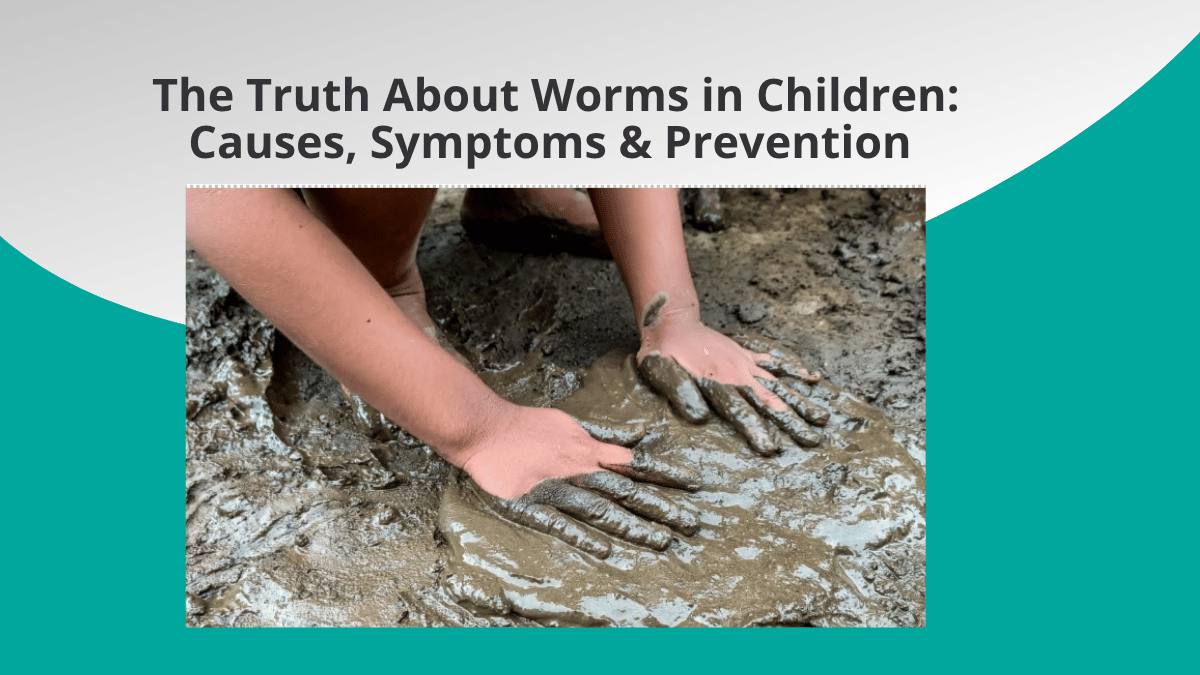
- Play in mud
- Touch footwear
- Put hands in their mouth
This is the most common way worm inside stomach infections occur.
Once inside, worms live in the intestines and feed on your child’s nutrition.
This can lead to:
- Gut pain
- Burning sensation in stomach
- Poor weight gain
- Fatigue and weakness
- Bloated abdomen
Symptoms of Worm Infestation:
- Recognizing early signs helps prevent complications.
Common intestinal parasites symptoms:
- Recurrent stomach aches
- Loss of appetite
- Itching around the anus (especially at night)
- Nausea or vomiting
- Tiredness or pale appearance
👉 These are key symptoms of worm infestation parents should not ignore.
Common Causes of Stomach Aches in Children
While worms are one cause, other causes of stomach aches include:
- Indigestion
- Constipation
- Viral infections
- Food intolerance
A proper diagnosis is important before starting any medicine for stomach pain.
Simple Rules to Prevent Worm Infections:
No Barefoot Walking:
👉 Always ensure your child wears footwear outdoors.
Hand Hygiene is Key
Wash hands:
- After playing outside
- After touching footwear
- Before eating
Keep Nails Short:
- Long nails trap dirt and worm eggs.
Routine Deworming:
In tropical countries like India:
- Deworm every 6 months
- Even if no symptoms are present
Treatment for Worm Infection:
If your child shows symptoms:
- Consult a doctor
- Deworming medication is prescribed
- Avoid self-medicating repeatedly
👉 Proper treatment helps relieve gut pain and stomach discomfort effectively.
Seek medical advice if your child has:
- Persistent stomach pain
- Repeated vomiting
- Severe weakness
- Blood in stool
👉 For expert care, consult pediatric specialists in Kasturi Nagar, Bangalore at Chirayu Multispeciality Clinic for accurate diagnosis and safe treatment.
Dr. Balachandra’s Mind Ticklers:
If worms enter through the skin, will avoiding sweets help?
👉 No
Why wash hands after touching footwear?
👉 To prevent worm eggs from entering the mouth
Has your child been dewormed in the last 6 months?
Final Thoughts:
Worm infections are common but preventable. By maintaining proper hygiene, regular deworming, and early detection of intestinal parasites symptoms, you can protect your child from unnecessary discomfort and health issues.
📍 For trusted care, visit pediatric specialists in Kasturi Nagar, Bangalore at Chirayu Multispeciality Clinic for expert guidance and treatment.
FAQs:
What causes worms inside the stomach in children?
👉 Worms enter through contaminated soil, dirty hands, or poor hygiene—not from eating sweets.
What are the symptoms of worm infestation?
👉 Common symptoms include stomach pain, itching, fatigue, bloating, and loss of appetite.
Can worms cause stomach pain in children?
👉 Yes, worms can lead to gut pain, burning sensation in stomach, and discomfort.
What is the treatment for worm infection?
👉 Doctors prescribe deworming medication based on the child’s condition.
How often should children be dewormed?
👉 Every 6 months is recommended in most tropical regions.




Add a Comment