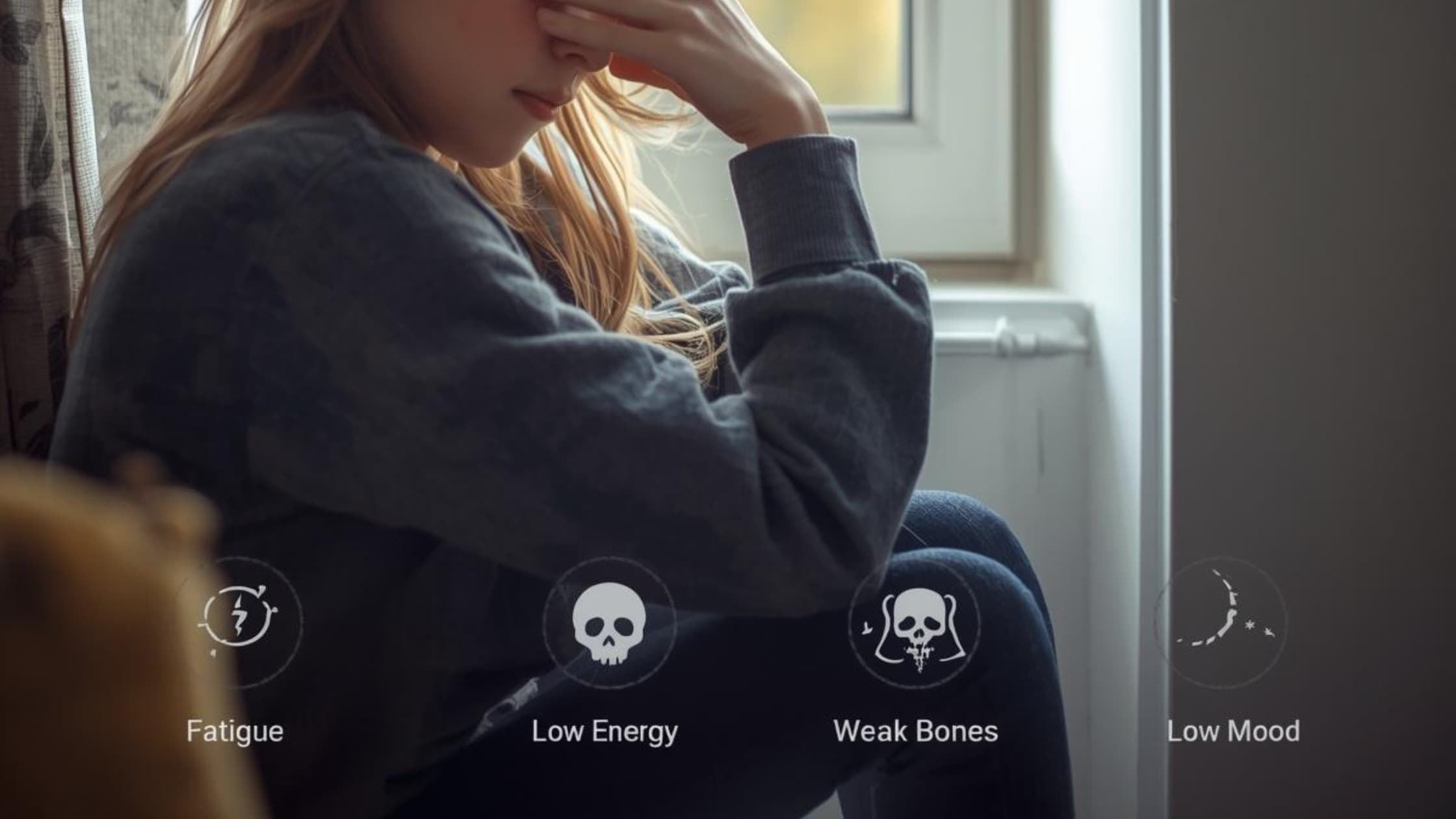
In my clinical experience in Bengaluru, a surprising number of patients—children and adults—have low vitamin D levels. Despite living in a sunny country, modern lifestyles have led to widespread Vitamin D deficiency.
Vitamin D is not just a vitamin—it acts like a hormone that supports immunity, bones, mood, and overall health.
Why Vitamin D is Important:
Most people associate vitamin D with bone strength, but its role is much broader.
Key Benefits:
- Bone Health: Prevents weak bones and joint pain
- Immunity Boost: Helps fight infections
- Allergy & Asthma Control: Regulates immune response
- Energy Levels: Low levels can cause fatigue and weakness
- Hair & Skin Health: Supports healing and growth
- Mood Regulation: Helps in serotonin production
👉 Low vitamin D levels can affect multiple systems silently.
Why Are We Vitamin D Deficient?
Even in India, deficiency is common due to lifestyle factors.
Lack of Sunlight Exposure:
Most people spend time indoors—offices, homes, or cars. Glass blocks UVB rays needed for vitamin D synthesis.
Covered Clothing:
Less skin exposure reduces vitamin production.
Skin Type (Melanin Effect):
Darker skin requires more sunlight exposure to produce the same amount of vitamin D.
Poor Dietary Intake:
Few natural vitamin D foods are included in daily diets.
How to Improve Vitamin D Levels:
1) Smart Sunlight Exposure

👉 You don’t need hours in the sun—just the right timing.
- Best Time: 11:00 AM – 2:00 PM
- Duration: 15–30 minutes
- Exposure: Arms and legs uncovered
👉 This is the most natural way to boost vitamin D levels.
Practical Tips for Busy People
- Lunch Break Walk: Step out for 15–20 minutes
- Weekend Sun Time: 30–40 minutes outdoors
- Habit Tagging:
- Take calls on the balcony
- Drink coffee in sunlight
2) Include Vitamin D Foods

Diet alone may not be enough but still plays an important role.
Best Vitamin D Foods:
- Fatty fish (Rohu, Mackerel)
- Egg yolks
- Sun-exposed mushrooms
- Fortified milk and dairy products
3. Vitamin D Supplements
- If levels are very low, doctors may recommend a vitamin D supplement.
- Never self-medicate—dosage depends on your current vitamin D levels.
When Should You Check Vitamin D Levels?
Consider testing if you have:
- Constant fatigue
- Bone or muscle pain
- Frequent infections
- Hair fall
- Allergies or asthma flare-ups
👉 Consult expert pediatric and family care specialists at Chirayu Multispeciality Clinic for proper evaluation and treatment.
Final Thoughts:
Vitamin D deficiency is common but easily correctable. With proper sunlight exposure, vitamin D foods, and medical guidance, you can restore healthy levels and improve overall well-being.
👉 For personalized care, visit Chirayu Multispeciality Clinic, Kasturi Nagar, Bangalore, and take the first step toward better health.




Add a Comment